
Description


|
Created by jessica zderic
about 9 years ago
|
|
Page 1
The agri food chain sectors
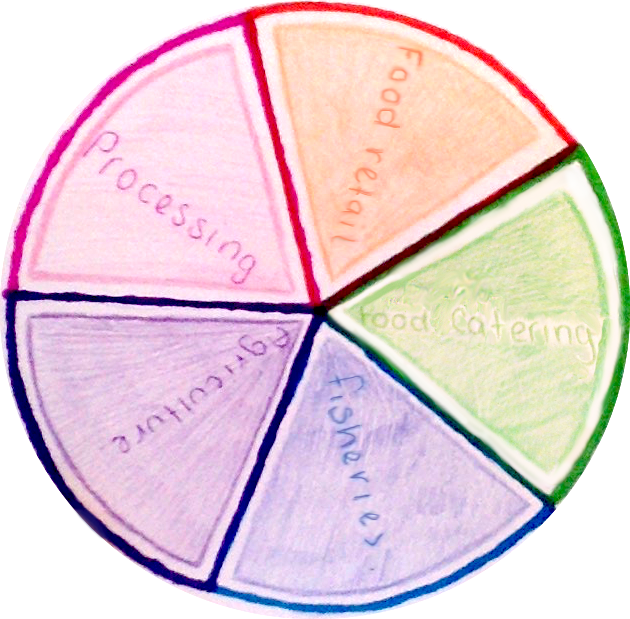
agriculture and fisheries agriculture is the cultivation of land to produce food derived from plants and animals plants; preparing soil for planting selecting seed sowing fertilising irrigating harvesting storage transporting food to various locations includes wheat rice maze oats maze sorghum bakery animal; producing or supplying fodder, feeder and water breeding treating illness and desires transporting the animals to sale yards, abattoir and other food processing locations includes beef pork lamb dairy poultry cereal, dairy and meat are most significant products advertising companies promote the consumption of meat + livestock in Australia E.g. "we love our lamb kids love beef"freshness include commercial gathering of other aquatic species fishes caught and brought ashore fishes re caught and processed on set up factories on fishing ships industrial fisheries focus on fish products such as fish oil and sewed fertiliseraquaculture involves cultivating/ harvesting aquatic plants and animals E.G. oyster farms seaweed maintenance koi fish (austral)
Food processing and manufacturing
must food produced undergoes processing before being sold this includes "value adding steps" E.G. packaging apples in convenient packaging made for better consumption of raw foods value adding: involves significant changes such as heating, cooling, grinding, milling and separation
Food service and catering
preparation and servicing of food (hospitality industry)examples:restaurantprison air-plain flights takeaway food store catered function hospitals school canteens
Food retail
purchase food items that have been processednational food chains woolworths coles bi-lo (diverse range)smaller stores corner shops petrol stationsbutchers and bakers (limited range)
Page 2
Research and development in the Australian Food Industry
research an development in the Australian food industry cost business money but ensures it's up to date and remain competitive on a world wide scale government organisation that provide funding common wealth scientific and industrial research organisation researches all sectors of the industry initiative Food Futures base on Agri-Food sector processing technologies to increase paperwork and sustainability benefits - increased export - production of healthier and safer food improved Food standard Australia new Zealand (FSANZ)
Quality Assurance Definition: The maintenance of a desired level of quality in a service or product, especially by means of attention to every stage of the process of delivery or production.quality control definition: a system of maintaining standards in manufactured products by testing a sample of the output against the specification.Hazard AnalysisCriticalControl Points Explain the main reasons for having a HACCP food safety system:One of the main reasons for implementing a documented food safety system is to demonstrate to your customers your willingness to supply safe, quality food all the time. Major supermarkets are now going all the way with Quality Assurance, and using it as a tool to advertise.Another reason is litigation, should you or anyone involved in you business supply food which turns out to have been contaminated by a process performed by you or whilst in your care you are liable for prosecution.What happens if there is a food recall and what damage to your business will result in a public recall? How much in dollars & cents will this bad publicity cost you?A documented HACCP food safety system will give you access to markets previously unattainable.
Consumer influences on food industry organisations
The changing in Australian society has resulted in demands for different foods. The demographics of a population; AgeIncome EthnicityGeographic location ^ these all have an effect on the food produced the following table outlines recent trends and the industry's response to these trends
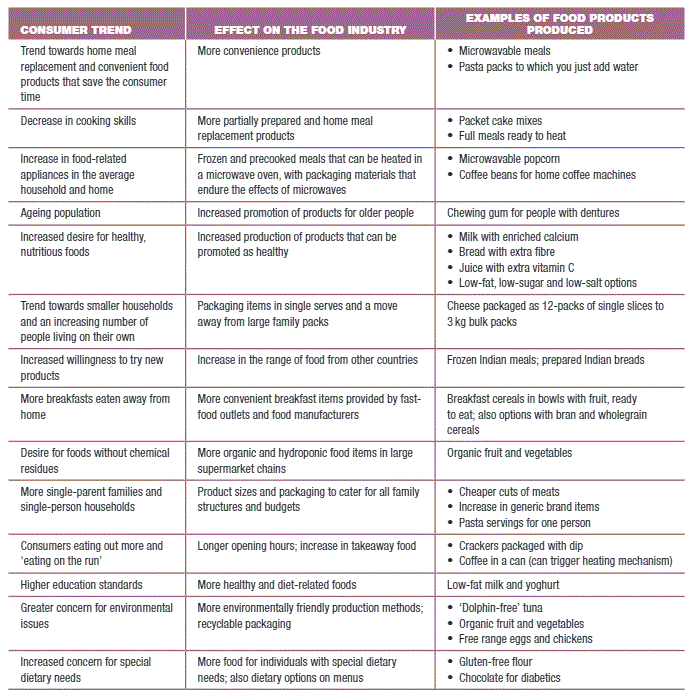
Changes in food products reflect changing consumer tastes and behaviours, advances in technology, changing market structures throughout the agri-food chain, new food legislation and regulations, environmental concerns, globalisation issues and political decisions.FACT:In the last 50 years, about 28000 new food products have emerged on our supermarket shelves, about one new product or brand item every week. Some products have remained and some products have disappeared.Consumer demand drives manufacturers’ decisions on what is produced.Examples: McDonald’s is a multinational retail food chain that changed its menu and marketing in response to consumer demand. Their ‘healthy choice’ range of items appeals to those who want fast food but without the fat. choice’ range of items appeals to those who want fast foodbut without the fat.
Page 3
Want to create your own Notes for free with GoConqr? Learn more.