
Quiz
Biology 150 - Chapter 13 LEARN Quiz
Perguntas do quiz (10)
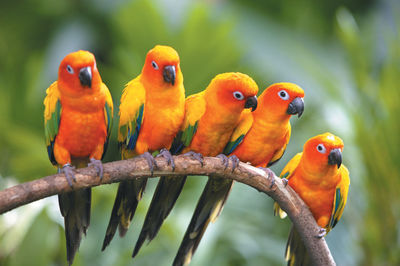
1If individuals in the last remaining population of a particular bird species were all highly related, which type of diversity would be of greatest concern when planning to keep the species from going extinct?
- Aspecies diversity
- Bgenetic diversity
- Cecosystem diversity
- Dtaxonomic diversity
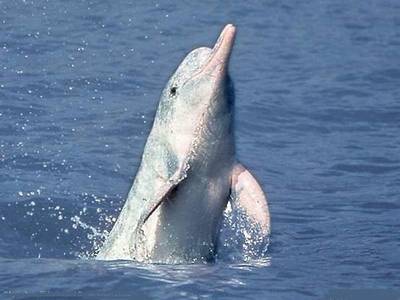
2Why is the extinction of the Yangtze River dolphin considered particularly significant?
- Ait was a keystone species
- Bit was from a species-poor lineage
- Cthere was high genetic diversity within the species
- Dit was a keystone prey species
3You discover a new species at University of Waterloo, and it is only found on campus. This new species is best described as:
- Aendangered
- Bvulnerable
- Cendemic
- Dsensitive
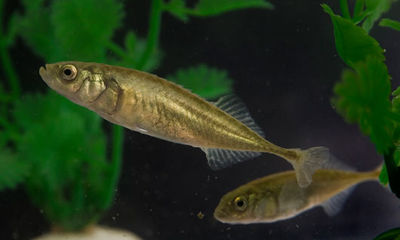
4Which of the following is likely NOT a major threat to the unique species pairs of stickleback in British Columbia? (Select all that apply)
- Aland development and habitat degradation
- Bintroduction of alien species
- Coverexploitation
- Ddeterioration of water quality
5Why are smaller, fragmented habitats often of lesser quality than contiguous habitats?
- Afragmentation often leads to detrimental edge effects
- Bfragmentation reduces species' ability to move between habitat patches
- Csmaller habitats often do not contain the necessary resources for large animals
- Dall of the above
6Why are smaller, isolated populations more likely to be extirpated?
- Athey are more likely to be exterminated by severe stochastic events
- Bthey are subject to inbreeding depression and genetic drift
- Cthey are more likely to be subject to fitness trade-offs
- Dboth A and B
7What is the leading cause of endangerment for marine species?
- Apollution
- Binvasive species
- Coverexploitation
- Dhabitat loss
8Habitat loss is the leading cause of endangerment for terrestrial species.
- AVerdadeiro
- BFalso
9Most endangered species are currently found on islands.
- AVerdadeiro
- BFalso
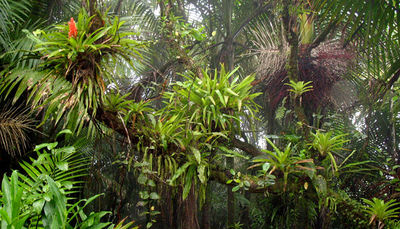
10Experimental evidence from Brazil indicates that fragmenting tropical wet forests results in:
- Aan eventual recovery of biodiversity and biomass
- Ba decrease in biodiversity, and a decrease in biomass
- Can increase in biodiversity, and a decrease in biomass
- Da decrease in biodiversity, and an increase in biomass
Informações
- Descrição
- Biology 150 (Organismal and Evolutionary Ecology), Chapter 13 (Biodiversity and Conservation Biology) LEARN Quiz
- Autor
- Laurel McLaughlin
- Idioma
- English
- Visualizações
- 67
- Histórico
- Criado em 5 dez 2014 · atualizado em 16 nov 2017
- Etiquetas
- Avaliação
- Ainda sem avaliações Avalie este quiz