
Quiz
Examining authorial context and narrative viewpoints
Este quiz tem tipos de pergunta que abrem no player de sempre.
Perguntas do quiz (5)
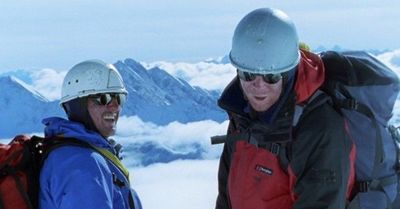
1In the two accounts,of the accident given in the extract from Touching the Void, Joe and Simon demonstrate very different points of view on the situation that they find themselves in when it becomes clear that Joe has broken his leg.
Complete the diagram below by dragging and dropping the correct comments on the ways in which Joe and Simon’s use of language, viewpoint and perspective and attitudes towards the events differ.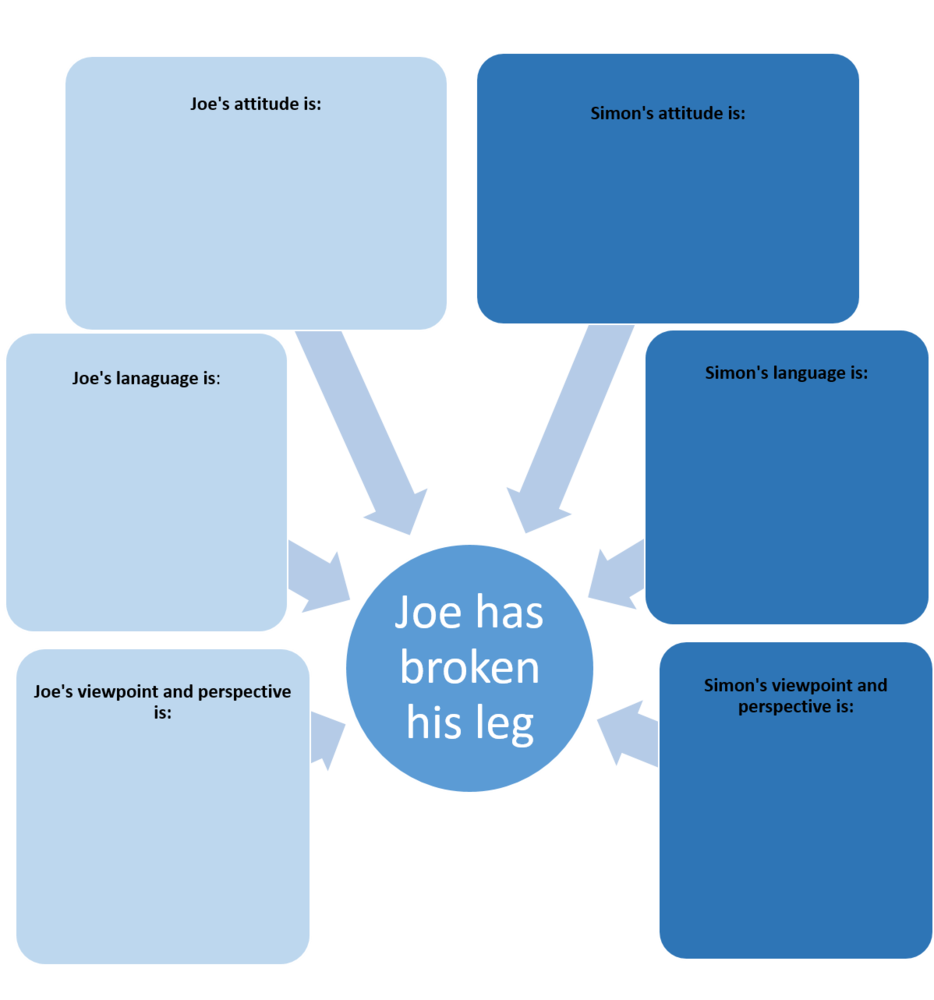
- AFearful
- BBrave
- CIrrational
- Dclear-headed
- EUnsetteld
- FRelaxed
- GHighly emotive
- HVery emphatic
- Ipowerful metaphors
- Jpowerful personification
- KVerbs emphasise pain
- LNouns emphasise pain
- MVaried sentence structures
- NRepeats sentence structures
- OVery direct
- PAmbiguous
- Qan experienced climber
- Ra novice climber
- SThe one who is injured
- TAn outsider
- USomeone facing certain death
- VKnows he will survive
- WLogical
- XIllogical
- YDispassionate
- ZOver-emotional
- AARational
- ABSensible
- ACCalm
- ADPanicked
- AEStraightforward
- AFVery descriptive
- AGdull verbs and adjectives
- AHexciting verbs and adjectives
- AIWords relate to logic
- AJWords relate to emotion
- AKA good climber
- ALA first-time climber
- AMPhysically & emotionally distanced
- ANPhysically & emotionally engaged
- AOThe one who will survive
- APThe one who will die
2Joe presents Simon's account of the event in an unbiased way.
- AVerdadeiro
- BFalso
3Read the opening paragraphs from Ellen MacArthur's autobiography, Taking on the world and then complete the PEE paragraphs below to explain what we learn about her as a person through her use of language by choosing from the drop-down menus.
From the opening two paragraphs we get the impression that McArthur is [blank_start]only too aware of the dangers[blank_end] she will face when she climbs the mast to repair the sail. We see this when she tells us that '. . . though I would be wearing a helmet it would not be difficult to break bones up there. . . '. Clearly she is taking [blank_start]all the precautions she can[blank_end] in order to [blank_start]stay safe[blank_end] but she recognises that [blank_start]she is still at risk of serious injury.[blank_end] This indicates to us that she is [blank_start]not some reckless adventurer,[blank_end] doing it [blank_start]for the thrill of an adrenaline rush[blank_end]. She comes across as very [blank_start]sensible and thoughtful[blank_end], only taking [blank_start]necessary[blank_end] risks and then, only [blank_start]after careful consideration and[blank_end] planning.
This impression of McArthur as [blank_start]sensible and careful[blank_end] is established in the very first paragraph where she informs us that she 'had worked through the night preparing for it. . . '. Here we get the impression that she is [blank_start]meticulous[blank_end] in her planning, trying to [blank_start]account for every eventuality[blank_end] but realising that she can [blank_start]only do so much[blank_end]; ultimately she is at the mercy of [blank_start]the elements[blank_end] once she has climbed the mast.
Her awareness of the dangers she faces creates a [blank_start]tense[blank_end] atmosphere that [blank_start]grips the reader's attention[blank_end] as we are encouraged to share her feelings of [blank_start]fearful anticipation[blank_end] through comments such as 'the most dangerous thing apart from falling off is to be thrown against the mast,' which make the reader almost [blank_start]hold their breath[blank_end] in anticipation of what will happen. In this way McArthur presents herself as [blank_start]an ordinary person[blank_end]; she does not [blank_start]arrogantly exaggerate[blank_end] her skill and experience as a sailor, instead she presents the situation in a way that the reader [blank_start]can relate[blank_end] to and [blank_start]imagine themselves[blank_end] in her position.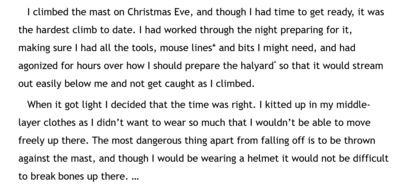
- Aonly too aware of the dangers
- Boblivious to the dangers
- Call the precautions she can
- Dall the risks she can
- Estay safe
- Fget a buzz
- Gshe is still at risk of serious injury.
- Hshe is one of the best young sailors.
- Inot some reckless adventurer,
- Jnot a very experienced sailor
- Kfor the thrill of an adrenaline rush
- Lfor the very first time
- Msensible and thoughtful
- Nbold and irresponsible
- Onecessary
- Punnecessary
- Qafter careful consideration and
- Rafter failing to undertake any
- Ssensible and careful
- Tirresponsible and reckless
- Umeticulous
- Vcareless
- Waccount for every eventuality
- Xcut corners where she can
- Yonly do so much
- Zdo it very easily
- AAthe elements
- ABher own actions
- ACtense
- ADthrilling
- AEgrips the reader's attention
- AFexcites the reader
- AGfearful anticipation
- AHreckless joy
- AIhold their breath
- AJshout out
- AKan ordinary person
- ALan extraordinary person
- AMarrogantly exaggerate
- ANmodestly downplay
- AOcan relate
- APcannot relate
- AQimagine themselves
- ARcan't imagine themselves
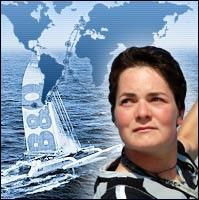
46 of these quotations indicate that McArthur is an experienced sailor. Which ones are they?
- Aagonized for hours over how I should prepare the halyard
- BI laid the halyard out on deck, flaking it neatly
- CI unclipped my jumar from the halyard
- Dknowing we would pile into the wave in front
- EBy the third spreader I was exhausted
- FWe had been surfing at well over 20 knots
- GSanta had called early on Kingfisher and we had the best present ever - a new halyard
- HI tugged and tugged on the rope - the frustration was unreal
- II hung on tight, wrists clenched together, and hoped.
- JI kitted up in my middle-layer clothes.
5How does the authorial context of literary non-fiction texts relate to the narrative viewpoint?

- AIt influences the the narrative viewpoint as the writer will present their ideas, themes etc. . in a particular way.
- BIt is the same thing just different terminology
- Cit means it is always written in the first person present tense
- DAll literary non-fiction texts use the third-person omniscient narrative viewpoint
Informações
- Descrição
- A series of quiz-style tasks to help learners develop a deeper understanding of how authorial context and narrative viewpoint affect the way writers present information to readers.
- Autor
- Sarah Holmes
- Idioma
- English
- Visualizações
- 107
- Etiquetas
- Avaliação
- 5,0 de 5 · 1 avaliação Avalie este quiz