
Quiz
Practice ATP interview #1
Crie uma conta grátis para terminar este quiz
Salve seu progresso e veja sua nota final.
Já tem uma conta? Inicie sessão
Perguntas do quiz (50)
1When are outboard ailerons normally used?
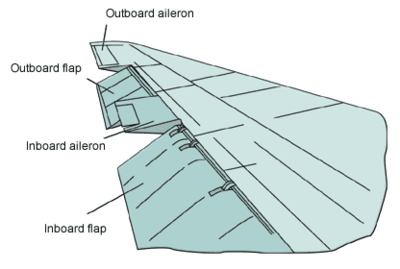
- ALow-speed flight only
- BHigh-speed flight only
- CLow-speed and high-speed flight
2When are inboard ailerons normally used?
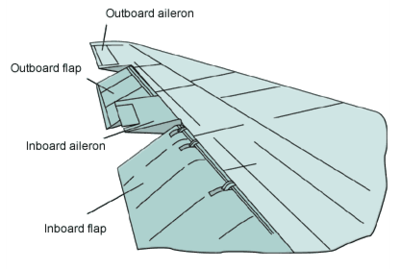
- ALow-speed flight only
- BHigh-speed flight only
- CLow-speed and high-speed flight
3Which of the following is considered a primary flight control?
- ASlats
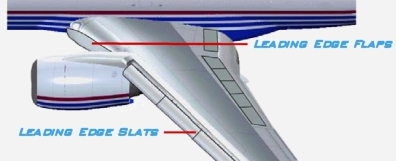
- BElevator
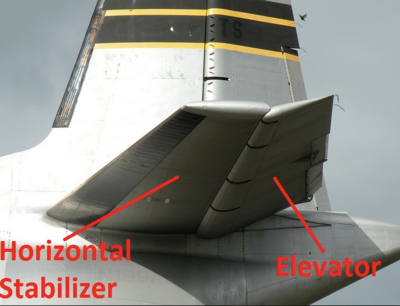
- CDorsal fin
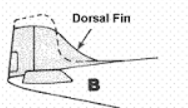
- ASlats
4Which of the following is considered an auxiliary flight control?
- ARuddervator
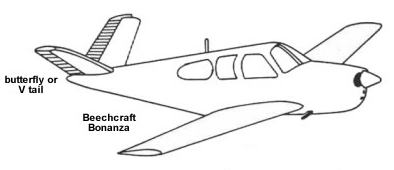
- BUpper rudder
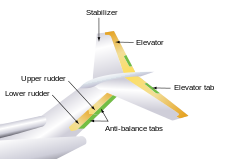
- CLeading-edge flaps
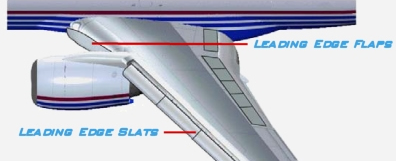
- ARuddervator
5What is the purpose of an anti-servo tab?
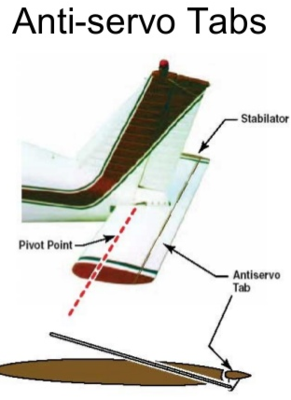
- AMove the flight controls in the event of manual reversion
- BReduce control forces by deflecting in the proper direction to move a primary flight control
- CPrevent a control surface from moving to a full-deflection position due to aerodynamic forces
6What is the purpose of a servo tab?
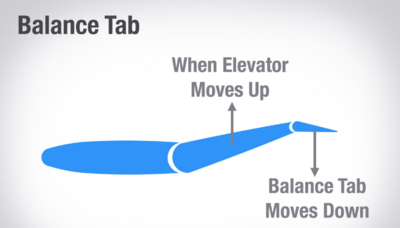
- AMove the flight control in the event of manual reversion
- BReduce control forces by deflecting in the proper direction to move a primary flight control
- CPrevent a control surface from moving to a full-deflection position due to aerodynamic forces
7Which is a purpose of leading-edge flaps?
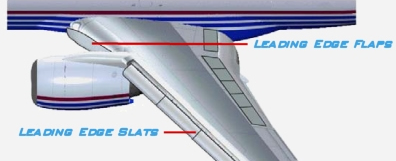
- AIncrease the camber of the wing
- BReduce lift without increasing airspeed
- CDirect airflow over the top of the wing at high angle of attack
8What is a purpose of flight spoilers?
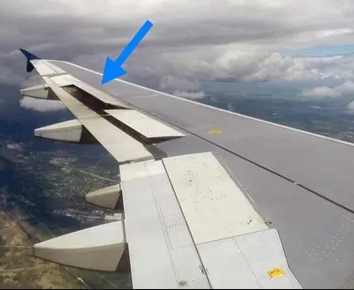
- AIncrease the camber of the wing
- BReduce lift without increasing airspeed
- CDirect airflow over the top of the wing at high angles of attack
9Which is a purpose of leading-edge slats on high-performance wings?
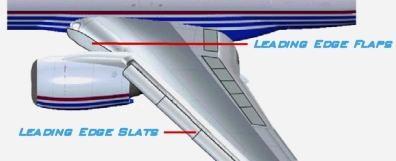
- ADecrease lift at relative slow speeds
- BImprove aileron control during low angles of attack
- CDirect air from the high pressure area under the leading edge along the top of the wing
10Which direction from the primary control surface does an anti-servo tab move
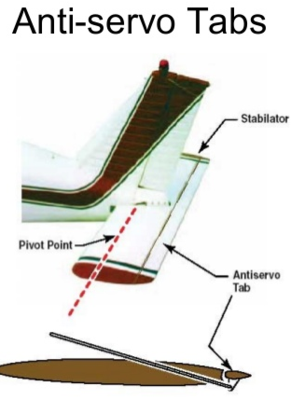
- ASame direction
- BOpposite direction
- CRemains fixed for all positions
11What effect does an increase in airspeed have on a coordinated turn while maintaining a constant angle of bank and altitude?
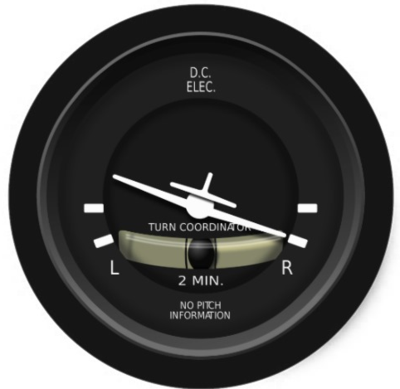
- AThe rate of turn will decrease resulting in a decreased load factor
- BThe rate of turn will increase resulting in a increased load factor
- CThe rate of turn will decrease resulting in no changes in load factor
12What is the effect on total drag of an aircraft if the airspeed decreases in level flight below that speed for maximum L/D?
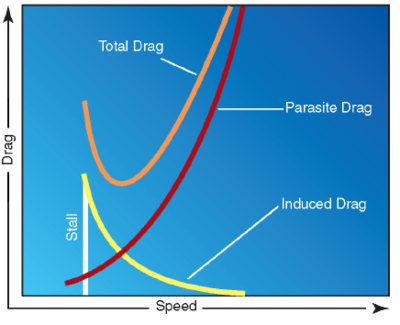
- ADrag increases because of increased induced drag
- BDrag increases because of increased parasite drag
- CDrag decreases because of lower induced drag
13What is load factor?
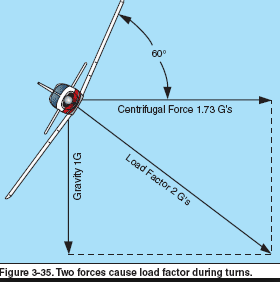
- ALift multiplied by the total weight
- BLift subtracted from the total weight
- CLift divided by the total weight
14What affects indicated stall speed?
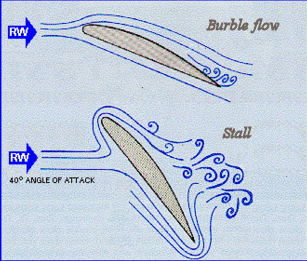
- AWeight, load factor, and power
- BLoad factor, angle of attack, and power
- CAngle of attack, weight, and air density
15If no corrective action is taken by the pilot as angle of bank is increased, how is the vertical component of lift and sink rate affected?
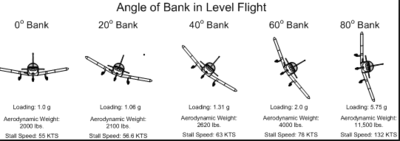
- ALift increases and the sink rate increases
- BLift decreases and the sink rate decreases
- CLift decreases and the sink rate increases
16Why must the angle of attack be increased during a turn to maintain altitude?
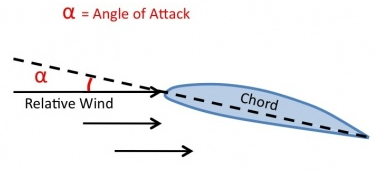
- ACompensate for loss of vertical component of lift
- BIncrease the horizontal component of lift equal to the vertical component
- CCompensate for increase in drag
17How can the pilot increase the rate of turn and decrease the radios at the same time?
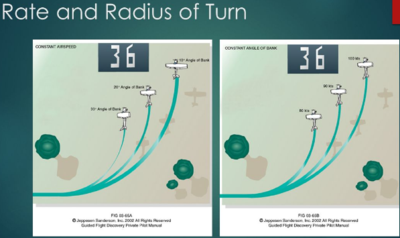
- ASteepen the bank and increase airspeed
- BSteepen the bank and decrease airspeed
- CShallow the bank and increase airspeed
18What is the relationship of the rate of turn with the radios of turn with a constant angle of bank but increasing airspeed?
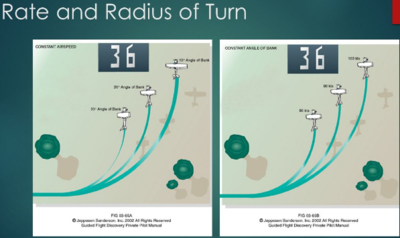
- ARate will decrease and radios will increase
- BRate will increase and radios will decrease
- CRate an radios will increase
19Upon which factor does wing loading during a level coordinated turn in smooth air depend?
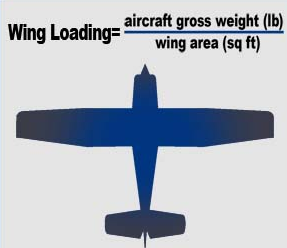
- ARate of turn
- BAngle of bank
- CTrue airspeed
20If an aircraft with a gross weight of 2,000 pounds were subjected to a total load of 6,000 pounds in flight, the load factor would be:
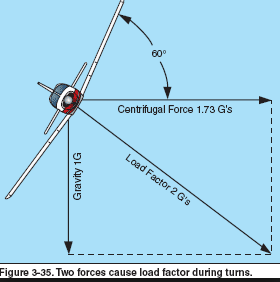
- A2Gs
- B3Gs
- C9Gs
21Airflow separation over the wing can be delayed by using vortex generators:
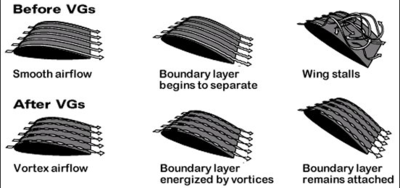
- ADirecting high pressure air over the top of the wing or flap through slots and making the wing surface smooth
- BDirecting a suction over the top of the wing or flap through slots and making the wing surface smooth
- CMaking the wing surface rough and/or directing high pressure air over the top of the wing or flap through slots
22What is the safest and most efficient takeoff and initial climb procedure in a light, twin-engine airplane?
Accelerate to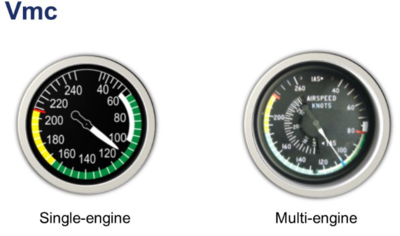
- ABest engine-out, rate-of-climb airspeed while on the ground, then lift off and climb at that speed
- BVmc, then lift off at that speed and climb at maximum angle-of-climb airspeed
- CAn airspeed slightly above Vmc, then lift off and climb at the best rate-of-climb airspeed
23What performance should a pilot of a light, twin-engine airplane be able to maintain at Vmc?
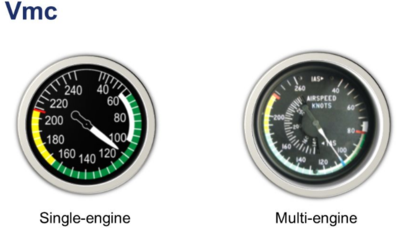
- AHeading
- BHeading and altitude
- CHeading, altitude, and ability to climb 50 ft/min
24What criteria determines which engine is the "critical" engine of a twin-engine airplane?
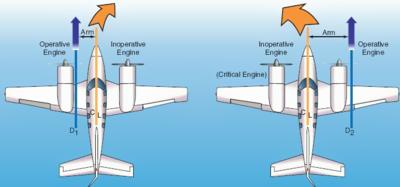
- AThe one with the center of thrust closest to the center line of the fuselage
- BThe one designated by the manufacturer which develops most usable thrust
- CThe one with the center of thrust farthest from the center line of the fuselage
25What effect, if any, does altitude have on Vmc for an airplane with unsupercharged engines?
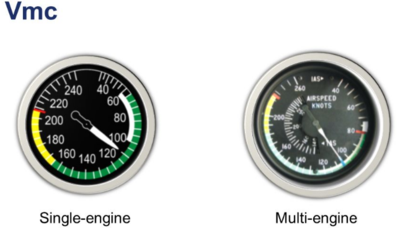
- ANone
- BIncreases with altitude
- CDecreases with altitude
26Under what condition should stalls never be practiced in a twin-engine airplane?
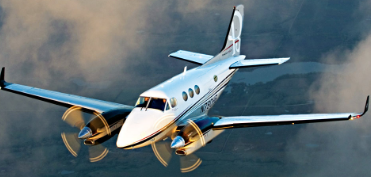
- AWith one engine inoperative
- BWith climb power on
- CWith full flaps and gear extended
27What does the blue radial line on the airspeed indicator of a light, twin-engine airplane represent?
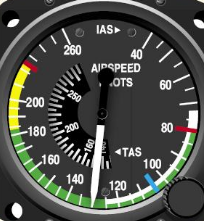
- AMaximum single-engine rate of climb
- BMaximum single-engine angle of climb
- CMinimum controllable airspeed for single-engine operation
28Identify the type stability if the aircraft attitude remains in the new position after the controls have been neutralized
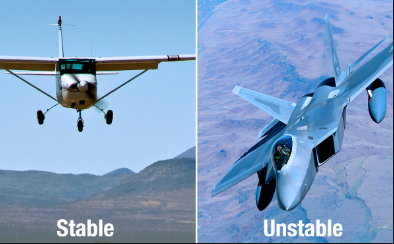
- ANegative longitudinal static stability
- BNeutral longitudinal dynamic stability
- CNeutral longitudinal static stability
29What is a characteristic of longitudinal instability?
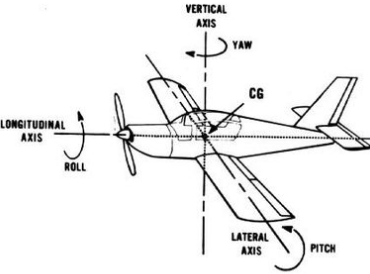
- APitch oscillations becoming progressively greater
- BBank oscillations becoming progressively greater
- CAircraft constantly tries to pitch down
30Describe dynamic longitudinal stability
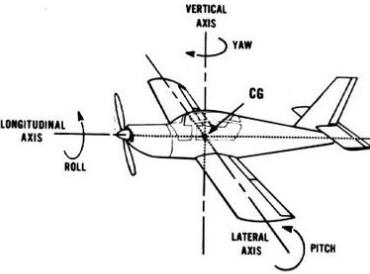
- AMotion about the longitudinal axis
- BMotion about the lateral axis
- CMotion about the vertical axis
31What is the reason for variations in geometric pitch along a propeller or rotor blade?
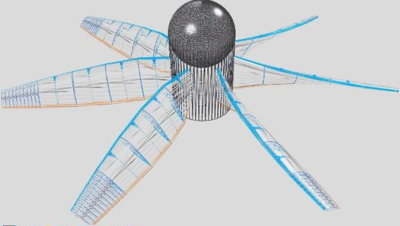
- AIt permits a relatively constant angle of attack along its length when in cruising flight
- BIt prevents the portion of the blade near the hub or root from stalling during cruising flight
- CIt permits a relatively constant angle of incidence along its length when in cruising flight
32Identify the type stability if the aircraft attitude tends to return to its original position after the controls have been neutralized.
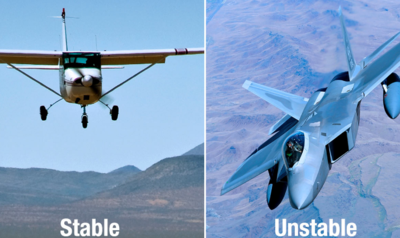
- APositive dynamic stability
- BPositive static stability
- CNeutral dynamic stability
33What flight condition should be expected when an aircraft leaves ground effect?
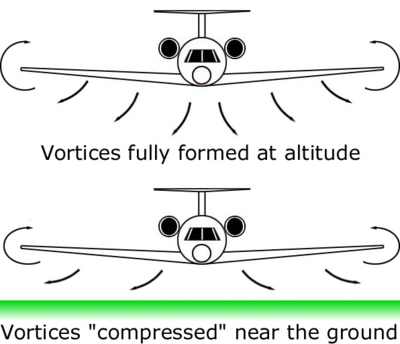
- AAn increase in induced drag requiring a higher angle of attack
- BA decrease in parasite drag permitting a lower angle of attack
- CAn increase in dynamic stability
34What characteristic should exist if an airplane is loaded to the rear of its CG range?
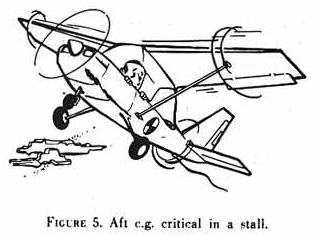
- ASluggish in aileron control
- BSluggish in rudder control
- CUnstable about the lateral axis
35What will be the ratio between airspeed and lift if the angle of attack and other factors remain constant and airspeed is double? lift will be
- AThe same
- BTwo times greater
- CFour times greater
36What true airspeed and angle of attack should be used to generate the same amount of lift as altitude is increased?
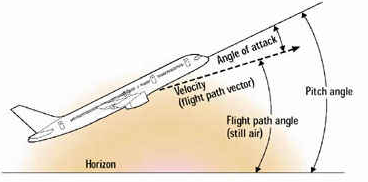
- AThe same true airspeed and angle of attack
- BA higher true airspeed for any giving angle of attack
- CA lower true airspeed and higher angle of attack
37What are some characteristics of an airplane loaded with the CG at the aft limit?
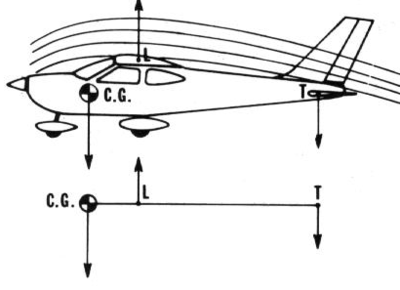
- ALowest stall speed, highest cruise speed, and least stability
- BHighest stall speed, highest cruise speed, and least stability
- CLowest stall speed, lowest cruise speed, and highest stability
38By changing the angle of attack of a wing, the pilot can control the airplane's
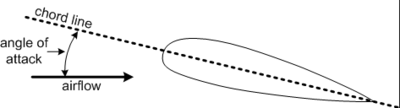
- ALift, gross weight, and drag
- BLift, airspeed, and drag
- CLift and airspeed, but not drag
39The primary purpose of high-lift devices is to increase the:
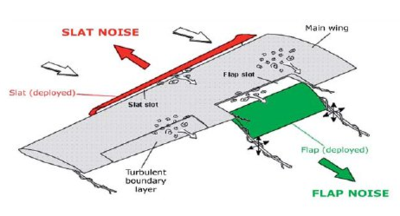
- AL/Dmax
- BLift at low speeds
- CDrag and reduce airspeed
40Within what Mach range does transonic flight regimes usually occur?
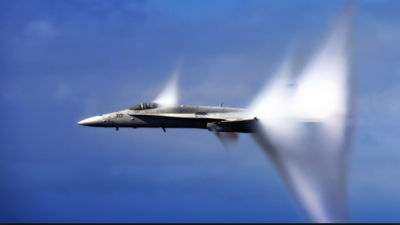
- A.50 to .75 Mach
- B.75 to 1.20 Mach
- C1.20 to 2.50 Mach
41What is the primary function of the leading edge flaps in landing configuration during the flare before touchdown?
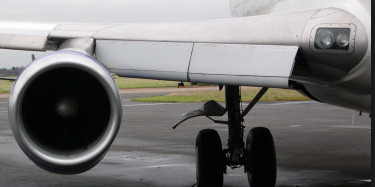
- APrevent flow separation
- BDecrease rate of sink
- CIncrease profile drag
42What is the highest speed possible without supersonic flow over the wing?
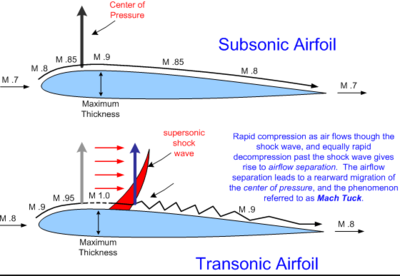
- AInitial buffet speed
- BCritical Mach number
- CTransonic index
43What is the free stream Mach number which produces first evidence of local sonic flow?
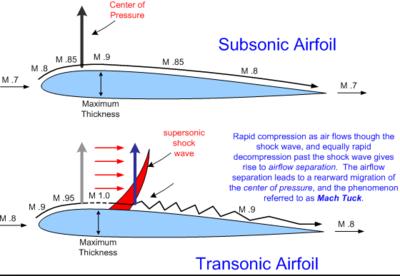
- ASupersonic Mach number
- BTransonic Mach number
- CCritical Mach number
44At what Mach range does the subsonic flight range normally occur?
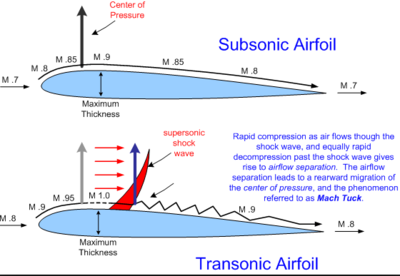
- ABelow .75 Mach
- BFrom .75 to 1.20 Mach
- CFrom 1.20 to 2.50 Mach
45What is the principal advantage of a sweepback design wing over a straightwing desing?
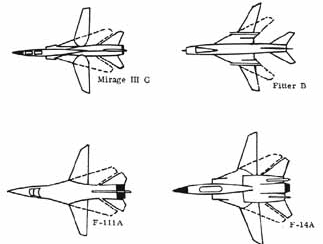
- AThe Critical Mach number will increase significantly
- BSweepback will increase changes in the magnitude of force coefficients due to compressibility
- CSweepback will accelerate the onset of compressibility effect
46What is the result of a shock-induced separation of airflow occurring symmetrically near the wing root of a sweptwing aircraft?
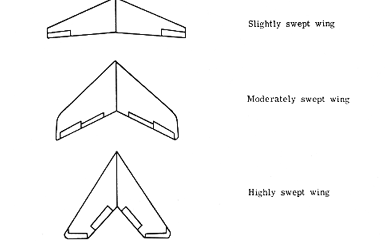
- AA high-speed stall and sudden pitchup
- BA severe moment or "tuck under"
- CSevere porpoising
47What is one disadvantage of a sweptwing design?
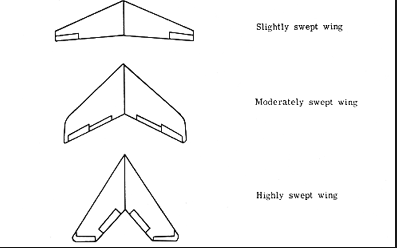
- AThe wing root stalls prior to the wingtip section
- BThe wingtip section stalls prior to the wing root
- CSevere pitchdown moment when the center of pressure shifts forward
48What is the condition known as when gusts cause a sweptwing-type airplane to roll in one direction while yawing in the other?
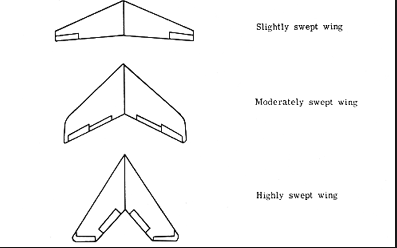
- APorpoise
- BWingover
- CDutch roll
49What is the movement of the center of pressure when the wingtips of a sweptwing airplane are shock-stalled first?
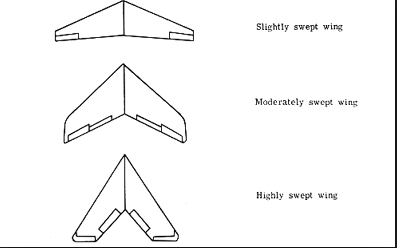
- AInward and aft
- BInward and forward
- COutward and forward
50For a given angle of bank, the load factor imposed on both the aircraft and pilot in a coordinated constant-altitude turn
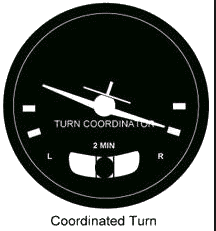
- AIs directly related to the airplane's gross weight
- BVaries with the rate of turn
- CIs constant
Informações
- Descrição
- ATP question
- Autor
- Jose Brid
- Idioma
- English
- Visualizações
- 687
- Etiquetas
- Avaliação
- Ainda sem avaliações Avalie este quiz