
Animal Farm Background
Slides do conjunto (7)
-
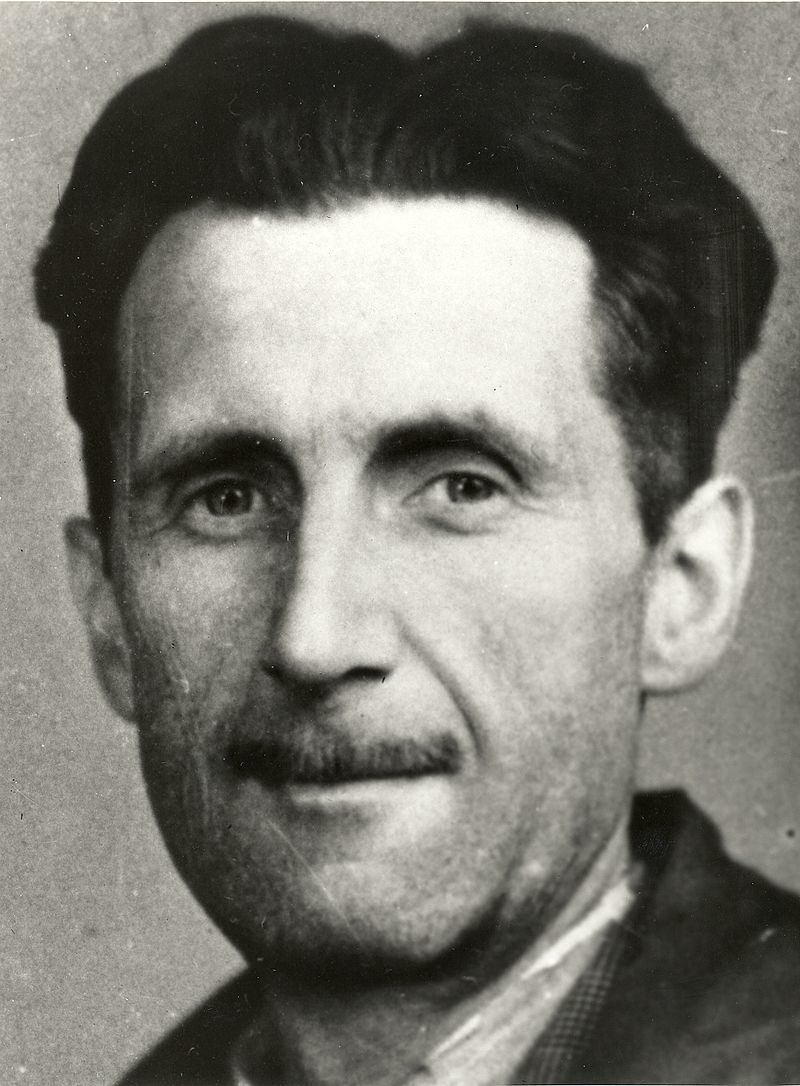
- Born into a well-off family but ridiculed at school for not being as wealthy as the others
- Loved to read and write but had unimpressive grades
- He gave his friend a copy of one of his first books and asked him to destroy it - instead the friend brought it to a publisher. He used the pseudonym George Orwell in case the publication was a disaster.
- Many publishers refused to publish Animal Farm. A satire of the USSR seemed to controversial and risky at a time when Germany was at war with the Soviet Union.
- Orwell is seen as one of the greatest political writers of all time, to the extent that the adjective "Orwellian", used to describe something that is destructive to the welfare of a free and open society.
-
- Orwell intended Animal Farm to be a lightly disguised satire of the Russian Revolution of 1917.
- After the elimination of the Russian autocracy system, and the Provisional Government (Duma), the revolution resulted in the establishment of the Soviet Union under the control of the Bolshevik party.
- There are a number of key figures from the revolution - the Tsar, Lenin, Trotsky and Stalin, who are mirrored in characters of the book.
-
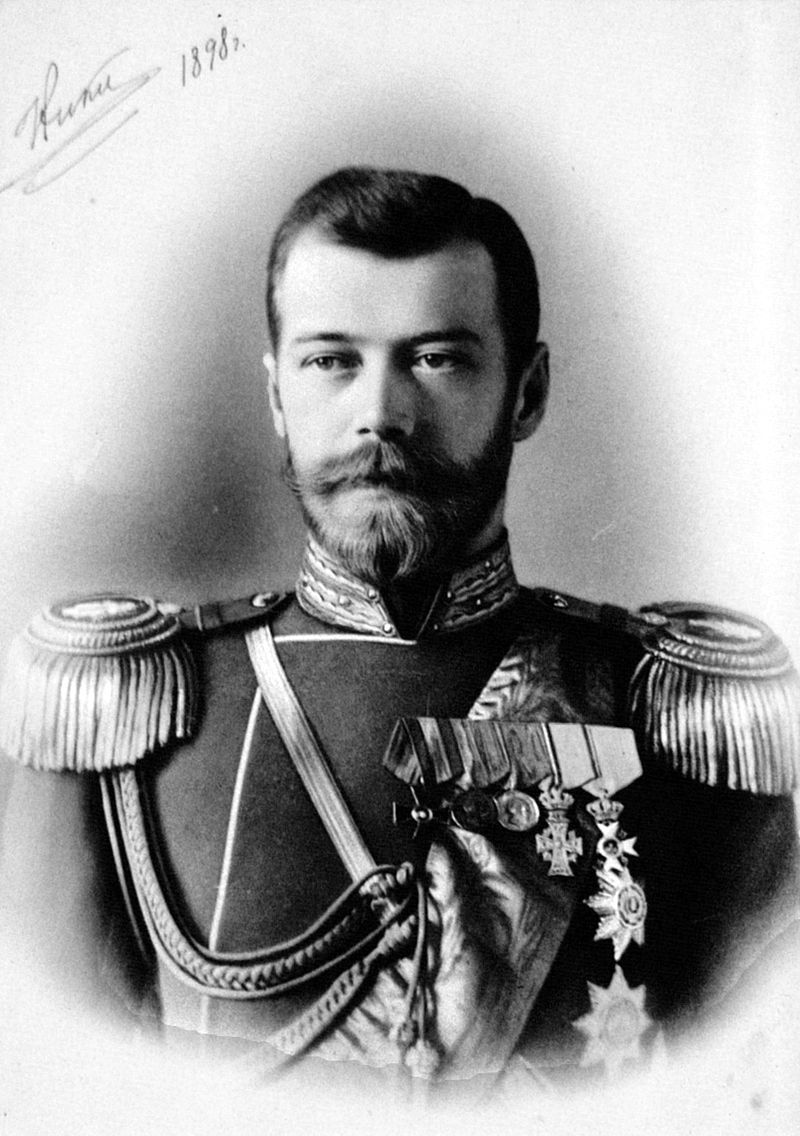
- Mirrored by Mr Jones
- Russian Emporer, whose reign was characterised by insistence that he was the uncontestable ruler of Russia
- Massacred protesters
- Millions of Russians lived lives of hunger and want during his reign
- Was removed from power after a series of mutinies and strikes
-
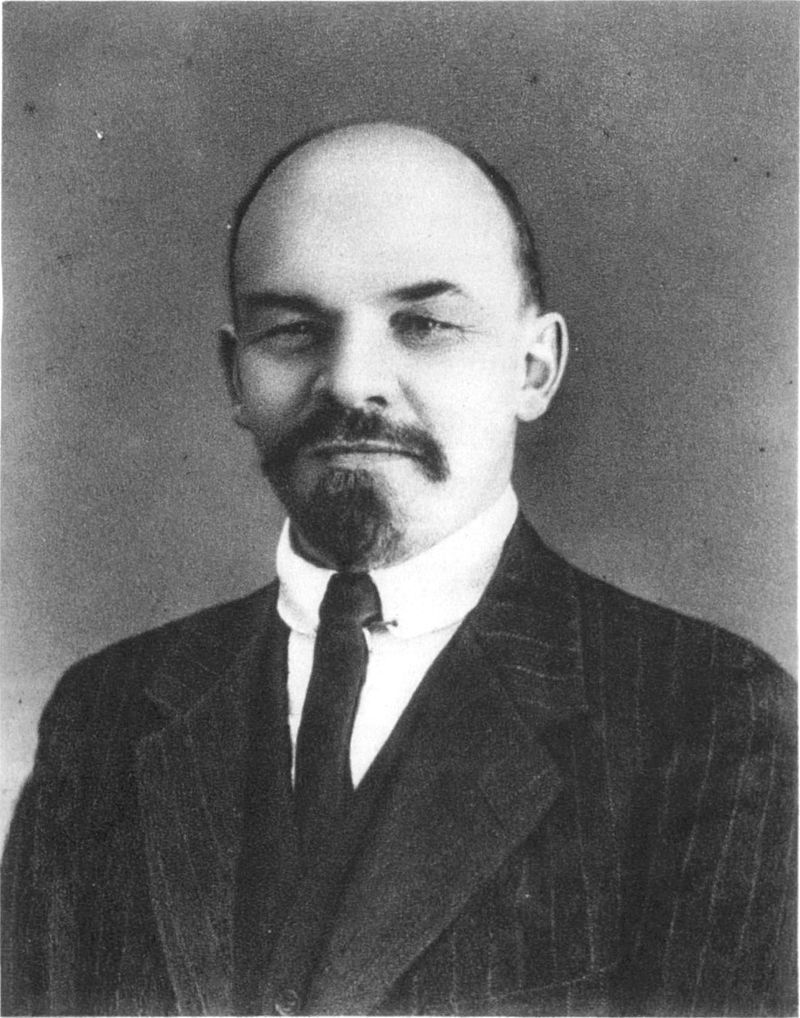
- Mirrored by Old Major
- Leader of Bolshevik Party
- Inspired by Karl Marx's theory of Communism:
- "Workers of the world" should unite against their economic oppressers
- A communal way of life would allow people to live lives of economic equality
- Transformed Russia into the U.S.S.R and introduced the hammer and sickle flag
- Died before witnessing the ways in which the revolution and the ideology of Communism would play out
-
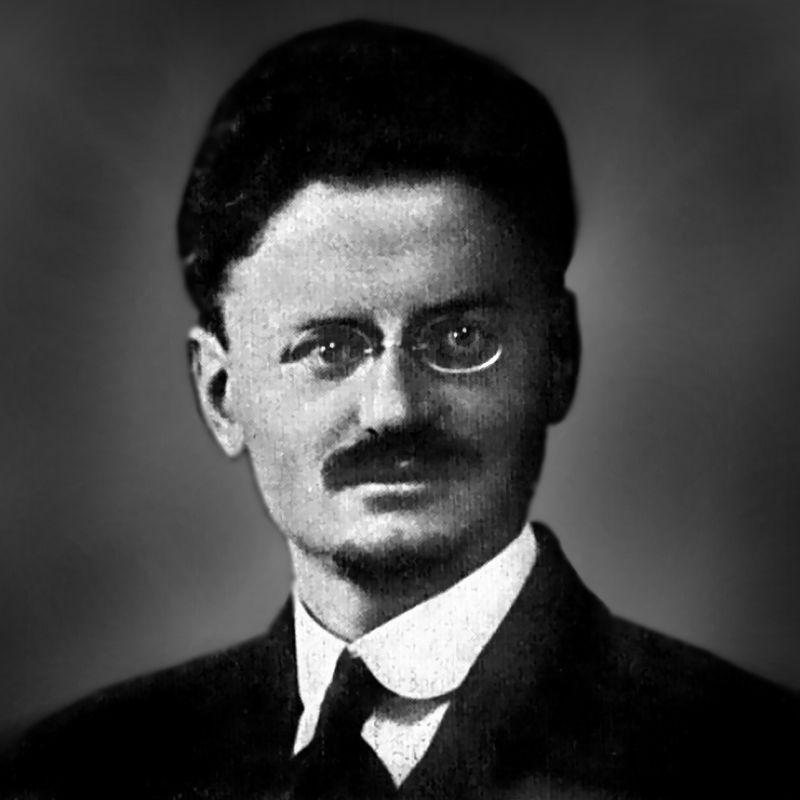
- Mirrored by Snowball
- Marxist thinker and ally of Lenin
- Felt a worldwide series of rebellions were necessary in order to achieve the ultimate aims of the revolution
- Leader of Lenin's Red Army
- Exiled by Stalin and killed by his agents
-
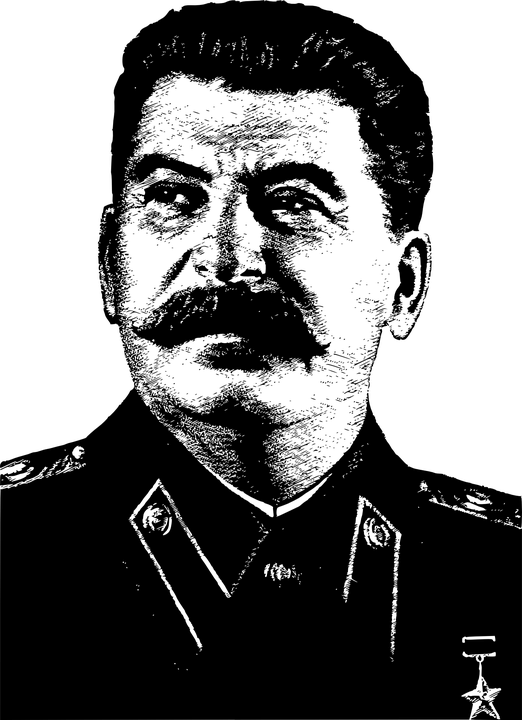
- Mirrored by Napoleon
- Assumed complete control of the Communist Party by 1927 through violent means
- Used his secret police, the KGB, to eliminate enemies
- Large propoganda campaign
- Drew up a Five Year Plan to revitalize the nation's industry and agriculture
-
Key Features of Russian Revolution
- Purges - People who opposed the system were executed or pushed out using the Secret Police (Napoleon's dogs)
- Show trials were used to quash any dissention (Confessions of animals conspiring with Snowball)
- Idea of 'New Man'/'New Woman' - the ideal Communist who worked for a record breaking number of hours (Boxer's "I will work harder" maxim)
- Lenin's cult of personality - his body was put on display after he died (Display of Old Major's skull)
- Hitler forged an alliance with Stalin in 1939 but found himself fighting against Stalin's army in 1941. Hitler's forces were defeated in the Battle of Stalingrad, although the city itself sustained huge damages (Hitler represented by Frederick)
- The Kronstadt rebellion was a major, unsuccessful rebellion against the Bolshevik party in 1921.(Hen's attempts at uprising by breaking their newly hatched eggs)
- In the Tehran Conference of 1943, Churchill, Roosevelt and Stalin came together to try to forge lasting peace after war (a peace that Orwell mocks by having Napoleon and Pilkington flatter each other and then betray their duplicitous natures by cheating in the card game)
Informações
- Descrição
- Discover the context and background to Animal Farm and it's writer George Orwell. This slideset provides some really relevant context around the Russian Revolution and its main characters and how the revolution and it's aftermath is so important to understanding Animal Farm .
- Criado por
- Niamh Ryan
- Visualizações
- 84
- Avaliação