Flashcards
Geography
Flashcards do conjunto (8)
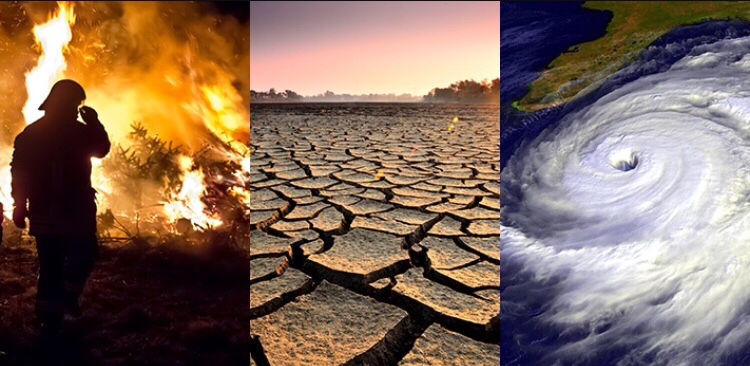
- 1CLIMATE CHANGEAny significant change in the Earth’s climate over a long period of time
- 2Evidence for climate change comes from many different sourcesIce cores, sea ice positions, diaries and paintings, temperature data
- 3Ice coresIce sheets made up of layers of ice - each layer is created every year
Scientists drill into the ice sheets to collect long samples of ice
By analysing gas particles trapping inside each layer of ice, they can tell what the temperature was each year
This data collected is very detailed and reliable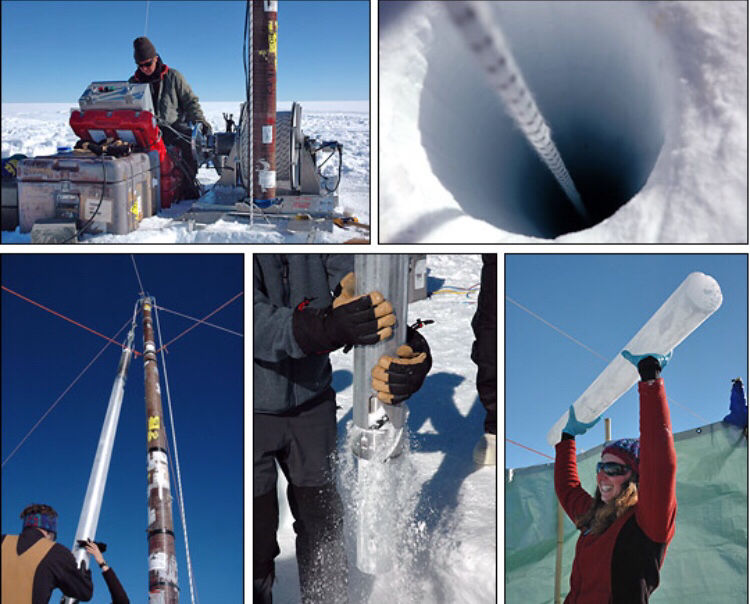
- 4Sea ice positionsSea ice forms around the poles in winter when ocean temperatures fall below -1.8 degrees centigrade and melts during the summer when it is warmer
By observing the max. and min. extent of sea ice each year, scientists can tell how ocean temperatures are changing
Data is very reliable, but accurate records don’t go back far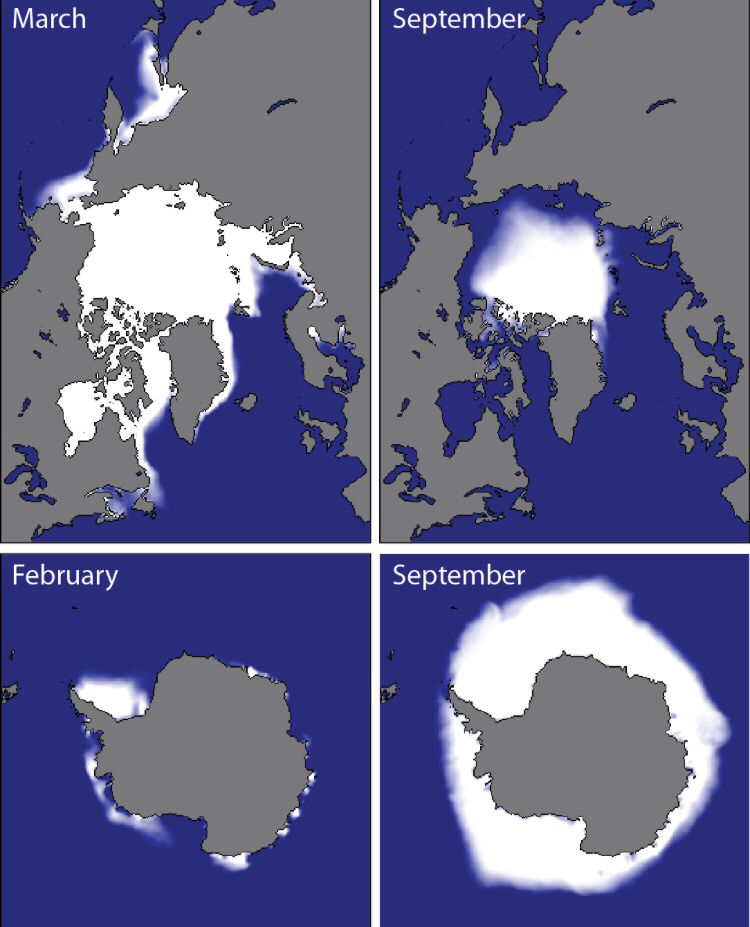
- 5Diaries and paintingsHistorical diaries can show what the climate was like in the past, for example, giving the numbers of days of rain and snow there was.
Paintings of fairs and markets on frozen rivers show that winters in Europe were regularly much colder 500 years ago then they are now
However dairies and paintings aren’t very reliable, as they only give one persons viewpoint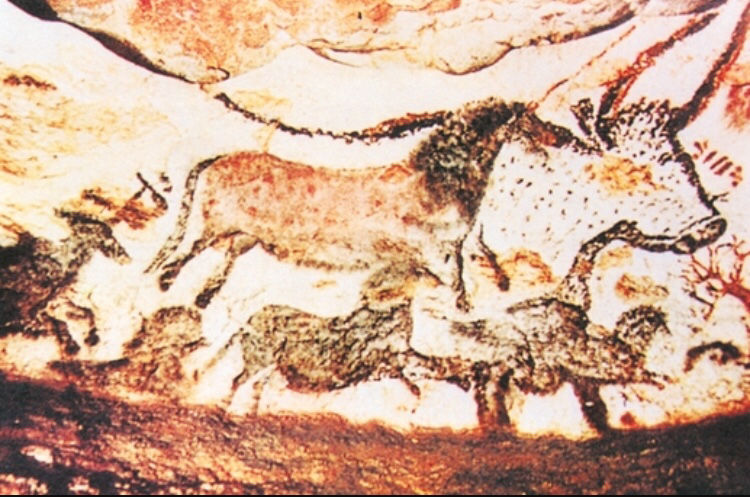
- 6Temperature dataSince 1850s, global temperatures have been measured accurately using thermometers, this gives a reliable but short term record of temperature change
However, weather stations are not evenly distributed across the world - data from some areas is patchy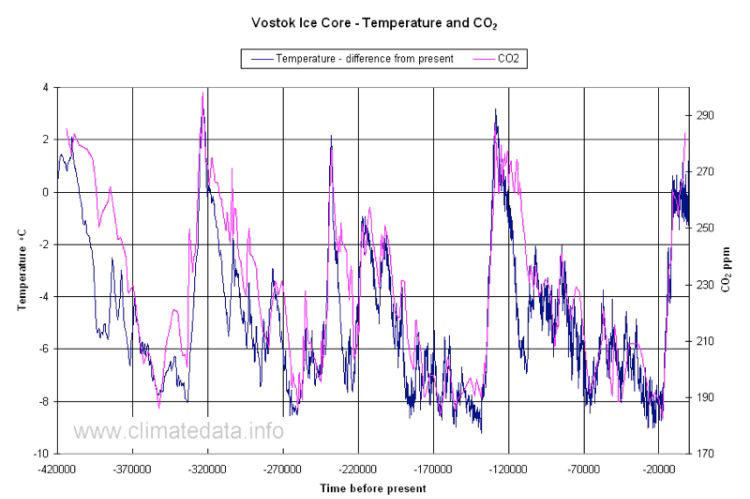
- 7Quaternary periodMost recent geological time period, spanning from about 2.6million years ago to the present day
During Quaternary, global temperatures has shifted between cold glacial periods that last for around 100,000 years, and warmer interglacial periods that last for around 10,000 years
Global warming= sharp rise in global temperatures over the last century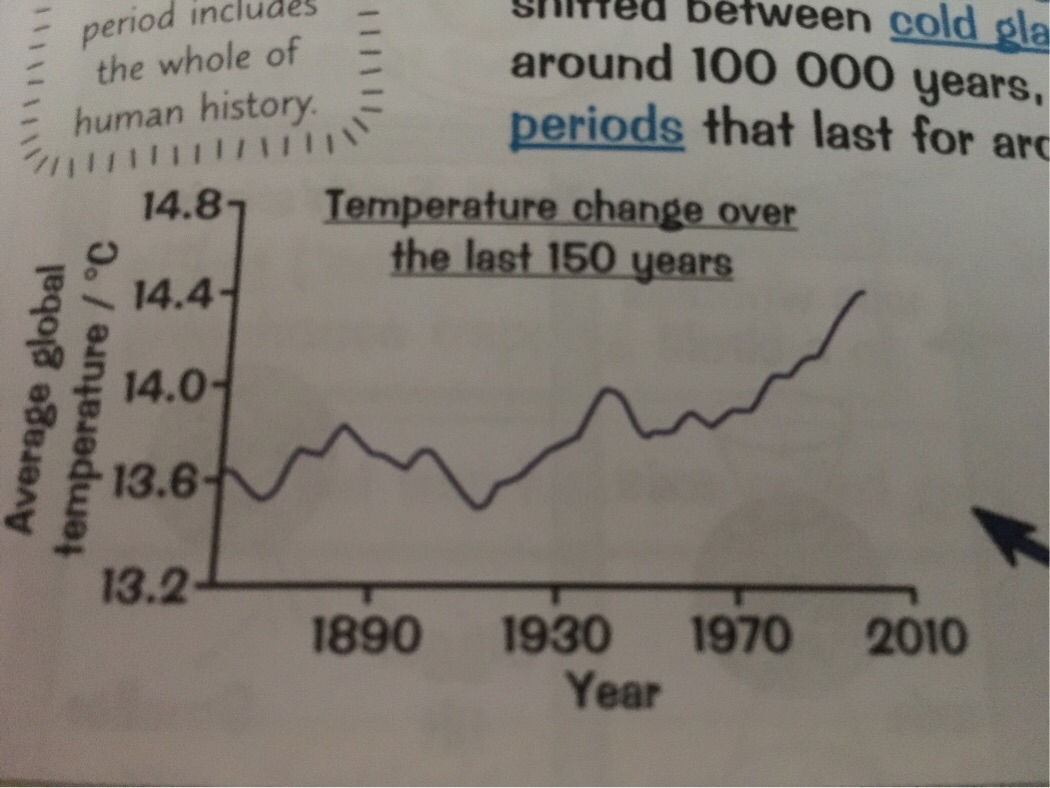
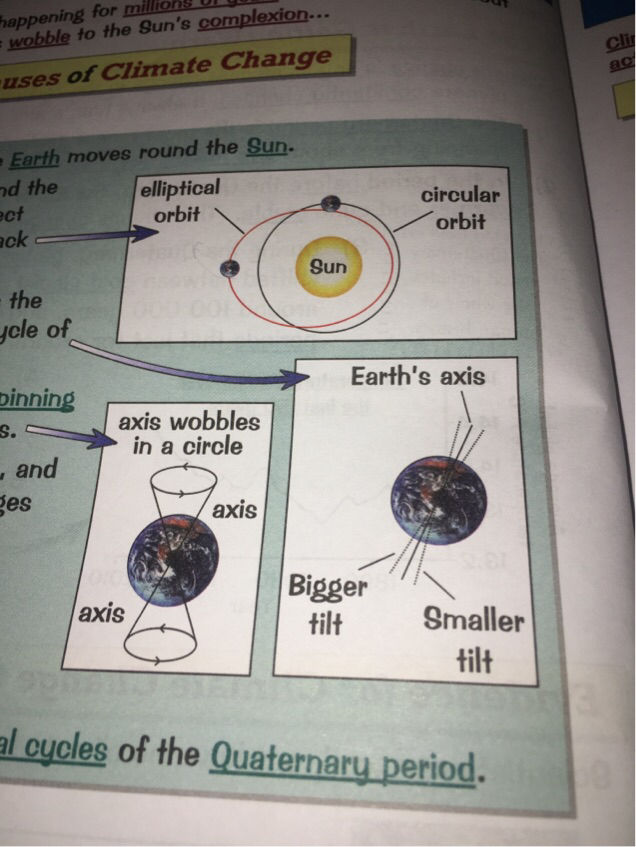
- 8Milankovitch cyclesThe way the Earth moves around the sun
Stretch: path of the Earth’s orbit around the sun changes from almost a perfect circle to an ellipse(oval) and back again every 96,000 years
Tilt: the Earth is tilted at an angle as it orbits