Flashcards
VOWELS
Flashcards do conjunto (13)
- 1—Class of sound which makes the least obstruction to the flow of air.
Almost always founded at the centre of a syllable. - 2Each vowel has a number of properties that distinguish it from other vowels.

- 3SHAPE OF THE LIPSRounded (u:)
Neutral (ə )
Spread (as in smile or i:)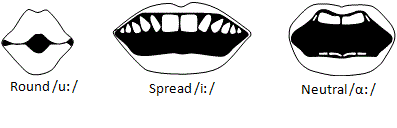
- 4—1) Front vowels
2) Middle vowels
3) Back vowels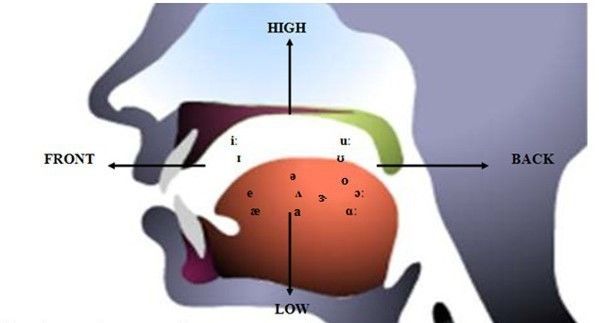
- 5—-The front part of the tongue is raised
-Examples: /i:/ /æ/ ('cat')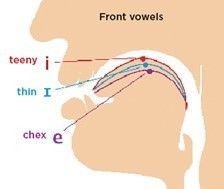
- 6—-They are result of a position where the lips are not noticeably rounded or spread
-Examples: /ə/ and /3:/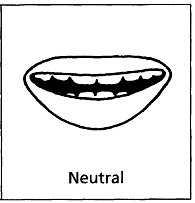
- 7—-The back of the tongue is the highest point
-Examples: /ɑ:/ ('cart')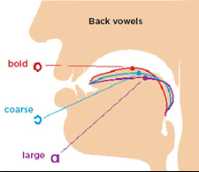
- 8CLOSE/OPEN or HIGH/LOW-The tongue (and the lower jaw) may be:
Raised close to the roof of the mouth /i:/ 'see'
Left low in the mouth with the jaw open /æ/ 'cat'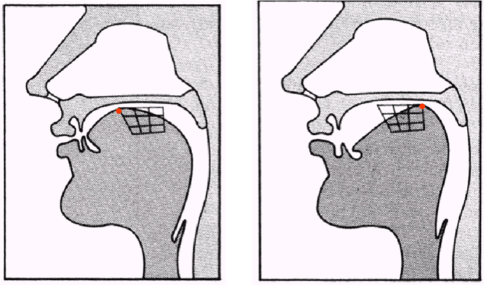
- 9SHORT and LONGDifferecnces in lenght and quality (differences in tongue shape and position, lip position, etc)
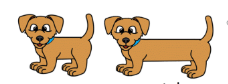
- 10SHORT VOWELS -Vowel sounds that are pronounced in a short form. In RP English the short vowel sounds are those in 'pet', 'pot', 'put', 'putt', 'pat' and 'pit', and the schwa sound./e/
/ɪ/
/æ/
/ʌ/
/ɒ/
/ʊ/ - 11LONG VOWELS -Tends to be longer than short vowels in similar contexts/iː/
/3:/
/aː/
/ɔ:/
/uː/ - 12DIPTHONGS: The most important feature of a diphthong is that it contains a glide from one vowel quality to another one. BBC English contains a large number of diphthongs
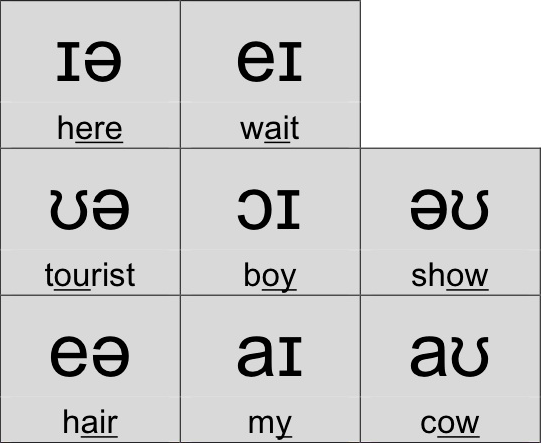
- 13there are: -three ending in ɪ (eɪ, aɪ, ɔɪ) - two ending in ʊ (əʊ, aʊ) -three ending in ə (ɪə, eə, ʊə).