
Flashcards
ARTH2211-02 Test #1 Study Guide
Flashcards do conjunto (54)
- 1Stelea carved stone slab erected to commemorate a historical event or, in some cultures, to mark a grave
- 2Fertile Crescent“the land between the [Tigris and Euphrates] rivers.” The foothills surrounding the Mesopotamian valley form a huge arc from the mountainous border between Turkey and Syria through Iraq to Iran’s Zagros Mountains
- 3Cuneiforma group of wedge-shaped signs read from top to bottom and right to left
- 4Innanathe Sumerian goddess of love and war. Later known as Ishtar, she was the most important female deity in all periods of Mesopotamian history.
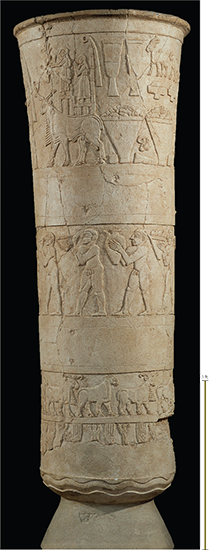
- 5Hieraticgreater height of the priest-king and Inanna (or her priestess) compared with the offering bearers indicates their greater importance
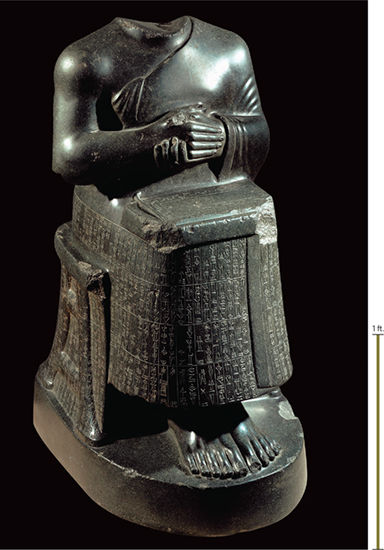
- 6Dioritea rare and costly dark stone that had to be imported from present-day Oman. Diorite is also extremely hard and difficult to carve.
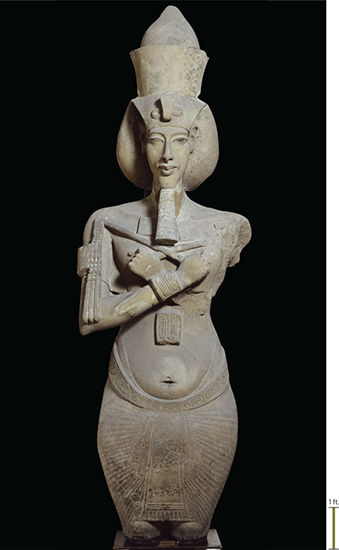
- 7Amarnabrief heretical episode of Akhenaton, retains the standard frontal pose of traditional royal portraits. But the effeminate body is a far cry from the heroically proportioned figures of the pharaoh’s predecessors
- 8canopic jarsTlungs, liver, stomach, and intestines were thought to be the most subject to decay, and wrapped them individually and placed them in four containers known as canopic jars for eventual deposit in the burial chamber with the corpse.
- 9cannonA rule (for example, of proportion).
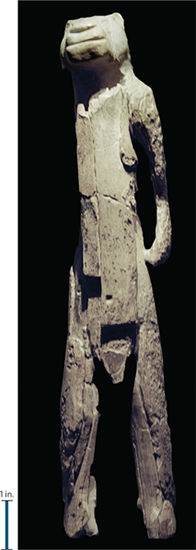
- 10—Human w/feline head, Germany, 30,000-28,000 BC
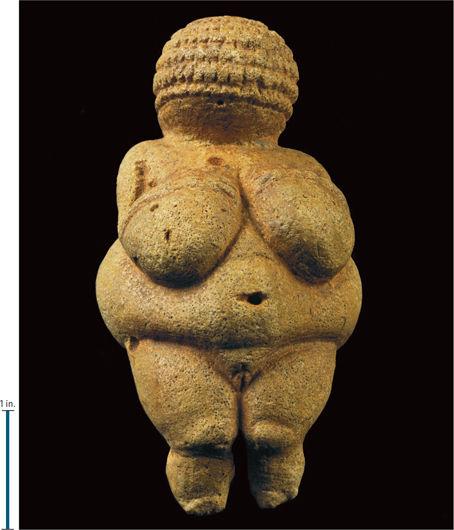
- 11—Venus of Willendorf, Willendorf, Austria, 28,000-25,000 BC
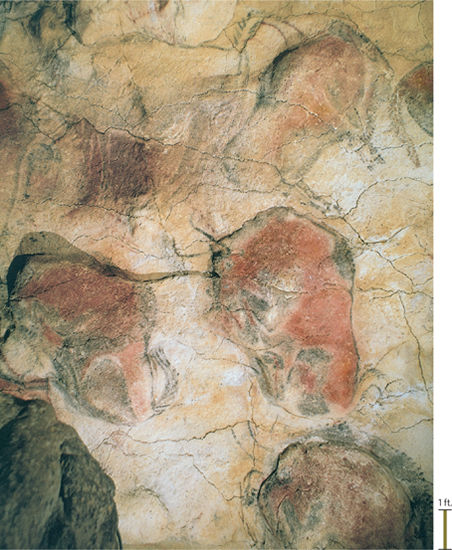
- 12—Bison, Altamira Caves, Spain, 12,000 BC
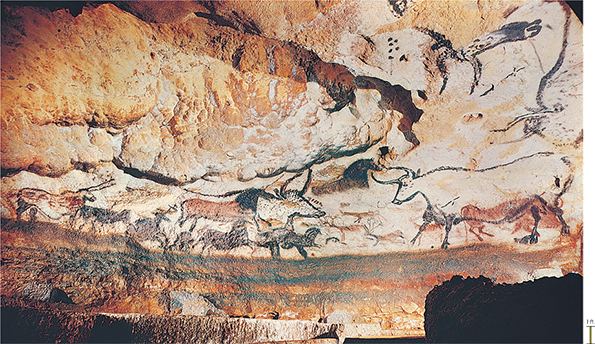
- 13—Hall of the Bulls, Lascaux, France 15,000-13,000 BC
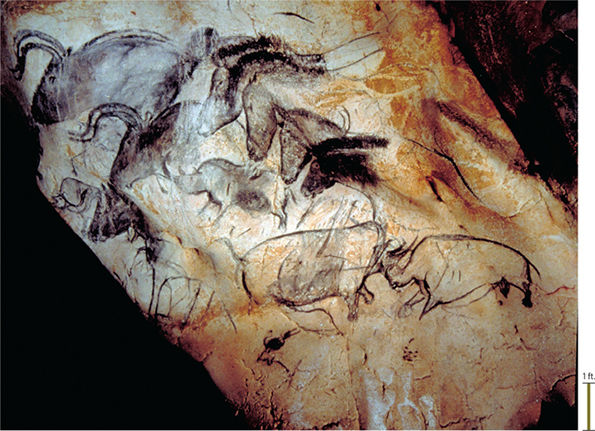
- 14—Horses and Rhinoceros, Chauvet, France, 30,000-28,000 or 15,000-13,000 BC
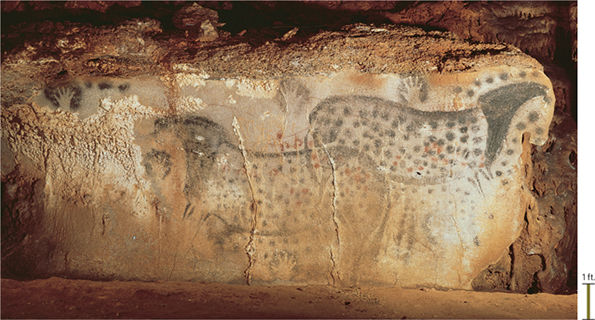
- 15—Spotted Horses and negative hand prints, Pech-Merle, France, 22,000 BC
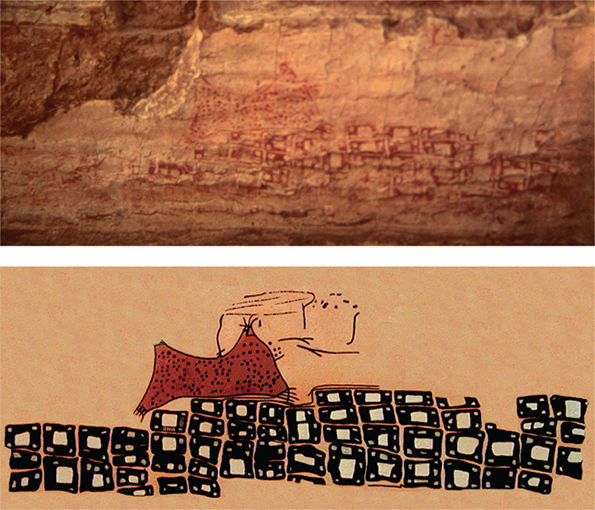
- 16—Landscape with Volcanic Eruption, Catal Hoyuk, Turkey, 6,150 BC
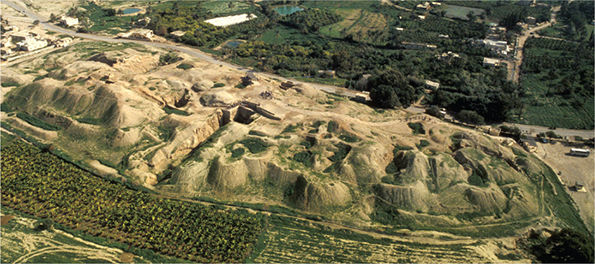
- 17—Stone Tower, Jericho, 8,000-7,000 BC
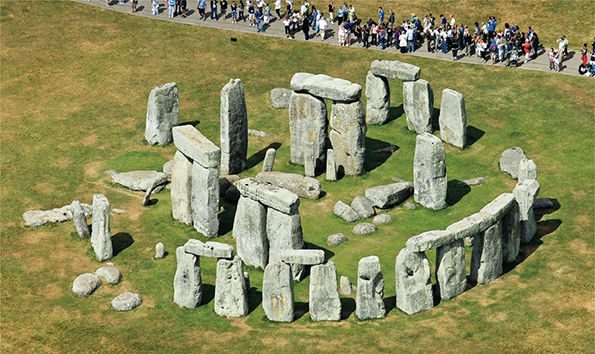
- 18—Stonehenge, Salisbury, England, 2550-1600 BC
- 19—Warka Vase, Uruk, c. 3200–3000 BC
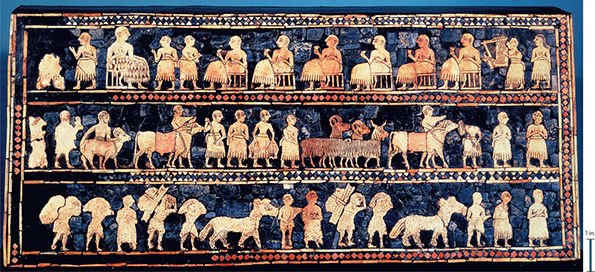
- 20—Standard of Ur, War side 2600 BC
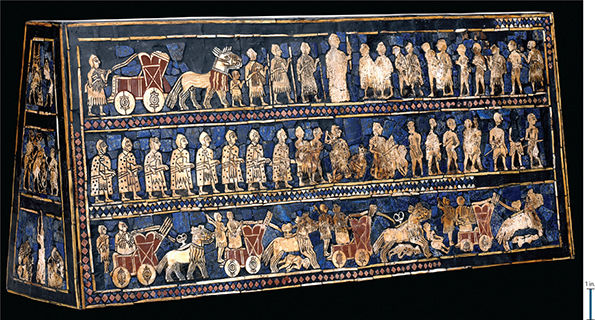
- 21—Standard of Ur, Peace side 2600 BC
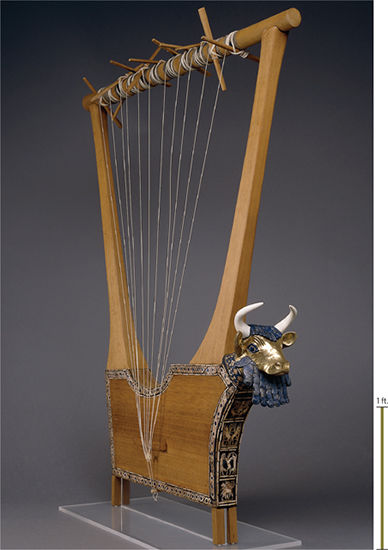
- 22—Great Lyre with Bull’s head 2600 BC
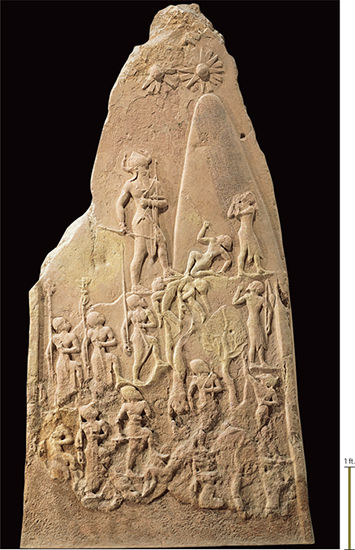
- 23—Stele of Naramsin, 2254–2218 BC
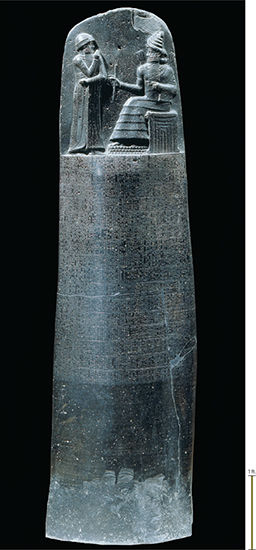
- 24—Stele of Hammurabi, ca. 1780 BC
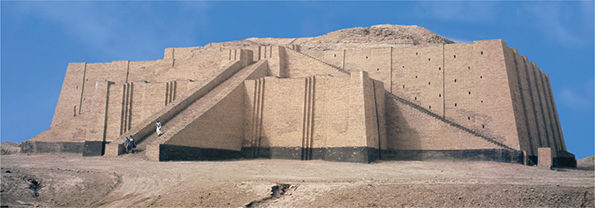
- 25—Ziggurat, Ur, ca. 2100 BC
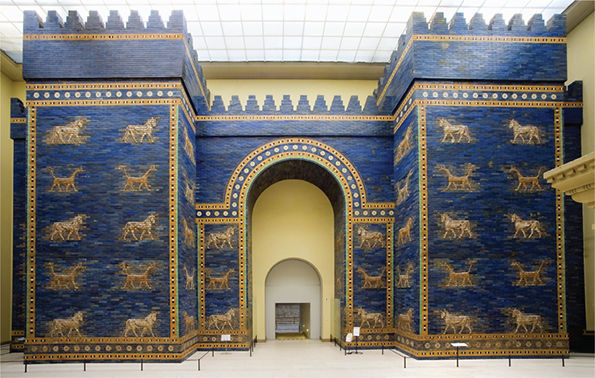
- 26—Ishtar Gate, c. 575 BC
- 27—Gudea, ca. 2100 BC
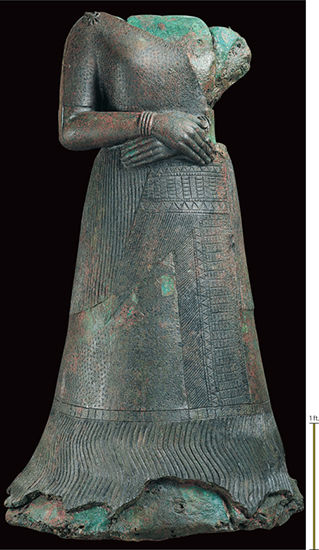
- 28—Queen Napir-Asu, ca. 1350–1300 BC
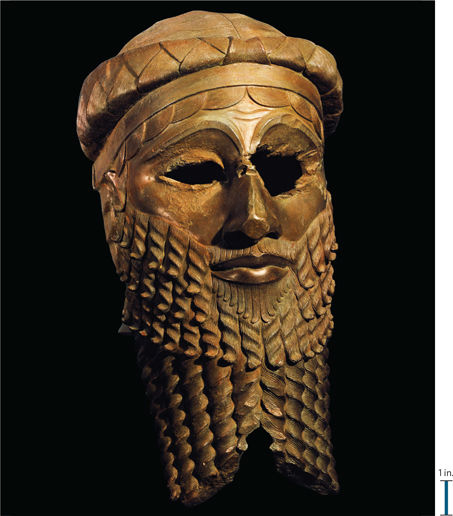
- 29—Head of Akkadian ruler, ca. 2250–2200 BC
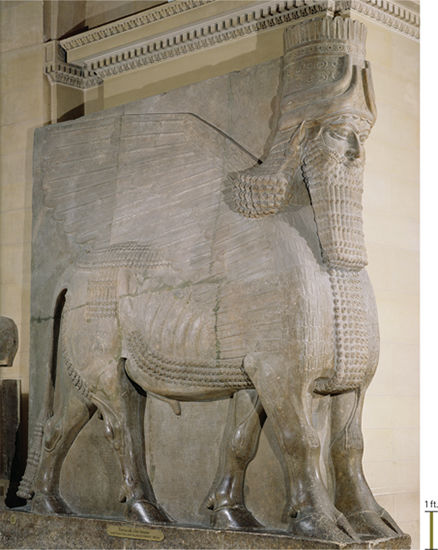
- 30—Lamassu, Sargon II, c. 720–705 BC
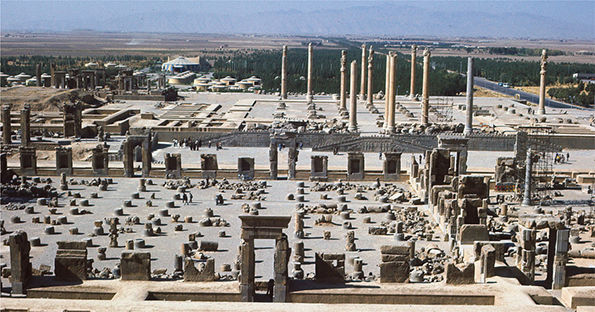
- 31—Persepolis, c. 521–465 BC
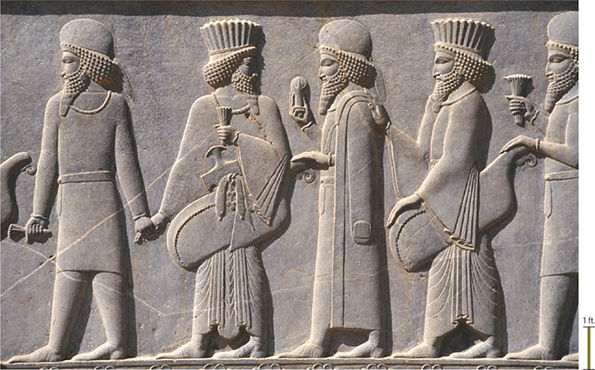
- 32—Processional frieze, c. 521–465 BC
- 33DaricThe Persian daric was a gold coin which, along with a similar silver coin, the siglos, represented the bimetallic monetary standard of the Achaemenid Persian Empire. 4th c BC
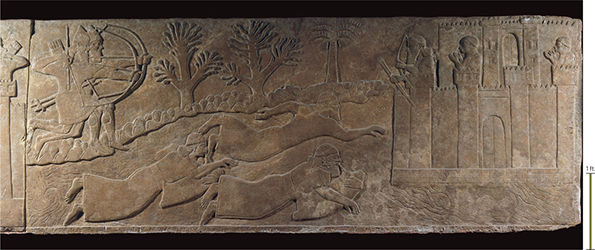
- 34—Ashurbanipal hunting lions, c. 645–640 BC
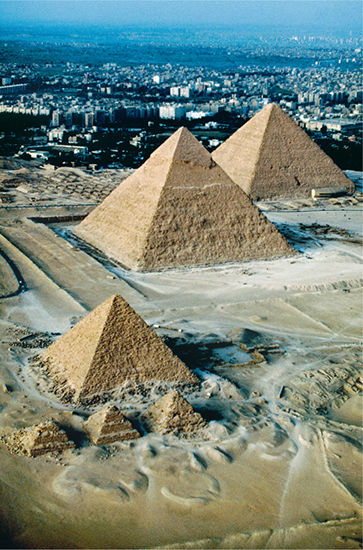
- 35—Great Pyramids Gizha, ca. 2528–24972 BC
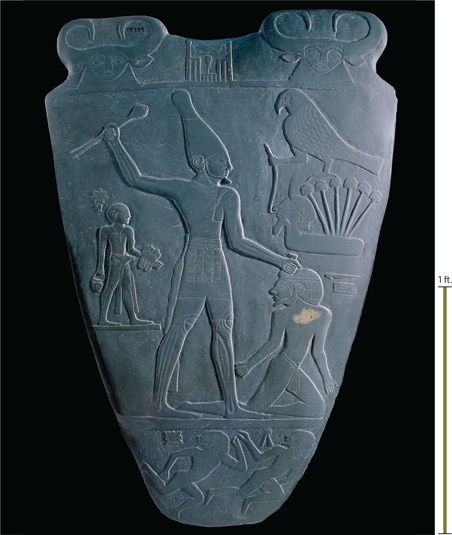
- 36—Palette of King Narmer, 3000-2920 BC
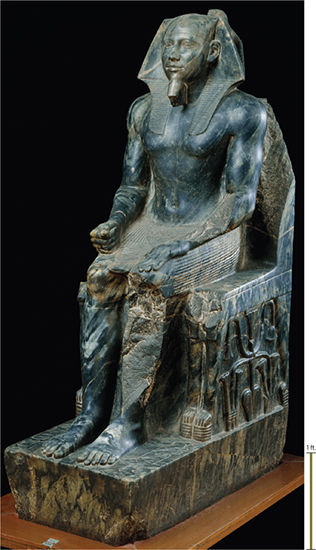
- 37—Khafre, ca. 2520–2494 BC
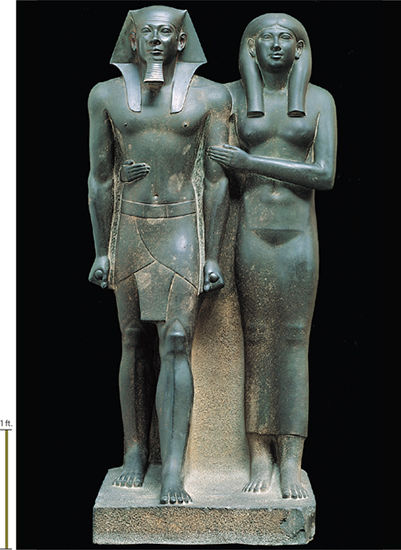
- 38—Menkaure and his wife, ca. 2490–2472 BC
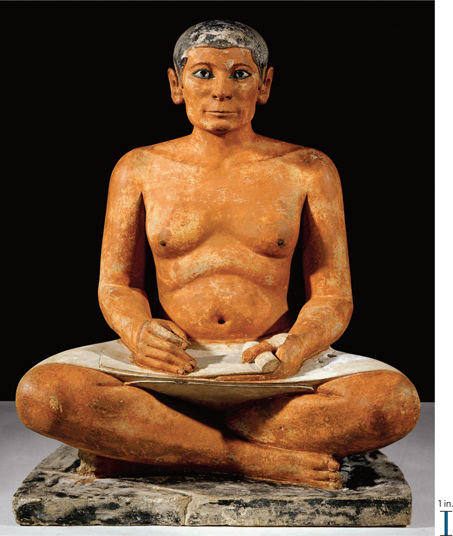
- 39—Seated scribe, ca. 2450–2350 BC
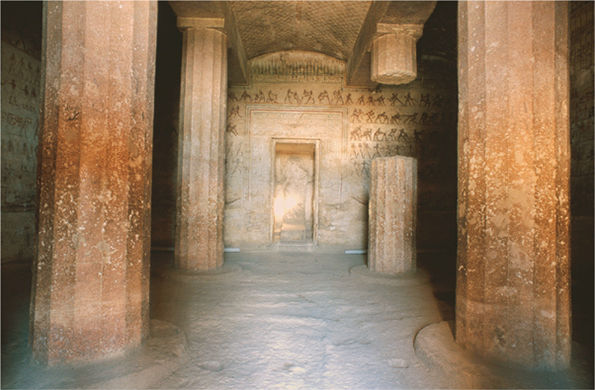
- 40—Rock cut tombs, ca. 1950-1900 BC
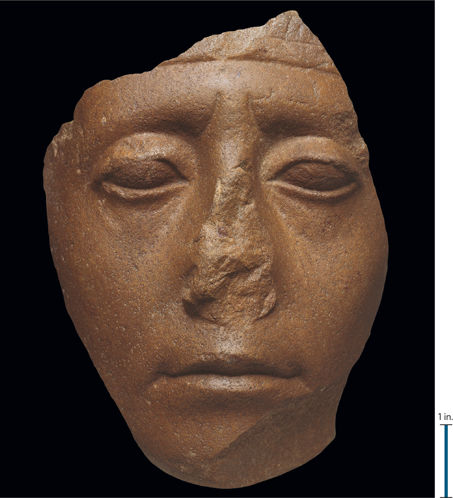
- 41—Head of Senusret III, ca. 1860 BC
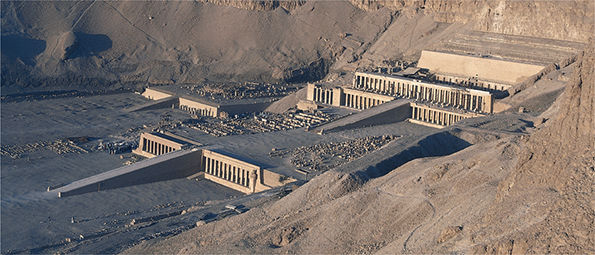
- 42—Temple of Hatshepsut, ca. 1473-1458 BC
- 43—Akhenaton, ca. 1353-1335 BC
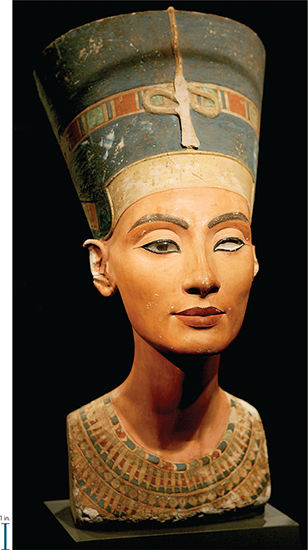
- 44—Bust of Nefertiti, ca. 1353-1335 BC
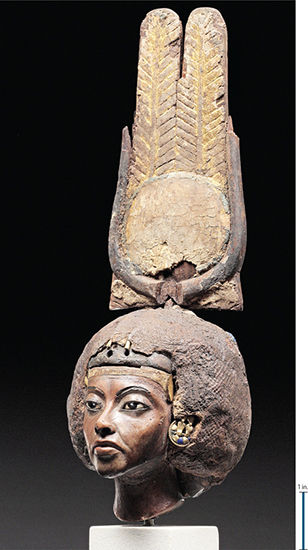
- 45—Portrait of Queen Tiye 1355 B.C.E
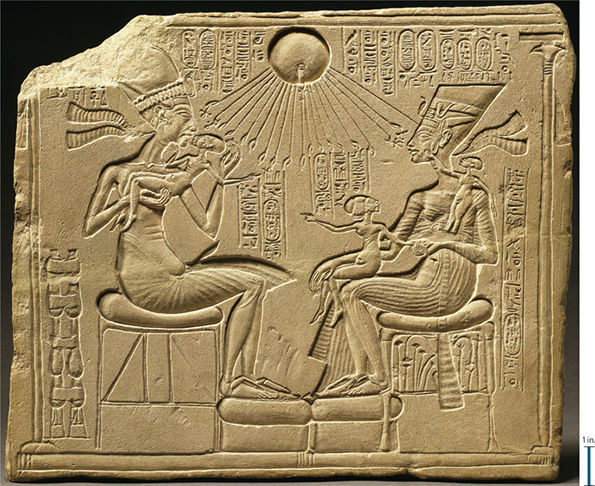
- 46—Akhenaton & Nefertiti, ca. 1353-1335 BC
- 47—Temple of Ramses II, ca. 1290-1224 BC
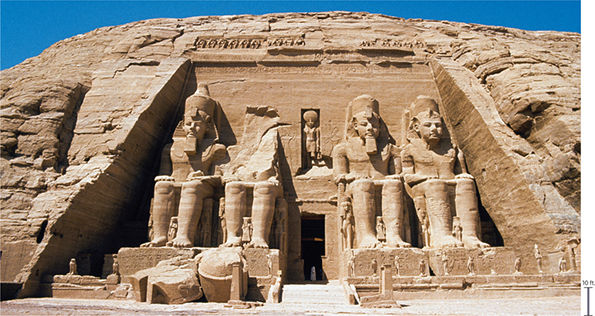
- 48—Temple of Amen-Re, ca. 1290-1224 BC
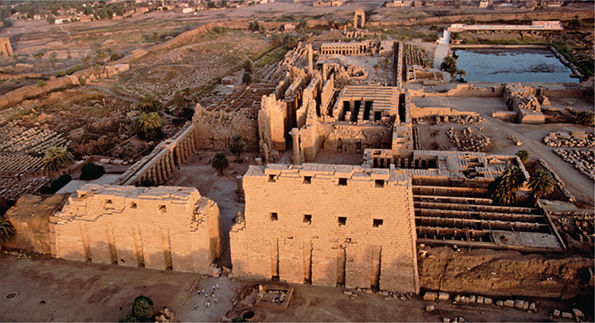
- 49—Temple of Horus, ca. 237-47 BC
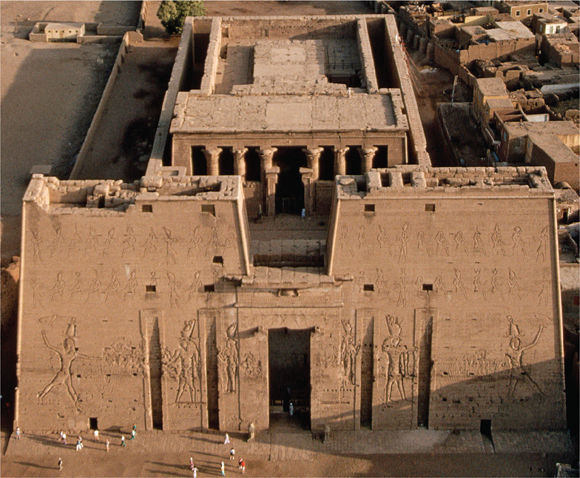
- 50—Tomb of Nebanum, ca. 1400-1350 BC
(Fowling Scene)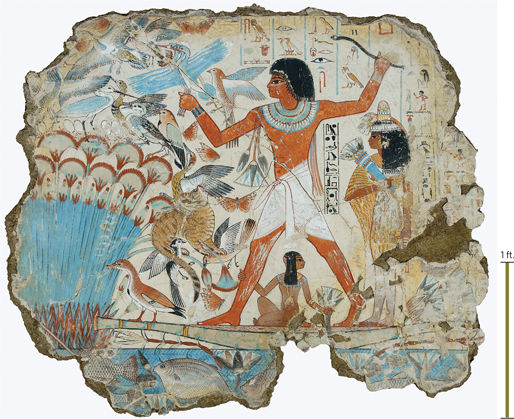
- 51—The Book of the Dead, papyrus scroll, ca. 1290-1280 BC
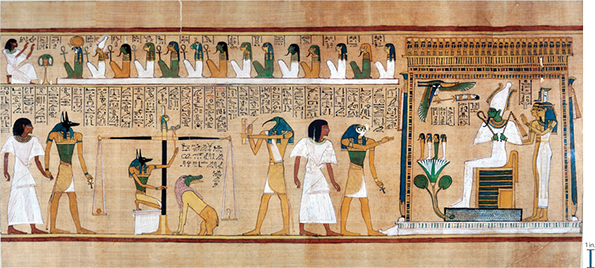
- 52—Tutankhamen: Inner Coffin, 1323 BC
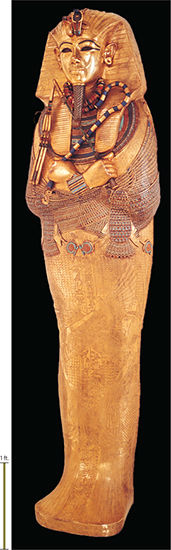
- 53—Tutankhamen: Death Mask, 1323 BC
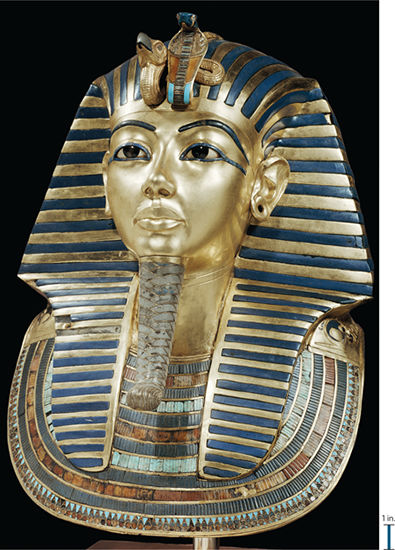
- 54—Tutankhamen: Chest, 1323 BC
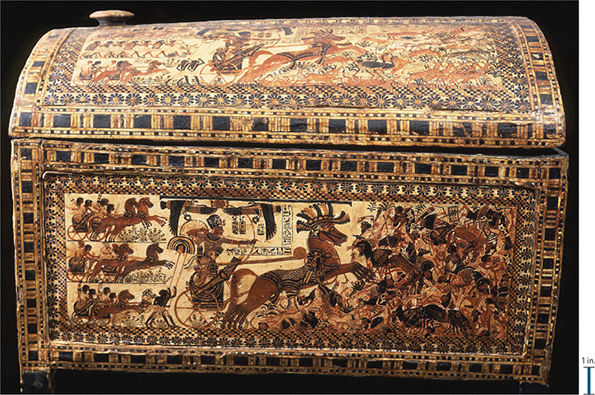
Informações
- Descrição
- Art History Survey 1: ARTH 2211 FlashCards sobre ARTH2211-02 Test #1 Study Guide, criado por Michaela Karshner em 17-09-2018.
- Criado por
- Michaela Karshner
- Visualizações
- 239
- Tags
- Avaliação