
Flashcards
The Rock Cycle
Flashcards do conjunto (87)
- 1Sediments are transported bywind, water, and ice
- 2process of lithificationcompression, compaction, cementing
- 3layers in sedimentary rocksstrata
- 4rocks are broken down into sediments bydenudation (weathering and erosion)
- 5Rocks are destroyed atSubduction zones
- 6Igneous rocks are formed byMagma/lava cools and becomes solid
- 7examples of igneous rocksbasalt, granite, pumice
- 8Sedimentary rocks formSediments (plants, remains of animals, rocks), accumulate, compress, compact, and cement into a solid
- 9examples of sedimentary rockslimestone, shale, sandstone, conglomerate, coal
- 10Metamorphic rock is formed byrocks being changed by great heat and/or pressure
- 11examples of metamorphic rocksmarble, quartzite, gneiss, slate, schist
- 12Types of igneous rocksPlutonic (Intrusive)
Volcanic (Extrusive) - 13Plutonic (intrusive) rockGranite
- 14Granite formswhen magma cools slowly within the Earth's crust
- 15Granite has _____ crystals becauseLarge crystals because the magma cooled slowly
- 16Granite is _______ in textureCoarse
- 17Colour of granite and why it variesThe colour of granite varies from white, grey, pink, to black. It varies because of different percentages of the minerals mica, feldspar, and quartz.
- 18Granite formed ______ million year ago during the ________ foldingsGranite formed 400 million years ago during the Caledonian foldings
- 19Where can granite be found?The Mourne Mountains Co. Down
The Dublin-Wicklow Mountains - The Leinster Batholith - 20Granite is ______ and ______ and is therefore used for ___________Granite is strong and resistant and is used as a building material
- 21Other uses of graniteKitchen worktops
Fireplaces - 22When granite is weathered it producesClay
- 23Volcanic (extrusive) rockBasalt
- 24Basalt formed whenMagma cooled outside the Earth's crust
- 25Size of crystals in basalt and whySmall crystals (microscopic) because the lava cooled quickly when it was exposed to the elements
- 26Texture of basaltFine-to-medium-grained
- 27Colour of basaltBlack to dark grey
- 28Minerals in basaltFeldspar, quartz
- 29Properties of basalt and what they make it appropriate forHard, resistant
Used for road construction (too dark for buildings) - 30Where can basalt be foundThe Antrim-Derry Plateau --> The Giant's Causeway
- 31Sedimentary rocks form fromThe build up of sediments over millions of years
- 32Process of lithificationAccumulation, compression, compaction, and cementing into solid rock
- 33Layers in sedimentary rockStrata
- 34Horizontal weaknesses in sedimentary rockBedding planes
- 35Vertical weaknesses in sedimentary rocksJoints
- 36Permeability of sedimentary rocksPermeable
- 37examples of organic sedimentary rockslimestone, coal
- 38examples of inorganic sedimentary rockssandstone and conglomerate
- 39Organic sedimentary rocks come fromThe remains of once living organisms e.g. plants and animals
- 40Organic sedimentary rockLimestone
- 41Formation of limestoneLimestone formed on the bed of warm, tropical, shallow seas about 350 million years ago when Ireland lay close to the Equator (Carboniferous era)
- 42Process of lithification in limestoneOver time the bodies of dead marine creatures e.g. shells, coral, teeth, skeletons etc. accumulate on the sea floor. The weight of water and the great weight of the water caused compression, compaction, and cementing into solid limestone.
- 43Cement in limestoneCalcium carbonate from shells
- 44Limestone is weathered byCarbonation
- 45Limestone may containFossils as it forms at temperatures that do not destroy fossil remains.
- 46Colour variation in limestone and whyLimestone varies in colour white to grey to black depending on impurities in the water.
- 47Uses of limestoneCement and in construction
- 48Where is limestone found and what kind of landscape is it?The Burren Co. Clare - Karst landscape
- 49ChalkPure white form of limestone
- 50Inorganic sedimentary rocks form fromThe remains of pre-existing rocks e.g. sand, clay, pebbles
- 51Sediments are transported by ______ to _____Sediments are transported by wind, water, and moving ice to lakes, oceans and seas.
- 52Lithification of inorganic sedimentary rocksSediments are compressed, compacted, and cemented under the weight of water and overlying layers
- 53Inorganic sedimentary rockSandstone
- 54Where can sandstone be found in Ireland?The mountains of Munster e.g. Caha
- 55sandstone in Munster is also known asold red sandstone
- 56texture of sandstonecoarse
- 57colour of sandstone and whyred or brown because of the presence of iron oxide
- 58Formation of sandstoneSandstone formed 400 million years ago, when Ireland had a desert type climate. It formed when sand or quartz deposited on land or in water were compressed and cemented together.
- 59Sanstone is porous which meansthat it can hold oil or gas
- 60Uses of sandstonebuilding rock e.g. front of houses and road chippings
- 61Where can sandstone be found?Comeragh mountains Co. Waterford
Magillycuddy's Reeks Co.Kerry - 62ShaleClay compacted
- 63CoalVegetation
- 64mudstonemud
- 65Metamorphic rocks are formedwhen igneous or sedimentary rocks under change due to great heat and/or pressure
- 66Thermal/contact metamorphismWhen heat causes the rocks to change/metamorphose
- 67Types of metamorphismRegional/dynamic
Thermal/contact - 68examples of metamorphic rocksmarble, quartzite
- 69Effects of metamorphism on: hardness colour chemical composition foliationRock is harder than original
Colour may change due to the effect of heat
Mineral crystals may be rearranged to form foliated metamorphic rock e.g. gneiss
Heat and pressure may cause the rock minerals to recombine to form different minerals in the metamorphic rock. - 70Sandstone that changed due to great heat and pressureQuartzite
- 71The spaces between the grains of quartz are filled with _____ from ______The spaces between the grains of quartz are filled with silica from magma
- 72Permeability of sandstoneThe silica and quartz re packed very tightly together making quartzite very resistant to erosion.
- 73Colour of quarzitelight-coloured rock, often white
- 74Where can quartzite be found?The peaks of mountains such as Croagh Patrick Co.Mayo and the Sugarloaf Co.Wicklow
- 75Uses of quartzite and whyIt is a hard rock and is therefore used for road surfacing
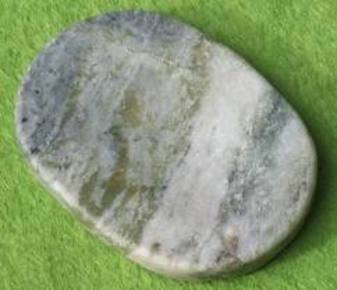
- 76When limestone is changed by heat and/or pressure the resulting rock isMarble
- 77Properties of marbleHard, crystalline rock
- 78Colours of marble and where they can be foundGreen (Connemara), white (Rathlin Island Co. Antrim), red (Cork),
- 79White marble comes fromPure limestone changing in composition
- 80What causes marble not to be pure white and give examplesImpurities e.g. clay, silt, sand, iron oxides
- 81Uses of marbleMarble can be cut and polished and used for kitchen worktops, gravestones, ornaments, fireplaces, and building materials (extracting for building materials by quarrying)
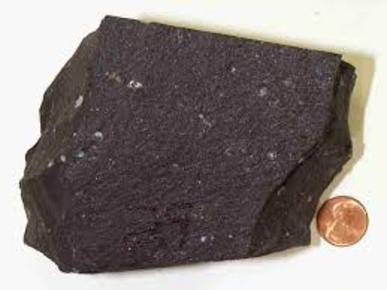
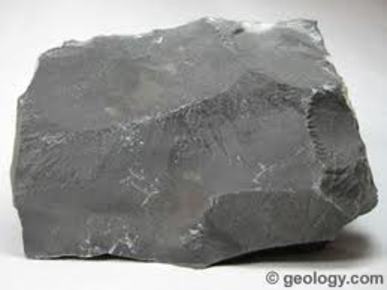
- 82—Basalt
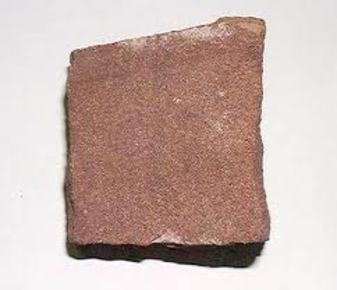
- 83—Sandstone
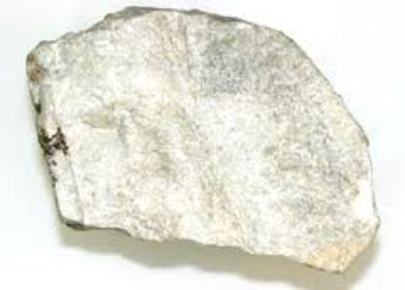
- 84—Quartzite
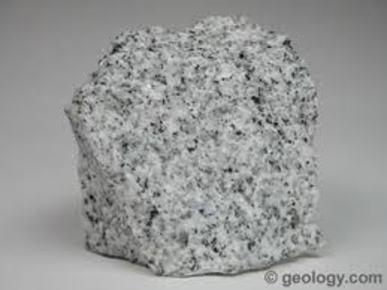
- 85—Granite
- 86—Limestone
- 87—Marble
Informações
- Descrição
- The Rock Cycle
- Criado por
- eimearkelly3 · ago 2013
- Atualizado
- 18 nov 2016
- Visualizações
- 677
- Tags
- Avaliação