
Flashcards
Physics Study Yr9
Flashcards do conjunto (44)
- 1Temperature GradientThe difference in temperature between two substances.
Thermal energy moves from a substance of higher temperature to a substance of lower temperature. - 2What is thermal energy measured in?Joules (J)
- 3What is temperature measured in?Degrees Celsius (C)
- 4What is the difference between temperature and thermal energy?Thermal energy is a type of kinetic energy while temperature is a measure of how hot or cold an object is.
- 5Name the 3 methods of heat transferConvection, conduction and radiation.
- 6ConductionHeat transfer between two solid objects. One substance passes it's kinetic energy on to another.
- 7What is an insulatorA material that does not allow energy to easily flow through it. Does not have 'sea of electrons'.
E.g. Plastic, wood, Rubber, air - 8What is a conductorAny material that electricity can flow through. Have a 'sea of electrons' which allows the kinetic through the material.
E.g. Metals, copper, brass, iron, steel - 9ConvectionA method of heat transfer between fluids (liquids and gases). The hot, highly kinetic particles themselves move.
- 10Convection currentCold particles sinks while warmer particles rise. When they are heated they become less dense and rise, and are replaced by colder more dense particles.
- 11When does convection occur?Seaside - The land is warmer than the sea. The land warms the air above it and it rises. The cold air from above the sea moves in to take the place of the warm air that has risen.
- 12What is the 'Sea of electrons'?The outer electrons for metal atoms drift, and are free to move. When metal is heated this 'Sea of electrons' gain kinetic energy and transfer it throughout the metal.
- 13Which method of heat transfer doesn't require particles?Radiation
- 14Which methods of heat transfer do require particles?Conduction and convection
- 15RadiationThe transfer of energy across space or through another substance without heating it. Uses Infra-red waves. Travels through a vacuum. E.g. the sun
- 16Electromagnetic radiation (EMR)Electromagnetic radiation are waves that carry energy. It includes radio-waves, microwaves, infra-red waves, visible light waves, ultra-violet waves, x-ray and gamma waves.
- 17What happens when radiation meets a substance?It can be absorbed, reflected or transmitted.
- 18What is the electromagnetic spectrum?A way of describing all the different forms of light, including the light we see.
- 19Where does Infra-red radiation sit on the EMS?With frequencies above those of microwaves and just below those of red visible light.
- 20Static electricityIs when an object obtains a net charge (positive or negative) on its surface. Objects can become charged due to electrons transferring from one object to another when they rub against each other.
- 21Current electricityIs when charges (electrons) are able to move through a substance like a metal wire in a circuit.
- 22What is an electric circuit?The pathway travelled by electrical energy.
- 23What is a circuit diagram?Represents circuits through symbols.
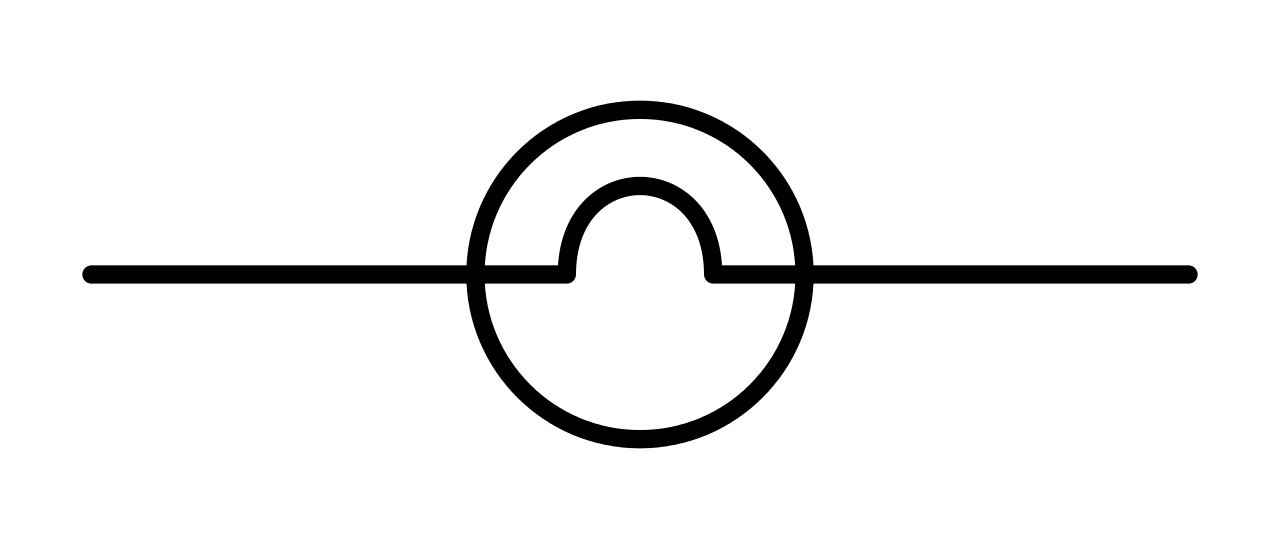
- 24—Light bulb
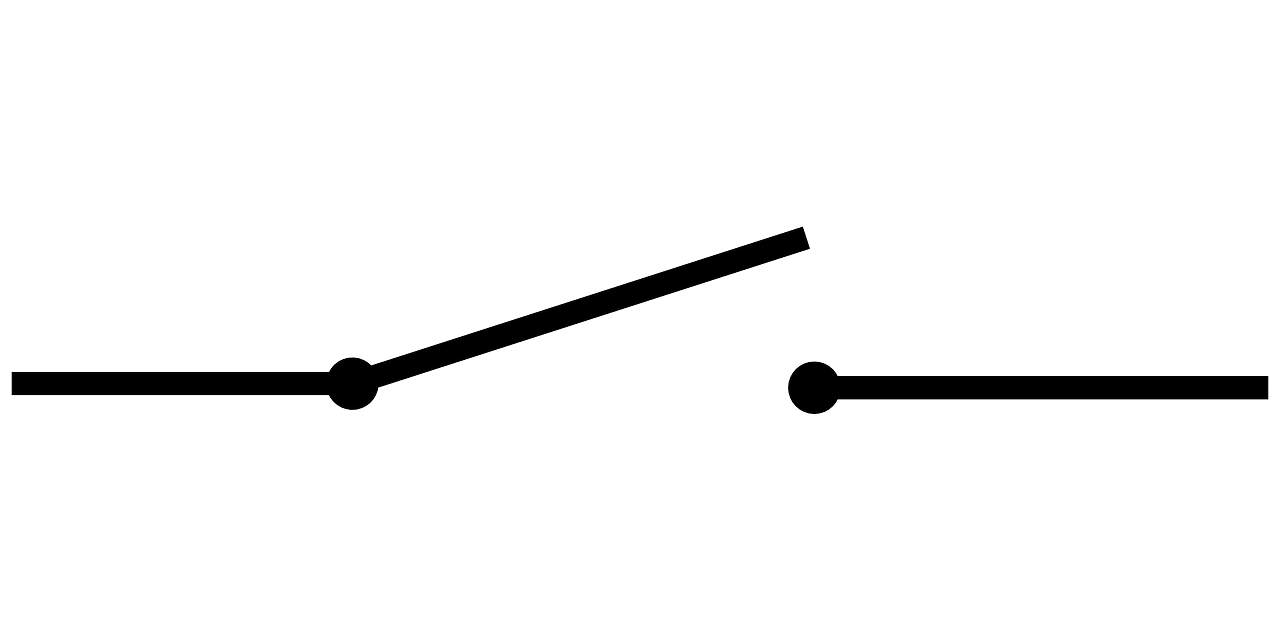
- 25—Switch
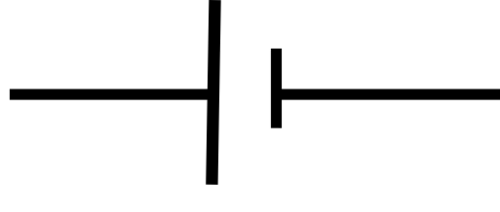
- 26—Cell
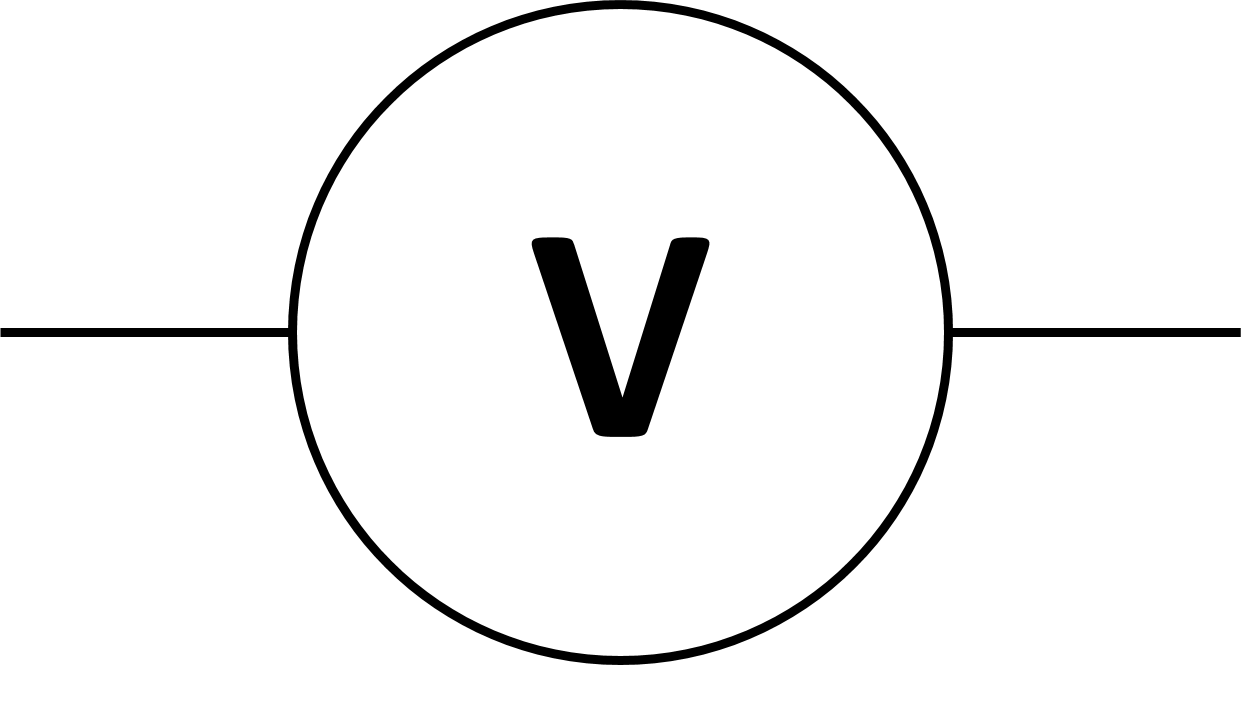
- 27—Voltmeter
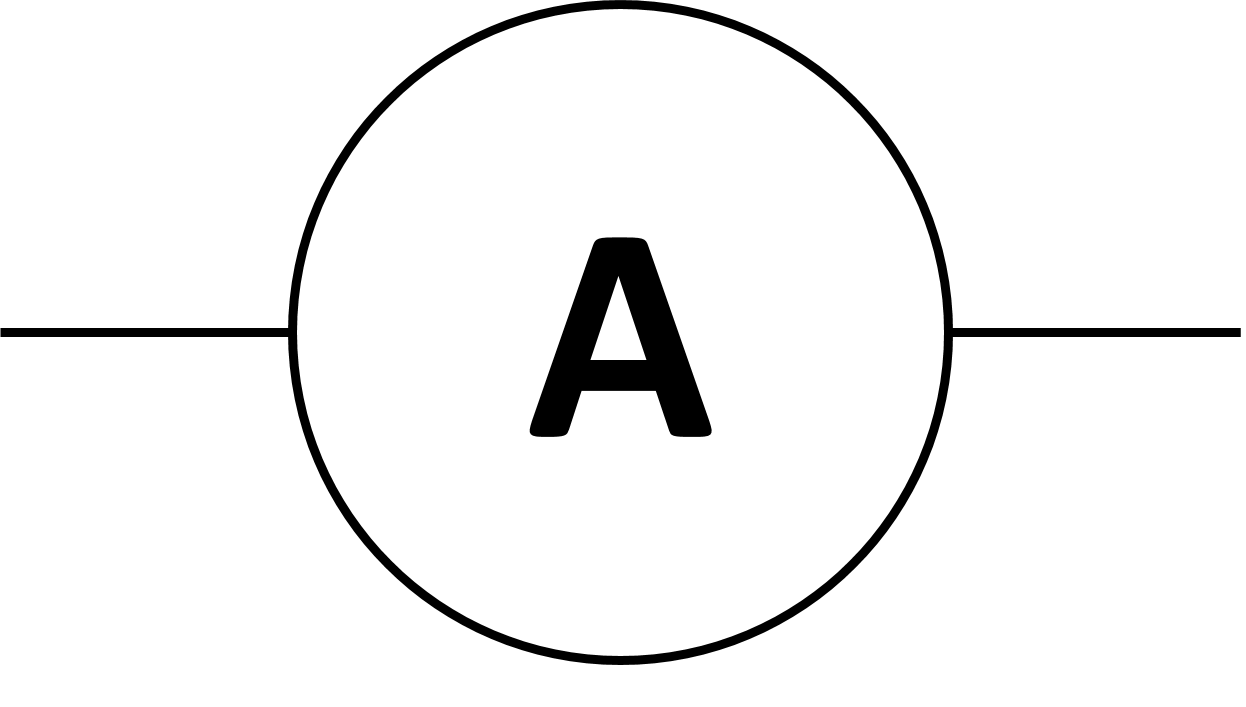
- 28—Ammeter
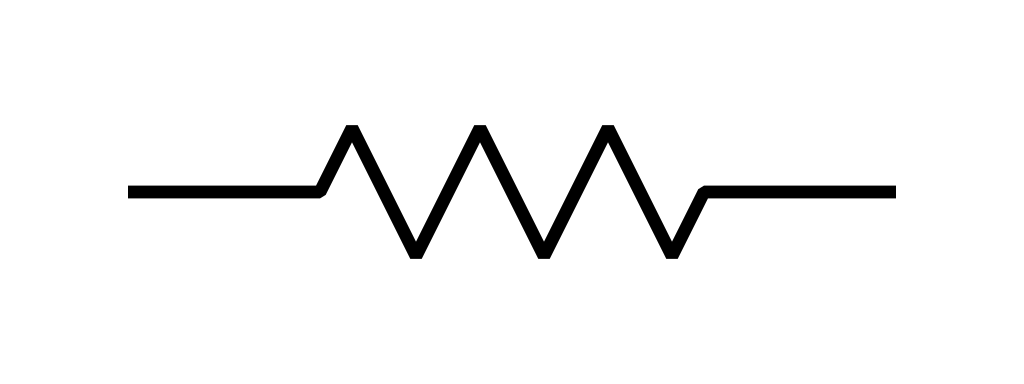
- 29—Resistor
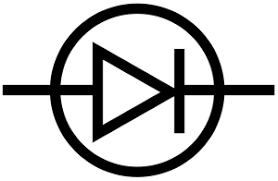
- 30—Diode
- 31What is a series circuit?When the globes are connected side by side so that the current
goes through one globe and then the second. - 32What is a parallel circuit?The circuit has two or more branches and the current splits between the branches and come back together afterwards.
- 33CurrentA value describing the amount of charges passing through a point in a given second. Measured in Amps (A).
- 34ResistanceA value describing how much a circuit resists the passage of current through it. Measured in ohms (Ω).
- 35VoltageA value describing how much energy is lost by a current travelling around a circuit. The potential difference. Measured in volts (V).
- 36What is Ohm's Law?Links the current, the resistance and the voltage of a circuit together.
V = I x R - 37What charge does an electron have?Negative
- 38What charge do protons have?Positive
- 39What charge do neutrons have?Neutral
- 40What pairs of charges attract?Unlike charges
Positive - Negative
Negative - Positive - 41What pairs of charges repel?Like charges
Negative - Negative
Positive - Positive - 42What is energy efficiency?A measure of how much energy is transformed into the desired energy type.
- 43What is electrical energy measured in?Electrical energy used in the home is
measured in kilowatt-hours (kWh) - 44How hot does an object have to be to give off radiation?-273°C
Informações
- Descrição
- FlashCards sobre Physics Study Yr9, criado por Caoimhe Pettit em 24-08-2020.
- Criado por
- Caoimhe Pettit
- Visualizações
- 1
- Avaliação