
Mapa mental
Pharmokinetics
Conteúdo do mapa
Pharmokinetics
Routes of drug administration
- Enteral (Oral)
- Advantages: easy to administer, limit the chances of infection in parental administration
- Disadvantages: low bioavailability, absorption is affected by gastrointestinal (GI) environment, slow onset of action
- Parental (eg. IV, IM, SC)
- Advantages: avoids first-pass effect in liver, high bioavailability
- Disadvantages: irreversible, contamination may lead to infections, rapid delivery causes adverse reactions
- Others (eg. Inhalational, Topical
- Enteral (Oral)
Drug dosage forms
- Oral drugs
- Sublingual drugs
- Injectables
- Others (eg. inhalational, topical)
Drug Absorption Process
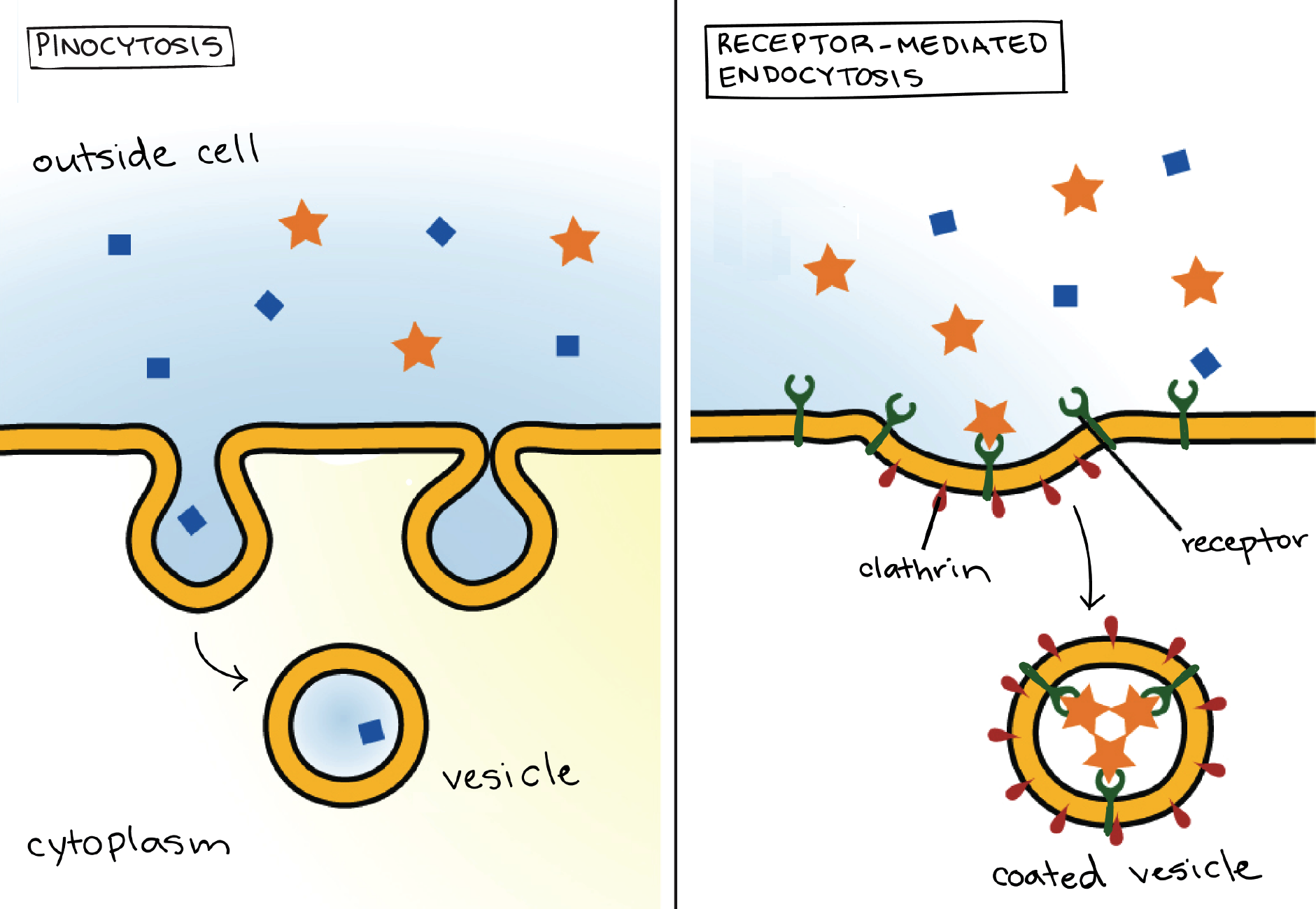
- Mechanisms of absorption
- Endocytosis
- Exocytosis
- Active transport
- Passive diffusion
- Factors affecting absorption
- Drug properties
- Routes of administration
- Blood flow to administration site
- Surface area of absorption
- Dosage forms of drugs
- Drug-drug interaction
- Disease status of the patient
- Mechanisms of absorption
Drug Distribution Process
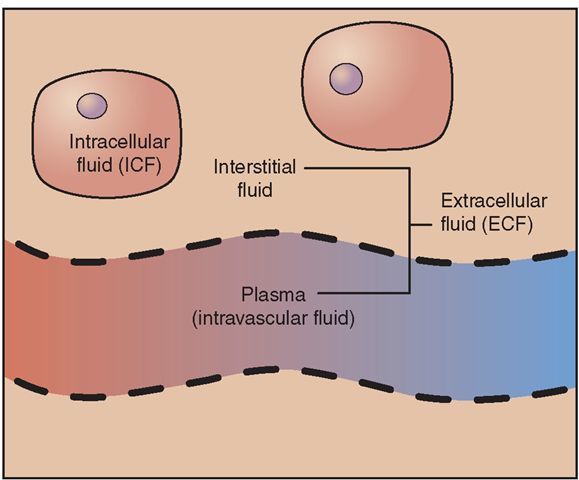
- Major compartments in the body
- Plasma
- Plasma drug concentration
- Measure the total amount of drug in plasma (bound+unbound)
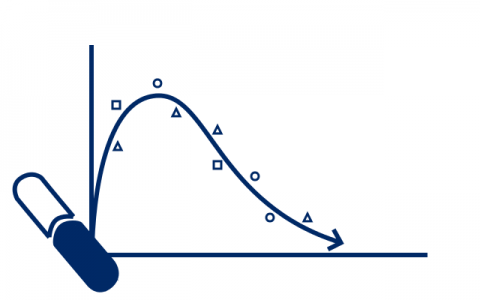
- Plasma drug concentration under the curve
- Factors affecting plasma drug concentrations
- Route of drug administration
- Mechanisms of ADME
- Time of sampling
- Solubility of the drug
- Plasma drug concentration
- Extracellular space
- Drug crosses the capillary bed and into the interstitial fluide
- Cells/tissues
- Highly lipid soluble drugs are able to cross cell membranes
- Plasma
- Major compartments in the body
Drug BiotransformationProcess
- Main purposes
- Inactivate drug
- Converting drugs to water-soluble form for elimination by the kidneys
- Phase I
- Convert parent drug to a more polar metabolite
- Cytochrome P-450 used as a major enzyme
- Phase II
- Reaction of incorporated functional group in phase I with endogenous substrates to form highly polar conjugate that is eliminated by the kidney
- Convert parent drug to a more polar metabolite
- Factors affecting biotransformation
- Genetic differences
- Liver diseases
- Age
- CYP enzyme induction/inhibition
- First pass effect
- Endotracheal Cycling
- Main purposes
Drug Excretion Process
- Routes of excretion
- Renal
- Filtration process
- Secretion process
- Reabsorption process
- Factors affecting renal excretion
- Urine pH
- Urine flow rate
- Plasma protein binding
- Competition for active tubular secretion
- State of renal function
- Fecal
- Lung
- Milk
- Sweat saliva tears
- Renal
- Routes of excretion
Various pharmacokinetic parameters
- Bioavialability (F)
- Fraction of chemically unchanged drug (%) that reaches the systemic circulation by any route
- F= AUC (oral) / AUC (IV) X 100%
- Volume of distribution (Vd)
- Hypothetical volume of body fluid into which the absorbed drug is disseminated (if it were uniformly distributed)
- Vd = total amount of drug in the body(mg) / drug blood plasma concentration[(mg/ml)
- Clearance (Cl)
- A measure of the capacity of the body to remove a drug
- Cl = Rate of elimination(mg/ml) / C(mg/ml)
- Half-life (t1/2)
- Time required for concentration of drug to be reduced by half
- Loading dose (DL)
- A single dose required to achieve desired plasma drug concentration (Cp, desired)
- F x DL = Vd x Cp, desired
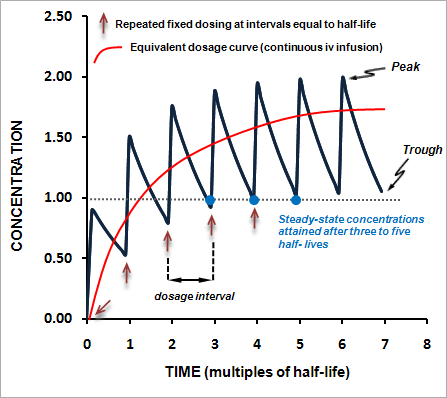
- Steady-state plasma concentration (CSS)
- Repeated dosing of a drug at regular intervals, the plasma concentration increases until a steady state is reached
- Bioavialability (F)
Imagens e arquivos do mapa
Informações
- Descrição
- Mapa Mental sobre Pharmokinetics, criado por Ray Lim em 21-11-2017.
- Criado por
- Ray Lim
- Visualizações
- 11
- Avaliação