
Mapa mental
Norman Castles - Military fortresses or Status symbols?
Conteúdo do mapa
Norman Castles - Military fortresses or Status symbols?
What was new about Norman castles?
- Saxon burgh-geats
- Built by thegns
- e.g. Goltho in Lincolnshire
- Key features
- Defensive ditches
- Earth bank
- palisade on top
- gate houses
- used to show status - bigger = more important
- wooden buildings inside to live in
- NOT called castles
- Norman word
- First castles in England
- Built by Edward the Confessor's Norman friends
- 3 built before 1066
- Richard's Castle, Hereford Castle & Ewyas Castle
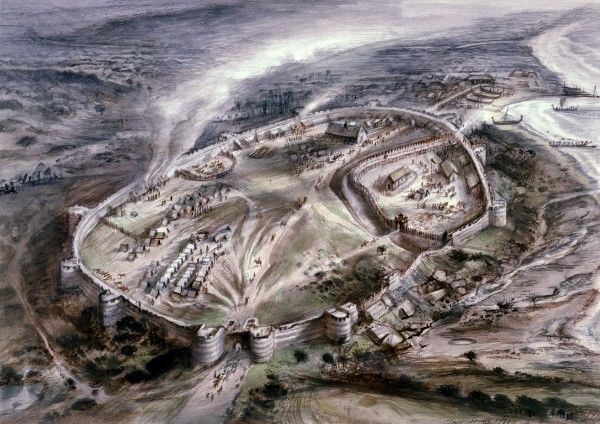
- Motte and Baileys
- Invasion
- Used old Roman fortifications at Pevensey - added an earth bank and palisade in one corner
- no motte
- Built castle at Hastings
- Motte and Bailey
- Shown on the Bayeux Tapestry
- Used old Roman fortifications at Pevensey - added an earth bank and palisade in one corner
- After the Battle of Hastings
- Following battle Will built castles along his route to London - Dover, Newbury, Oxford
- Arrived in London - Started work on T of L
- Saxon burgh-geats
Where were Norman Castles built and what did they look like?
- 1068-1071: The rebellion years
- Castles built in/near places that rebelled
- Warwick
- Nottingham
- York
- Most important city in north
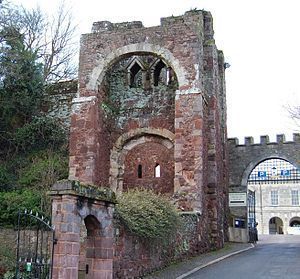
- Exeter - Rougemont
- Castles built to protect road to North
- Lincoln
- Cambridge
- Huntingdon
- Other castle builders
- Robert of Mortain (Will's half brother)
- Montacute Castle
- William FitzOsborn
- Will's BFF
- made Earl of Hereford
- Built castles on border with Wales
- Chepstow Castle
- Stone castle
- Chepstow Castle
- Robert of Mortain (Will's half brother)
- What were the castles like?
- Most motte & bailey
- Most made of timber
- Some just 'ringworks'
- Pevensey
- Few made of stone
- Chepstow, TofL
- Approx 35 Castles built
- Way less than after rebellions were over
- Castles built in/near places that rebelled
- 1071-1087: After the rebellions
- Approx 500 castles built
- Way more than when rebellions were happening
- Most built by Norman barons & knights not by king
- Nearly all built in countryside
- little military finction so just for status?
- Approx 500 castles built
- 1068-1071: The rebellion years
What were castles for?
- Military
- Castles built near places of rebellion - Exeter, York
- Castles were built by Norman knights to intimidate peasants and keep control
- Biggest concentration of castles is on the Welsh-English border
- Little jewellery found in excavations = military
- e.g. Hen Domen in Wales
- Historians disagree - interpretations
- Traditional interpretations
- All about defence
- Revisionist interpretations
- More about status
- Recent interpretations
- Mainly about defence - some use as status symbols
- Traditional interpretations
- Status
- 80% built in countryside - not strategic positions
- At Castle Acre in Norfolk created a deer park and diverted a Roman road to give good views
- Gatehouses often looked like those in Saxon bughs (e.g. Exeter) which were built for status
- Military
The Tower of London
- The Keep - The White Tower
- Entrance on 1st floor
- Wooden staircase could be removed
- King's apartments on 2nd floor
- Fake windows on 'top floor' hide a walkway for patrolling soldiers
- Entrance on 1st floor
- Dates
- Begun between 1075 and 1079
- Finished after William's death in 1087
- Built on site of existing Roman defences
- River provides protection
- Originally built in wood - developed over time
- The Keep - The White Tower
Imagens e arquivos do mapa
Informações
- Descrição
- GCSE Norman Conquest Mapa Mental sobre Norman Castles - Military fortresses or Status symbols?, criado por Tom Lea em 18-04-2018.
- Criado por
- Tom Lea
- Visualizações
- 665
- Tags
- Avaliação