
Mapa mental
Basic resuscitation
Conteúdo do mapa
Basic resuscitation
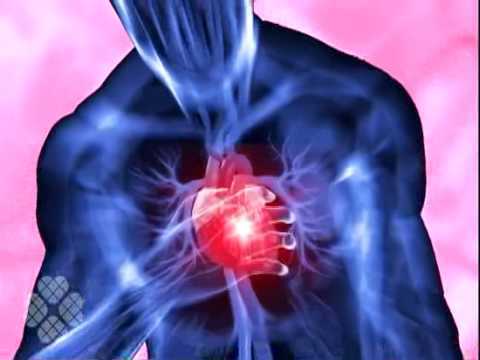
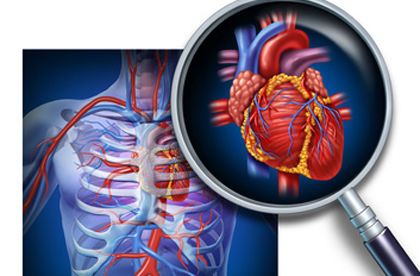
Cardiorespiratory arrest (CRP) is, for years, one of the main health problems that countries face.
- This is responsible for more than 60% of deaths from ischemic heart disease
- It is the greatest medical emergency and is reversible if the patient is resuscitated correctly and in the shortest possible time.
- This is responsible for more than 60% of deaths from ischemic heart disease
Conceptualization
- Cardiorespiratory arrest
- It is the global cessation of circulation (cardiac mechanical activity) in an individual in which his death should not be expected at that time and is diagnosed by the absence of neurological response.
- Does not respond to the call
- Does not move
- Does not breathe
- It has no pulse
- It is almost always a consequence of previous diseases of the heart that electrically produce a ventricular fibrillation (VF) that is a chaotic rhythm
- It is the global cessation of circulation (cardiac mechanical activity) in an individual in which his death should not be expected at that time and is diagnosed by the absence of neurological response.
- Respiratory faliure
- It is the absence of respiratory movements (apnea), but the pulse is present.
- Clinical death
- Apnea plus total cardiac arrest.
- Cardiac death.
- To establish this condition it is necessary to detect an intractable electrical asystole (flat line) for at least 30 minutes despite advanced resuscitation and optimal advanced treatment.
- Brain death
- It has clinical, electroencephalographic criteria
- Cardiorespiratory arrest
Basic cardiopulmonary resuscitation (RCPC)
- They are all the maneuvers performed to restore an efficient oxygenation and circulation in an individual in PCR.
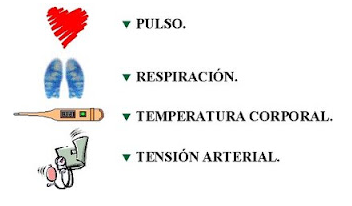
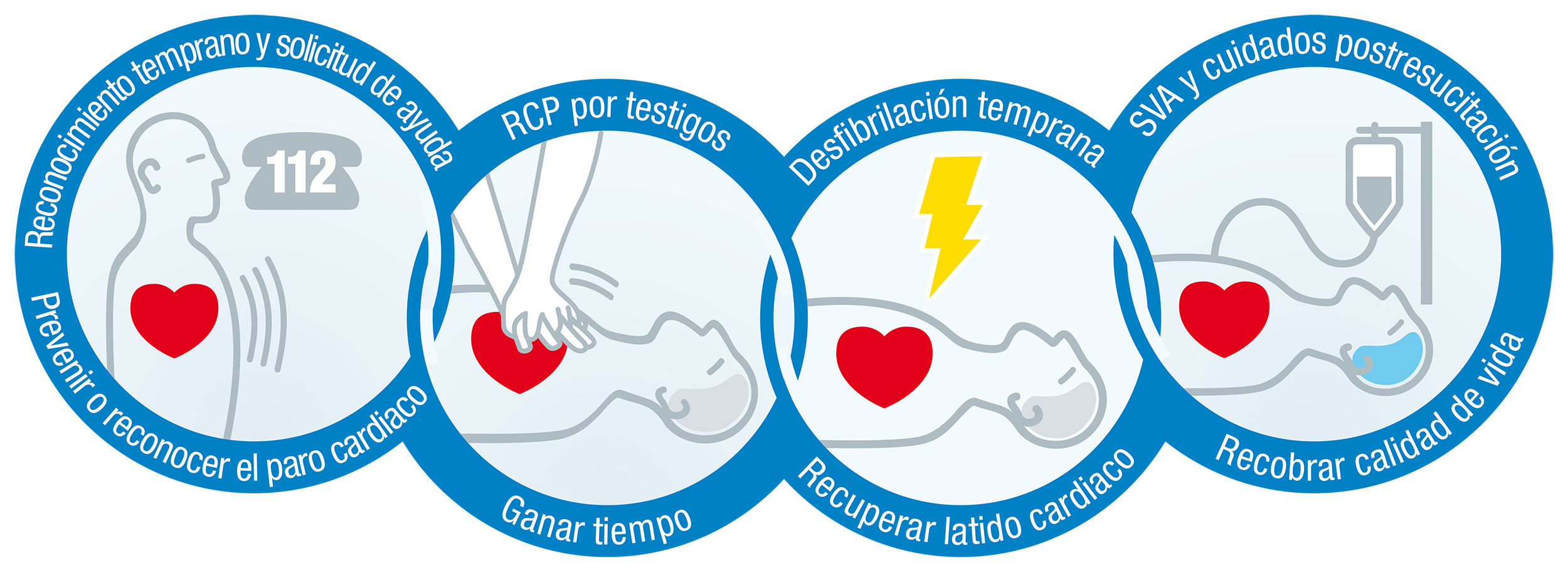
- The RCPC includes a series of steps (ABC of life support) in waterfall that speed up the quick recognition of the main vital signs.
- STEPS (ABC) OF THE RCPC.
- A-A: Airways.
- A-1: Open the airways and assess their permeability.
- A-2: Cleaning and unblocking if necessary.
- B-B: Breathing or ventilation.
- B-1: Evaluate breathing (MES maneuver for 10 seconds).
- B-2: Give 2 rescue breaths to check permeability and oxygenate (if obstruction move to A-2).
- C-C: Circulation.
- C-1: Evaluate circulation (central pulse for 10 sec.).
- C-2: Start heart compressions if there is no pulse, rhythm and frequency according to age.
- A-A: Airways.
- Three conditions can be considered in which there is no justification from the scientific point of view.
- CRA represents the terminal stage of an incurable chronic disease.
- We do not have the opportunity to establish nervous functions higher, as in the case of traumatic destruction of the brain.
- In the attention to massive accidents, resuscitation to patients with cardiorespiratory arrest is not the first priority if there are other victims to attend and few human resources are available.
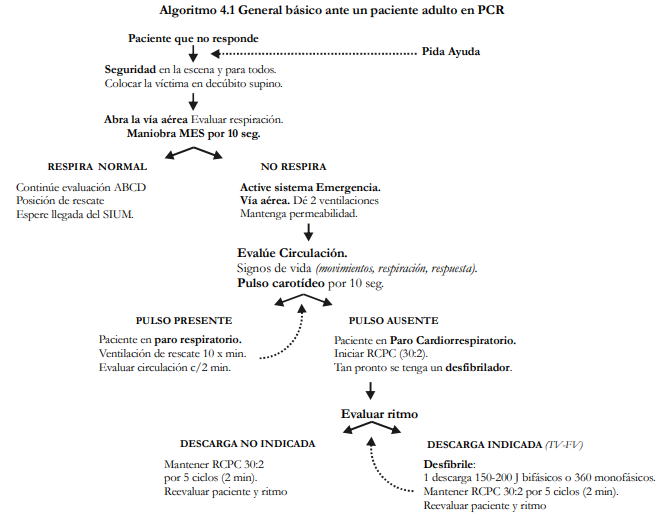
The steps to follow are expressed in the general algorithm Basic to an adult patient in PCR.
- Explanation
- Manage the airway
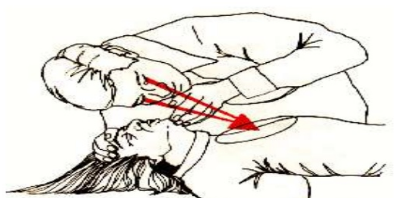
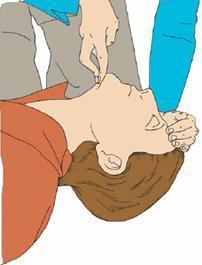
- OPEN THE AIRWAY
- Extension of the head and elevation of the chin.
- CHECK BREATHING for 10 sec
- Through the LLF (MES) maneuver
- Look at the chest to see movements.
- Listen to the breath sounds.
- Feel the breath on your cheek
- Through the LLF (MES) maneuver
- OPEN THE AIRWAY
- Check circulation
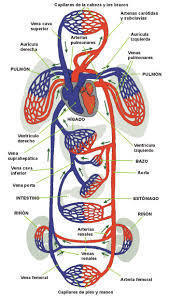
- Determine presence of pulse to determine if the heart is beating (10 seconds) in the carotid region.
- If there is pulse but no breath
- Respiratory failure
- If there is no pulse or breathing
- Cardiorespiratory arrest (CRP)
- If there is pulse but no breath
- Circulatory support
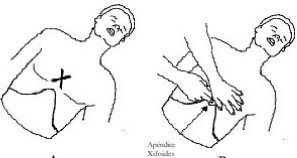
- The area of compressions is located on the sternum, the midpoint of the sternum between the two bases of the nipples in the center of the thorax.
- Periodically check the quality of the compressions with the palpation of the carotid pulse during them. (40 mmHg)
- The technique and the cycles are similar, 5 cycles of 30 compressions for 2 breaths (2 minutes) after which pulse and breathing are verified for 5 sec.
- Periodically check the quality of the compressions with the palpation of the carotid pulse during them. (40 mmHg)
- The area of compressions is located on the sternum, the midpoint of the sternum between the two bases of the nipples in the center of the thorax.
- Determine presence of pulse to determine if the heart is beating (10 seconds) in the carotid region.
- Determine neurological response
- You can call out loud, shake and pinch (if there is trauma, do not shake).
- If the patient responds, leave him in the position found unless he can hurt himself, find out what happened and try to help him.
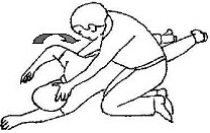
- If the individual does not respond, ask for help, to activate the emergency system or request a defibrillator. Place it in the supine position (face up)
- Support the head and neck on a firm surface, raising the head on the feet could compromise cerebral blood flow.
- Manage the airway
- Explanation
Imagens e arquivos do mapa


Informações
- Descrição
- Mapa Mental sobre Basic resuscitation, criado por Joseph Gomez em 30-09-2018.
- Criado por
- Joseph Gomez
- Visualizações
- 4
- Avaliação