
Mapa mental
Student Guide for Personal Computer Maintenance

Conteúdo do mapa
Student Guide for Personal Computer Maintenance
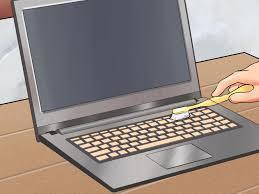
Maintaining your Notebook Computer
- COMPUTERS SHOULD BE MAINTAINED IN A PERFECT STATE BECAUSE IF WE DO NOT MAINTAIN, IT COULD BEGIN GIVING FAILURES LIKE:
- Overall slowness to the system
- Program may crash and fail to open
- There are tool available in Windows designed to optimize the performance of your notebook, as well as prevent problems in the future. In addition, there is software designed to protect your hard drive from viruses
- Configure McAfee VirusScan Enterprise correctly
- Update virus definitions
- Microsoft Windows Updates
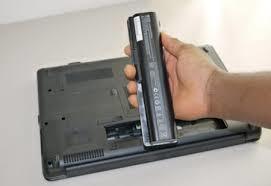
- Discharge the battery for a laptop
- Disk cleanup
- Disk Scan
- Disk Defragmenter
- There are tool available in Windows designed to optimize the performance of your notebook, as well as prevent problems in the future. In addition, there is software designed to protect your hard drive from viruses
- The computer will require restarting
- Overall slowness to the system
- COMPUTERS SHOULD BE MAINTAINED IN A PERFECT STATE BECAUSE IF WE DO NOT MAINTAIN, IT COULD BEGIN GIVING FAILURES LIKE:
McAfee VirusScan Enterprise
- When installed, VirusScan Enterprise is configured to use the detection definitions that were packaged with the product and provide general security for your environment. We recommend that you obtain the latest detection definitions and customize the configuration to meet your requirements
- Update detection definitions. Perform an Update Now task to ensure that you have the most recent detection definitions
- Update detection definitions. Perform an Update Now task to ensure that you have the most recent detection definitions
- Access Protection. Configure access protection rules to prevent unwanted changes to your computer and enable the option to prevent McAfee processes from being terminated
- Buffer Overflow Protection. Enable buffer overflow detection
- Detect intrusions. Configure these features to detect potential threats on your system, then notify you and take action when detections occur
- Detect intrusions. Configure these features to detect potential threats on your system, then notify you and take action when detections occur
- On-Access Scanner. Configure the scanner to detect and take action on potential threats as they are accessed in your environment. Enable scanning of unwanted programs. If you installed the AntiSpyware Enterprise Module, you can also scan for cookies in the cookies folder
- On-Demand Scanner. Configure scan tasks to detect and take action on potential threats in your environment. Enable scanning of unwanted programs. If you installed the AntiSpyware Enterprise Module, you can also scan for cookies in the cookies folder and potentially unwanted spyware-related registry entries that were not previously
- Send alerts and quarantine threats. Configure these features to alert you when detections occur and manage quarantined items
- Alerts and Notifications. Configure how and when you receive detection notifications and alerts. See Configuring Alerts and Notifications for more information
- Quarantine Manager Policy. Configure the location of the quarantine folder and the number of days to keep quarantined items before automatically deleting them
- When installed, VirusScan Enterprise is configured to use the detection definitions that were packaged with the product and provide general security for your environment. We recommend that you obtain the latest detection definitions and customize the configuration to meet your requirements
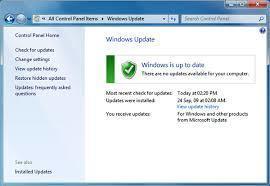
Updating Microsoft Windows
- Running Widows Updates
- Click on Start, then All Programs, and then finally the Windows Update icon at the top of the list.
- Click on Check for Updates. Windows will now check for all available updates for your computer
- If new updates are found, click on Install updates.
- Windows will now download and install all necessary updates for your computer. Give it some time to finish. (This can take a while if there are many updates).
- After you have installed all updates, perform a Windows Update every 2 to 3 weeks to keep your system up to date and enable automatic updating
- Running Widows Updates
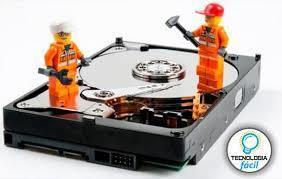
Maintaining the Hard Drive
- Disk Cleanup…
- To keep a PC running smoothly, regular maintenance is critical. The Disk Cleanup Utility can determine which files on your hard drive may no longer be needed and delete those files
- The utility can be accessed in any of the following methods listed below
- Click Start I All Programs I Accessories I System Tools I Disk Cleanup
- Click on Start and search for Disk Cleanup Use the drop down menu to choose the drive you want to clean
- The utility can be accessed in any of the following methods listed below
- When the scan is complete you will be presented with a list of temporary folder and the amount of space used by the each folder
- Select
- Temporary Internet Files
- Recycle Bin
- Temporary files
- Select
- To keep a PC running smoothly, regular maintenance is critical. The Disk Cleanup Utility can determine which files on your hard drive may no longer be needed and delete those files
- Disk Defragmenter
- Disk Defragmenter is used to organize files on the hard drive and optimize free space
- To run Disk Defragmenter, click on Start I All Programs I Accessories I System Tools I Disk Defragmenter.
- order to perform this process
- If your hard drive is partitioned (you have more than one drive), choose which drive you wish to defragment. In most cases, you will select C
- Click on the Defragment disk button to begin the operation
- Click on the Defragment disk button to begin the operation
- When defragmenting begins it will always analyze the hard drive first and then start the defragmentation process
- Disk Defragmenter is used to organize files on the hard drive and optimize free space
- Disk Cleanup…
Maintaining the Battery
- maintaining your battery for maximum performance
- Use the battery as your power source until the low battery warning emerges
- Using your laptop with the AC adapter plugged into an electrical outlet will overcharge the battery
- Condition the battery for maximum performance
- Discharge the battery – use the battery until the low battery warning emerges
- Charge the battery – use the AC adapter until the battery is fully charged
- Then immediately disconnect the AC adapter from the notebook.
- Discharge the battery – use the battery until the low battery warning emerges
- Condition the battery for maximum performance
- Use the battery as your power source until the low battery warning emerges
- maintaining your battery for maximum performance
Imagens e arquivos do mapa
Informações
- Descrição
- Mapa Mental sobre Student Guide for Personal Computer Maintenance, criado por DIEGO FERNANDO CORREA MONTOYA em 09-10-2018.
- Criado por
- DIEGO FERNANDO CORREA MONTOYA
- Visualizações
- 0
- Avaliação