
Mapa mental
Invertebrates Classification
Conteúdo do mapa
Invertebrates Classification
Porifera
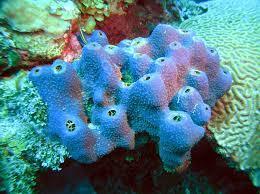
- Multicellularity, asymmetry, incomplete digestive system, diplobastic with two layers; the outer dermal layer and the inner gastral layer, acoelomate, endoskeleton with silica and calcium carbonate, ostia and osculum, spongocoel. Without nervous and circulatory systems. Sexes are not separated, Asexual reproduction by budding or fragmentation and Sexual reproduction by gametic fusion.
- Examples: Sponges.
- Examples: Sponges.
- Multicellularity, asymmetry, incomplete digestive system, diplobastic with two layers; the outer dermal layer and the inner gastral layer, acoelomate, endoskeleton with silica and calcium carbonate, ostia and osculum, spongocoel. Without nervous and circulatory systems. Sexes are not separated, Asexual reproduction by budding or fragmentation and Sexual reproduction by gametic fusion.
Cnidaria
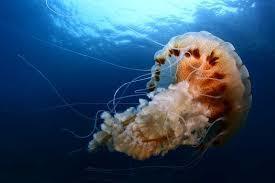
- Single central body cavity, symmetry, incomplete digestive system, diploblastic, cnidoblasts(nematoblasts), tentacles, mouth used as anus(without) and have layers of ectoderm(outer) and endoderm(inner). Without respiratory, circulatory, or excretory organs. Asexual Reproduction(Polyp) by budding and Sexual Reproduction(Medusa) by formation of ova and sperm.
- Examples: Jellyfish and Corals.
- Examples: Jellyfish and Corals.
- Single central body cavity, symmetry, incomplete digestive system, diploblastic, cnidoblasts(nematoblasts), tentacles, mouth used as anus(without) and have layers of ectoderm(outer) and endoderm(inner). Without respiratory, circulatory, or excretory organs. Asexual Reproduction(Polyp) by budding and Sexual Reproduction(Medusa) by formation of ova and sperm.
Platyhelminthes
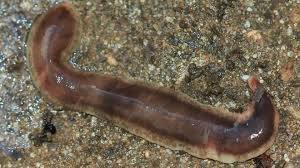
- Cephalization, bilateral symmetry, complete digestive system, mesoderm, triplobastic, acoelomate, mostly parasitic with a few free living, hermaphrodites, primitive nervous system. Without respiratory and circulatory systems. Asexual Reproduction happens by regeneration and fission Sexual Reproduction happens through gametic fusion.
- Examples: Flatworms, tapeworms, and flukes.
- Examples: Flatworms, tapeworms, and flukes.
- Cephalization, bilateral symmetry, complete digestive system, mesoderm, triplobastic, acoelomate, mostly parasitic with a few free living, hermaphrodites, primitive nervous system. Without respiratory and circulatory systems. Asexual Reproduction happens by regeneration and fission Sexual Reproduction happens through gametic fusion.
Nematoda
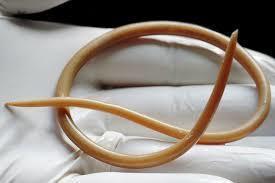
- Pseudocoelom, bilateral symmetry, complete digestive system, excretory system, unsegmented, triplobastic, cover with thick, flexible multi-layer collagenous cutible. Cuticle moulted, Epydermis or hypodermis syncitial, extracellular digestion, chemosensory, sexes are separated, tubular gonads, Amoeboid sperm cells, euteric animals, phytoparasitic or zooparasitic. Only longitudinal wall muscles, no circular body wall muscles, blood vascular and respiratory system are absent.
- Examples: Roundworms.
- Examples: Roundworms.
- Pseudocoelom, bilateral symmetry, complete digestive system, excretory system, unsegmented, triplobastic, cover with thick, flexible multi-layer collagenous cutible. Cuticle moulted, Epydermis or hypodermis syncitial, extracellular digestion, chemosensory, sexes are separated, tubular gonads, Amoeboid sperm cells, euteric animals, phytoparasitic or zooparasitic. Only longitudinal wall muscles, no circular body wall muscles, blood vascular and respiratory system are absent.
Annelida
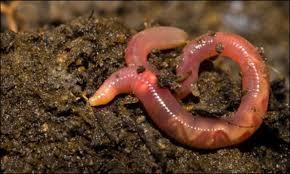
- Long and segmented body, triploblastic, bilateral symmetry, coelomate, body covered within a thin cuticle, exhibit organ system grade of organization, haemoglobin, parapodia and chitinous setae, Excretory and Nervous systems are present; digestive system is complete and developed, respiration through general body surface, true closed circulatory system. Sexes may be separated or united; they are hermaphrodites.
- Examples: Earthworms, leeches and marine worms.
- Examples: Earthworms, leeches and marine worms.
- Long and segmented body, triploblastic, bilateral symmetry, coelomate, body covered within a thin cuticle, exhibit organ system grade of organization, haemoglobin, parapodia and chitinous setae, Excretory and Nervous systems are present; digestive system is complete and developed, respiration through general body surface, true closed circulatory system. Sexes may be separated or united; they are hermaphrodites.
Mollusca
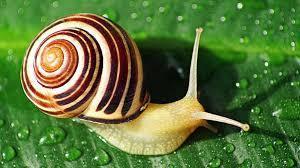
- Triploblastic, bilateral symmetry, body soft and unsegmented, body is divided into 3 regions: head, visceral mass and ventral foot, true coelom, covered by mantle and shell, haemocoel, well development and complex of digestive system; it has radula, nervous, circulatory, respiratory systems. Sexes are separated and reproduction is through sexual reproduction.
- Examples: Snails, clams and squids.
- Examples: Snails, clams and squids.
- Triploblastic, bilateral symmetry, body soft and unsegmented, body is divided into 3 regions: head, visceral mass and ventral foot, true coelom, covered by mantle and shell, haemocoel, well development and complex of digestive system; it has radula, nervous, circulatory, respiratory systems. Sexes are separated and reproduction is through sexual reproduction.
Arthropoda
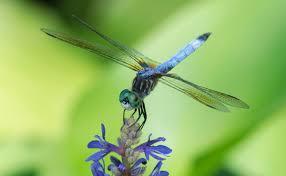
- Triploblastic, bilateral symmetry, jointed limbs, haemocoel, exoskeleton, body segmented into three regions: Head, Thorax, and Abdomen, well-developed central nervous system, compoud eyes and mosaic vision, head well developed and bears the sensory organs and brain, repiration is through general body surface, gills or book lungs, digestive track complete with anus and mouth at opposite ends, open circulatory system with dorsal heart and arteries. Sexes are separated, dimorphism exhibited.
- Examples: Insects, spiders, centipedes and crustaceans
- Examples: Insects, spiders, centipedes and crustaceans
- Triploblastic, bilateral symmetry, jointed limbs, haemocoel, exoskeleton, body segmented into three regions: Head, Thorax, and Abdomen, well-developed central nervous system, compoud eyes and mosaic vision, head well developed and bears the sensory organs and brain, repiration is through general body surface, gills or book lungs, digestive track complete with anus and mouth at opposite ends, open circulatory system with dorsal heart and arteries. Sexes are separated, dimorphism exhibited.
Echinodermata
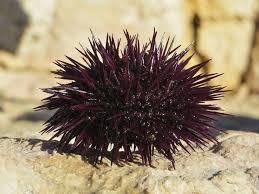
- Triploblastic, larval forms show bilateral symmetry and adult forms radial symmetry, exhibit organ system grade of organization, true coelom, unsegment body, calcareous spicules, disguishes water vascular system, tube feet, brain is absent but a nervous system is present with a nerve ring and radial nerve cords, respiration occurs through tube feet and gills, sense organs are poorly developed. Sexes are separate and lost parts can be regenerated
- Examples: Sea stars, sea urchins, sand dollars and sea cucumber.
- Examples: Sea stars, sea urchins, sand dollars and sea cucumber.
- Triploblastic, larval forms show bilateral symmetry and adult forms radial symmetry, exhibit organ system grade of organization, true coelom, unsegment body, calcareous spicules, disguishes water vascular system, tube feet, brain is absent but a nervous system is present with a nerve ring and radial nerve cords, respiration occurs through tube feet and gills, sense organs are poorly developed. Sexes are separate and lost parts can be regenerated
Imagens e arquivos do mapa
Informações
- Descrição
- Mapa Mental sobre Invertebrates Classification, criado por Natalia Navarrete em 04-11-2018.
- Criado por
- Natalia Navarrete
- Visualizações
- 1
- Avaliação