
Mapa mental
The 18th century
Conteúdo do mapa
The 18th century
1. The Early Modern and Modern Ages
- The 18th century was a period of transition between the Early Modern Age and the Modern Age in Europe.
- Age of transition
- Between: Early Modern Age and Modern Age
- Developments
- The Enlighment
- The supporters of this movement wanted to use reason,science and education.
- More important middle class
- More artisans and merchants
- Rococo and Neoclassical
- Enlightened despotism
- The Enlighment
2. The Enlightment: a change of thinking
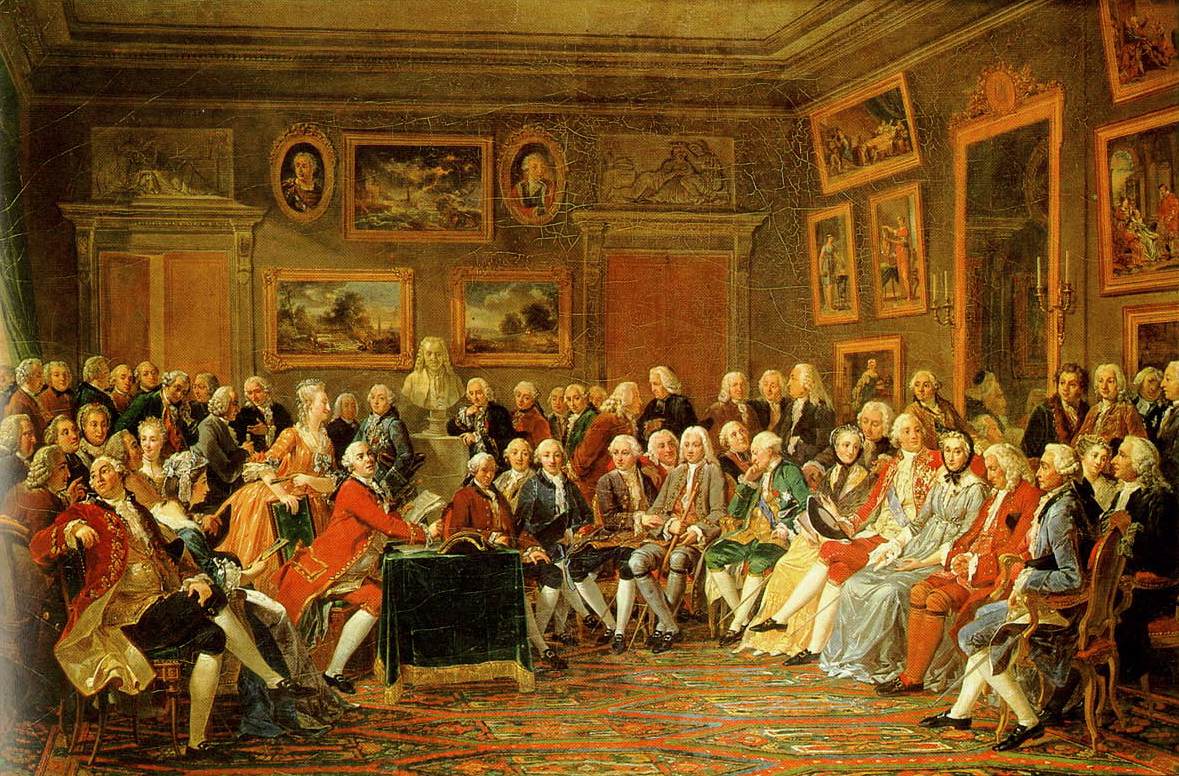
- The Enlightement was an important intellectual movement that emerged in Europe during the 18th century. Enlightment thinkers critised the traditional structures of the Ancient Regime and suggested new ideas to change society. Enlightened thinkers organised meetings in the salons to discuss new ideas. It summarised knowledge from many areas of study, including science, philosophy, art and grammar.
- Reason
- Is the only real source of knowledge; beliefs and dogma are not considered rational.
- Equality and liberty
- All people should enjoy the same legal rights and freedoms.
- Learning and teaching
- People must learn as much as possible.
- 2.1 Enlightenment criticism and proposals
- In relation to politics, they proposed measures to limit the powers of absolute monarchs. In relation to the economy, a group of intellectuals called the Physiocrats argued that agriculture was the true source of wealth.They reject Mercantalism. In relation to society, Enlightment thinkers criticised the social inequalities of the estates system.
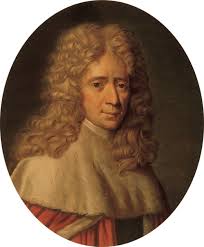
- Montesquieu
- Argued for the separation of powers. This meant that the three branches of goverment, should be separated.
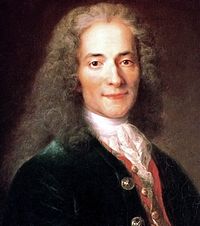
- Voltaire
- Favoured a strong monarchy, but he also supported the existence of parliaments.
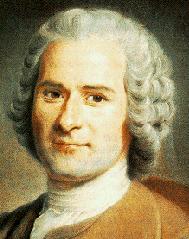
- Rousseau
- Introduced the idea of popular sovereignty.
- 2.2 The Enlightenment in Spain
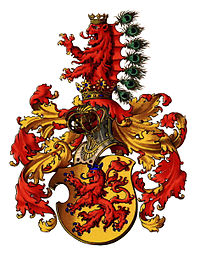
- Lesser Habsburgs
- Was the king that reing and made Spain to decline.
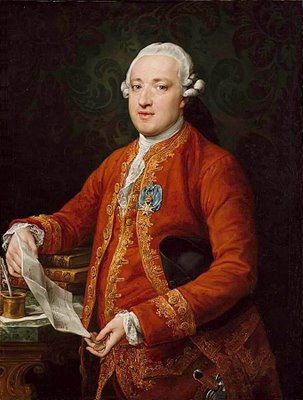
- Conde de Floridablanca
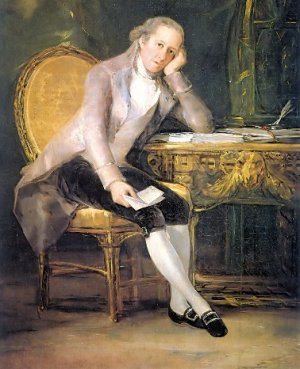
- Jovellanos
- Lesser Habsburgs
3. Enlightened politics in Europe, America and Spain
- 3.1 Enlightened despotism: rise and fall
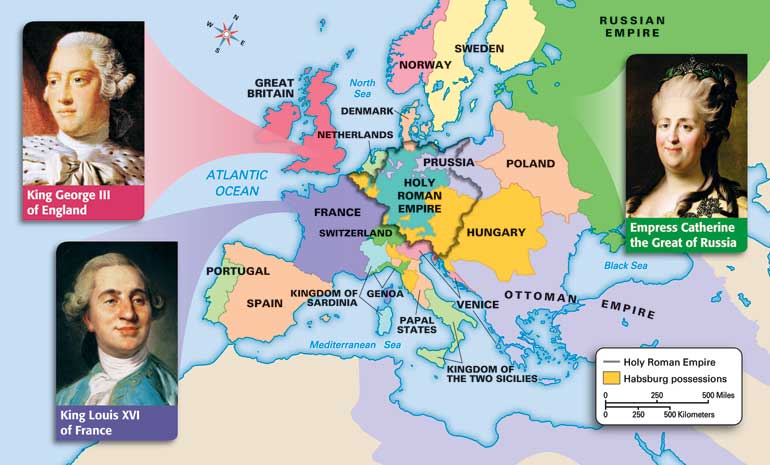
- Enlightened despotism was a new form of government that developed in some European countries in the 18th century. Its objective was to modernisse the country and improve subjects´ quality of life by combining absolute monarchy with Enlightenment ideas.
- Education and laws
- They tried to make changes peacefully.
- Centralised Governments
- To consolidate their power and implement their policies.
- Appointed Enlightened thinkers
- To important positions, for example as ministres.
- Didn´t succeed
- Because it mantained the privileges of the estates system.
- 3.2 The United States: an Enlightenment victory
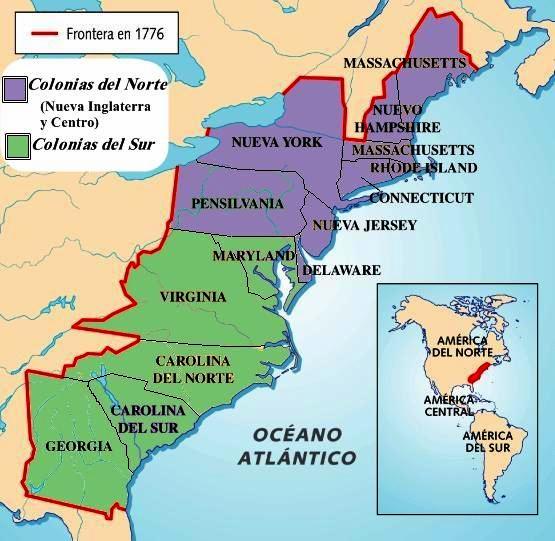
- During the American War Of Independence, 13 British colonies on the Atlantic coast of North America fought for their independence from Great Britain.
- Main causes of the conflict:
- Socio-economic
- Prosperous middle-class colonists wanted control over their own commercial activities.
- Political
- Great Britain refused to give the colonies representation in Parliament.
- Ideological
- The Enlightment ideas of equality and liberty formed the basis for the independence movement.
- Socio-economic
- The conflict
- Started:
- When the British government increased taxes.
- Continued: (1775)
- GB responded with armed forces, and the war broke out.
- Next: (4 July 1776)
- Declaration of Independence of the USA
- Continued: (1783)
- GB recognised the independence of USA
- Finally: (1787)
- The USA Constitution was written.
- Started:
- 3.3 Changes in Spain
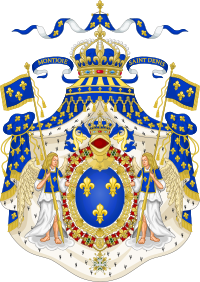
- Centralisation under the Bourbons
- Central Government
- Ministries
- Laws were imposed to Aragon
- Local Government
- Royal official
- Who represented the king on town councils
- Royal official
- Regional Government
- Divided into provinces
- Central Government
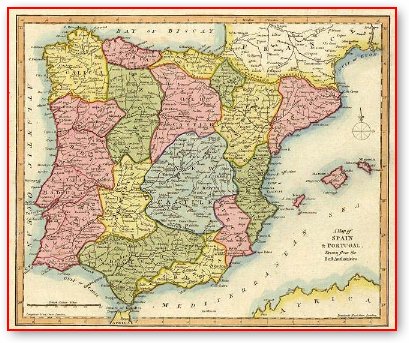
- War of the Spanish Succession
- Philip of Anjou
- Allied
- France
- Crowd of Castilla
- Allied
- Archduke Charles of Austria
- Allied
- Crowd of Aragon
- Austria
- Great Britain
- Allied
- Finally King:
- Philip of Anjou
- Philip of Anjou
- Dynasty
- Carlos II
- King
- Hapsburg
- Philip of Anjou
- Carlos II heir
- Bourbon
- Carlos II
- Centralisation under the Bourbons
- 3.1 Enlightened despotism: rise and fall
4. Art: Rococo and Neoclassicism
- 18th century a perios of great cultural change. - Enlightenment ideas were spread through primary schools. - New museums enabled ordinary people to enjoy it as well. - Two distinctives new styles emerged: Rococo and Neoclassicism.
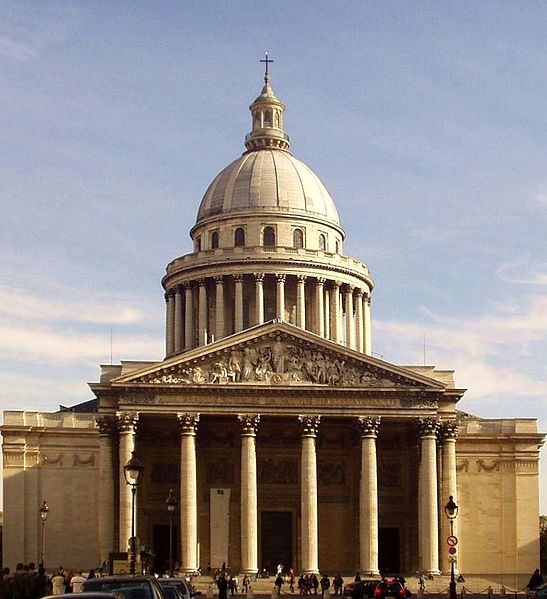
- Neoclassicism
- 1760s and 1830s: The monarchs beautify the cities.
- Architecture
- Columes
- Domes
- Well-Proportionated
- Classical Elements
- Soufflot´s Pantheon
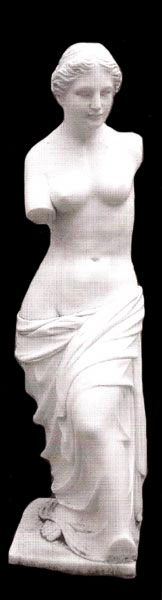
- Sculpture
- Marbel
- Mythological themes
- Famous People
- Venus de Milo
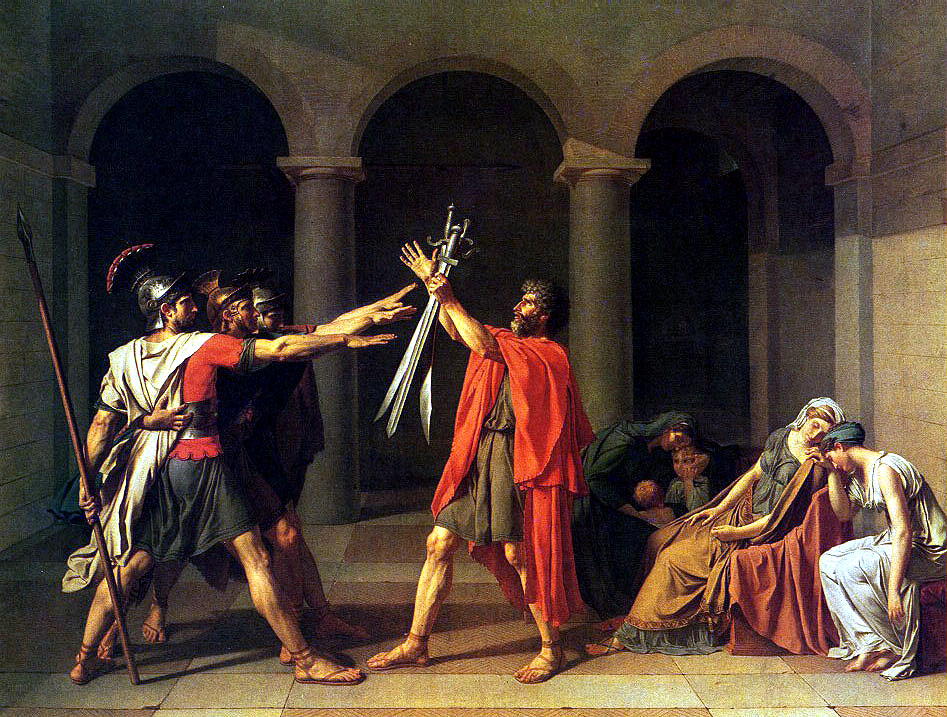
- Painting
- Statues
- Classical Sculptures
- The Oath of the Horatii
- Rococo
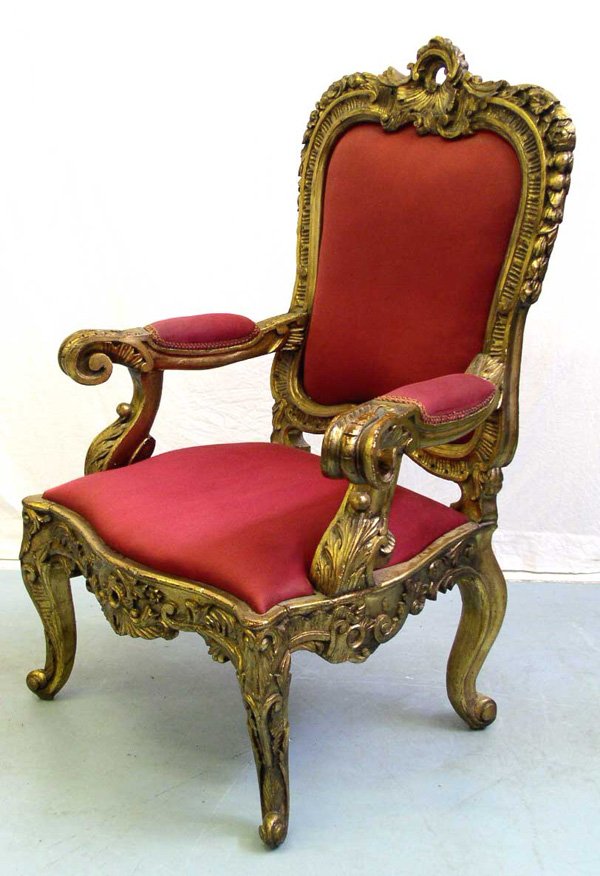
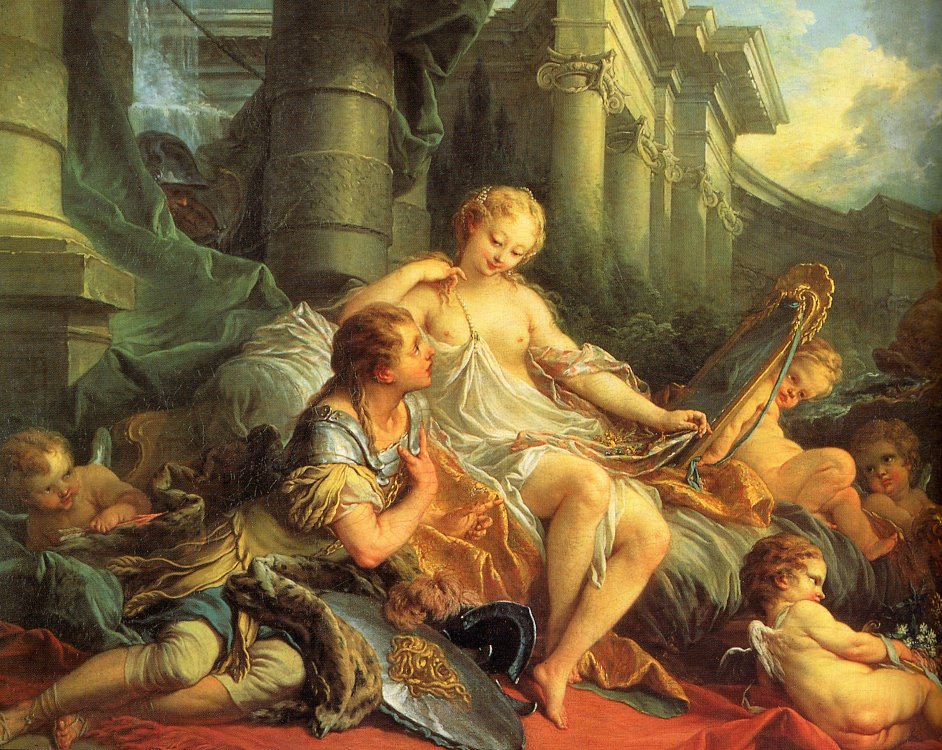
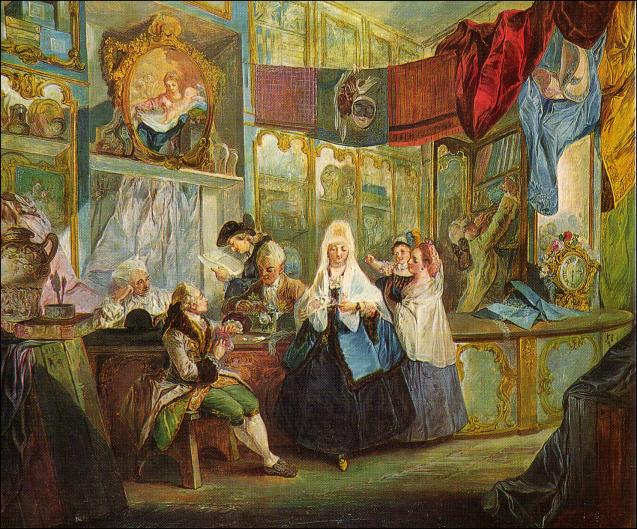
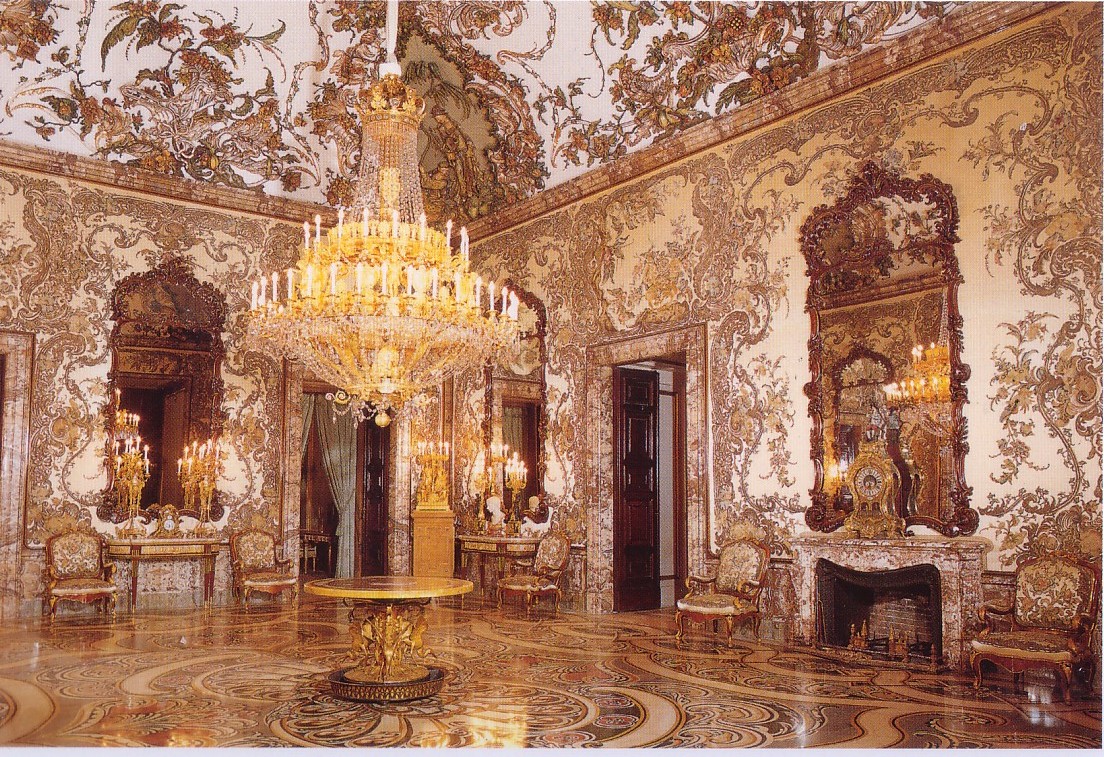
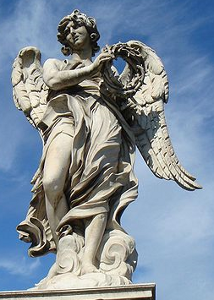
- 1730s and 1760s: It reflected the aesthetic tastes of the nobility, who wanted homes and decorations that represented the joys of life.
- Architecture
- Curves
- Seashells
- Floral Elements
- The Gasparini Salon, Royal Palace, Madrid
- Sculpture
- Smalls
- Mythological
- Angel with Crown of Thorns
- Painting
- Domestic Scenes
- Mythological themes
- Pastel Colours
- Rural Festivals
- François Boucher,1734
- Luis Paret,1772
Imagens e arquivos do mapa

Informações
- Descrição
- Esto es un mind map que explica el 18th Century en ingles.
- Criado por
- Aritz Ibarra
- Visualizações
- 143
- Tags
- Avaliação