
Mapa mental
Conditional

Conteúdo do mapa
Conditional
what is zero-first
- We use the zero conditional to talk about general conditions, which are always true: water boils at 100 degrees. Instead, the first conditional refers to particular situations: If you put your hand in that soup, you'll burn. With the third conditional.
- examples
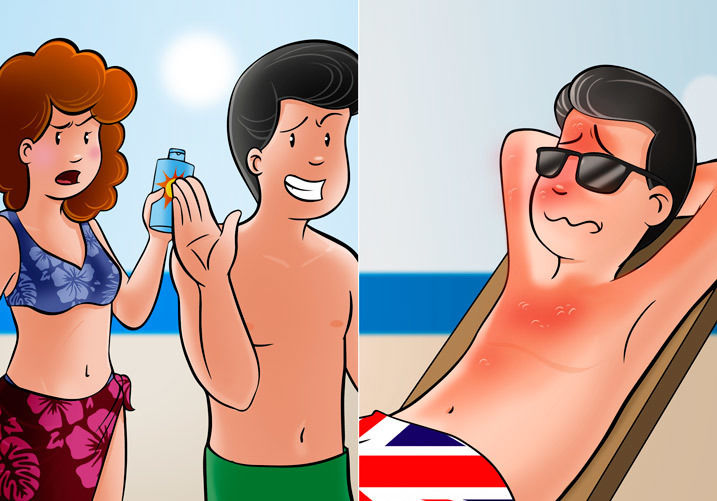
- If you don't put sun cream on, you get burnt.
- If you get a virus, call the IT specialist.
- If you don't put sun cream on, you get burnt.
- How is the zero conditional used?
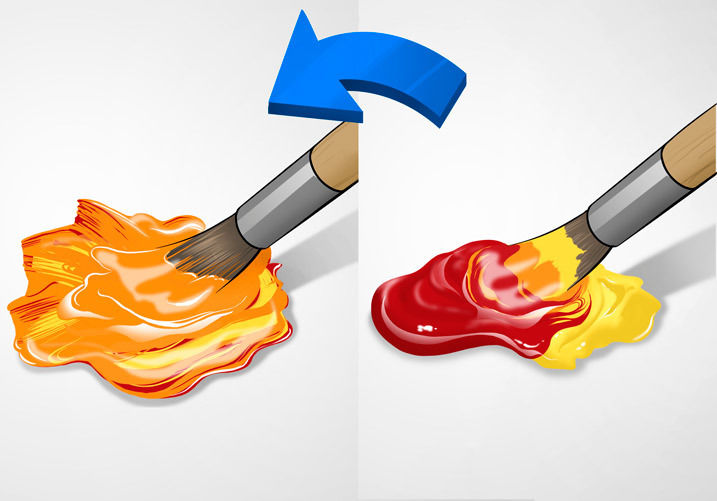
- You get orange if you mix red and yellow.
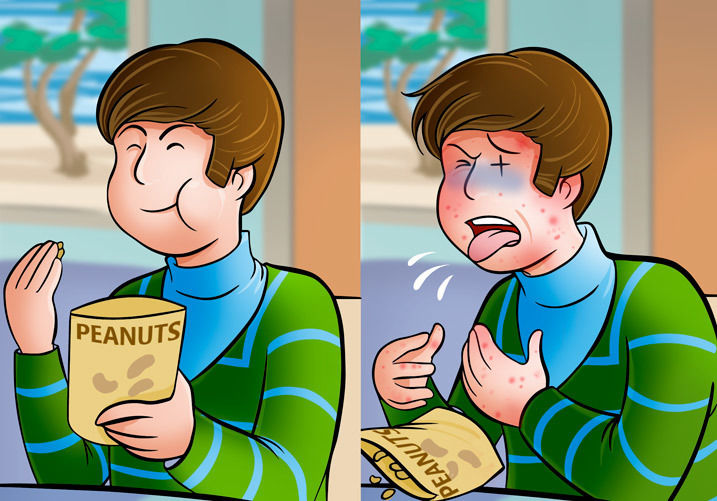
- If I eat peanuts, I get ill.
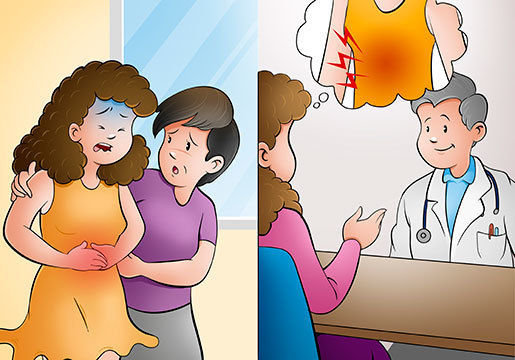
- If you feel sick, go to the doctor.
- If I eat peanuts, I get ill.
- You get orange if you mix red and yellow.
- examples
- We use the zero conditional to talk about general conditions, which are always true: water boils at 100 degrees. Instead, the first conditional refers to particular situations: If you put your hand in that soup, you'll burn. With the third conditional.
what are the types of zero - first?
- All conditionals are divided into two parts, these are called clauses, for example: If I don't sleep well, I feel tired. We would divide the phrase as: IF CLAUSE or CONDITION CLAUSE = "if I don't sleep well". RESULT CLAUSE = "I feel tired" The order of these two parts doesn't matter, so you can also start the sentence with the “result clause”. As you noticed in the example sentence, the two parts are divided by a comma, this only happens if you start with the "if clause" otherwise this would not happen. For example, this same sentence would be written as follows if it started with the result clause: I feel tired if I don't sleep well.
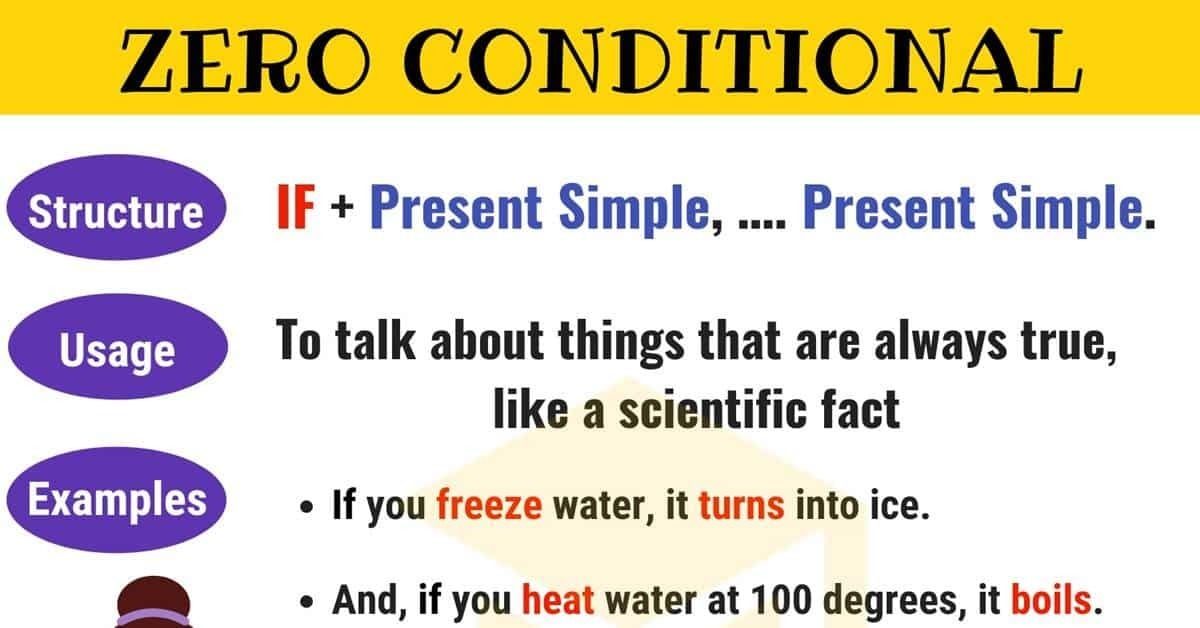
- ZERO CONDITIONAL: This conditional is used to talk about things that are generally true or that are scientific facts. The keyword we will use for this will be "facts". We will form this conditional in the following way: If clause / Conditional clause - present simple Result clause - present simple Example: If I eat, I am happy / I am happy if I eat
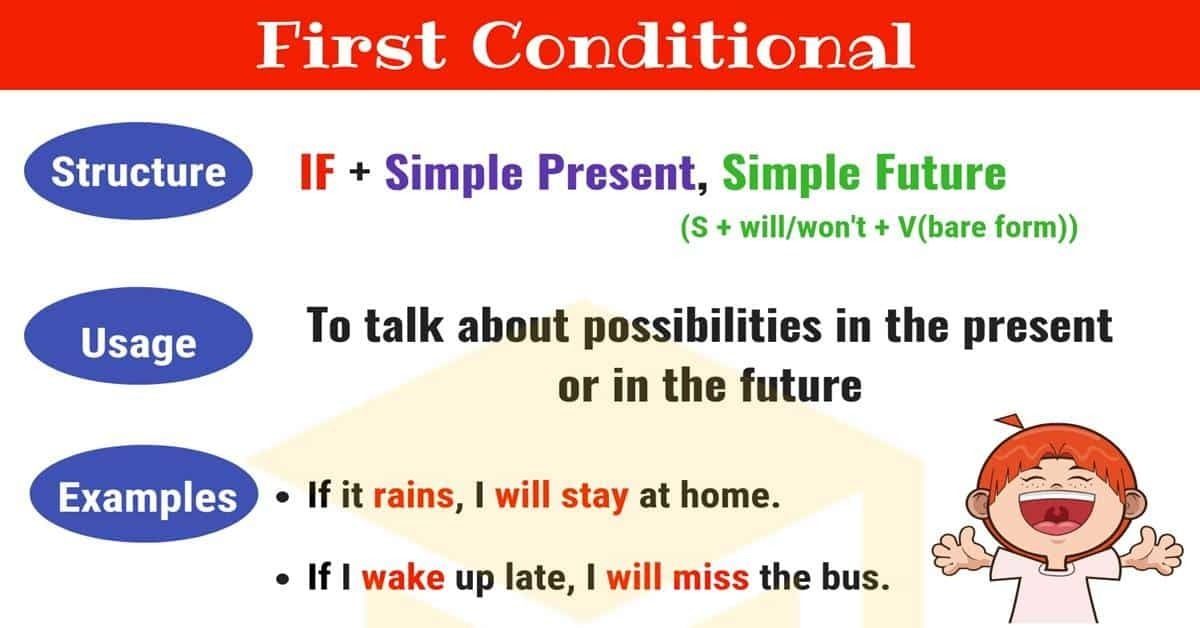
- FIRST CONDITIONAL: This conditional is used to talk about a possible situation to occur in the future if something happens in the present. The keyword we will use will be, "possible future." We will form this conditional in the following way: If clause / Conditional clause - present simple Result clause - Future simple Example: If he comes, I will be angry / I will be angry if he comes
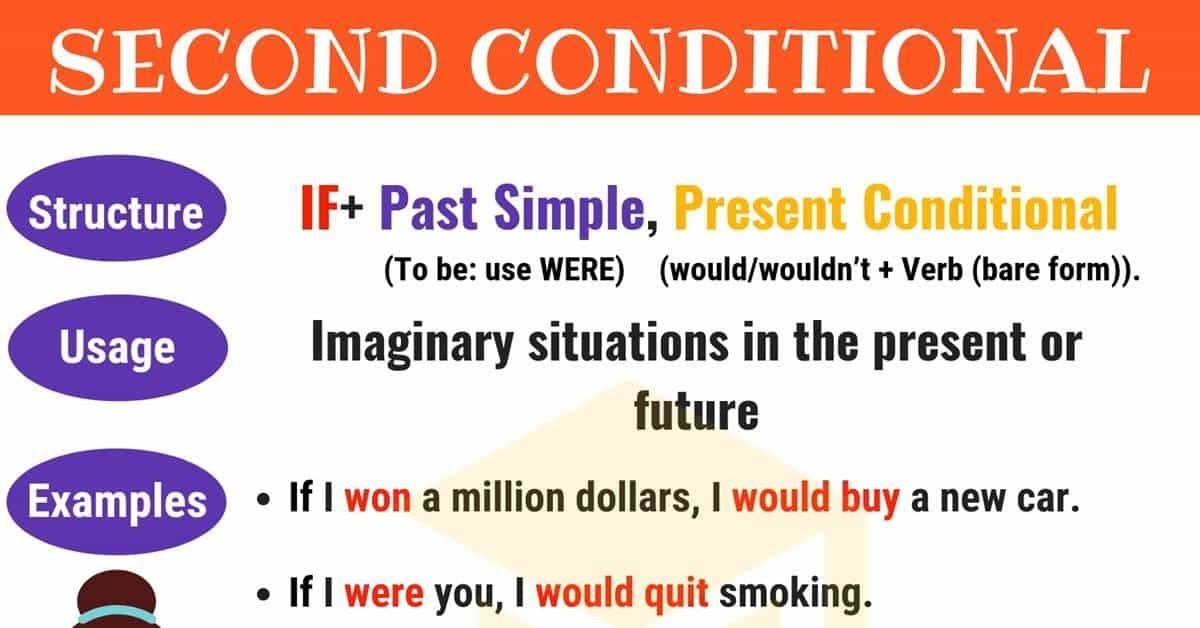
- SECOND CONDITIONAL: This conditional is used to talk about hypothetical situations or very unlikely situations. It is basically used to talk about wishes. The keyword we will use will be, "daydreaming." We will form this conditional in the following way: If clause / Conditional clause - past simple Result clause - would + verb Example: If I won the lottery, I would travel around the world / I would travel around the world If I won the lottery
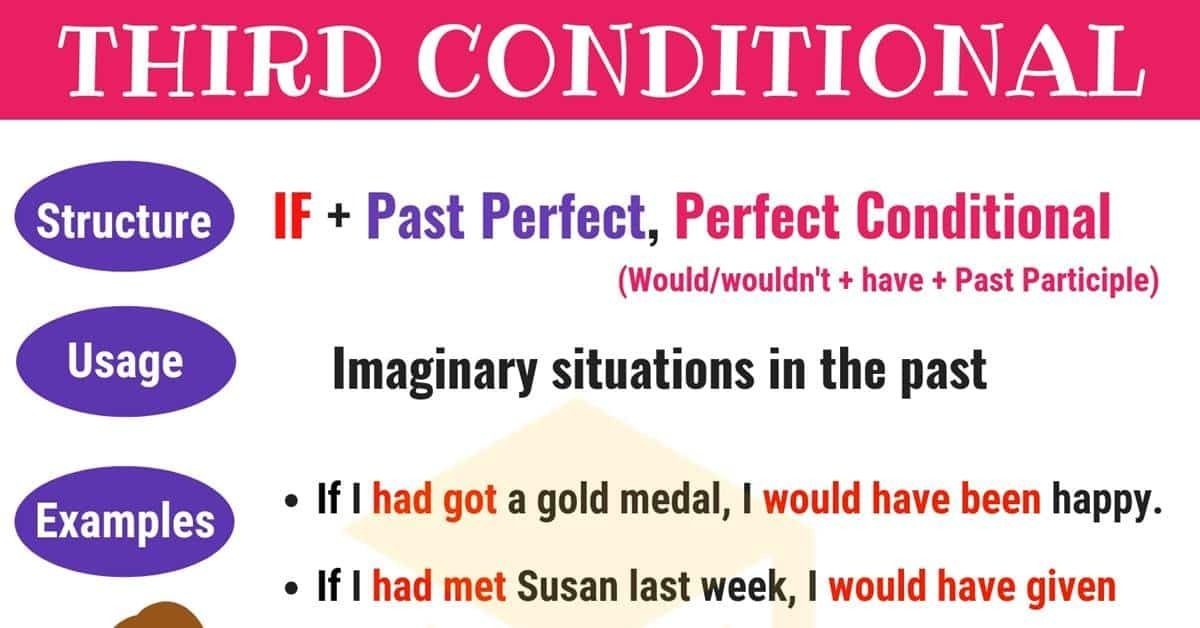
- THIRD CONDITIONAL: This conditional is used to talk about things that we regret, imagining a different past that changes our current situation. The keyword we will use will be, "repent." We will form this conditional in the following way: If clause / Conditional clause - past perfect Result clause - would have + past participle Example: If I hadn’t lost the ticket, I would have entered to the concert / I would have entered to the concert If I hadn’t lost the ticket.
- THIRD CONDITIONAL: This conditional is used to talk about things that we regret, imagining a different past that changes our current situation. The keyword we will use will be, "repent." We will form this conditional in the following way: If clause / Conditional clause - past perfect Result clause - would have + past participle Example: If I hadn’t lost the ticket, I would have entered to the concert / I would have entered to the concert If I hadn’t lost the ticket.
- SECOND CONDITIONAL: This conditional is used to talk about hypothetical situations or very unlikely situations. It is basically used to talk about wishes. The keyword we will use will be, "daydreaming." We will form this conditional in the following way: If clause / Conditional clause - past simple Result clause - would + verb Example: If I won the lottery, I would travel around the world / I would travel around the world If I won the lottery
- FIRST CONDITIONAL: This conditional is used to talk about a possible situation to occur in the future if something happens in the present. The keyword we will use will be, "possible future." We will form this conditional in the following way: If clause / Conditional clause - present simple Result clause - Future simple Example: If he comes, I will be angry / I will be angry if he comes
- ZERO CONDITIONAL: This conditional is used to talk about things that are generally true or that are scientific facts. The keyword we will use for this will be "facts". We will form this conditional in the following way: If clause / Conditional clause - present simple Result clause - present simple Example: If I eat, I am happy / I am happy if I eat
- All conditionals are divided into two parts, these are called clauses, for example: If I don't sleep well, I feel tired. We would divide the phrase as: IF CLAUSE or CONDITION CLAUSE = "if I don't sleep well". RESULT CLAUSE = "I feel tired" The order of these two parts doesn't matter, so you can also start the sentence with the “result clause”. As you noticed in the example sentence, the two parts are divided by a comma, this only happens if you start with the "if clause" otherwise this would not happen. For example, this same sentence would be written as follows if it started with the result clause: I feel tired if I don't sleep well.
Imagens e arquivos do mapa
Informações
- Descrição
- Mapa Mental sobre Conditional, criado por santiago beltran em 01-09-2020.
- Criado por
- santiago beltran
- Visualizações
- 0
- Avaliação