
Mapa mental
Reported speech

Conteúdo do mapa
Reported speech
Concept
- The way you can count, explain, write or say something in your own words, changing the verb tense to the past.
It differs
- From direct speech in this way, since direct speech implies that you say or write everything textual and exactly as it happened.
- Direct speech
- Is a sentence in which the exact words spoken are reproduced in speech marks (also known as quotation marks or inverted commas).
- Example
- Direct speech: “I am very glad to see you again” Reported speech: "Miguel said that he was glad to see me again"
Rules
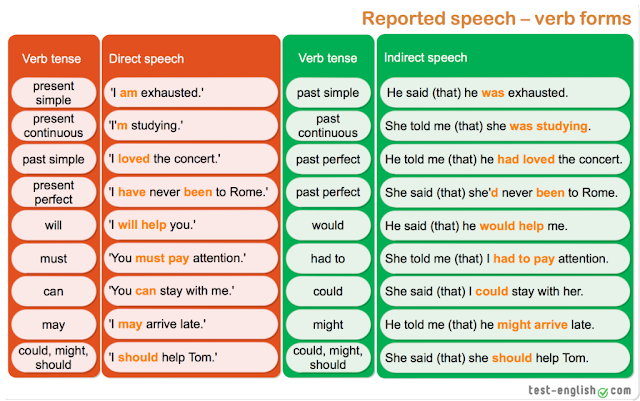
- The verb tenses change
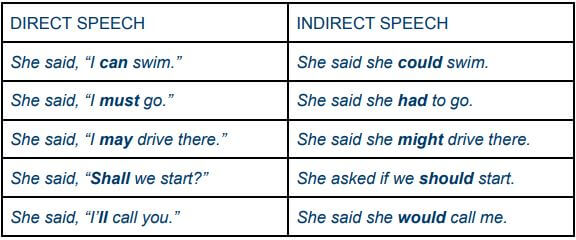
- The modal verbs change
- Except would, could, should, might y ought to.
Questions
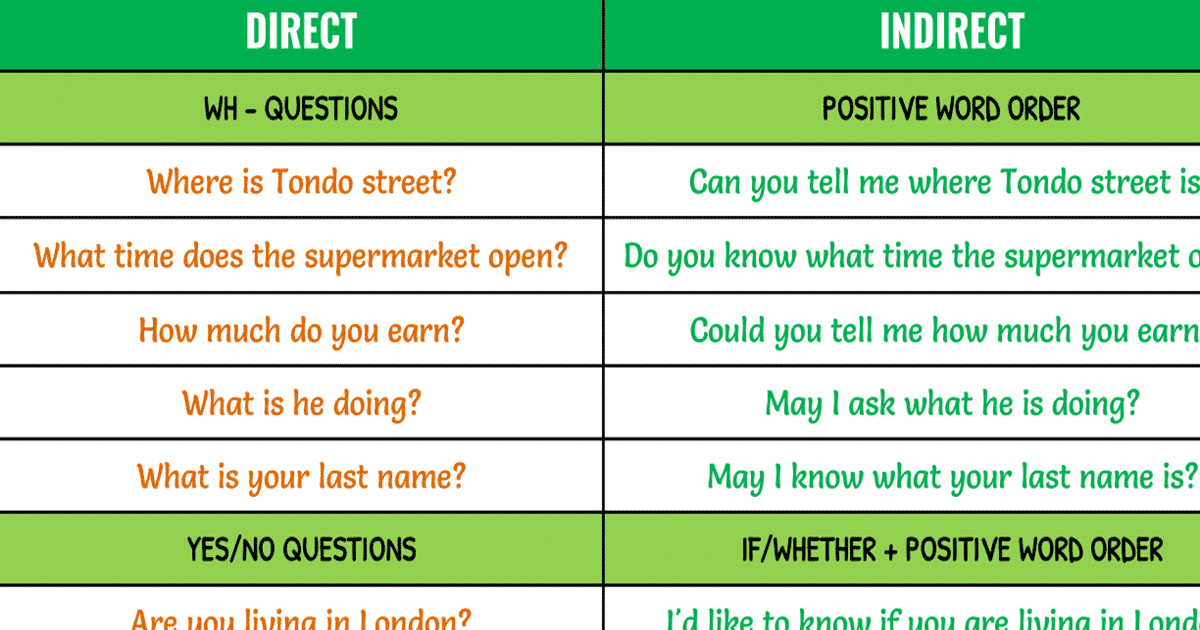
- The tense changes are the same, and we keep the question word. The very important thing though is that, once we tell the question to someone else, it isn't a question any more. So we need to change the grammar to a normal positive sentence.
- Example
- She asked me where I lived.
Indirect speech
- Focuses more on the content of what someone said rather than their exact words. In indirect speech, the structure of the reported clause depends on whether the speaker is reporting a statement, a question or a command.
- Say
- Use 'say' when there is no indirect object: He said that he was tired.
- Tell
- Always use 'tell' when you say who was being spoken to (i.e. with an indirect object): He told me that he was tired.
- Talk
- Speak
- Use these verbs to describe the action of communicating: He talked to us. She was speaking on the telephone.
- Use these verbs with 'about' to refer to what was said: He talked (to us) about his parents.
- Use these verbs to describe the action of communicating: He talked to us. She was speaking on the telephone.
- Example
- She said that she had seen him.
- Statements
- Indirect reports of statements consist of a reporting clause and a that-clause. We often omit that, especially in informal situations
- I told my wife I didn’t want a party on my 50th birthday. (that-clause without that) (or I told my wife that I didn’t want a party on my 50th birthday.)
- Questions
- Yes-no
- Indirect reports of yes-no questions and questions with or consist of a reporting clause and a reported clause introduced by if or whether. If is more common than whether. The reported clause is in statement form (subject + verb), not question form
- She asked if I was Scottish. (original yes-no question: ‘Are you Scottish?’)
- Wh-
- Indirect reports of wh-questions consist of a reporting clause, and a reported clause beginning with a wh-word (who, what, when, where, why, how). We don’t use a question mark
- He asked me what I wanted.
- Yes-no
- Commands
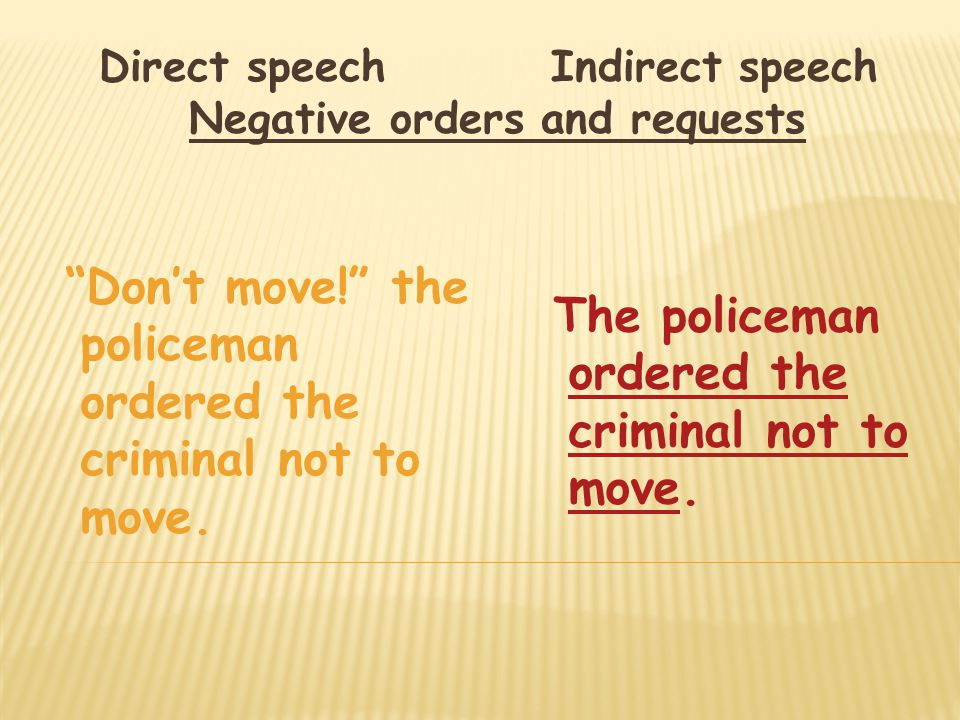
- Indirect reports of commands consist of a reporting clause, and a reported clause beginning with a to-infinitive. We also use a to-infinitive clause in indirect reports with other verbs that mean wanting or getting people to do something, for example, advise, encourage, warn
- They advised me to wait till the following day. (original statement: ‘You should wait till the following day.’)
- The General ordered the troops to advance. (original command: ‘Advance!’)
Direct report
- A direct report is an employee who formally reports to you. This generally means that you are directly responsible for assigning them work and managing their performance.
Indirect report
- An indirect report are the employees who report to your direct reports and their subordinates. Generally speaking, you are accountable for the performance of all indirect reports but do not management them directly.
Imagens e arquivos do mapa

Informações
- Descrição
- Mapa Mental sobre Reported speech, criado por Daniela Sanchez Valverde em 14-09-2020.
- Criado por
- Daniela Sanchez Valverde · set 2020
- Atualizado
- 17 set 2020
- Visualizações
- 7
- Avaliação