
Mapa mental
Constructivism
Conteúdo do mapa
Constructivism
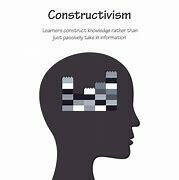
- Constructivism in education is a broad theoretical framework that emphasizes how learners actively construct their own knowledge through experiences and interactions
Cognitive
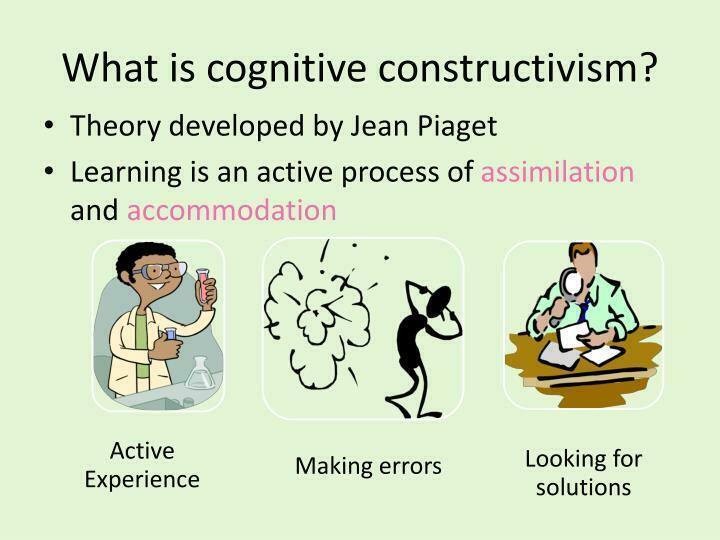
- Rooted in the work of Jean Piaget, cognitive constructivism focuses on how learners build understanding internally. Piaget argued that knowledge is developed through stages of cognitive growth, where individuals process and assimilate new information by linking it with prior knowledge. This perspective suggests that learning is highly individual and occurs through exploration, reflection, and problem-solving.
- Psychogenetic Constructivism
- · Learning occurs through cognitive development, progressing through stages. Individuals construct understanding by interacting with their environment. Knowledge is formed as learners balance assimilation (integrating new info into existing structures) and accommodation (adjusting structures to fit new info).
Social
- Social constructivism, influenced by Lev Vygotsky, highlights the role of social interaction and cultural context in learning. Vygotsky introduced concepts like the Zone of Proximal Development (ZPD) and scaffolding, emphasizing that learners advance when guided by a more knowledgeable other (a teacher, mentor, or peer). This approach values dialogue, collaboration, and the influence of society on learning.
- Sociocultural Constructivism
- Learning is a social process, heavily influenced by interaction with others. The Zone of Proximal Development (ZPD) highlights the gap between what learners can do independently and what they can achieve with guidance. Language and cultural tools are fundamental in shaping thought processes and learning.
Main differences and relevance
- Individual vs. Social Learning – Cognitive constructivism sees learning as a personal, internal process, while social constructivism views learning as inherently interactive. Self-Discovery vs. Guided Learning – Cognitive constructivism supports independent exploration, while social constructivism promotes shared experiences and structured support. Developmental Stages vs. Social Context – Piaget emphasized age-related cognitive stages, whereas Vygotsky believed development is shaped by culture and interactions.
Conclusion
- Both perspectives offer valuable insights into education. Cognitive constructivism reminds us that learning is active and tied to the individual's cognitive ability. Social constructivism reveals how learning is collaborative, shaped by communication and community. In modern education, an integrated approach is ideal—blending personal cognitive growth with rich social interactions. This balance creates a dynamic learning environment where students develop critical thinking, adaptability, and meaningful connections with the world around them. Both perspectives emphasize active engagement but differ in how they view the sources of development—Piaget focusing on individual cognitive growth and dVygotsky emphasizing the social and cultural aspects.
• Knowledge is actively constructed
- Learners build understanding through experience rather than passively receiving information.
• Learning is a process of adapta
- Knowledge evolves as individuals assimilate new information and adjust their thinking.
• Social and cultural context matters
- Learning is deeply influenced by social interactions and the cultural environment.
• Prior knowledge shapes new learning
- What individuals already know affects how they interpret and integrate new information.
Elsa de la Cruz Santiago
Imagens e arquivos do mapa

Informações
- Descrição
- Mapa Mental sobre Constructivism, criado por ELSA DE LA CRUZ SANTIAGO em 22-05-2025.
- Criado por
- ELSA DE LA CRUZ SANTIAGO
- Visualizações
- 12
- Avaliação