
Mapa mental
Learning
Conteúdo do mapa
Learning
Classical Conditioning
- Description
- Classical conditioning is a type of learning in which a stimulus acquires the capacity to evoke a response originally evoked from another stimulus
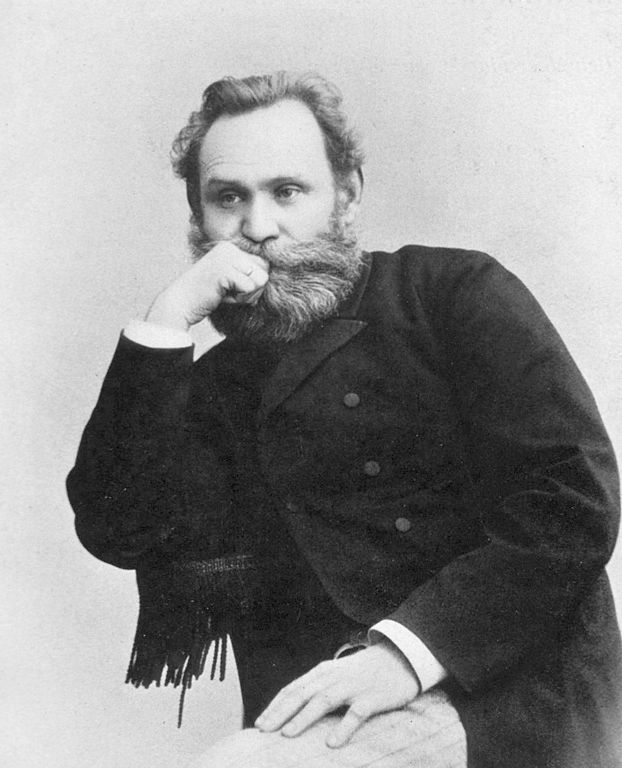
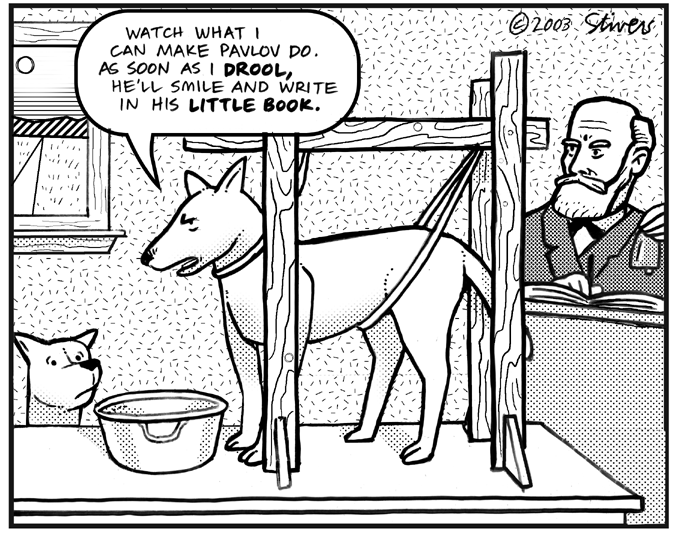
- Classical conditioning was pioneered by Ivan Pavlov, who conditioned dogs to salivate when a tone was presented
- Classical conditioning mainly regulates involuntary, reflextive responses
- Examples include emotional responses (such as fears) and physiological responses (such as immunosuppression)
- Terminology & Procedures
- Responses controlled through classical conditioning are said to be elicited
- Classical conditioning begins with unconditioned stimulus (UCS) that elicits an unconditioned response (UCR)
- Then a neutral stimulus is paired with UCS until it becomes a conditioned stimulus (CS) that elicits a conditioned response (CR)
- Basic Process
- Acquisition occurs when a CS and a UCS are paired, gradually resulting in a CR
- Acquisition depends on stimulus contiguity, which is a temporal association between events
- Extinction occurs when a CS is repeatedly presented alone until it no longer elicits a CR
- Spontaneous recovery is the reappearance of an extinguished response after a period of non exposure to the CS
- Generalization occurs when a CR is elicited by a new stimulus that resembles the original CS
- Discrimination occurs when a CR is not elicited by a new stimulus that resembles the original CS
- High-order conditioning occurs when a CS functions as if it were a UCS
- Renewal effect occurs when a response that has been extinguished in a context different from that in which it was acquired reappears in the original context
- Description
Operant Conditioning
- Description
- Operant conditioning is a type of learning in which responses come to be controlled by their consequences
- E.L Thorndike's work on instrumental learning and the law of effect provided the foundation for the study operant conditioning
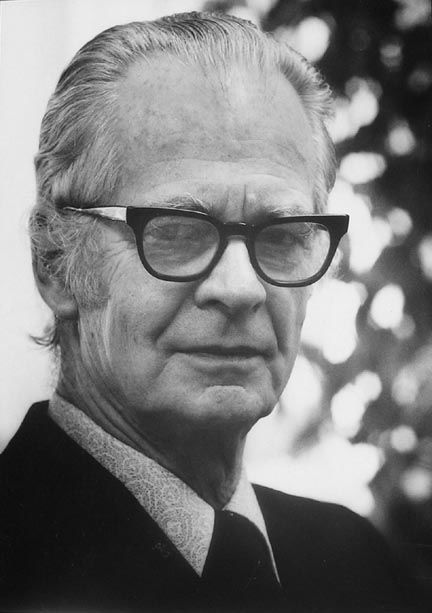
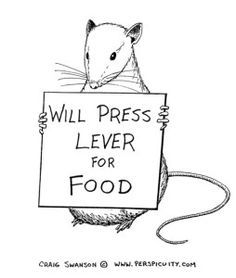
- Operant conditioning was pioneered by B.F Skinner, who showed that rats and pigeons tend to repeat responses that are followed by favourable outcomes
- Operant Conditioning mainly regulates voluntary, spontaneous responses, such as studying, going to work, telling jokes and asking someone out
- Terminology & Procedures
- Responses controlled through operant conditioning are said to be emitted
- Demonstrations of operant conditioning typically occur in Skinner box where animal's reinforcement is controlled
- The key dependent variable is the animal's response rate as monitored by a cumulative recorder, with results portrayed in graphs (steeper slopes are indicative of faster responding)
- Basic Processes
- Acquisition occurs when a response gradually increases due to contingent reinforcement
- acquisition may involve shaping-the reinforcement of closer and closer approximations of he desired response
- Extinction occurs when responses gradually slows and stops after reinforcement is terminated
- Resistance to extinction occurs when an organism continues to make a response after reinforcement for it has been terminated
- generalization occurs when responding increases in the presence of a stimulus that resembles the original discriminative stimulus
- primary reinforcers are inherently reinforcing, whereas secondary reinforcers develop through learning
- Renewal effect occurs when a response that has been extinguished in a context different from that in which is was acquired reappears in the original context
- Intermittent Reinforcement Schedules
- Reinforcement is most effective when it is immediate; delayed reinforcement undermines response acquisition
- continuous reinforcement occurs when every instance of a designated response is reinforced
- intermittent reinforcement occurs when a response is reinforced only some of the time
- In ratio schedules, the reinforcer is given after a fixed (FR) or variable (VR) number of non reinforced responses
- In interval schedules, the reinforcer is given for the first response that occurs after a fixed (FI) or variable (VI) time interval has elapsed
- Ratio Schedules (FR & VR) tend to yield higher response rates, whereas variable schedules (VR & VI) tend to yield more resistance to extinction
- Distinction Among Operant Outcomes
- Positive reinforcement occurs when a response is followed by the presentation of a rewarding stimulus
- Negative reinforcement occurs when a response is followed by the removal of an aversive stimulus
- negative reinforcement plays a key role in escape learning and avoidance learning
- Punishment occurs when an event following a response weakens the tendency to make that response
- punishment may result in side effects such as negative emotional responses and increased aggressive behaviour
- when used for disciplinary reasons, punishments should be applied swiftly, just severe enough to be effective, explained and not physical
- Description
New Directions In The Study Of Conditioning
- Recognizing Biological Constraints of Learning
- John Garcia found that it is almost impossible to create some associations, whereas conditioned taste aversions are readily required in spite of CS-UCS delays, which he attributed to evolutionary influences
- Preparedness, a species-specific predispositions to be continued in certain ways and not others, probably explains why some phobias are particularly common
- differences in the adaptive challenges faced by various species have probably led to some species-specific learning tendencies
- Recognizing Cognitive Processes in Conditioning
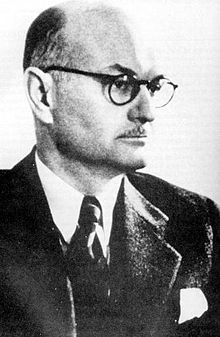
- Edward Tolman's research on latent learning and cognitive maps suggested many years ago that cognitive processes play a role in conditioning, but his views were ahead of his time
- Robert Rescorla showed that predictive value of CS influences the processes of classical conditioning
- When a response is followed by a desirable outcome, the response is more likely to be strengthened if it appears to have caused the favourable outcome
- Modern theories hold that conditioning is a matter of detecting the contingencies that govern events
- Recognizing Biological Constraints of Learning
Observational Learning
- Observational learning occurs when an organism's responding is influenced by the observation of others, called models
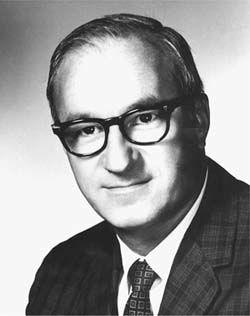
- Observational learning was pioneered by Albert Bandura, who showed that conditioning does not have to be a product of direct experience
- Both classical and operant conditioning can take place through observational learning
- observational learning depends on processes of attention, retention, reproduction, and motivation
- Bandura distinguishes between the acquisition of learning response and the performance of that response, with the latter depending on reinforcement
- observational learning can explain why physical punishment tends to increase aggression in children even when its intended to do the opposite, and why exposure to media violence correlates with increased aggression and desensitization to the effects of violence
- recent research suggests that a specific type of neutron, "mirror neurons", may particularly account for some observational learning effects
Key Themes
- Heredity and environment interactivity govern behaviour
- psychology evolves in a sociohistorical context
Imagens e arquivos do mapa

Informações
- Descrição
- Mapa Mental sobre Learning, criado por Brianna Carter em 08-03-2016.
- Criado por
- Brianna Carter
- Visualizações
- 2
- Avaliação