
Learning, Conditioning and Behaviour Analysis
2,092 resources created by 1,496 users
This Learning, Conditioning and Behaviour Analysis page on GoConqr gathers community-made quizzes, mind maps, flashcards, notes and slides, from Pavlov and classical conditioning to Skinner's operant conditioning, Bandura's social learning theory and RBT reinforcement terms. It's built for university students and professional candidates, school students, and teachers after ready-made material. There are over 2,000 resources here, including more than 200 quizzes and over 1,100 mind maps, from GCSE and A-level topics to university chapters. Pick a topic, try a quiz to find your gaps, then make your own revision sets.
Select topic
- Learning styles and types174
- Behaviourism187
- Non-associative learning7
- Classical conditioning255
- Operant conditioning113
- Reinforcement and punishment60
- Classical and operant conditioning226
- Social and observational learning225
- Cognitive learning theory30
- Neural basis of learning11
- Behaviour analysis33
- Behaviour modification25
Top Learning, Conditioning and Behaviour Analysis resources
-
14 questionsClassical conditioning What is classical conditioning?
-
24 questionsChaining, Shaping, and Prompting Which pivotal behaviors should be assessed prior to using a shaping procedure?
-
Mind map learning approach - behaviourist
-
22 cardsBandura
-
75 questionsRBT Practice Exam When deciding what mands to teach you should...
-
68 questionsRBT Practice Exam #3 Quizlet What can an RBT do to assist the BCBA who is giving a formal assessment to the learner?
-
70 questionsCHAPTER 14
-
44 questionsUnderstanding Psychology: Chapter 5 Learning
Quizzes
See all 259 quizzes-
14 questionsClassical conditioning What is classical conditioning?
-
24 questionsChaining, Shaping, and Prompting Which pivotal behaviors should be assessed prior to using a shaping procedure?
-
75 questionsRBT Practice Exam When deciding what mands to teach you should...
-
68 questionsRBT Practice Exam #3 Quizlet What can an RBT do to assist the BCBA who is giving a formal assessment to the learner?
-
70 questionsCHAPTER 14
-
44 questionsUnderstanding Psychology: Chapter 5 Learning
-
25 questionsPsych Exam #3 Every time a boy visited his grandfather, he would pass a house with a large dog in the yard that would bar...
-
33 questionsSPCE 619 Vocab Quiz 1) attention 2) sensory/automatic 3) to access a tangible/edible item and 4) to escape a particular person,...
Mind maps
See all 1,173 mind maps-
learning approach - behaviourist
-
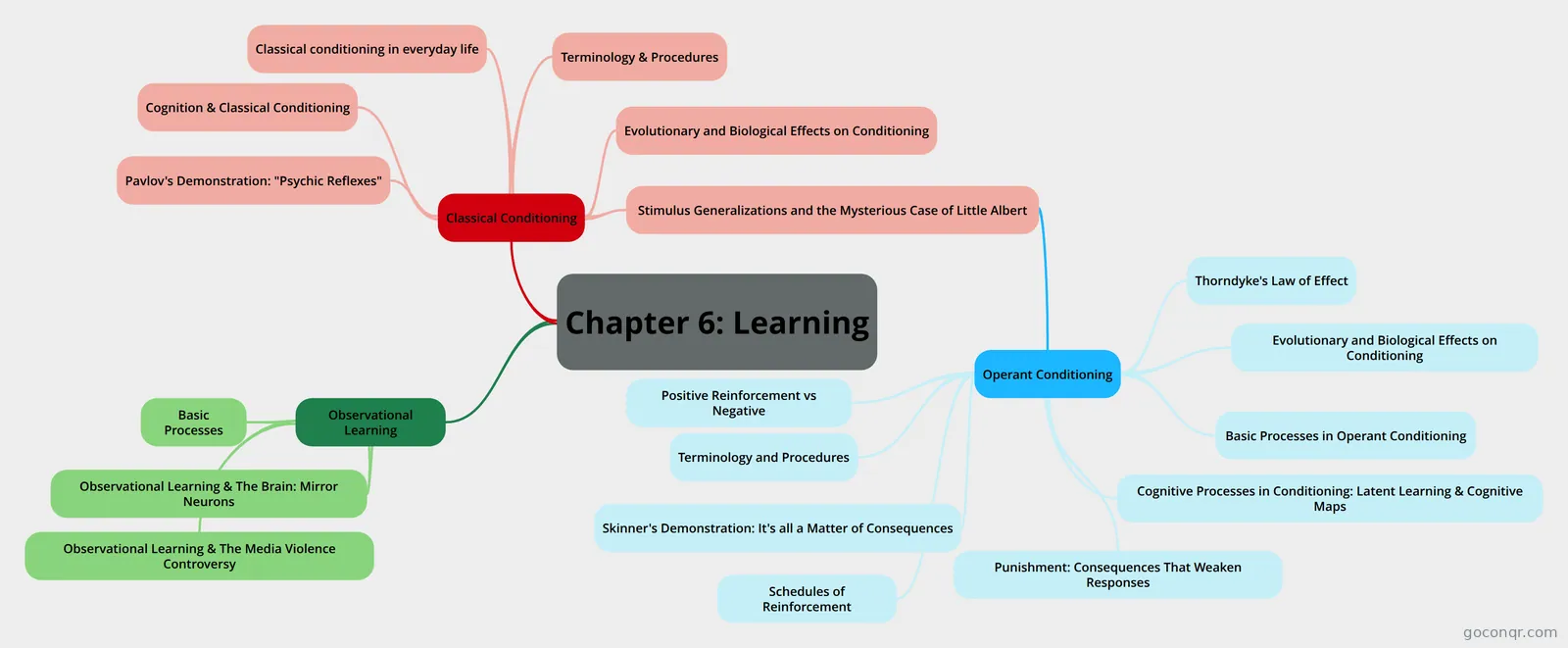 Chapter 6: Learning
-
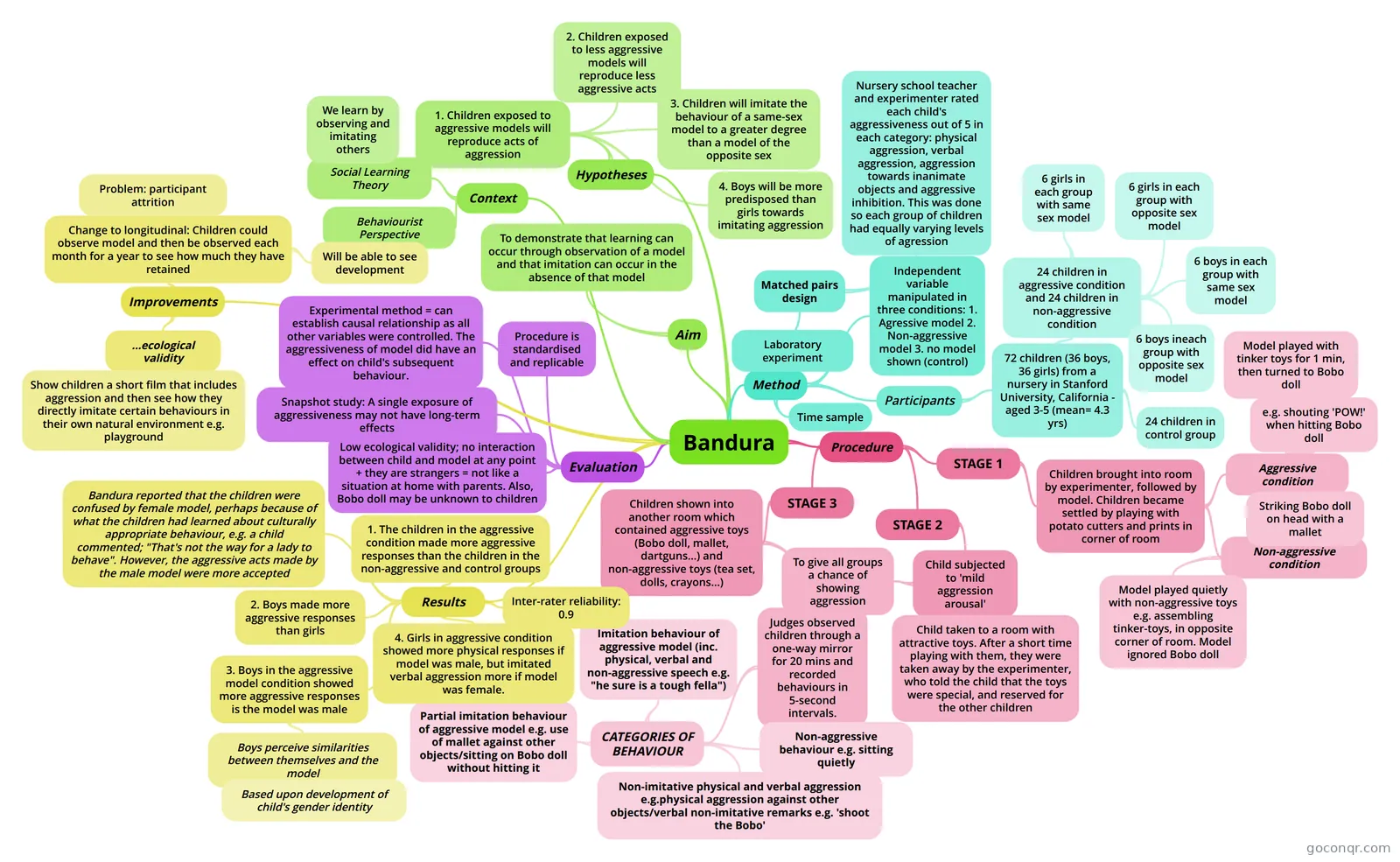 Bandura
-
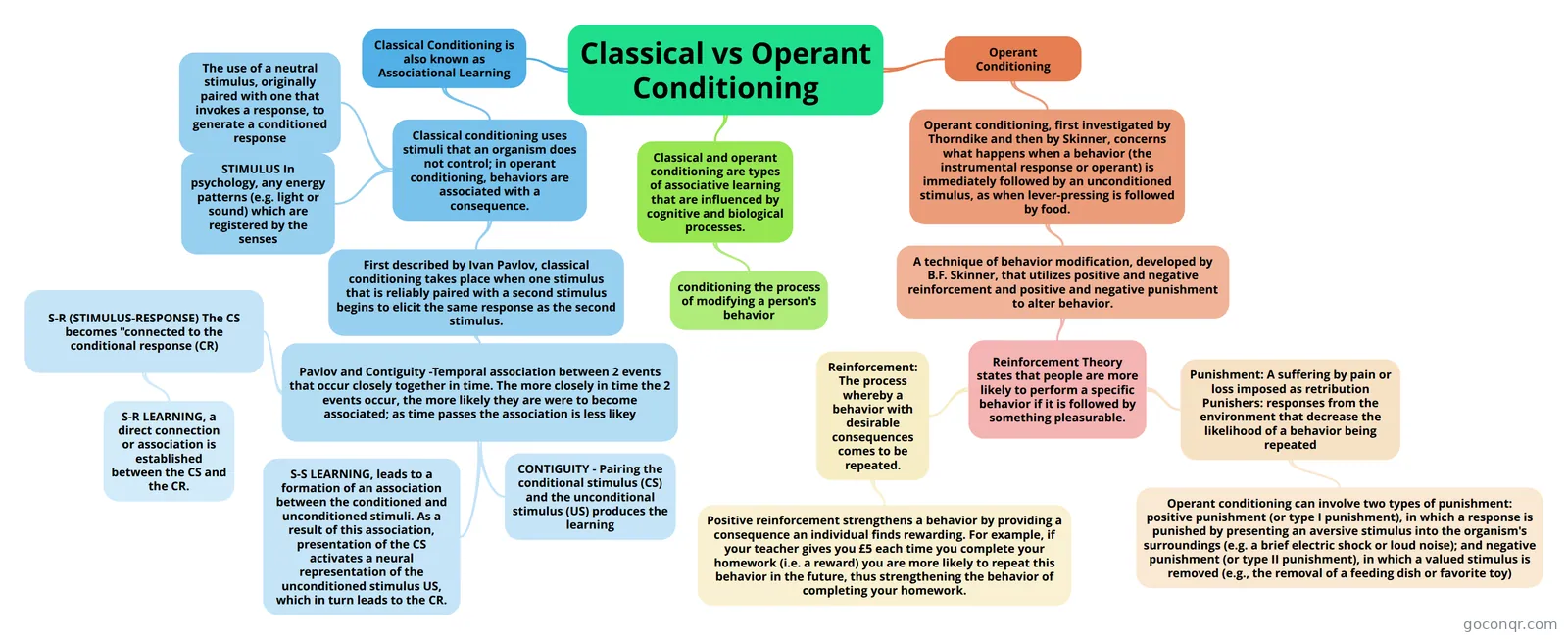 Classical vs Operant Conditioning
-
Bandura (1961,1963) Edexcel A Level Learning Theories Psychology: Bandura (1961,1963)
-
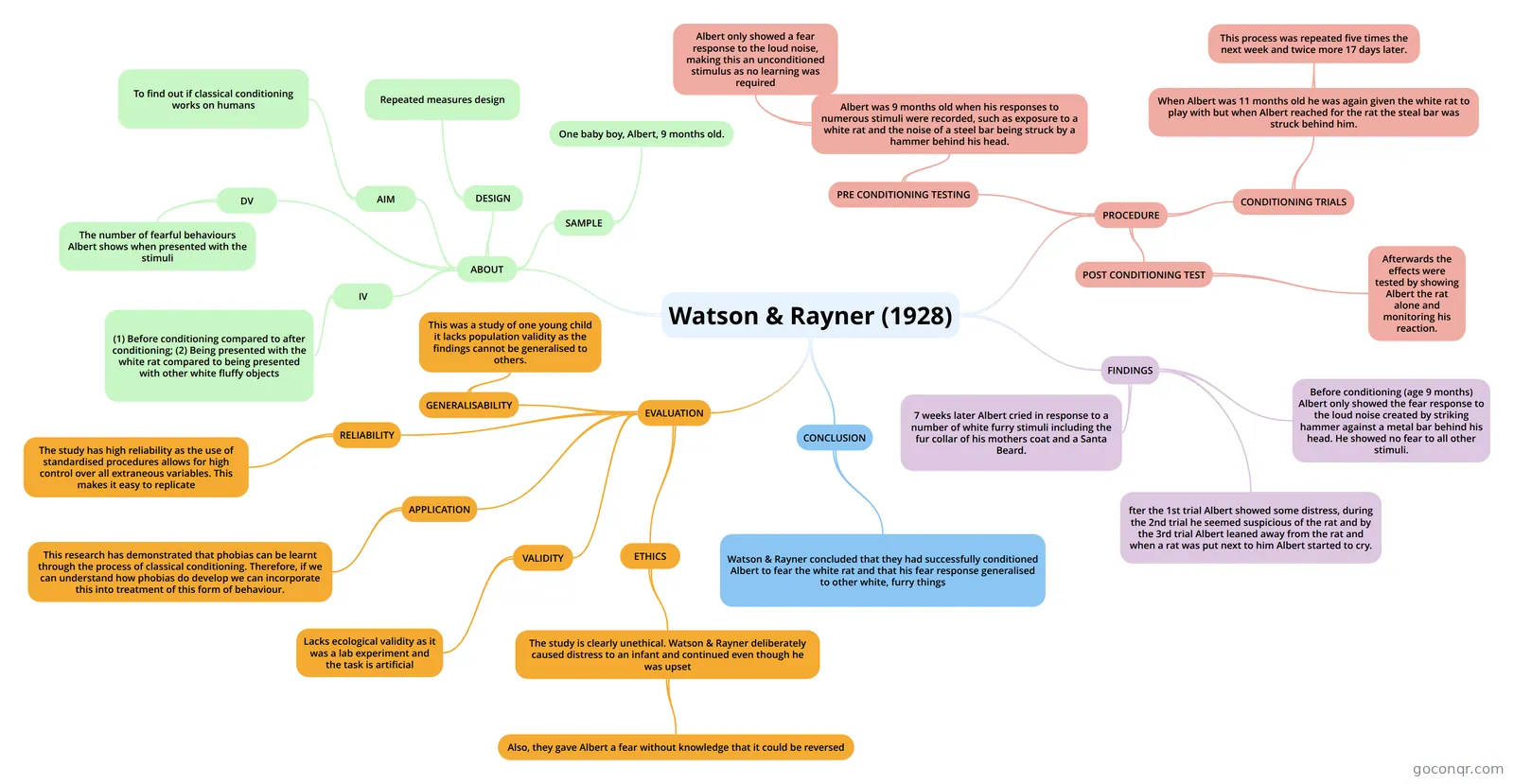 Watson & Rayner (1928) Edexcel A Level Psychology: Learning Theories Classic Study
-
 Becker Et Al (2002) Edexcel A level Psychology: Learning Theories Contemporary Study
-
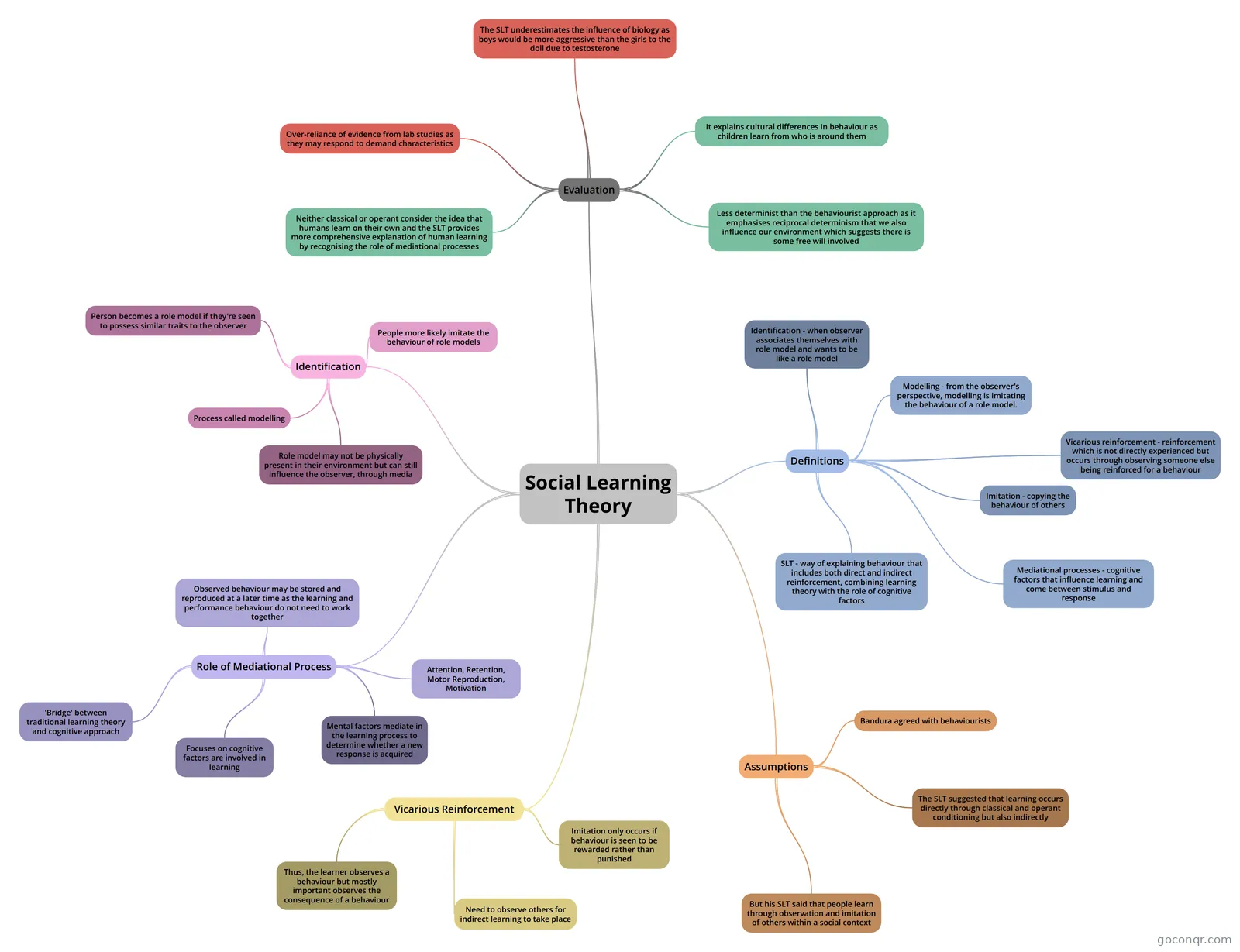 Social Learning Theory
Flashcards
See all 551 flashcards-
22 cardsBandura
-
43 cardsRBT Training - Definitions This segment focuses on specific Terminology
-
41 cardsRBT Training - Reinforcement this is part of an overview of Reinforcement
-
43 cardsLearning
-
14 cardsBandura et al. (1961) - Transmission of aggression Bandura et al. (1961) - Transmission of Aggression
-
10 cardsBandura's Social Learning Theory SOCIAL LEARNING THEORY
-
22 cardsClassical Conditioning Unit 4: Development and Learning -- Module 16: Classical Conditioning
-
9 cardsBandura, Ross + Ross DEVELOPMENTAL Bandura (1961) Aggression
Flowcharts
See all 19 flowcharts-
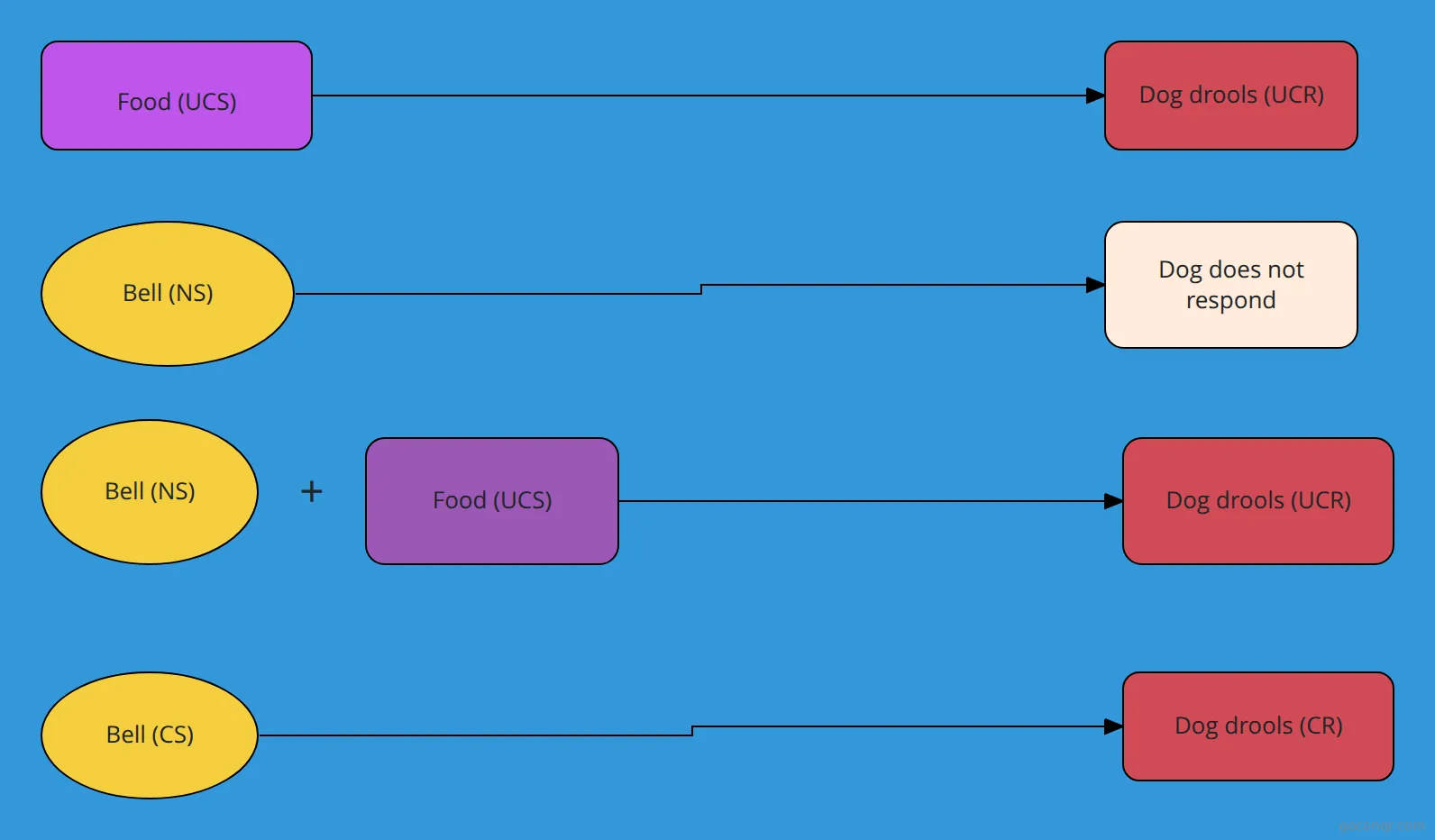 Classical conditioning (example) Example of how classical conditioning happens
-
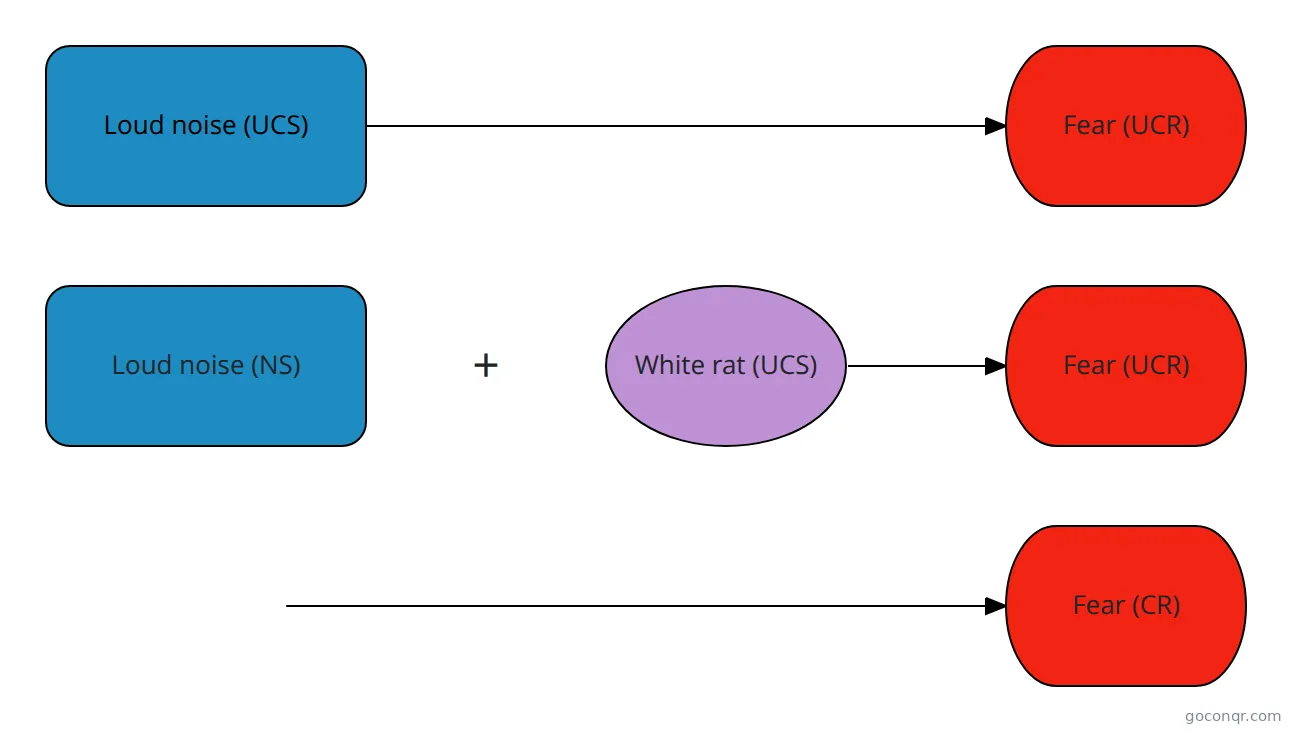 Classical conditioning- Little Albert Example of classical conditioning using little Albert
-
El Condicionamiento Clásico Y El Condicionamiento Operante
-
Principles of Learning Test 1, chapter 1,2,3 (part 1)
-
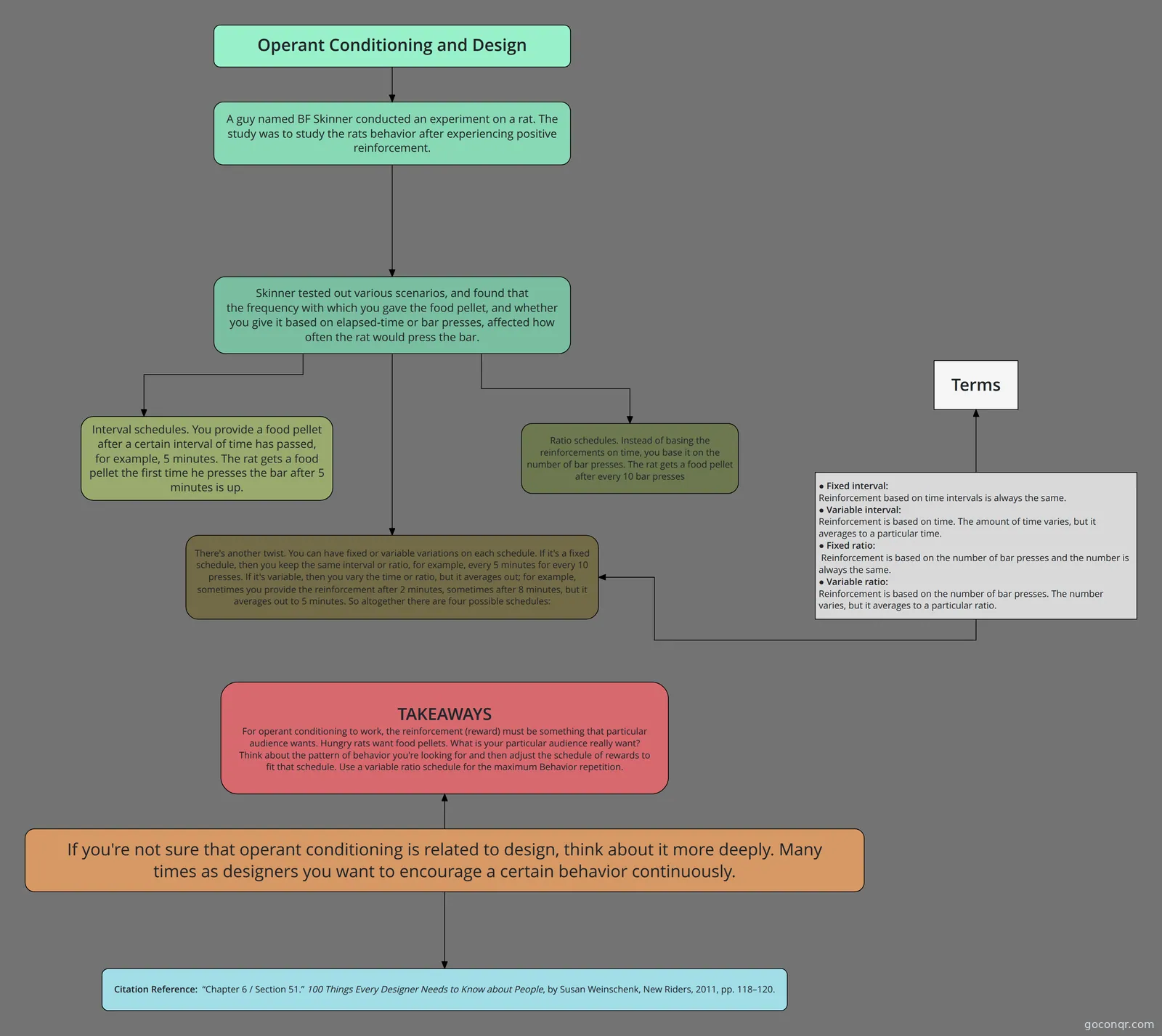 51. Variable Rewards are Powerful This resource discusses the ins and outs of the Operant Conditioning theory
-
Behavioral Theories: Pavlov and Skinner
-
Social Learning Theory
-
Classical Conditioning
Notes
See all 66 notes-
Behaviour Modification Involves reinforcing desirable behaviour and extinguishing undesirable behaviour using operant conditioning, usually involves a token economy study : Cullen and Seddon (1981)used a token economy in a youth o...
-
Unit 6: Study Questions Define learning. Be able to provide and recognize original examples of learning. (p. 249) Define phobias. (p. 250) Are animal learning principles fundamentally different from those that describe human learning? Explai...
-
Learning Theories 4.1 CONTENT 4.1.1 CLASSICAL CONDITIONING The main features of classical conditioning A stimulus is something in our environment that affects us; a response is our reaction to a sti...
-
Psych Chapter 5 Summary Definition of Learning 5.1 Define the term learning Learning is any relatively permanent change in behavior brought about by experience or practice and is different from maturation, which is genetically controlled. It...
-
Learning Chapter 8- Learning Outline • Learning is the relatively permanent change in an organism’s behavior due to experience. • When shots of electric shocks are coupled with squirts of water, the sna...
-
Learning and Behaviour Essay Plans Comparisons of the major theories: Thorndike vs. Guthrie vs. Hull vs. Tolman vs. Skinner Thorndike - Cats and puzzle boxes - Learning as gradual, trial and error - Instrumental learning- consequences connect response ...
-
Commentaries Commentary 3 The To look to the way in which a psychologist both define and study learning. This chapter look at— · the comparative approach which uses the behavio...
-
Untitled METHODOLOGY METHODOLOGY OF THE BEHAVIOURIST APPROACH One form of methodology used by the behaviourist approach (BA) is laboratory experiments with humans. This study takes place in a controlled, artificial setting. It...
Slides
See all 24 slidesTopics in Learning, Conditioning and Behaviour Analysis
More Psychology topics
About Learning, Conditioning and Behaviour Analysis
GoConqr OriginalWhat the page covers
The resources fall into three broad strands: classical conditioning, operant conditioning and observational learning. For the first, the quiz Classical conditioning asks what a US and a UCR are, and the mind map Chapter 6: Learning starts from Pavlov's demonstration of "psychic reflexes". For the second, the Operant Conditioning mind map follows B. F. Skinner and behaviour that operates on the environment. For the third, there are many resources on Bandura's work.
Where to start
- Open the Social Learning Theory mind map for definitions such as imitation, and for how direct and indirect reinforcement fit with cognitive factors.
- Move to the Bandura flashcard deck. It covers the aim, design, sample, matching process and the modelling phase of the study.
- Test yourself with the Bobo Doll Experiment quiz, which uses fill-in-the-blank questions.
- Then turn to conditioning with Classical vs Operant Conditioning.
Applied behaviour analysis
Some resources suit professional candidates. The RBT Training - Reinforcement deck sets out reinforcer, reinforcing and reinforcement, plus positive and negative reinforcement. The quiz Chaining, Shaping, and Prompting looks at shaping procedures and teaching methods. The page also lists the RBT Practice Exam quiz. BCBA and RBT are both mentioned in the listed material.
Using quizzes and maps together
Read a mind map first to see how the ideas connect. Then take a quiz on the same topic and note what you miss. Go back to the branch of the map that covers it, and check the terms with a flashcard deck. School students will find resources that mention GCSE Psychology, A-level Psychology, AP Psychology and VCE Psychology. University students will find chapter-based quizzes and exam revision sets.
Where this fits
This unit sits in the Cognition and Learning strand of Psychology. Teachers can use the maps and decks as ready-made starting points for lessons or revision. Choose one resource that matches your topic and open it now.
Frequently asked questions
Which resource should I open first?
Start with the Social Learning Theory mind map. It gives you the definitions and shows how direct and indirect reinforcement connect with cognitive factors. After that, the Bandura flashcard deck and the Bobo Doll Experiment quiz let you check what you have taken in.
What do the mind maps cover?
There are over 1,100 mind maps. They cover Pavlov and classical conditioning, Skinner and operant conditioning, behaviourism, Bandura's studies, Little Albert, and general learning chapters. Some also compare aversive and appetitive conditioning or classical and operant conditioning.
Are the resources free to use?
Yes. Every resource on this page is free to open, study and take, with no account needed. They were made by GoConqr users rather than by GoConqr itself, so it is worth checking them against your own course materials.
Which exams do the resources suit?
Listed resources mention A-level Psychology, AP Psychology, GCSE Psychology and VCE Psychology for school students. They also mention BCBA and RBT, which suit professional candidates. Many university-level quizzes follow textbook chapters instead of a named exam.
Is there anything for applied behaviour analysis?
Yes. Look at the RBT Training - Reinforcement deck, the RBT Training - Definitions deck and the RBT Practice Exam quiz. The Chaining, Shaping, and Prompting quiz covers shaping procedures and teaching methods.
What if I can't find my topic?
Try a nearby term, such as conditioning, reinforcement, Bandura or learning theory, since many resources are named after textbook chapters. With a free account you can save your quiz scores and make your own quizzes, mind maps, flashcards and notes for the gap.