
Mapa mental
Chemistry.
Conteúdo do mapa
Chemistry.
PROPERTIES
- Chemical
- Combustible/ Flammable
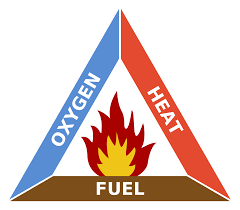
- Fire needs three things: oxygen, heat and feul.
- Reaction With Acid
- The ability of a substance to react with water. It may produce bubbles of gas and dissolving of metals.
- Reaction with Water
- The ability of a substance to react with water.
- Combustible/ Flammable
- Physical
- Qualitative
- What you see, hear, smell and touch.
- Texture, odour, lustre, clarity, taste
- Quantitative
- Gas
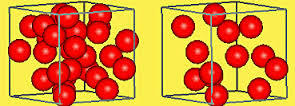
- Shape: Indefinite: always takes the shape of its container.
- Volume: Indefinite: always fills the entire container.
- Liquid
- Shape: Indefinite: always taking the shape of its container.
- Has a definite volume.
- Solid
- Has a definite/fixed shape.
- Has a definite/fixed volume.
- Viscosity
- Refers to how easily a liquid flows; the thicker the liquid, the more viscous it it.
- Melting Point
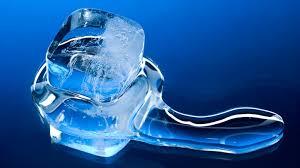
- Temperature at which a solid turns into a liquid.
- Boiling Point
- Temperature at which a liquid turns into a gas.
- Solubility
- Ability of a substance to dissolve a solvent.
- Hardness
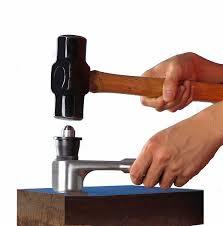
- Ability to scratch another material
- Scale: 1-10 Mohs Scale
- Conductivity
- Ability to conduct electricity.
- Density
- The amount of matter per unit volume of that matter
- Mass per volume
- Gas
- Qualitative
- Chemical
MATTER
- Pure Substance
- Composed of only 1 type of particle
- Element
- Pure Substances that consist only 1 type of atom
- Ex: Hydrogen
- Compound
- Consist of 2 or more different elements have combined to form 1 type of molecule
- Ex. Sodium Chloride
- Mixtures
- Homogeneous
- Looks the same all throughout.
- Mixtures are solutions.
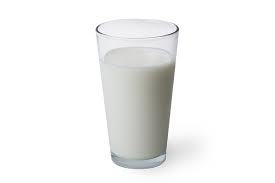
- Ex. Milk
- Heterogeneous
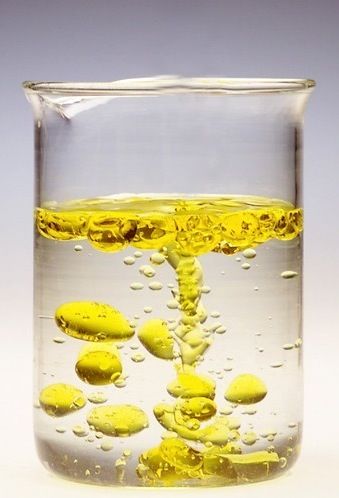
- Mixtures contain visible components.
- Ex. Water and Oil
- Different all throughout.
- Homogeneous
- Pure Substance
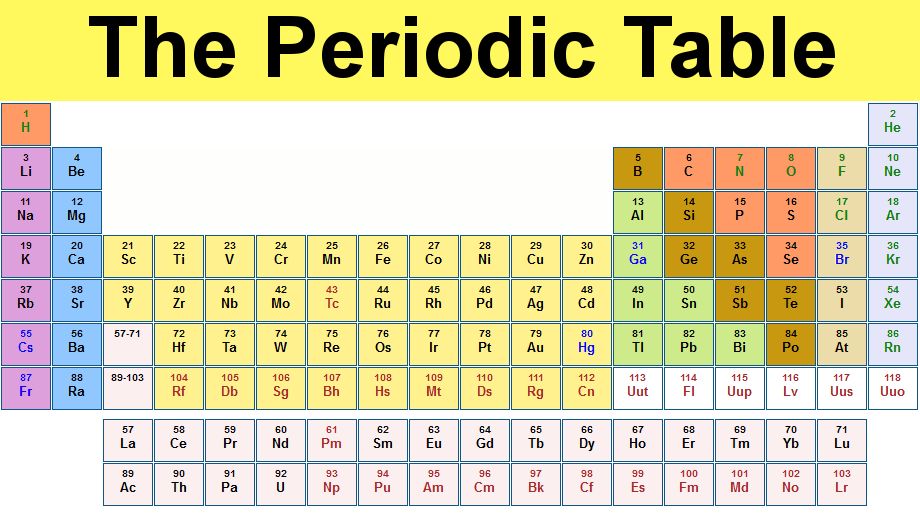
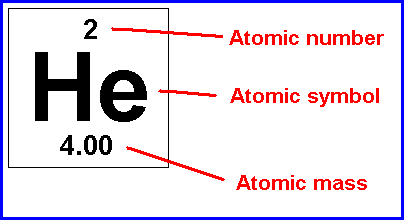
PERIODIC TABLE
- Metals
- Alkali Metals
- Chemicals elements found in group 1 of periodic table.
- Very Reactive.
- Alkaline Earth Metals
- Harder metals, many are conductors.
- Transition Metals
- Shiny, silvery, not soft, not as reactive as Alkali metals.
- Burns colourful flames.
- Shiny, solid, good conductors of electricity, malleable and ductille.
- Alkali Metals
- Non-Metals
- Hydrogen
- Very reactive, promising as an alternative feul source for automobiles.
- Not very shiny, poor conductors of heat and electricity, brittle and not ductile.
- Halogen
- Found in different states, very reactive rarely found in elemental form, poisonous in large amounts.
- Noble Gasses
- Stable (non-reactive), colourless and odourless.
- Hydrogen
- Metalliods
- Solid at room temperature, some are shiny, many conductors.
- Metals
ATOMS
- History
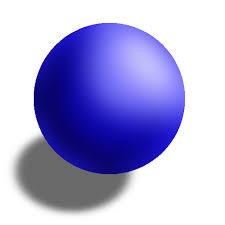
- John Dalton: 1807:Billard Ball
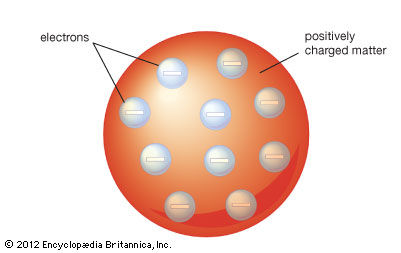
- J.J Thompson: 1897: Plum Pudding
- Rutherford: 1910: Nuclear Model
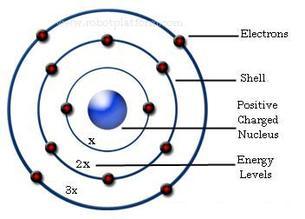
- Neils Bohr: 1912: Bohr-Rutherford Model
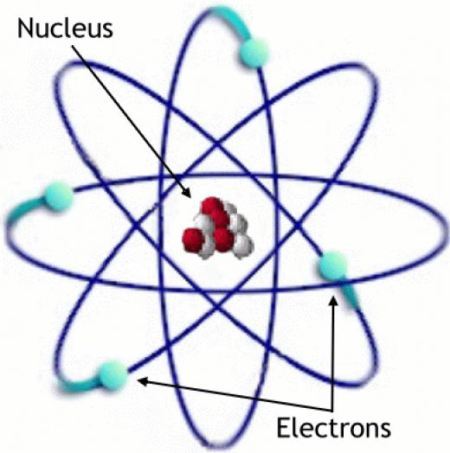
- Electron
- Negative Charge
- Addition/Subtraction of electron, changes the charge.
- Neutron
- No charge
- Addition/Subtraction of neutron changes the mass.
- Proton
- Positive charge
- Addition/Subtraction of proton changes the element.
- Atomic Structure
- Ions
- Positively or negatively charged atom or group of atoms.
- Isotopes
- One of two or more forms of an element that have the same number of protons but a different number od neutrons.
- Valence
- outer most shell is the valence shell
- Electrons on the valence shell are valence electrons.
- History
SAFETY
- Lab
- Never pour chemicals down the sink, always put them in the waste container.
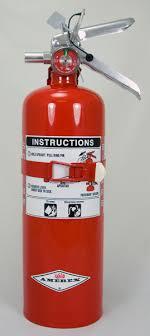
- In case of fire: use fire estinguisher on big fires, wet paper towel on small and don't throw water on fire
- Always wear safety googles, lab coats, roll up long sleeves and tie up long hair. You cant wear skirts or open toed shoes.
- Don't taste chemicals, eat or drink in equipment and don't eat or drink in the lab at all.
- When smelling chemicals, don't put face too close to test tube, waft the smell towards your nose using your hand.
- WHMIS (Workplace, Hazardous, Materials, Information, System)
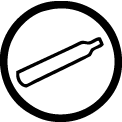
- Compressed Gas
- Oxidizing Material
- Toxix Long Term Concealed
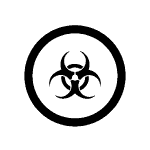
- Biohazardous Infectious
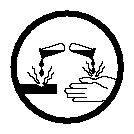
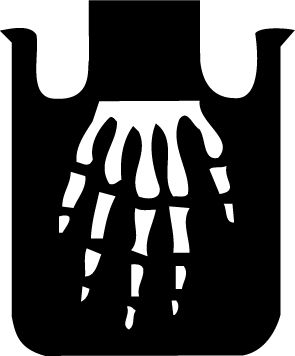
- Corrosive Material
- Dangerously Reactive
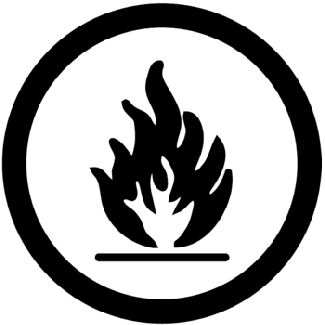
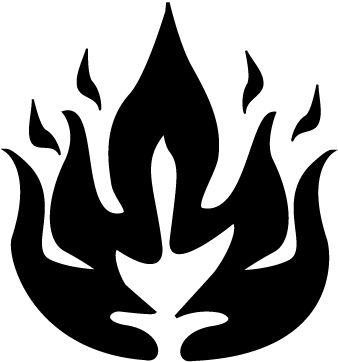
- Flammable and Combustible
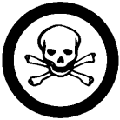
- Toxic Immediate and Severe
- HHPS (Hazardous, Household, Product, Symbols)
- Corrosive
- caution
- Flammable
- Explosive
- warning
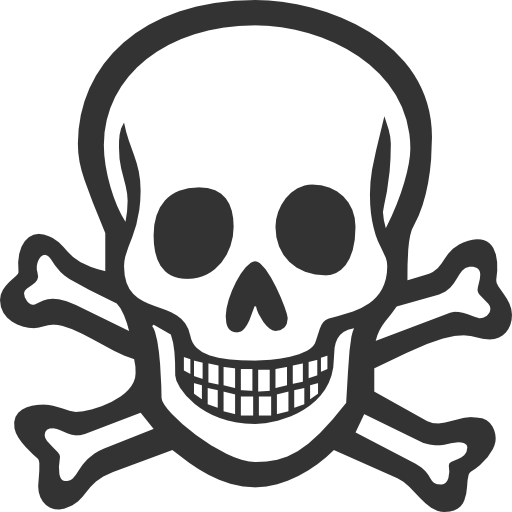
- Poison
- danger
- Lab
Imagens e arquivos do mapa




Informações
- Descrição
- Mapa Mental sobre Chemistry., criado por Ramandeep Chung em 22-03-2016.
- Criado por
- Ramandeep Chung
- Visualizações
- 0
- Avaliação