
6232923
Descrição

Mapa Mental por Helen Huang, atualizado more than 1 year ago

|
Criado por Helen Huang
aproximadamente 10 anos atrás
|
|
Different diseases of digestive system treated by different enzymes
- Exocrine Pancreatic
Insufficiency
- There is a trouble with pancreas coproduce
enough digestive enzymes ,which help to
digest the food in intestine.
- The main treatment for it is pancreatic enzyme
replacement therapy which means take the capsules with
pancreatic enzyme in order to prevent enzymes from high
temperature (M. Mamadou, PhD.2013,09).
- The main treatment for it is pancreatic enzyme
replacement therapy which means take the capsules with
pancreatic enzyme in order to prevent enzymes from high
temperature (M. Mamadou, PhD.2013,09).
- There is a trouble with pancreas coproduce
enough digestive enzymes ,which help to
digest the food in intestine.
- Lactose Intolerance
- Somebody who cannot digest lactose,they will feel diarrhea
and flatulence(M. Mamadou, PhD.2013,09).
- Supplemental digestive enzyme products
containing effective lactase enzyme can
remedy the conditions associated with lactose
intolerance(M. Mamadou, PhD.2013,09).
- Supplemental digestive enzyme products
containing effective lactase enzyme can
remedy the conditions associated with lactose
intolerance(M. Mamadou, PhD.2013,09).
- Somebody who cannot digest lactose,they will feel diarrhea
and flatulence(M. Mamadou, PhD.2013,09).
- Casein and Gluten Intolerance
- Some people cannot digest the casein and gluten which
are the proteins from milk and wheat.
- Supplemental digestive enzymes could supply
help for preventing or reducing the risks of
digestive (M. Mamadou, PhD.2013,09).
- Supplemental digestive enzymes could supply
help for preventing or reducing the risks of
digestive (M. Mamadou, PhD.2013,09).
- Some people cannot digest the casein and gluten which
are the proteins from milk and wheat.
- Food Allergies
- The intestine's complicated immune system,with
digestive enzymes, helps suppress any
allergen-inducing capability contained in the food
proteins we consume (M. Mamadou, PhD.2013,09).
- High supplemental digestive enzymes in
proteases are helpful in controlling food
allergies(M. Mamadou, PhD.2013,09).
- High supplemental digestive enzymes in
proteases are helpful in controlling food
allergies(M. Mamadou, PhD.2013,09).
- The intestine's complicated immune system,with
digestive enzymes, helps suppress any
allergen-inducing capability contained in the food
proteins we consume (M. Mamadou, PhD.2013,09).
- Microbial Control
- Digestive system may get some germs
by consuming food and drinks (M.
Mamadou, PhD.2013,09).
- Using enzymes may prevent attachment of the
germs and end infectivity by some pathogenic
intestinal bacteria(M. Mamadou, PhD.2013,09).
- Using enzymes may prevent attachment of the
germs and end infectivity by some pathogenic
intestinal bacteria(M. Mamadou, PhD.2013,09).
- Digestive system may get some germs
by consuming food and drinks (M.
Mamadou, PhD.2013,09).
- Celiac Disease
- It makes a injury to the intestinal cells so
that the functions of the brush border
enzymes and the ability of the cells to
perform their absorptive function will be
damaged(M. Mamadou, PhD.2013,09).
- It is helpful to use supplemental digestive
enzymes,which contain highly active proteases
and peptidases(M. Mamadou, PhD.2013,09).
- It is helpful to use supplemental digestive
enzymes,which contain highly active proteases
and peptidases(M. Mamadou, PhD.2013,09).
- It makes a injury to the intestinal cells so
that the functions of the brush border
enzymes and the ability of the cells to
perform their absorptive function will be
damaged(M. Mamadou, PhD.2013,09).
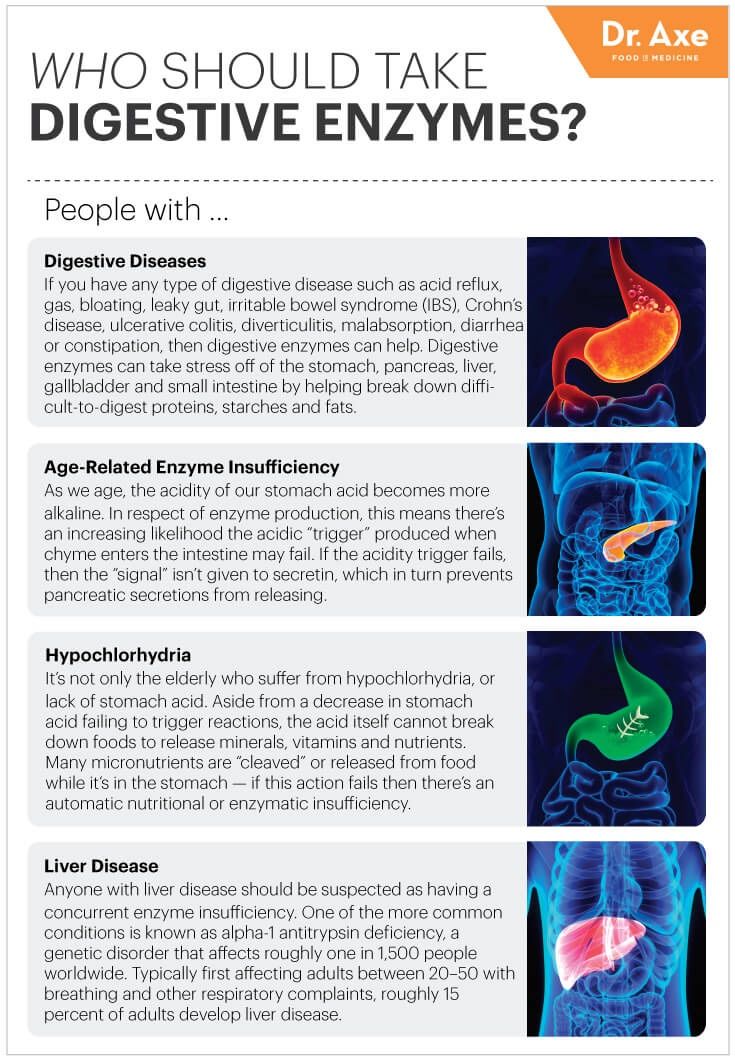
- people who should take digestive enzymes
- Dr.axe,n.d.Digestive enzymes.Retrieved from https://draxe.com/digestive-enzymes/
- Dr.axe,n.d.Digestive enzymes.Retrieved from https://draxe.com/digestive-enzymes/
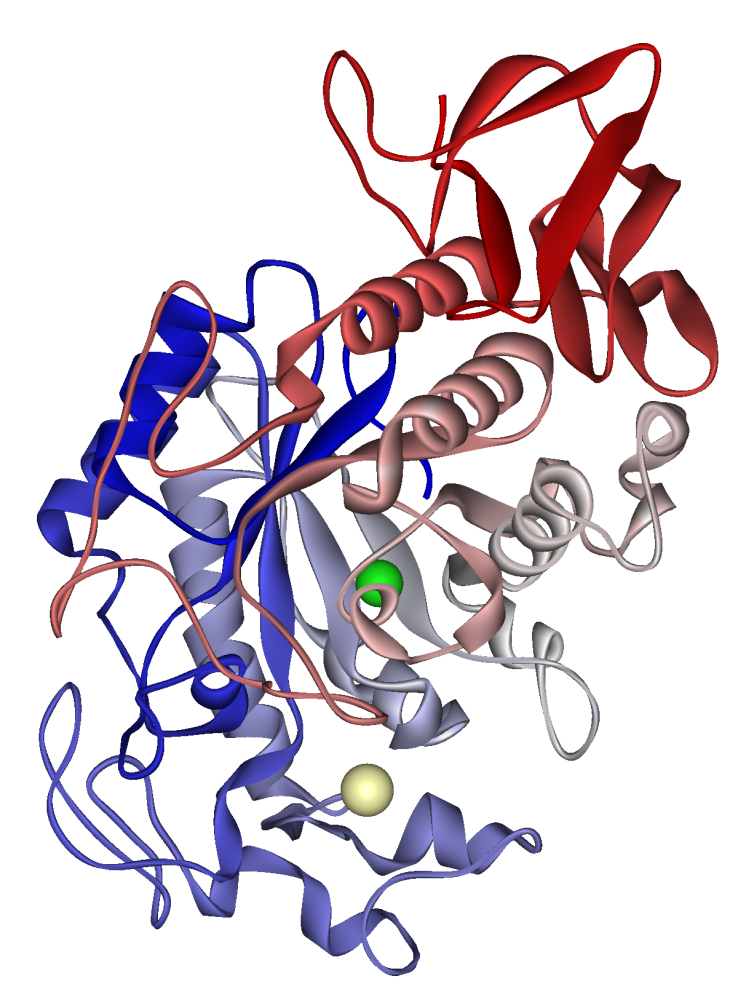
- Amylase
- It catalyses the hydrolysis of starch into sugars
(Barkalow, David G & Whistler, Roy L, n.d.)
- It catalyses the hydrolysis of starch into sugars
(Barkalow, David G & Whistler, Roy L, n.d.)
- Problem and Solution
- Enzyme is one of the food macromolecules so
that its effect can be easily influenced by some
abiotic factors such as temperature, pH, etc.
Therefore, the method named PEG is able to
improve the thermostability, pH stability and
other properties of enzymes. In addition, some
researchers solved above problem by using
lipid to wrap the enzyme medicine in order to
protect the enzyme activity (Weiwei Li,2006).
- Hypochlorhydria
- It’s not only the elderly who suffer from hypochlorhydria or have too
little stomach acid.
- Aside from a decrease in stomach acid that fails to trigger
reactions, the acid itself cannot break down foods to release
minerals, vitamins and nutrients. Many micronutrients are
“cleaved” or released from food while it’s in the stomach — if
this action fails, then there’s an automatic nutritional or
enzymatic insufficiency (Sarah Myhill, 16 January 2015.)
- It’s not only the elderly who suffer from hypochlorhydria or have too
little stomach acid.
- Liver Disease
- The liver disease always suspected as having a
concurrent enzyme insufficiency.
- Typically first hitting adults between ages 20–50 with
breathing and other respiratory complaints, as
roughly 15 percent of adults develop liver disease.
- Typically first hitting adults between ages 20–50 with
breathing and other respiratory complaints, as
roughly 15 percent of adults develop liver disease.
- The liver disease always suspected as having a
concurrent enzyme insufficiency.
- Dyspepsia
- A condition of impaired digestion
may lack of digestive enzymes.
- A condition of impaired digestion
may lack of digestive enzymes.
- lipase
- It can assist lipid to be digested, transported
and processed(Lipase, 2016, July 13).
- It can assist lipid to be digested, transported
and processed(Lipase, 2016, July 13).
- Pancreatin
- It is a mixture of a few digestive enzymes produced by the exocrine
cells of the pancreas,and is composed of amylase, lipase and
protease (Enzyme-therapy-for-cancer-and-digestive-diseases, n.d.)
- It is a mixture of a few digestive enzymes produced by the exocrine
cells of the pancreas,and is composed of amylase, lipase and
protease (Enzyme-therapy-for-cancer-and-digestive-diseases, n.d.)
- Cellulase
- It can break down the cellulose molecule into
monosaccharides (Worthington Enzyme, n.d.).
- It can break down the cellulose molecule into
monosaccharides (Worthington Enzyme, n.d.).
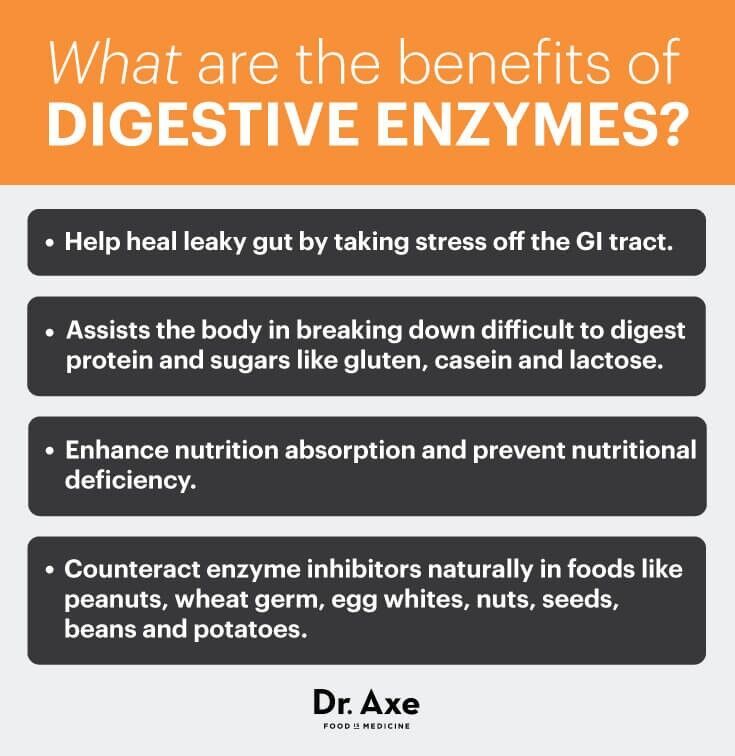
- Benefit
- Dr.axe,n.d.Digestive enzymes.Retrieved from https://draxe.com/digestive-enzymes/
- Dr.axe,n.d.Digestive enzymes.Retrieved from https://draxe.com/digestive-enzymes/
- properties of enzyme
- 1、Specificity
2、High efficiency
- 1、Specificity
2、High efficiency
Anexos de mídia
Quer criar seus próprios Mapas Mentais gratuitos com a GoConqr? Saiba mais.