
Mapa mental
Transient Response
Conteúdo do mapa
Transient Response
The time response of a control system consists of transient response and steady-state response
Which goes from the initial state to the final state
By: Abigail Romero Trejo
- 1112567
Unit-Step Response
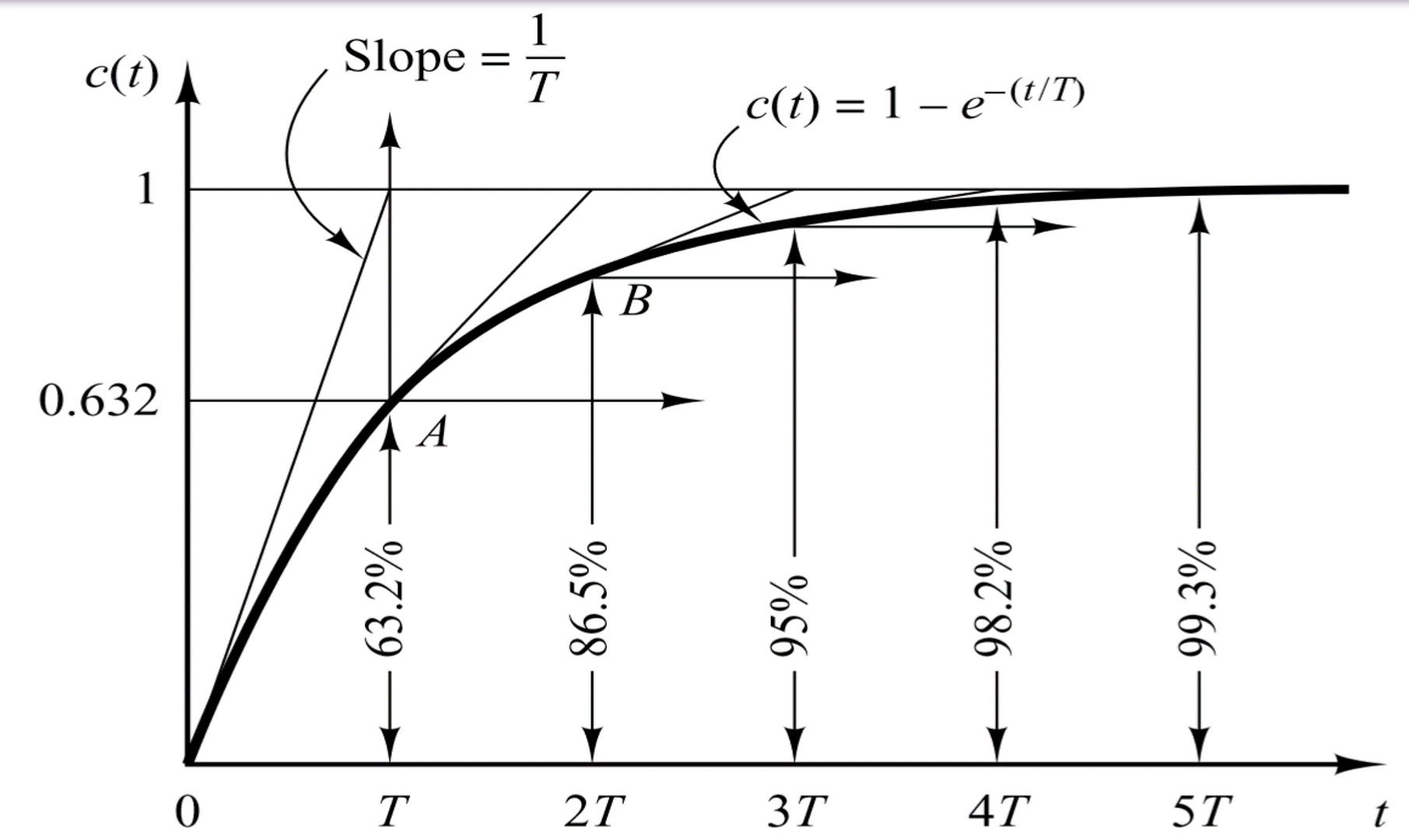
- First Order Systems
- The smaller the time constant "T", the faster the system response
- Second Order Systems
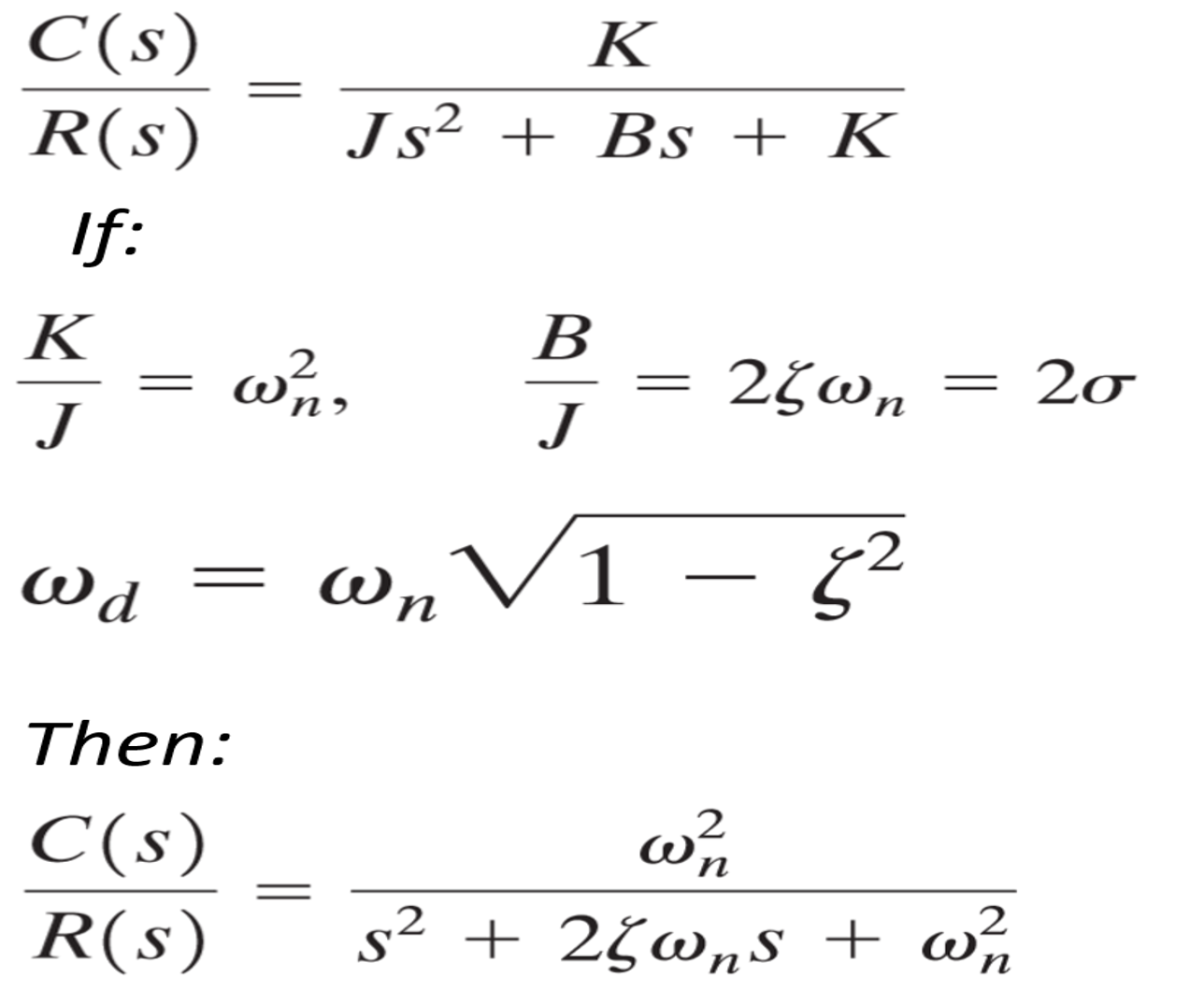
- Standard form of a transfer function
- Where:
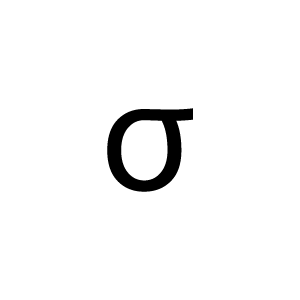
- = Attenuation
- Wn= Undamped natural frequency
- It is the frequency at which the system output would oscillate if the damping were decreased to zero
- = Damping ratio
- Wd= Damped natural frequency
- Where:
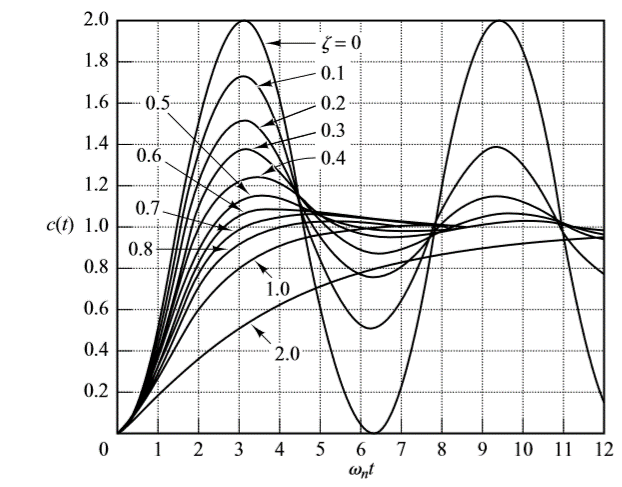
- Underdamped
- The transient response is oscillatory
- < 1
- THe poles are complex conjugates
- Lie in the left-half s plane
- 0<
- = 0
- The transient response does not die out
- Critically damped
- = 1
- The two poles are equal
- Overdamped systems
- >1
- The two poles are negative real and unequal
- Performance measures
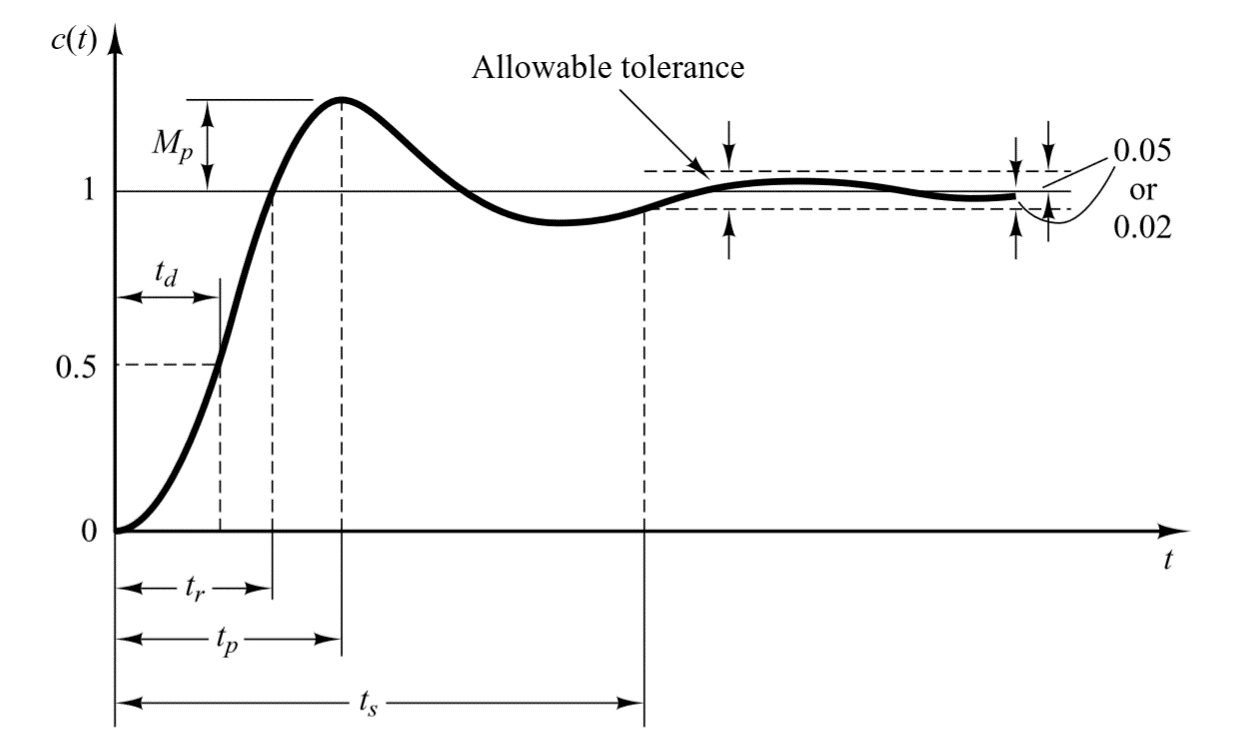
- Delay time (td)
- Time required for the response to reach half the final value the very first time
- Rise time (tr)
- Time required for the response to rise from 10% to 90%, 5% to 95% or 0% to 100% of its final value
- Peak time (tp)
- Time required for the response to reach the first peak of the overshoot
- Maximum overshoot (Mp)
- Maximum peak value of the response curve measured from unity
- Settling time (ts)
- Time required for the response curve to reach and stay within a range about the final value of size specified by absolute percentage of the final value (2-5% usually)
- Delay time (td)
- Standard form of a transfer function
- First Order Systems
Imagens e arquivos do mapa

Informações
- Descrição
- Mapa Mental sobre Transient Response, criado por Abby Romero em 09-09-2018.
- Criado por
- Abby Romero
- Visualizações
- 0
- Avaliação