
Mapa mental
MODALS
Conteúdo do mapa
MODALS
Like: CAN, COULD, MAY, MIGHT, MUST, OUGHT TO, SHALL, SHOULD, WILL AND WOULD
- Are used before another verb
- We can creep
- Are followed by a verb in its infinitive form without to
- Except for ought which must be followed by to.
- You ought to wake up earlier
- She should wake up earlier
- NOT: You should to wake up
- Except for ought which must be followed by to.
- Are immediately followed by not in the negative
- We should not/ shouldn't be late for the date
- We ought not to be late for the date
- Never change (they don't add -s or -ed or -ing)
- Go immediately before the subject in a question
- Could you call me?
- Are used before another verb
RULES AND OBLIGATION
- Mustn't and Don't have to
- Must not + verb Do/Does not have to + verb
- Although must and have to both express obligation, mustn't and don't have to have different meanings
- My classmates mustn't make a lot of noise (= it is wrong to do this, it isn't allowed).
- My family don't have to rest on holiday (= we are not obliged to but we can if we want)
- Although must and have to both express obligation, mustn't and don't have to have different meanings
- Must not + verb Do/Does not have to + verb
- Should
- When we are talking about the right thing to do
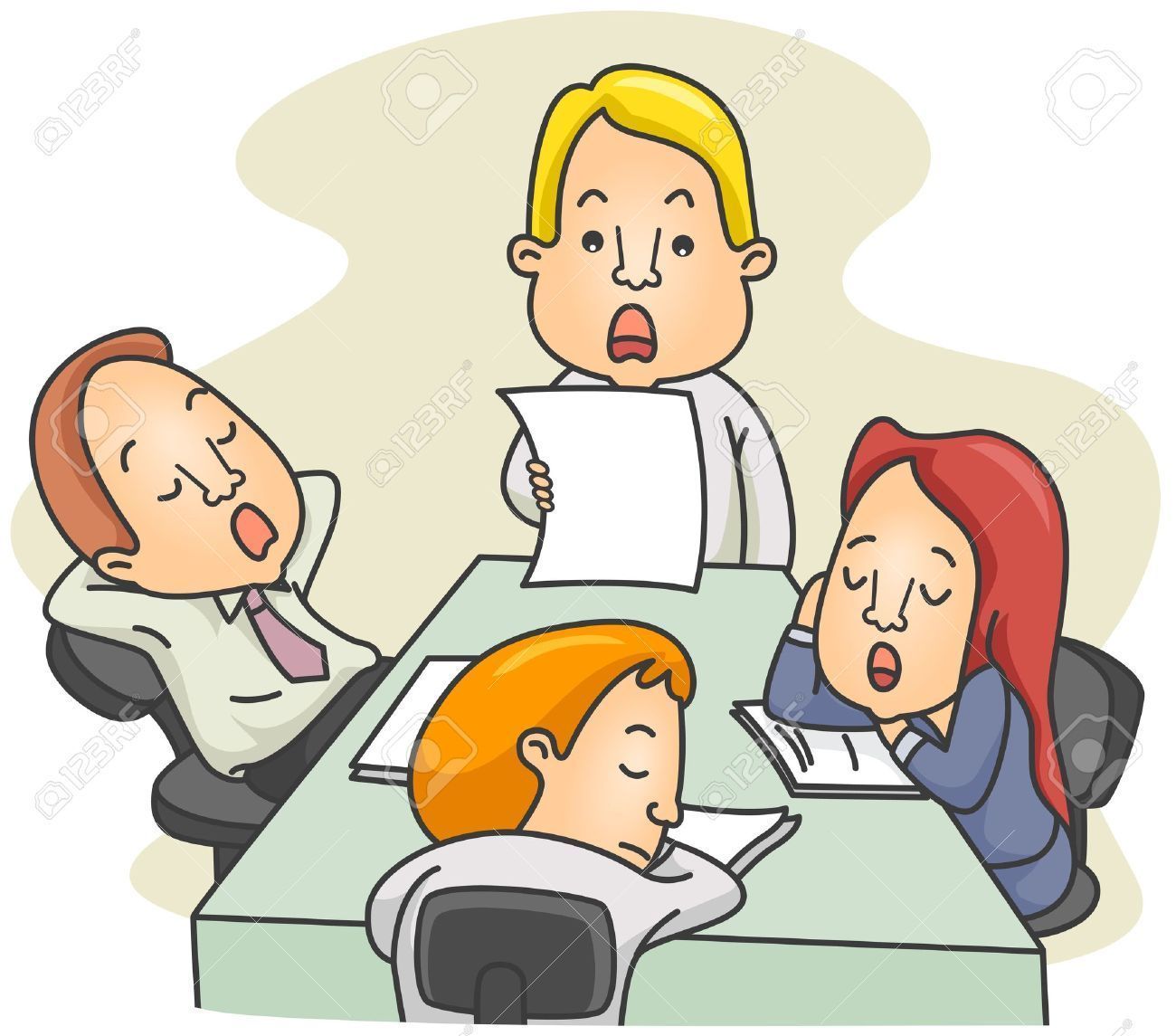
- They shouldn't doze off in the reunion. (= it's the wrong thing to do but she still does it).
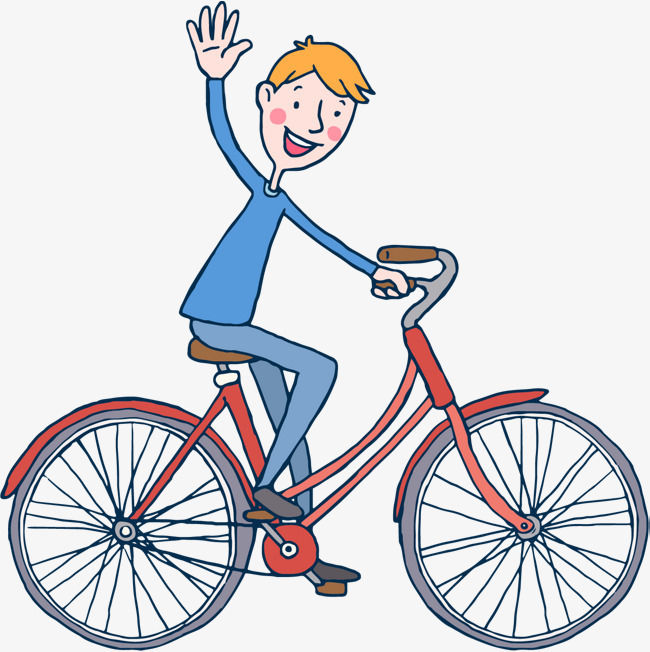
- Demian should be careful while he is riding his bike.. (= it's the right thing but he doesn't do it)
- To talk about the past, we should have + past participle
- I should have done the homework. (= this was the right thing to do but I didn't do it)
- Alfredo shouldn't have liked me. (= this wasn't the right thing to do but I did it)
- It is also possible to use ought to or ought to have in these sentences, but it is less common.
- When we are talking about the right thing to do
- Have/has got to
- In speech and informal writing, we often use have/has got to instead of have/has to. Have/has got to normally refers to a particular action rather than a general situation
- We have to work very hard this morning. or We've got to work hard this morning.
- Don't you have to finish that project today? or Haven't you got to finish that project today?
- They have to work very long hours. (NOT: They have got to work very long hours).
- When we refer to the past we use had to.
- Roberta had to get up earlier when she was your age. (NOT: She'd got to get up)
- In speech and informal writing, we often use have/has got to instead of have/has to. Have/has got to normally refers to a particular action rather than a general situation
- Must and Have to
- For obligation, we can often use either must or have to
- I must go now or I'll go alone. or I have to go now or I'll go alone.
- We use must to give orders, for written notices or for strong advice, including to ourselves
- Sam must go now (= She has decided to do this, or it's important for her to do this)
- When the obligation doesn't come from the speaker, must is possible but have to is more usual
- You have to park your car in the (= it's in the mall rules)
- I have to stay until the last client is gone. (= this is part of my job).
- We usually use have to for habits
- Frank has to prepare his things for the game
- I have to wake up earlier.
- We only use must in one form and it refers only to the present or future. For other verb forms, we use have to
- I had to work everyda.y. (past simple)
- I'll (will) have to work (=future)
- I avoided having to speak crossing the town (verb + -ing)
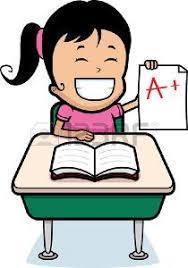
- If I don't have a mistake, I'd (would) have to have an A+. (conditional)
- For obligation, we can often use either must or have to
- Mustn't and Don't have to
NECESSITY
- We can use need + [to infinitive] as a normal main verb in all the tenses, but it also has a modal form in the negative
- She doesn't need to do it. or She needn't come. (=she doesn't have to do- it's not necessary)
- In positive statements
- She needs to do it (NOT: She need do it)
- To talk about the past
- Diana needed to get a point (=it was necessary because she lost one)
- Diana didn't need to get a point. (=itwasn't necessary because she already had 10).
- Needn't have has a different meaning
- Diana needn't have gotten a point. (= she got a point but her teacher gave her one so now she has two extra points!)
- We can use need + [to infinitive] as a normal main verb in all the tenses, but it also has a modal form in the negative
MAKING OFFERS
- There are several ways of offering help to someone
- Can I/we + [verb in infinitive form without to before] ?
- Can I help you to cook breakfast?
- Shall I/we + [verb in infinitive form without to before] ?
- Shall I clean the kitchen for you?
- I can/ I coul/ I'll + [verb in infinitive form without to before]
- I can borrow you some money
- Why don't I + [verb in infinitive form without to before] ?
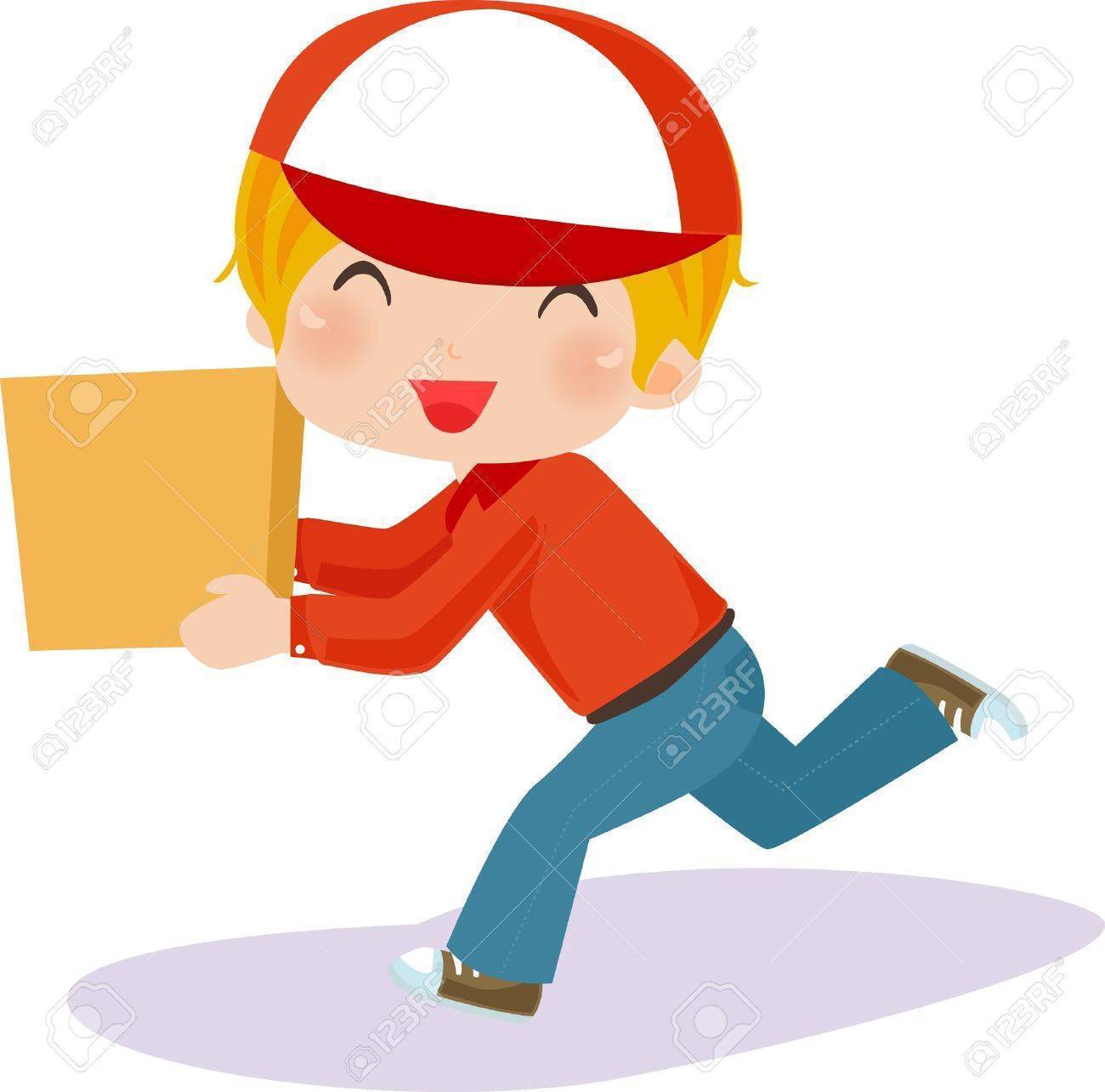
- Why don't I carry the last box for you?
- Woul you like me + [verb in infinitive form] ?
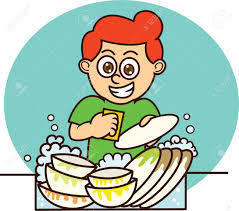
- Would you like me to do washing up?
- Can I/we + [verb in infinitive form without to before] ?
- There are several ways of offering help to someone
ASKING FOR AND GIVING PERMISSION
- We can ask for permission by saying:
- Can I + [verb in infinitive form without to before] ?
- Can I leave my bag here while I look around the shop? (= a simple request which expects the answer yes)
- Couid I + [verb in infinitive form without to before] ?
- Could I borrow your house for the party? (= more polite or a request which is less sure of the aswer being yes
- May I + [verb in infinitive form without to before] ?
- May I sit here? (= a more formal request, particularly to a stranger)
- Can I + [verb in infinitive form without to before] ?
- We usually answer by saying:
- Of course (you can). / OK. / Certainly.
- I'm afraid not. (= polite) / No, you can't. (= not very polite)
- May is often used in written notices to say what is or isn't allowed
- You may borrow seven books from the library
- We can ask for permission by saying:
MAKING REQUESTS
- We use Can you?, Will you?, Could you?, Do you think you could?, Would you? or Would you mind? to ask someone else to do something
- We often use Can you? or Will you?, especially in informal conversation
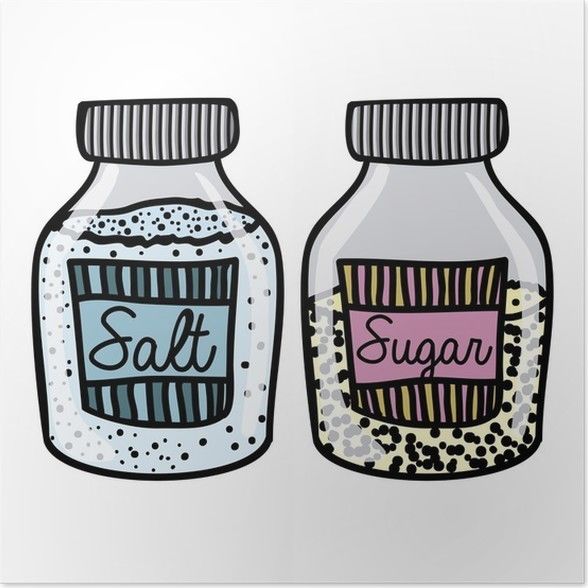
- Can you pass me the salt?
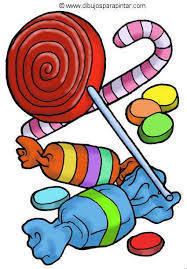
- Can you get me some candies from the store?
- To be more polite, we use Coul you?, and Would you?
- Could you tell me where the cinema is?
- Would you lend me your cellphone?
- We often use Do you think you could? (NOT: Do you think you can?) to make requests
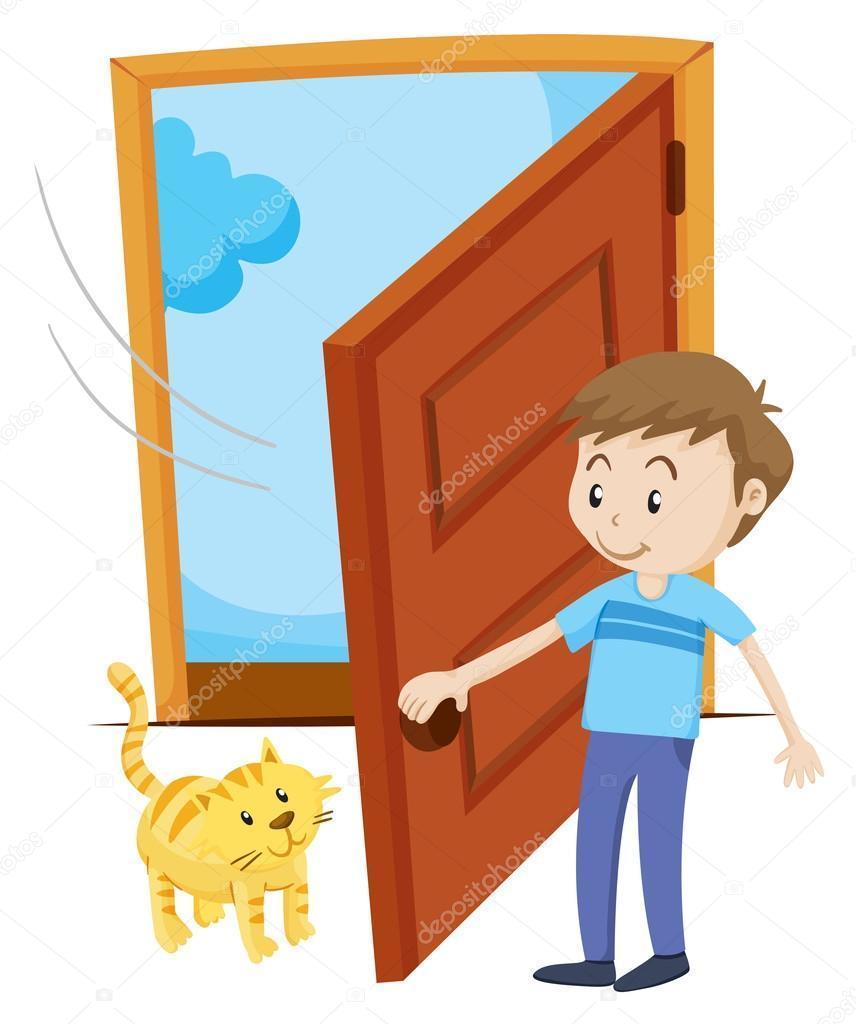
- Do you think you could shut the door?
- We usually answer by saying
- (Yes) of course (I can/ I will). or OK. or Maybe
- I'm sorry, I'm afraid I can't. (NOT: No I won't, which sounds rude)
- We never use May you? to ask someone to do something (NOT: May you give me the sugar?
- We use Would you mind (not) -ing? when we want to be very polite
- Would you mind doing quickly the document?
- Would you mind not shouting near to me?
- The reply to a question with Would you mind? is negative
- Not at all. (= I don't mind doing quickly the document. / We don't mind stopping shouthing near to you.
- We often use Can you? or Will you?, especially in informal conversation
- We use Can you?, Will you?, Could you?, Do you think you could?, Would you? or Would you mind? to ask someone else to do something
MAKING SUGGESTIONS
- To make a suggestion, we can use:
- Let's
- Let's + [verb in infinitive form without to before]
- Let's drive to the town centre today
- Let's + [verb in infinitive form without to before]
- What about
- What about + [verb in gerund] ?
- What about driving to the town centre today?
- What about + [verb in gerund] ?
- How about
- How about + [verb in gerund] ?
- How about driving to the town centre today?
- How about + [verb in gerund] ?
- Shall I/we
- Shall I/we + [verb in infinitive form without to before] ?
- Shall we drive to the town centre today?
- Shall I/we + [verb in infinitive form without to before] ?
- Why don't I/we/you
- Why don´t I/we/you + [verb in gerund] ?
- Why don't you drive to the town centre today?
- Why don´t I/we/you + [verb in gerund] ?
- If we are less sure of what we are suggesting, we can say
- i/we/you could + [verb in infinitive form without to before]
- We could drive to the town centre today.
- i/we/you could + [verb in infinitive form without to before]
- Let's
- To make a suggestion, we can use:
GIVING ORDERS AND ADVICE
- To give orders and advices, we use: Must (the strongest), Had better (stronger), ought to/should (strong) and could (less strong
- We don't use mustn't or couldn't when giving advice
- To talk about the right thing to do in the past
- We shouldn't have spoken a lot.
- To talk about the past
- You should have/ought to have accepted the ride. (= it was a good idea to accept it but you didn't)
- For the negative
- You shouldn't have worn that dress (= you wore it but it wasn't a good idea)
- For the negative
- You should have/ought to have accepted the ride. (= it was a good idea to accept it but you didn't)
- We don't use mustn't or couldn't when giving advice. We can use all these to talk about the right thing to do
- You could start looking for a boyfriend (= suggestion)
- Dan should/ ought to be patient (=advice)
- I must try not to fall (=an order)
- Yam had better go and say sorry.
- They ought not to tell that (=advice)
- To give orders and advices, we use: Must (the strongest), Had better (stronger), ought to/should (strong) and could (less strong
Imagens e arquivos do mapa


















Informações
- Descrição
- Grammar B52 Mapa Mental sobre MODALS, criado por ANGELES DALAI TORRES em 29-09-2018.
- Criado por
- ANGELES DALAI TORRES
- Visualizações
- 4
- Avaliação