
Mapa mental
Ear
Conteúdo do mapa
Ear
Normal
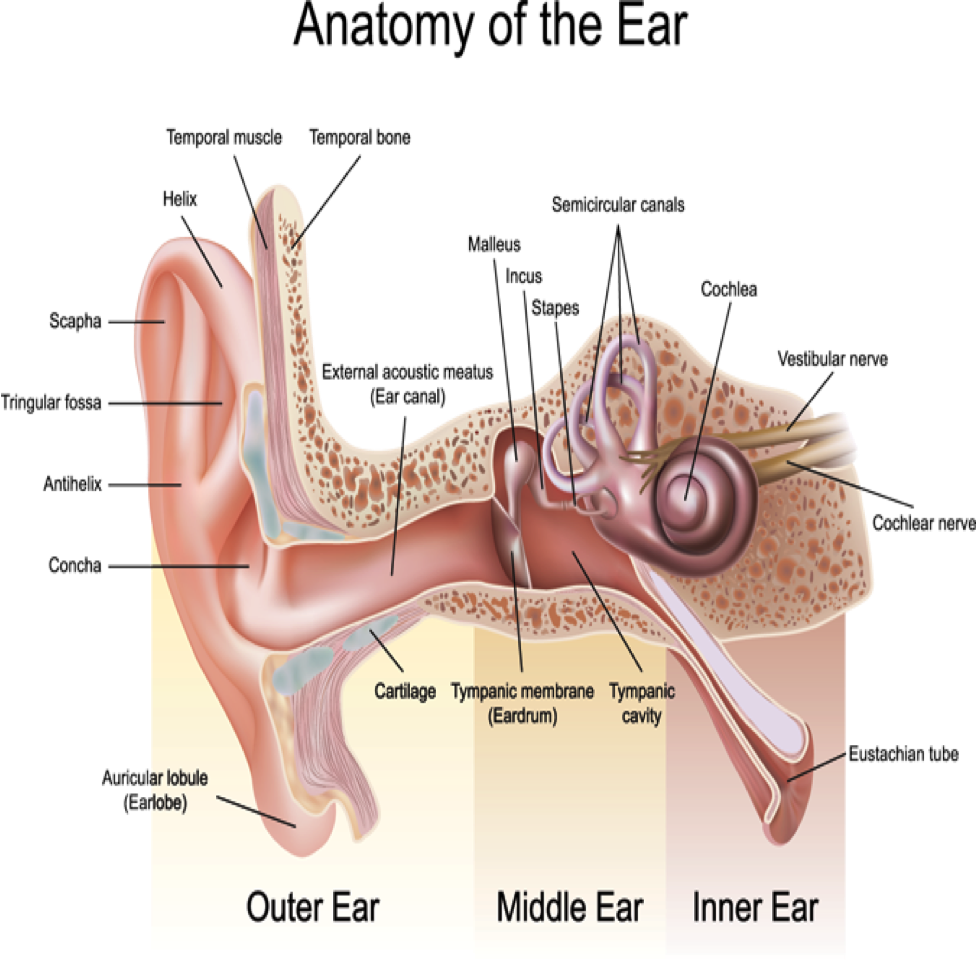
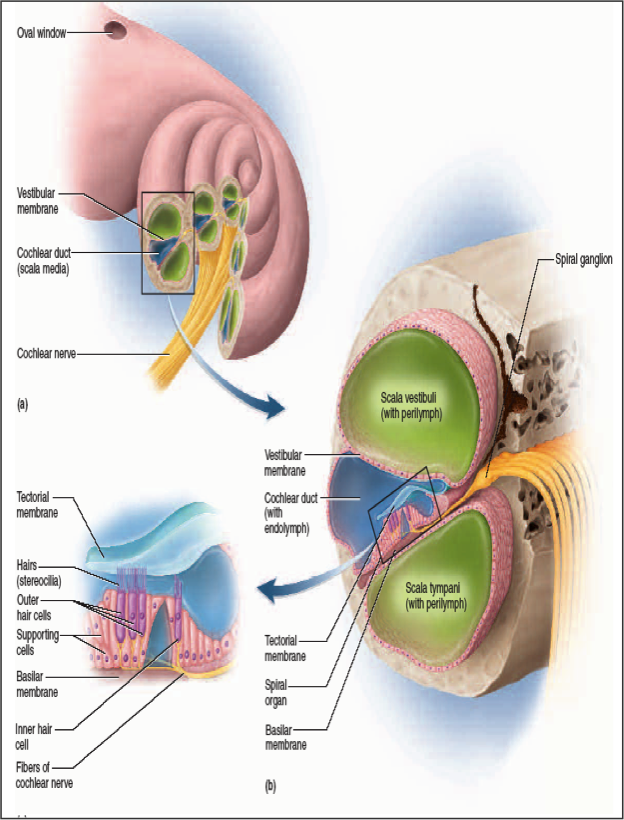
- Structure
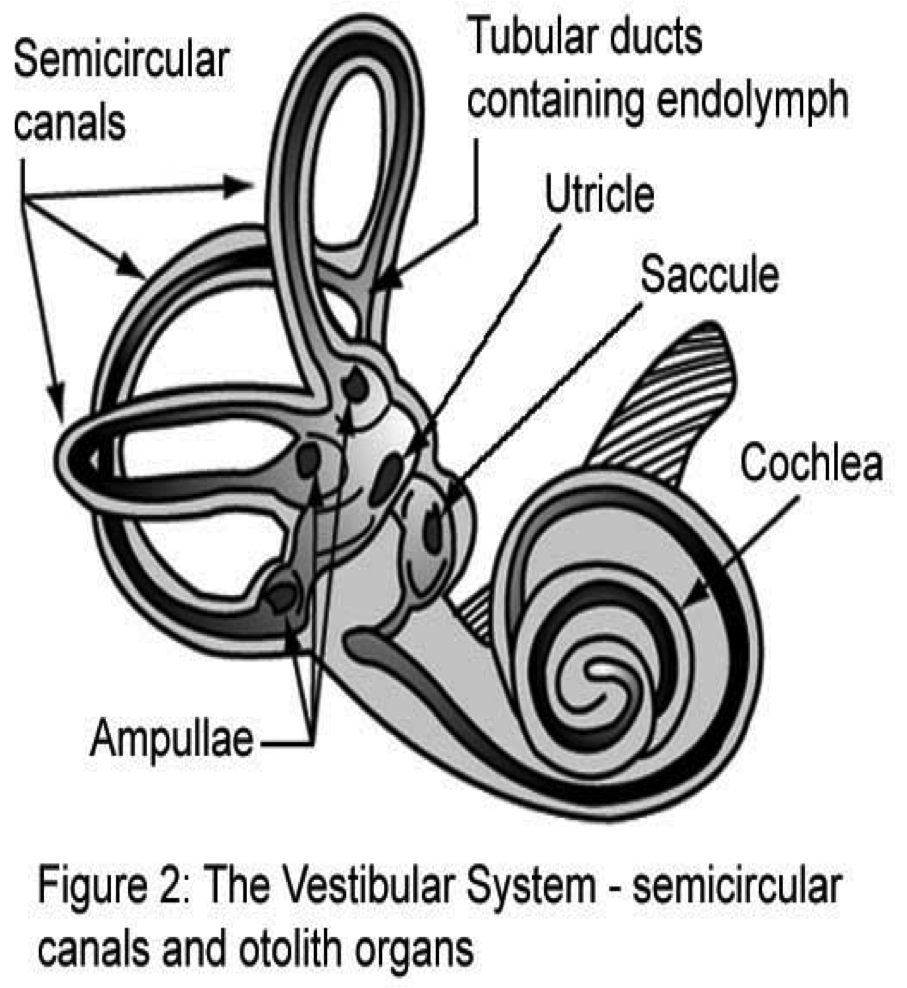
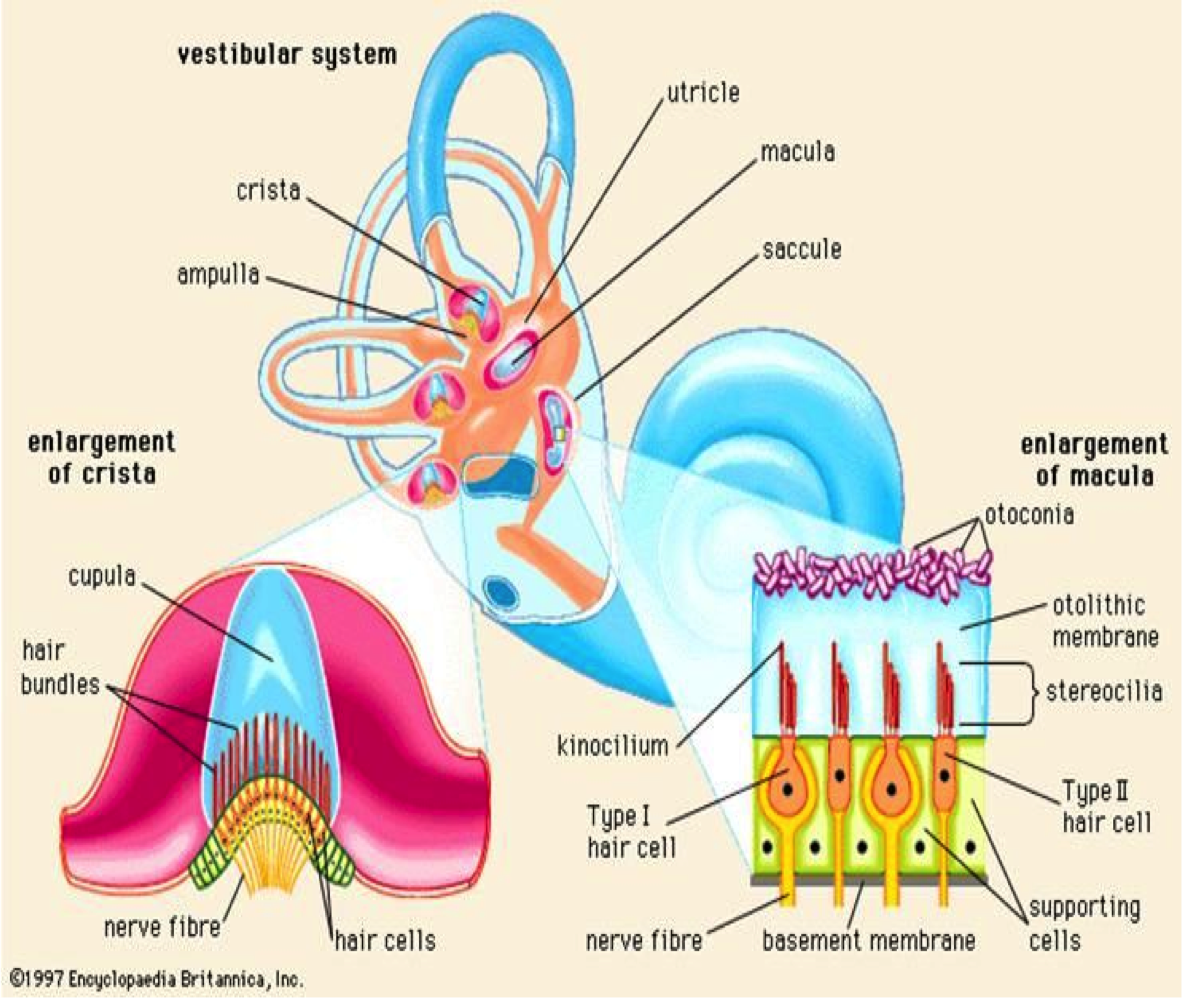
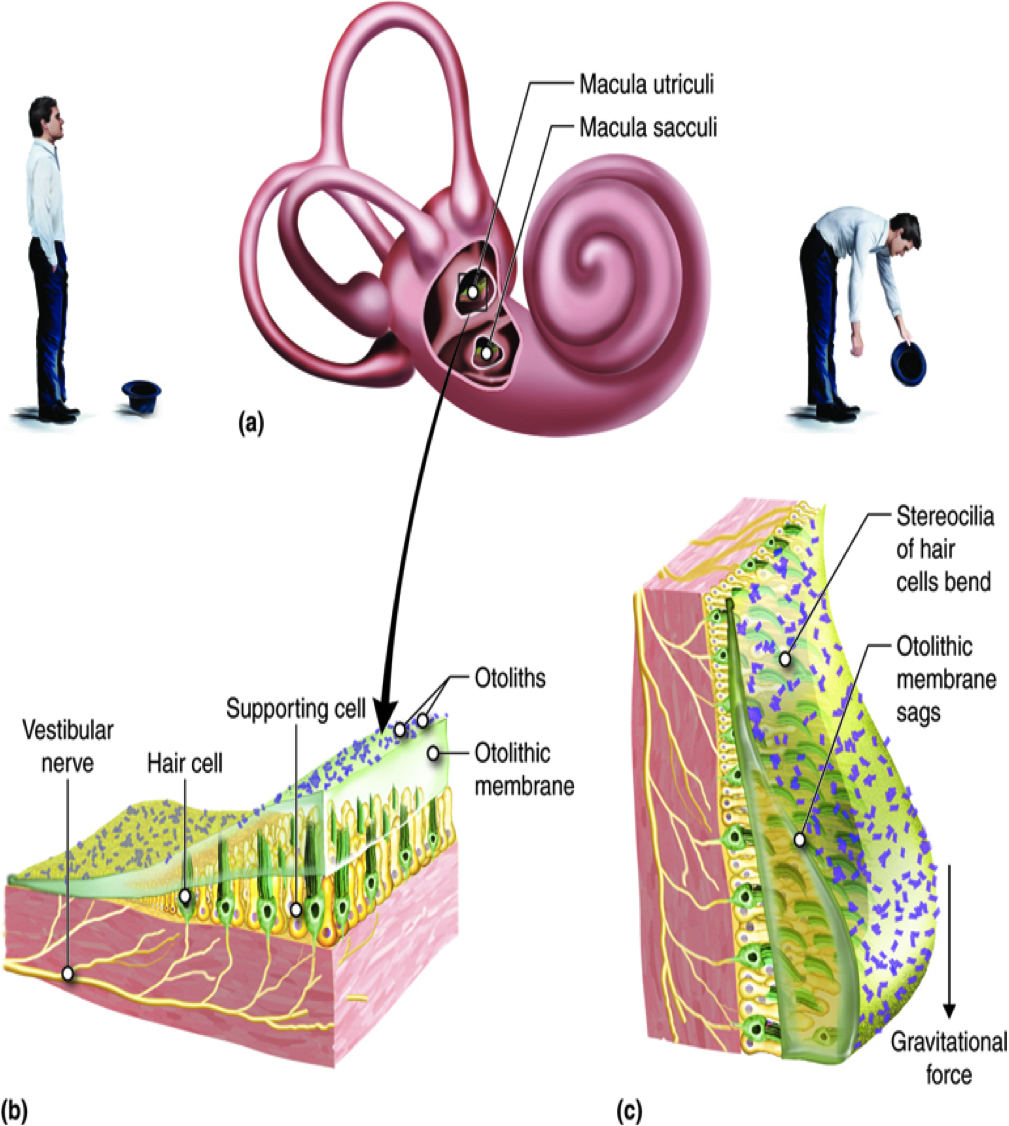
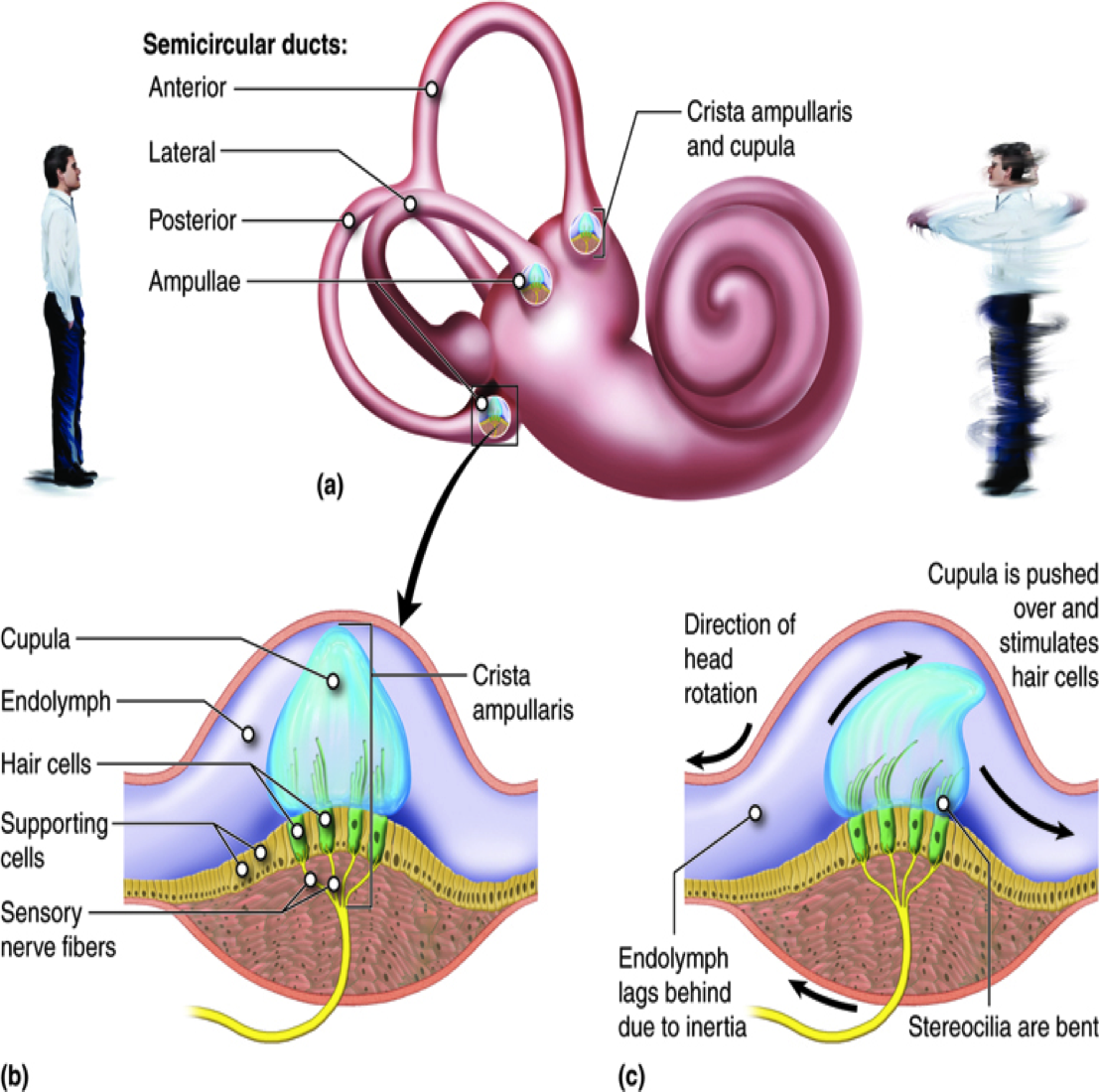
- Vestibular system
- Vestibular system
- Physiology
- Hearing
- Conduction of Sound
- External Ear
- Localization and amplification of sounds
- Transmission to tympanic membrane
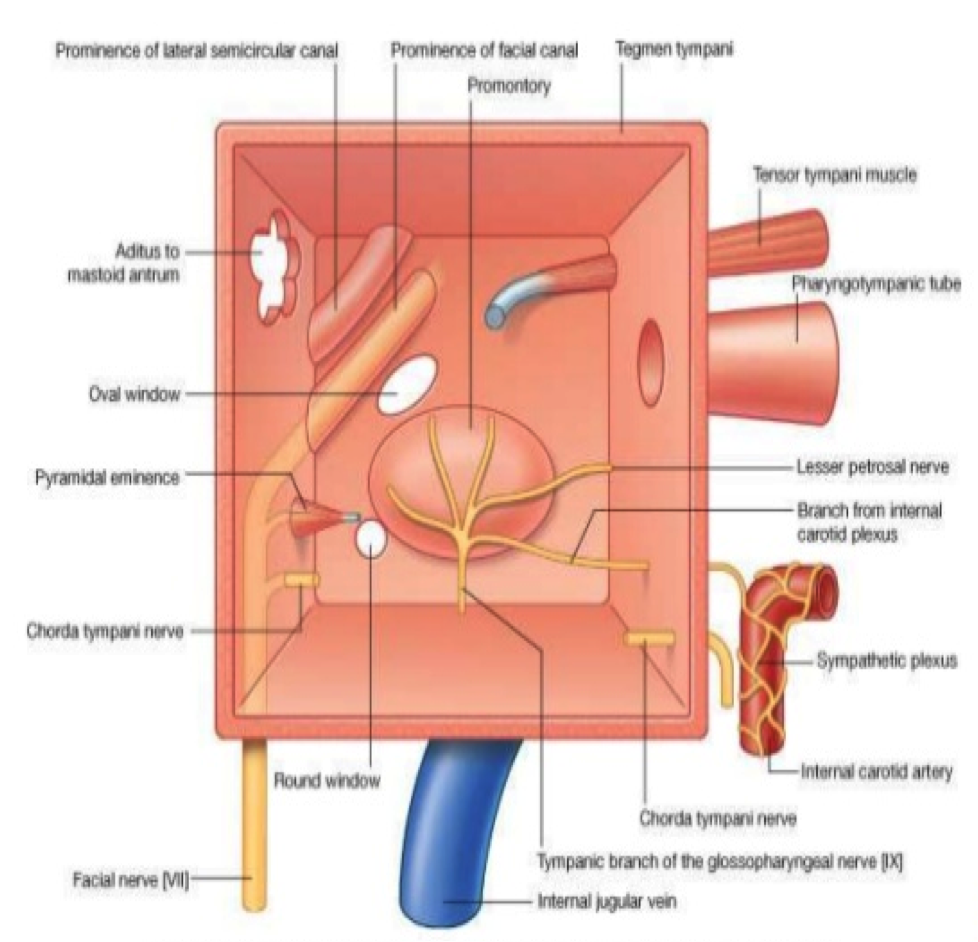
- Middle Ear
- Vibration of tympanic membrane
- Impedance matching
- Inner Ear
- 3 Parts separated by membranes
- Organ of Corti
- Excitation of Hair Receptors
- Balance
- External Ear
- Conduction of Sound
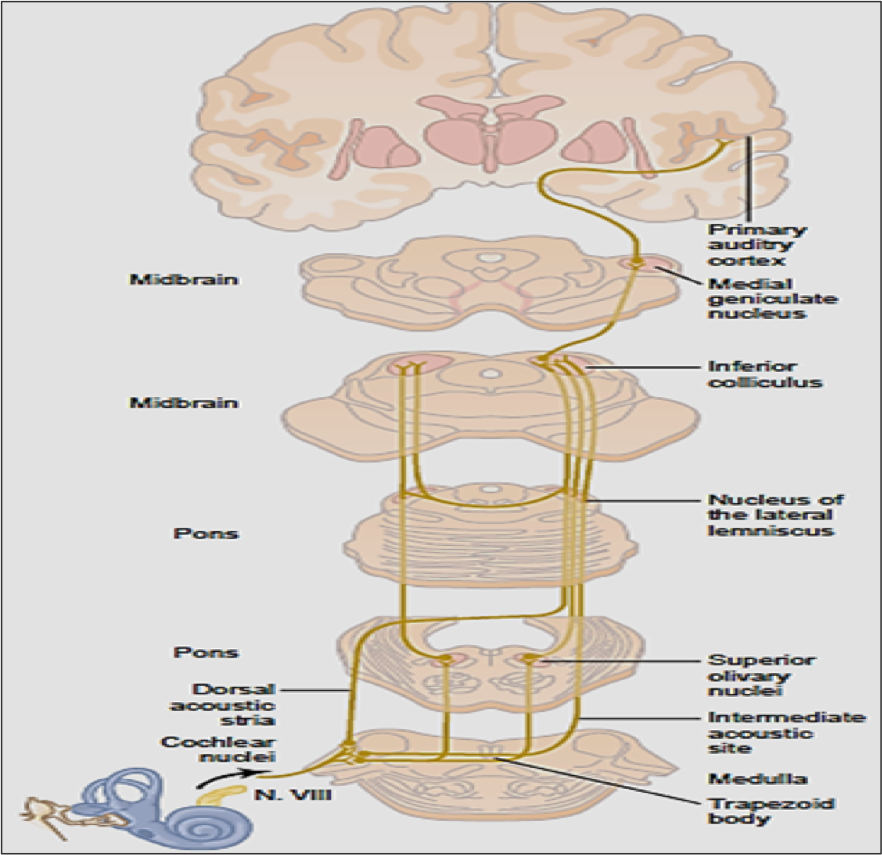
- Auditory Pathway
- Hearing
- Structure
Abnormal
- Ear Infections
- Otitis Externa
- Acute localized otitis externa
- Infection of the hair follicle “ Furuncle” / Staphylococcus aureus / Cartilaginous meatus
- S&S: Sever pain, discharge, hearing loss, and aural fullness. On examination: Local tenderness, EAC edematous, tender preauricular lymph node, furuncle in the posterior meatal, and obliterations of the retroauricular groove
- Acute diffuse otitis externa
- Commonest, called swimmer’s ear / Pseudomonas aeruginosa, staphylococcus aureus, proteus mirabilis
- S&S: Pain, itching, aural fullness, and hearing loss. On examination: tenderness, EAC narrow and congested, with edematous skin, and there will be clear or purulent exudates
- Malignant otitis externa
- Invasive infection / Pseudomonas aeruginosa / Extend into deeper tissues (bone, soft tissue, and vascular system) / Immune compromised people, malnourished, diabetes mellitus, leukemia
- S&S: Otalgia, otorrhea, pain that tend to be worse at night, radiating pain to temporomandibular joint “pain with chewing”
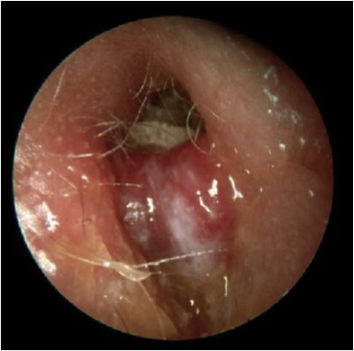
- Fungal otitis externa (Otomycosis)
- 10% presents with S&S of otitis externa / 90% aspergillus species, the rest candida species
- S&S: Malodorous discharge, inflammation, pruritus, scaling, and severe discomfort
- Acute localized otitis externa
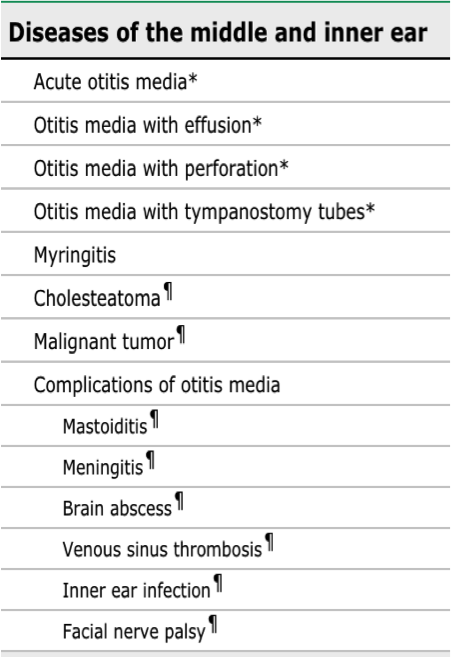
- Otitis Media
- Acute
- Children after sore throat, cold, or upper respiratory / Bacteria: Streptococcus pneumoniae (40%), haemophilus influenzae (25%), moraxella catarrhalis (15%) / Viruses (20%): Respiratory syncytial virus, rhinoviruses, influenza viruses, and adenoviruses
- S&S: Fever, irritability, vomiting, anorexia, cough, pulling or rubbing of the “below 2 years”, otalgia, otorrhea, pain and hearing loss, upper respiratory symptoms
- Chronic
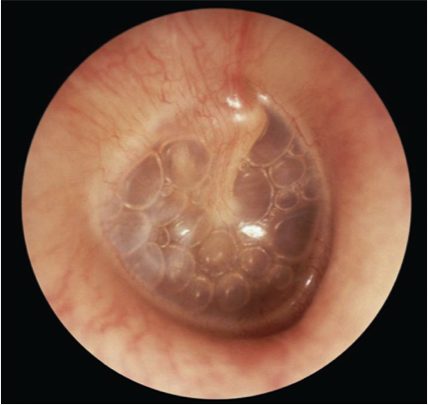
- Otitis media with effusion
- S&S: Hearing loss, conductive hearing loss, tinnitus, and bulging or retraction of tympanic membrane. Self-limiting 80%, if it persists (tympanostomy tube insertion)
- Self-limiting 80%, if it persists (tympanostomy tube insertion)
- Chronic suppurative otitis media
- S&S: Hearing loss, delayed intellectual development, limited employability, and disturbed social life, fatal if untreated
- Otitis media with effusion
- Complications
- Extracranial
- Hearing loss
- Types
- Conductive Hearing Loss
- Sensorineural Hearing Loss
- Mixed Hearing Loss
- Types
- Facial nerve paralysis
- Labyrinthitis
- Mastoiditis with subperiosteal abscess
- Mastoidectomy
- Types
- Simple mastoidectomy: removing the infected air cells, and draining middle ear
- Radical mastoidectomy: removing mastoid air cells, eardrum, most of middle ear structures, and ear canal. This procedure is reserved for complicated mastoid disease
- Modified radical mastoidectomy: less severe form of radical mastoidectomy involves removing mastoid air cells along with some, but not all, middle ear structures
- Types
- Mastoidectomy
- Petrositis
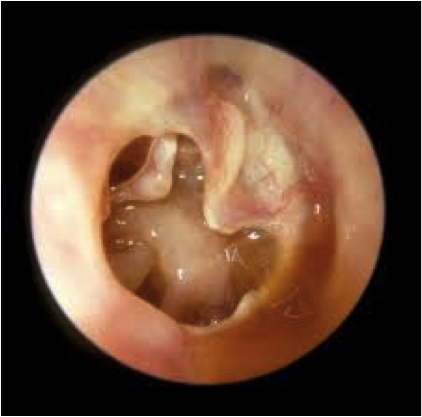
- Cholesteatoma
- Types
- Primary acquired
- It happens because of tympanic membrane retraction which forms a cyst or pouch
- Secondary Acquired
- Happens secondary to the pathologic changes that happens to the tympanic membrane: recurrent infections, perforation of tympanic membrane or trauma to tympanic membrane
- Congenital
- Caused by the remnants of epithelium that accumulate during the embryological development and get trapped in the middle ear behind the tympanic membrane
- Primary acquired
- Types
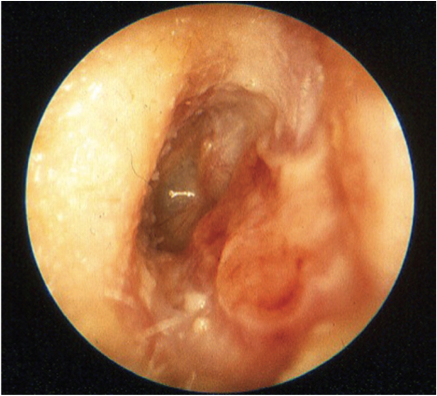
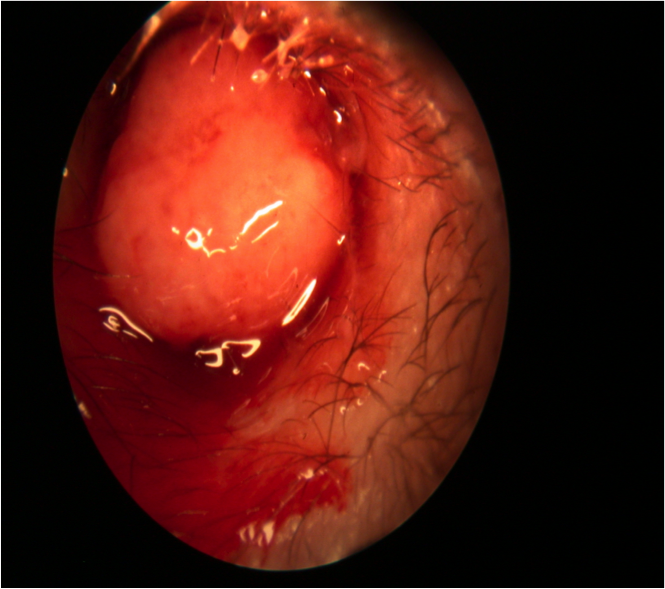
- Aural polyps
- An otic, or aural, polyp is a benign proliferation of chronic inflammatory cells and granulation tissue that is usually lined with benign reactive epithelium
- Solitary, Polypoid, Reddish mass
- Hearing loss
- Extracranial
- Management
- First-line
- Amoxicillin
- Amoxicillin-clavulanate
- In case the bacteria produce beta-lactamase
- Second-line or nonsevere penicillin allergy
- Cefdinir / cefuroxime / cefpodoxime
- Ceftriaxone (i.m)
- First-line
- Acute
- Otitis Externa
- Vertigo
- Peripheral vestibular causes
- Acute labrynthitis / Vestibular neuritis / BPPV / Cholestotoma / Menier’s disease / Ostosclerosis / Perilymphatic fistula, SCDS / Impacted wax
- Central vestibular causes
- Cerebellopontine angle tumor / Cerebrovascular disease / Migraine / Multiple sclerosis
- False sense of motion, usually rotational
- Peripheral vestibular causes
- Tinnitus
- Objective
- Vascular (pulsatile)
- A/V malformations / Vascular tumors / Venous hum (cardiac murmurs, anemia, BIH, thyrotoxicosis, pregnancy, dehiscent jugular bulb) / Atherosclerosis / Ectopic carotid artery / Persistent stapedial artery / Vascular loops
- Neuromuscular
- Palatomyclonus / Stapedial muscle spasm
- Patulous eustachian tube
- Significant weight loss, radiation to the nasopharynx
- Vascular (pulsatile)
- Subjective
- Otologic
- Hearing loss (presbycusis, noise exposure, otosclerosis, middle ear effusion) / Meniere’s disease / Acoustic neuroma
- Ototoxic drugs or substances
- Neurologic
- MS / Head trauma
- Metabolic
- Thyroid disorders / Hyperlipidemia / B12 deficiency
- Psychological
- Depression / anxiety
- Infectious
- Syphilis / Meningitis
- Otologic
- The perception of sound in the absence of external stimuli
- Objective
- Otorrhea
- Purulent discharge indicates the presence of infection: Onset of an acute infections (white), persistent (yellow or brown)
- Mucoid discharge indicates a perforation of the tympanic membrane
- Bloody discharge may follow trauma or occur with granulation tissue associated with chronic infection
- Clear, watery fluid, especially when associated with a history of trauma or skull base surgery, is likely to be CSF
- Foul-smelling discharge is usually associated with cholesteatoma or a neoplasm
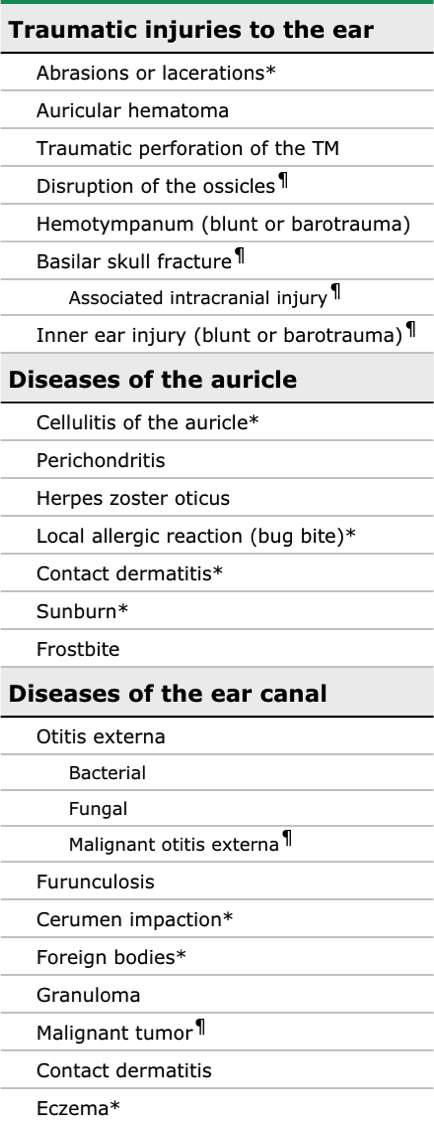
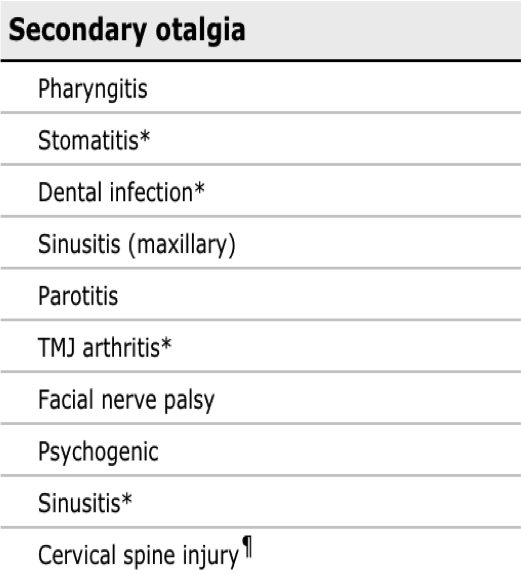
- Otalgia
- Primary
- Secondry
- Primary
- Ear Infections
Imagens e arquivos do mapa
Informações
- Descrição
- Mapa Mental sobre Ear, criado por Moza Almualla em 22-11-2018.
- Criado por
- Moza Almualla
- Visualizações
- 30
- Avaliação