
Mapa mental
C1: Air and Water
Conteúdo do mapa
C1: Air and Water
Endothermic & Exothermic Reactions
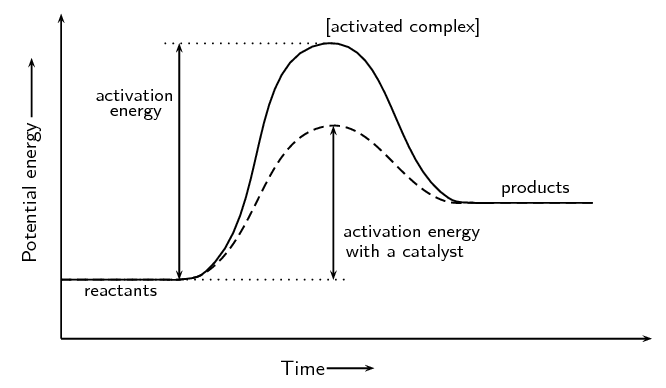
- Endothermic
- Takes in energy from the surroundings. Usually shown by a fall in temperature of the surroundings.
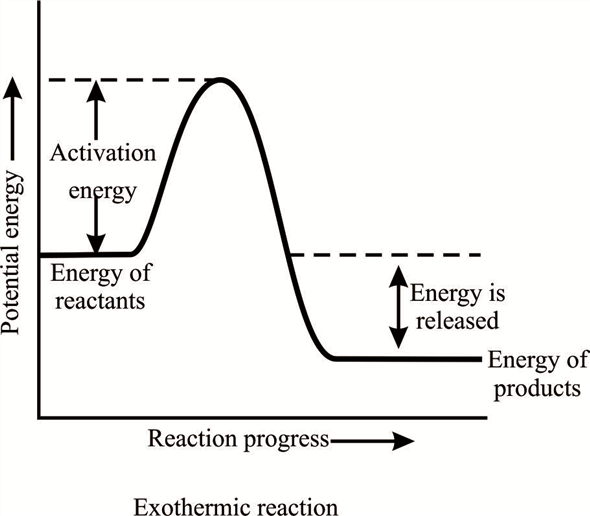
- Exothermic
- Gives out energy to the surroundings. Usually shown by a rise in temperature of the surroundings.
- Endothermic
Bond Energies
- Energy Must be Supplied to Break Bonds
- During a chemical reaction, existing bonds are broken and new bonds are formed. Energy must be supplied to break existing bonds (bond breaking - endothermic). Energy is released when new bonds are formed (bond formation - exothermic).
- Bond Energy Calculation
- Overall Energy Change = Energy required to break bonds - Energy released by forming bonds
- Energy Must be Supplied to Break Bonds
Evolution of the Atmosphere
- 1 - Volcanoes Gave Out Gases
- For the first billion years, the surface was covered in volcanoes that erupted and released lots of gases which is how the early atmosphere was formed.
- 2 - Oceans and Green Plants Absorbed Carbon Dioxide
- As the Earth cooled, the water vapour, in the atmosphere, condensed and formed into oceans. Lots of carbon dioxide was removed from the early atmosphere as it dissolved in the oceans. The first bacteria evolved and absorbed some of the carbon dioxide to carry out photosynthesis to produce glucose. Marine animals evolved later on and their shells and skeletons contained carbonates from the oceans.
- 3 - Green Plants and Algae Produced Oxygen
- They produced oxygen by photosynthesis. As oxygen levels built up, more complex life (e.g. animals) could evolve. Eventually, the atmosphere became similar to what it is today: 78% nitrogen, 21% oxygen and less than 1% of other gases (e.g carbon dioxide and water vapour)
- 1 - Volcanoes Gave Out Gases
Combustion
- Combustion Reaction are an Example of Oxidation
- Oxidation is used to describe the addition of oxygen to a substance in a reaction. Combustion reactions are when you burn substances in oxygen, and are oxidation reactions. E.G. when you burn hydrocarbons in oxygen, the hydrogen and carbon are oxidised. When you burn it in lot of oxygen, the only products are carbon dioxide and water (complete combustion). If there's not enough oxygen around for complete combustion, you get incomplete combustion. This produces a mixture of carbon monoxide and carbon.
- Combustion Reaction are an Example of Oxidation
Reducing Pollution
- Ways to Reduce Greenhouse Gas Emissions
- Renewable energy sources to be used instead of fossil fuels
- Using more efficient processes could cut waste.
- Governments could tax companies based on how much gases they emit
- Ways to Reduce Greenhouse Gas Emissions
Potable Water
- Needs to be Treated to Make it Potable
- To treat ground water, the water needs to be mixed with air to increase the levels of dissolved oxygen, which forces other dissolved gases out of the water which react with the oxygen to form solid oxides. The water is filtered to remove any solid impurities.
- Chlorination
- Chlorine gas is bubbled through to kill harmful bacteria. But, chlorine can react with compounds found in the water to form dangerous chemicals, so the levels of these chemicals are monitored. The benefits of chlorination are thought to far outweigh any risks.
- Needs to be Treated to Make it Potable
Imagens e arquivos do mapa
Informações
- Descrição
- GCSE Core Science Mapa Mental sobre C1: Air and Water, criado por Blerta Morina em 17-04-2019.
- Criado por
- Blerta Morina
- Visualizações
- 16
- Tags
- Avaliação