
Mapa mental
Operating Systems
Conteúdo do mapa
Operating Systems
Android
- Android is a mobile operating system (OS) based on the Linux kernel and currently developed by Google. With a user interface based on direct manipulation, Android is designed primarily for touchscreen mobile devices such as smartphones and tablet computers, with specialized user interfaces for televisions (Android TV), cars (Android Auto), and wrist watches (Android Wear). The OS uses touch inputs that loosely correspond to real-world actions, like swiping, tapping, pinching, and reverse pinching to manipulate on-screen objects, and a virtual keyboard. Despite being primarily designed for touchscreen input, it also has been used in game consoles, digital cameras, regular PCs (e.g. the HP Slate 21) and other electronics.
- Andrew E. "Andy" Rubin is the co-founder and former CEO of both Danger Inc. and Android Inc. He was Senior Vice President of Mobile and Digital Content at Google until March 2013,[1] where he oversaw development of Android, an open-source operating system for smartphones.[2][3][4] Rubin has seventeen patents for his inventions.
- Android is a mobile operating system (OS) based on the Linux kernel and currently developed by Google. With a user interface based on direct manipulation, Android is designed primarily for touchscreen mobile devices such as smartphones and tablet computers, with specialized user interfaces for televisions (Android TV), cars (Android Auto), and wrist watches (Android Wear). The OS uses touch inputs that loosely correspond to real-world actions, like swiping, tapping, pinching, and reverse pinching to manipulate on-screen objects, and a virtual keyboard. Despite being primarily designed for touchscreen input, it also has been used in game consoles, digital cameras, regular PCs (e.g. the HP Slate 21) and other electronics.
Windows
- Microsoft Windows or Windows is a metafamily of graphical operating systems developed, marketed, and sold by Microsoft. It consists of several families of operating systems, each of which cater to a certain sector of the computing industry. Active Windows families include Windows NT, Windows Embedded and Windows Phone; these may encompass subfamilies, e.g. Windows Embedded Compact (Windows CE) or Windows Server. Defunct Windows families include Windows 9x and Windows Mobile.
- Microsoft launched its first retail version of Microsoft Windows on November 20, 1985, and in August, the company struck a deal with IBM to develop a separate operating system called OS/2. Although the two companies successfully developed the first version of the new system, mounting creative differences caused the partnership to deteriorate.
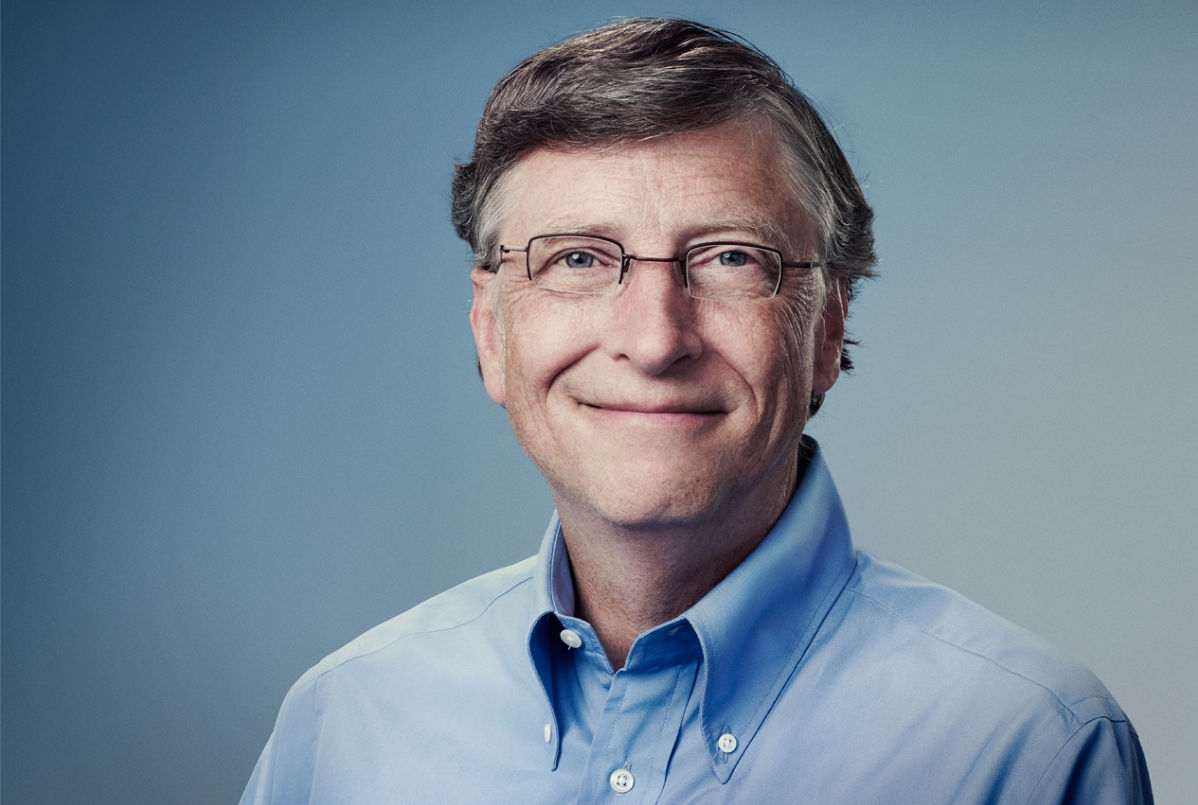
- William Henry "Bill" Gates III (born October 28, 1955) is an American business magnate, philanthropist, investor, computer programmer, and inventor.[3][4][5] Gates originally established his reputation as the co-founder of Microsoft, the world’s largest PC software company, with Paul Allen. During his career at Microsoft, Gates held the positions of chairman, CEO and chief software architect, and was also the largest individual shareholder up until May 2014.[6][a] He has also authored and co-authored several books.
- Microsoft launched its first retail version of Microsoft Windows on November 20, 1985, and in August, the company struck a deal with IBM to develop a separate operating system called OS/2. Although the two companies successfully developed the first version of the new system, mounting creative differences caused the partnership to deteriorate.
- Microsoft Windows or Windows is a metafamily of graphical operating systems developed, marketed, and sold by Microsoft. It consists of several families of operating systems, each of which cater to a certain sector of the computing industry. Active Windows families include Windows NT, Windows Embedded and Windows Phone; these may encompass subfamilies, e.g. Windows Embedded Compact (Windows CE) or Windows Server. Defunct Windows families include Windows 9x and Windows Mobile.
Mac iOS
- iOS (previously iPhone OS) is a mobile operating system developed by Apple Inc. and distributed exclusively for Apple hardware. It is the operating system that powers many of the company's iDevices.
- In 2005, when Steve Jobs began planning the iPhone, he had a choice to either "shrink the Mac, which would be an epic feat of engineering, or enlarge the iPod". Jobs favored the former approach but pitted the Macintosh and iPod teams, led by Scott Forstall and Tony Fadell, respectively, against each other in an internal competition, with Forstall winning by creating the iPhone OS. The decision enabled the success of the iPhone as a platform for third-party developers: using a well-known desktop operating system as its basis allowed the many third-party Mac developers to write software for the iPhone with minimal retraining.[16] Forstall was also responsible for creating a software developer's kit for programmers to build iPhone apps, as well as an App Store within iTunes.[17][18]
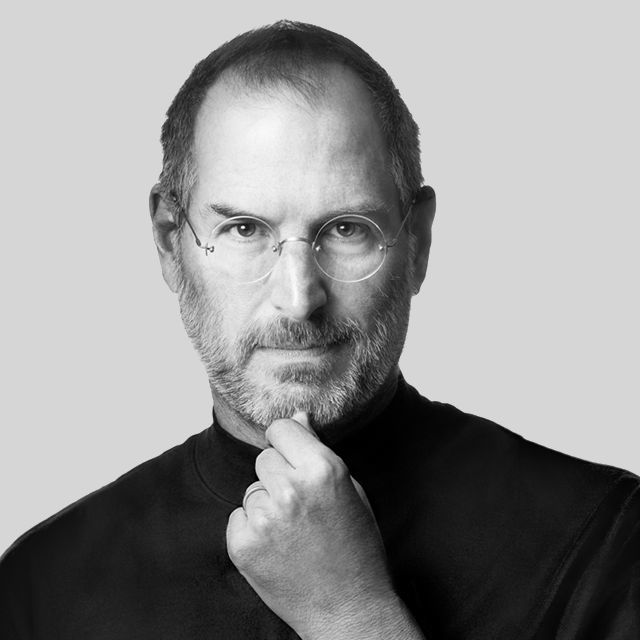
- Steven Paul Jobs (/ˈdʒɒbz/; February 24, 1955 – October 5, 2011)[3][4] was an American entrepreneur,[5] marketer,[6] and inventor,[7] who was the cofounder, chairman, and CEO of Apple Inc. Through Apple, he is widely recognized as a charismatic and design-driven pioneer of the personal computer revolution[8][9] and for his influential career in the computer and consumer electronics fields, transforming "one industry after another, from computers and smartphones to music and movies."[10] Jobs cofounded and served as chief executive of Pixar Animation Studios; he became a member of the board of directors of The Walt Disney Company in 2006, when Disney acquired Pixar. Jobs was among the first to see the commercial potential of Xerox PARC's mouse-driven graphical user interface, which led to the creation of the Apple Lisa and, a year later, the Macintosh. He played a role in introducing the LaserWriter, one of the first widely available laser printers, to the market.[11]
- In 2005, when Steve Jobs began planning the iPhone, he had a choice to either "shrink the Mac, which would be an epic feat of engineering, or enlarge the iPod". Jobs favored the former approach but pitted the Macintosh and iPod teams, led by Scott Forstall and Tony Fadell, respectively, against each other in an internal competition, with Forstall winning by creating the iPhone OS. The decision enabled the success of the iPhone as a platform for third-party developers: using a well-known desktop operating system as its basis allowed the many third-party Mac developers to write software for the iPhone with minimal retraining.[16] Forstall was also responsible for creating a software developer's kit for programmers to build iPhone apps, as well as an App Store within iTunes.[17][18]
- iOS (previously iPhone OS) is a mobile operating system developed by Apple Inc. and distributed exclusively for Apple hardware. It is the operating system that powers many of the company's iDevices.
Linux
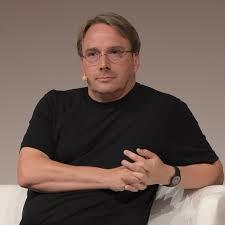
- Linux (Listeni/ˈlɪnəks/ lin-uks[5][6] or, less frequently used, /ˈlaɪnəks/ lyn-uks)[6][7] is a Unix-like and mostly POSIX-compliant[8] computer operating system assembled under the model of free and open-source software development and distribution. The defining component of Linux is the Linux kernel,[9] an operating system kernel first released on 5 October 1991 by Linus Torvalds.
- Linus Benedict Torvalds (/ˈlaɪnəsˈtɔrvɔːldz/;[5] Swedish: [ˈliːn.ɵs ˈtuːr.valds] ( listen); born December 28, 1969) is a Finnish American[2][6] software engineer, who was the principal force behind the development of the Linux kernel that became the most popular kernel for operating systems. He later became the chief architect of the Linux kernel and now acts as the project's coordinator. He also created the revision control system Git. He was honored, along with Shinya Yamanaka, with the 2012 Millennium Technology Prize by the Technology Academy Finland "in recognition of his creation of a new open source operating system for computers leading to the widely used Linux kernel".[7] He is also the recipient of the 2014 IEEE Computer Society Computer Pioneer Award.[8]
- Linux (Listeni/ˈlɪnəks/ lin-uks[5][6] or, less frequently used, /ˈlaɪnəks/ lyn-uks)[6][7] is a Unix-like and mostly POSIX-compliant[8] computer operating system assembled under the model of free and open-source software development and distribution. The defining component of Linux is the Linux kernel,[9] an operating system kernel first released on 5 October 1991 by Linus Torvalds.
OS X
- OS X (pronounced /ˌoʊ ɛs ˈtɛn/; originally Mac OS X) is a series of Unix-based graphical interface operating systems developed and marketed by Apple Inc. It is designed to run on Mac computers, having been pre-installed on all Macs since 2002. It was the successor to Mac OS 9, released in 1999, the final release of the "classic" Mac OS, which had been Apple's primary operating system since 1984. The first version released was Mac OS X Server 1.0 in 1999, and a desktop version, Mac OS X v10.0 "Cheetah" followed on March 24, 2001. Previous releases of OS X were named after big cats; for example, OS X v10.8 was referred to as "Mountain Lion". However, with the announcement of OS X Mavericks in June 2013, this was dropped in favor of Californian landmarks.[10] Within the market of desktop, laptop and home computers, and by web usage, OS X is the second most widely used OS after Windows.[
- OS X is based upon the Mach kernel, developed at Carnegie Mellon University. Certain parts of FreeBSD's and NetBSD's were also incorporated into NeXTSTEP, which forms the core of Mac OS X. NeXTSTEP was a graphical, object-oriented, and UNIX-based operating system developed at NeXT, a company founded by Steve Jobs' following his departure from Apple in 1985.[17] Throughout the early 1990s, Apple tried to create a "next-generation" OS through the Taligent, Copland and Gershwin projects, although these were eventually abandoned.[18] This led Apple to purchase NeXT in 1996, allowing NeXTSTEP, then called OPENSTEP, to serve as the basis for Apple's next OS.[19] This also led to Steve Jobs returning to Apple as interim CEO, and later CEO, shepherding the transformation of the programmer-friendly OPENSTEP into a system that would be adopted by Apple's primary market of home users and creative professionals. The project was first known as Rhapsody and was later renamed to Mac OS X.[20]
- OS X (pronounced /ˌoʊ ɛs ˈtɛn/; originally Mac OS X) is a series of Unix-based graphical interface operating systems developed and marketed by Apple Inc. It is designed to run on Mac computers, having been pre-installed on all Macs since 2002. It was the successor to Mac OS 9, released in 1999, the final release of the "classic" Mac OS, which had been Apple's primary operating system since 1984. The first version released was Mac OS X Server 1.0 in 1999, and a desktop version, Mac OS X v10.0 "Cheetah" followed on March 24, 2001. Previous releases of OS X were named after big cats; for example, OS X v10.8 was referred to as "Mountain Lion". However, with the announcement of OS X Mavericks in June 2013, this was dropped in favor of Californian landmarks.[10] Within the market of desktop, laptop and home computers, and by web usage, OS X is the second most widely used OS after Windows.[
Imagens e arquivos do mapa


Informações
- Descrição
- Mapa Mental sobre Operating Systems, criado por Mikayla Williams em 13-02-2015.
- Criado por
- Mikayla Williams
- Visualizações
- 1
- Avaliação