
Mapa mental
INNOVATIVE EDUCATIONAL TECHNOLOGIES
Conteúdo do mapa
INNOVATIVE EDUCATIONAL TECHNOLOGIES
1
- ICT-based learning (Information and communication technology)
- LEARNING THEORIES
- BEHAVIORISM
- All behaviors are acquired through operant conditioning: stimuli, response, stimuli
- METHODS
- lecture
- drill and practice
- rote learning
- multiple choice tests
- Learner is passive: learns via external processes
- COGNITIVISM
- how information is received, organized, stored and retrieved by the mind
- focus on the mental process
- VISUAL LEARNING
- AUDITORY LEARNING
- DIGITAL MULTIMEDIA
- mediums to communicate information
- Learning is an internal process; Short & long term memory
- METHODS
- Lecture
- Mind Maps
- Multiple choice & essay assesment
- how information is received, organized, stored and retrieved by the mind
- CONSTRUCTIVISM
- knowledge is constructed by learners as they attempt to make sense of their experience
- MARCI DRISCOLL PRESCRIPTIVE PRINCIPLES
- learning in complex, realistic and relevant environments
- social negotiation
- use of modes of representation
- ownership in learning
- self-awareness of the knowledge construction process
- METHODS
- Discovery
- Collaborative group work
- Scaffolding
- Self-guided learning based on personal experience
- Peer grading
- Learner builds on personal experience Active & Social
- CONNECTIVISM
- Learner is self-directed Learning via nodes: CONTENT, PEOPLE, NETWORK
- METHODS
- Self-directed quest for content
- Sharing of content
- Spontaneous learning groups
- Creates knowledge collaboratively
- BEHAVIORISM
- GROUP GROWTH
- INDIVIDUAL GROWTH
- LEARNING THEORIES
- 4C'S OF 21st CENTURY SKILLS
- Critical thinker
- Solving problems
- Communicator
- Understanding and communicating ideas
- Collaborator
- Working with others
- Creator
- Producing high quality work
- Critical thinker
- EDUCATIONAL TECHNOLOGY
- study and ethical practice of FACILITATING LEARNING and IMPROVING PERFORMANCE by creating using and managing apropriate technological processes and resources
- ICT-based learning (Information and communication technology)
2
- MINDSET
- COMPONENTS
- knowledge
- opinions
- assumptions
- emotions
- TYPES
- FIXED intelligence can't be developed
- GROWTH intelligence can be developed
- COMPONENTS
- MINDSET
3
- HERUISTIC TECHNIQUE
- is approach to problem solving or self-discovery that employs a practical method that is not guaranteed to be optimal, perfect or rational, but which is nevertheless sufficient for reaching an immediate, short-term goal.
- IBL (iNQUIRY BASED LEARNING)
- is an approach to learning that emphasizes the student’s role in the learning process. Students are encouraged to explore the material, ask questions, and share ideas.
- natural way to learn a second language
- encourages children’s natural curiosity
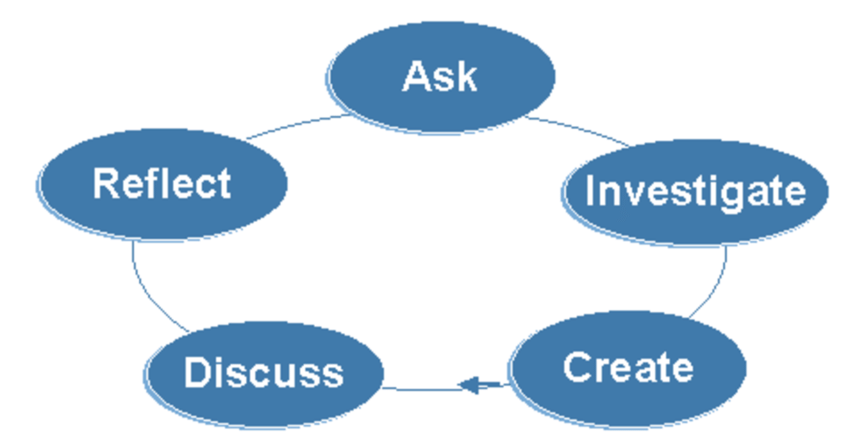
- INQUIRY-BASED TEACHING STRATEGY
- PROBLEM STATEMENT
- Determine what is to be investigated, formulate hypothesis
- DATA COLLECTION
- Gather information
- ANALYSIS
- Examine
- Discuss
- Provide explanations
- CONCLUSIONS
- PROBLEM STATEMENT
- HERUISTIC TECHNIQUE
4
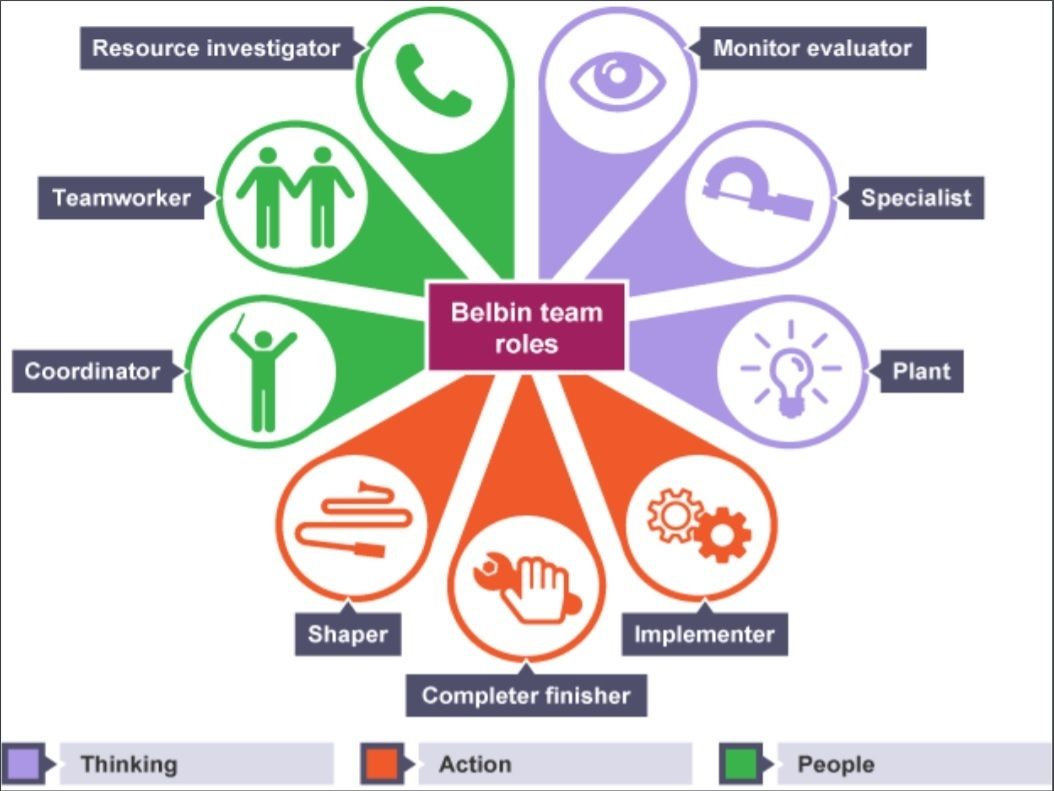
- TEAM
- READING
- Authentic texts
- Listening
- Podcasting
- GRAASP
- WRITING
- Google Docs
- SPEAKING
- Speak English Pro: American Pronunciation
- English Pronunciation Practice for Beginner
- VoiceThread
5
- COLLABORATION
- Collaborating Learning Tools
- Web 2.0
- Wiki
- platform for provision of collaborative writing
- blogs, podcasts, and social networks, online discussions
- encourage online participation
- English learners interpret their reading and compose their responses
- Blogging: students obtain innovative, critical, communicative and collaborative skills
- Wiki
- Benefits
- Students construct knowledge together
- Web 2.0
- Collaborative Online International Learning (COIL)
- Collaborating Learning Tools
- Concepts of Collaborative Learning
- the success of one student directly implies the success of other students
- promoting social interactive skills
- common goal
- no view of competition among their peers
- the success of one student directly implies the success of other students
- COLLABORATION
6
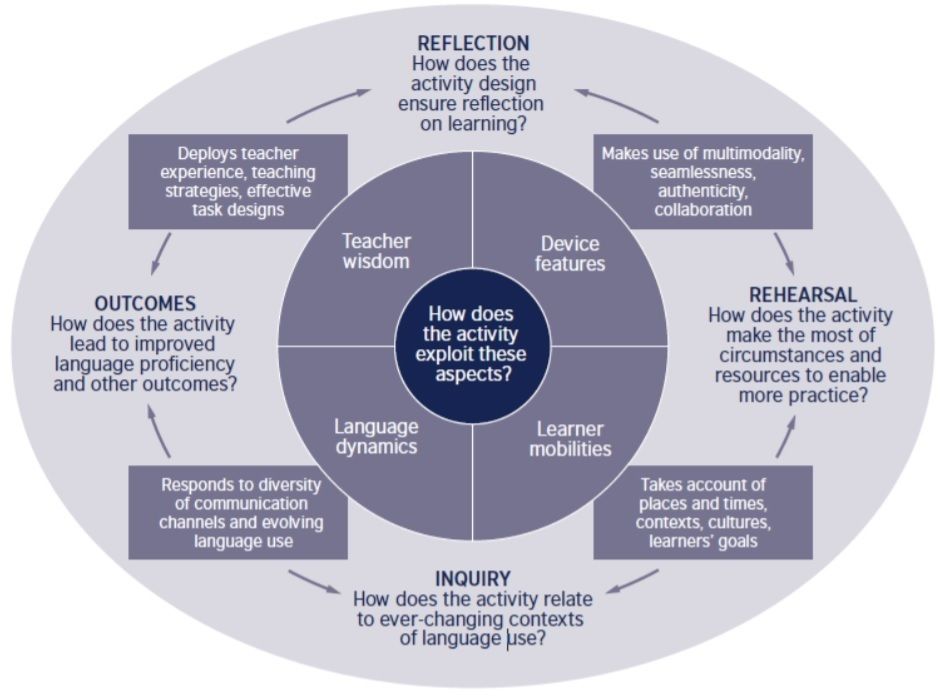
- MOBILE PEDAGOGY
- Mobile Assisted Language Learning (MALL) language learning that is assisted or enhanced through the use of a handheld mobile device
- TEACHER as consultant, facilitator, and moderator of the content in the Internet era
- includes both technical and pedagogical challenges
- helps teachers and learners conduct inquiries into changes
- Students capture and share language data: new expressions or pronunciations
- Devices are instruments to pose questions and seek answers
- Devices offer a supportive environment
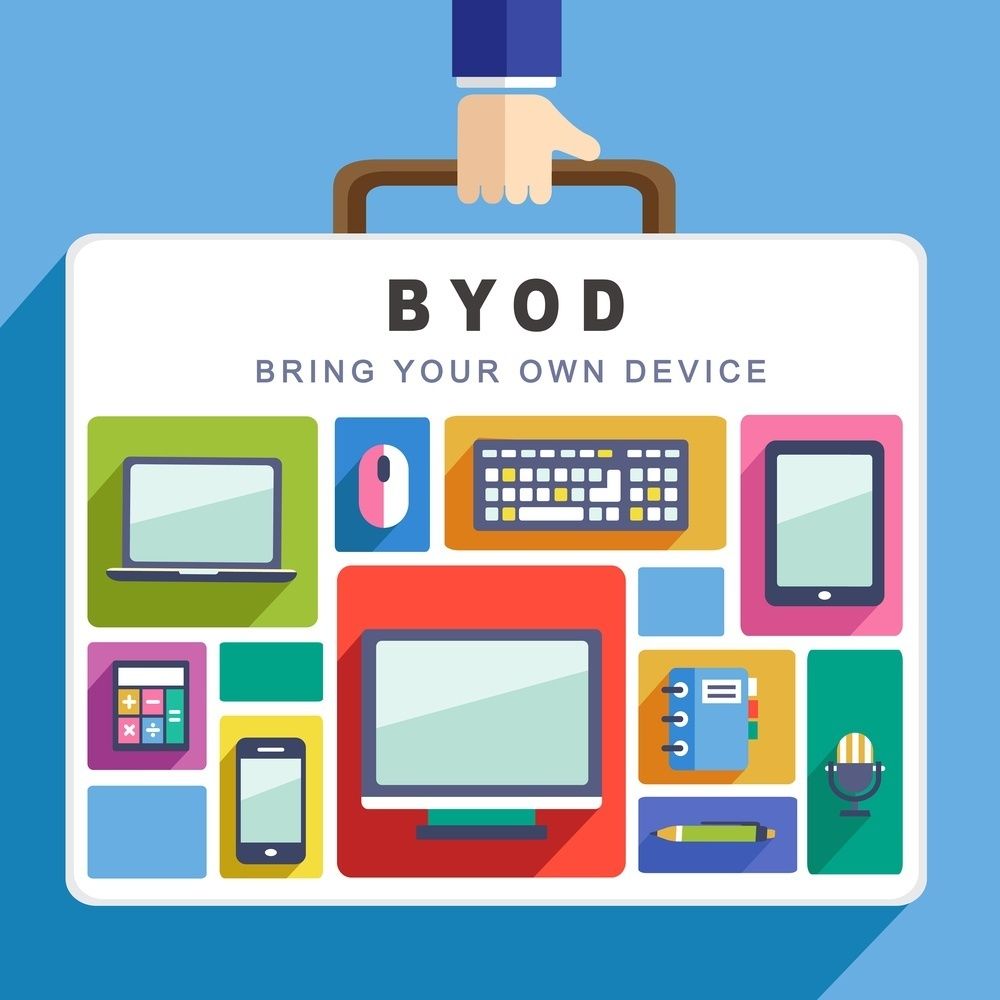
- BYOD / BYOPC being allowed to use one’s personally owned device, rather than being required to use an officially provided device
- CONS
- distracting for students
- students may not be able to afford having his own device
- additional training for instructors
- opportunity for cheating
- status symbol
- possibility of theft
- PROS
- individualized learning
- student driven learning
- increased student involvement
- collaborative learning
- variety in learning assignments
- individualized learning
- CONS
- Mobile Assisted Language Learning (MALL) language learning that is assisted or enhanced through the use of a handheld mobile device
- MOBILE LEARNING THEORIES
- MOBILE PEDAGOGY
7
- ARTIFICIAL INTELLIGENCE
- in the 50s with the Dartmouth Summer Research Project on Artificial Intelligence at Dartmouth College in the U.S.
- Alan Turing; Herbert A. Simon;
- chess supercomputer Deep Blue by IBM; Garry Kasparov in a match in 1996
- branch of computer science that deals with automating intelligent behavior
- OBJECTIVE is to use machines to emulate and simulate human intelligence and the corresponding behavior
- enhance language learning with the use of language bots, machine translation, and personalized textbooks
- OBJECTIVE is to use machines to emulate and simulate human intelligence and the corresponding behavior
- KINDS
- Symbolic or symbol-manipulating AI
- works with abstract symbols
- Neural AI
- in the late 80s.
- artificial neurons and their connections, like a reconstructed brain.
- NEURAL NETWORKS can gather experience and grow
- artificial neurons and their connections, like a reconstructed brain.
- bottom-up method
- in the late 80s.
- Symbolic or symbol-manipulating AI
- 3 TYPES
- ATRIFICIAL NARROW INTELLIGENCE (ANI)
- MACHINE LEARNING
- ARTIFICIAL GENERAL INTELLIGENCE (AGI)
- MACHINE INTELLIGENCE
- ARTIFICIAL SUPER INTELLIGENCE (ASI)
- MACHINE CONSCIOUSNESS
- ATRIFICIAL NARROW INTELLIGENCE (ANI)
- METHODS AND TOOLS
- MACHINE LEARNING
- DEEP LEARNING
- 3 LEARNING PROCESSES
- SUPERVISED
- NON-SUPERVISED
- REINFORCEMENT
- Detect, identify, classify objects on pictures/videos
- CHATBOTS in customer service
- OPINION ANALYSIS in marketing / opinion surveys
- SEARCH ALGORITHMS Google
- WORD PROCESSING check grammar, spelling of a text
- SYNTHESIZING SPEECH
- SIRI
- CORTANA
- ALEXA
- GOOGLE ASSISTANT
- RESEARCH PROJECTS
- IBM’s Watson AGAINST 2 PEOPLE; first public debut in 2011 on the quiz show Jeopardy
- Watson has replaced roughly 30 employees
- IBM’s Watson AGAINST 2 PEOPLE; first public debut in 2011 on the quiz show Jeopardy
- NATURAL LANGUAGE PROCESSING
- Text generation
- Question answering
- Context extraction
- Classification
- Machine translation
- ROBOTICS
- PLANNING
- MACHINE LEARNING
- BENEFITS FOR TEACHERS
- conversational fluency or confidence in communicating across cultures
- personalised learning experience
- Focuse students on focusing on the skills and capabilities
- in the 50s with the Dartmouth Summer Research Project on Artificial Intelligence at Dartmouth College in the U.S.
- ARTIFICIAL INTELLIGENCE
8
- VIRTUAL REALITY
- a technology that can immerse a user in computersimulated environments in which they can interact
- develop a multitude of experiences
- ACTIVITIES
- virtual field trips, emergency services, medical practice, education of students with special educational needs and collaboration and cooperation
- communication, problem-solving and spatial cognition tasks; social interaction, communication and the sharing of ideas and experiences
- APPS
- Google Expeditions
- Theory of VR affordances in learning
- Situational Cognition Theory (SCT) is an educational theory that helps to explain the effectiveness of VR learning environments
- ADVANTAGES
- Provides Outstanding Visualizations That Aren’t Possible In The Traditional Classroom
- Creates Interest
- Increases Students' Engagement
- Doesn’t Feel Like Work
- Eliminates The Language Barrier
- DISADVANTAGES
- Deteriorates Human Connections
- Lack Of Flexibility
- Addiction To The Virtual World
- Quite Expensive
- VIRTUAL REALITY
CREATED BY OKSANA STETSENKO, PR-61
Imagens e arquivos do mapa
Informações
- Descrição
- Mapa Mental sobre INNOVATIVE EDUCATIONAL TECHNOLOGIES, criado por Оксана Стеценко em 24-03-2020.
- Criado por
- Оксана Стеценко
- Visualizações
- 6
- Avaliação