
Mapa mental
Measuring Sources of Brand Equity: Capturing Customer Mind-Set

Conteúdo do mapa
Measuring Sources of Brand Equity: Capturing Customer Mind-Set
QUALITATIVE RESEARCH TECHNIQUES
- Identify possible brand associations and sources of brand equity.
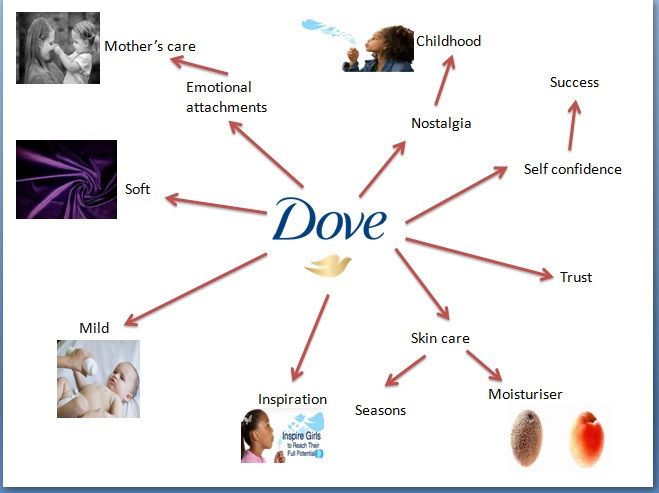
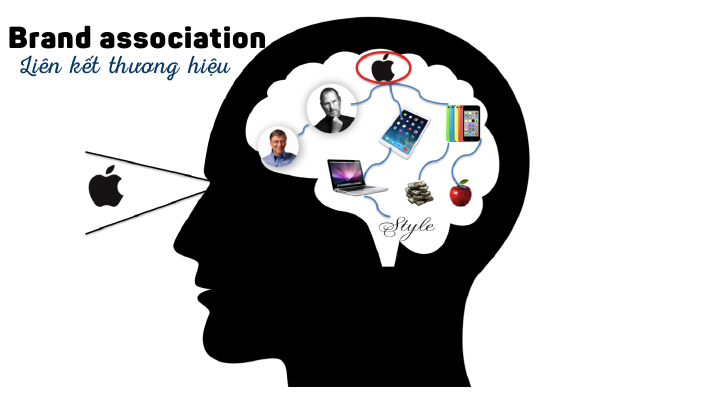
- Free Association
- subjects are asked what comes to mind when they think of the brand
- Projective Techniques
- Are diagnostic tools to uncover the true opinions and feelings of consumers when they are unwilling or otherwise unable to express themselves on these matters.
- Completion and Interpretation Tasks
- Comparison Tasks
- Archetypes
- Are diagnostic tools to uncover the true opinions and feelings of consumers when they are unwilling or otherwise unable to express themselves on these matters.
- Zaltman Metaphor Elicitation Technique
- Subconscious motives for their purchasing behavior.
- Neural Research Methods
- Is the study of how the brain responds to marketing stimuli, including brands.
- Brand Personality and Values
- Is the human characteristics or traits that consumers can attribute to a brand.
- The Big Five
- 1. Sincerity (down-to-earth, honest, wholesome, and cheerful)
- 2. Excitement (daring, spirited, imaginative, and up-to-date)
- 3. Competence (reliable, intelligent, and successful)
- 4. Sophistication (upper class and charming)
- 5. Ruggedness (outdoorsy and tough)
- The Big Five
- Is the human characteristics or traits that consumers can attribute to a brand.
- Ethnographic and Experiential Methods
- Ethnographic research origi- nally used by anthropologists. Ethnographic research uses “thick description” based on partici- pant observation.
- Free Association
- Identify possible brand associations and sources of brand equity.
QUANTITATIVE RESEARCH TECHNIQUES
- Brand Awareness
- Is related to the strength of the brand in memory, as reflected by consumers’ ability to identify various brand elements like the brand name, logo, symbol, charac- ter, packaging, and slogan under different conditions.
- Recognition
- Brand recognition requires consumers to identify the brand under a variety of cir- cumstances and can rest on the identification of any of the brand elements.
- Recall
- Consumers must retrieve the actual brand element from memory when given some related probe or cue.
- Corrections for Guessing
- Any research measure must consider the issue of consumers mak- ing up responses or guessing.
- Strategic Implications
- Understanding recall when we use different levels of product category specificity as cues is important, because it has impli- cations for how consumers form consideration sets and make product decisions.
- Recognition
- Is related to the strength of the brand in memory, as reflected by consumers’ ability to identify various brand elements like the brand name, logo, symbol, charac- ter, packaging, and slogan under different conditions.
- Brand Image
- Associations that consumers hold for it.
- Brand Responses
- Find out how consumers combine all the more specific, lower-level considerations about the brand in their minds to form different types of brand responses and evaluations.
- Purchase Intentions
- Are most likely to be predictive of actual purchase when there is correspondence between the two in the following dimensions:
- Action (buying for own use or to give as a gift)
- Target (specific type of product and brand)
- Context (in what type of store based on what prices and other conditions)
- Time (within a week, month, or year)
- Are most likely to be predictive of actual purchase when there is correspondence between the two in the following dimensions:
- Likelihood to Recommend
- According to Reichheld, a customer’s willingness to recommend results from all aspects of a customer’s experience.
- Purchase Intentions
- Find out how consumers combine all the more specific, lower-level considerations about the brand in their minds to form different types of brand responses and evaluations.
- Brand Relationships
- Behavioral Loyalty
- Provide information about brand attitudes and usage for Duracell, including potential gaps with competitors and the names of other brands that might be in the consideration set at the time of purchase.
- Attitudinal Attachment
- Some researchers like to character- ize it in terms of brand love
- Sense of Community
- Although measuring behavioral loyalty and attitudinal attachment may require a fairly structured set of questions, both sense of community and active engagement could call for more varied measures because of their diverse set of issues.
- Active Engagement
- The extent to which consumers are willing to invest their own personal resources— time, energy, money, and so on
- Fournier’s Brand Relationship Research
- Susan Fournier argues that brands can and do serve as viable relationship partners, and she suggests a reconceptualization of the notion of brand personality within this framework.
- Behavioral Loyalty
- Brand Awareness
COMPREHENSIVE MODELS OF CONSUMER-BASED BRAND EQUITY
- BrandDynamics
- Offers a graphical model to represent the emotional and functional strength of relationship consumers have with a brand.
- Presence
- Relevance
- Performance
- Advantage
- Bonding
- Offers a graphical model to represent the emotional and functional strength of relationship consumers have with a brand.
- Relationship to the CBBE Model
- The CBBE model synthesizes the concepts and measures from a leading industry model and at the same time provides much additional substance and insight.
- Identity
- Meaning
- Responses
- Relationships
- The CBBE model synthesizes the concepts and measures from a leading industry model and at the same time provides much additional substance and insight.
- BrandDynamics
Imagens e arquivos do mapa








Informações
- Descrição
- Negocios Internacionales Mapa Mental sobre Measuring Sources of Brand Equity: Capturing Customer Mind-Set, criado por Pablo Camacho em 10-11-2020.
- Criado por
- Pablo Camacho
- Visualizações
- 191
- Tags
- Avaliação