
Mapa mental
Practical & Investigative Skills
Conteúdo do mapa
Practical & Investigative Skills
Apparatus
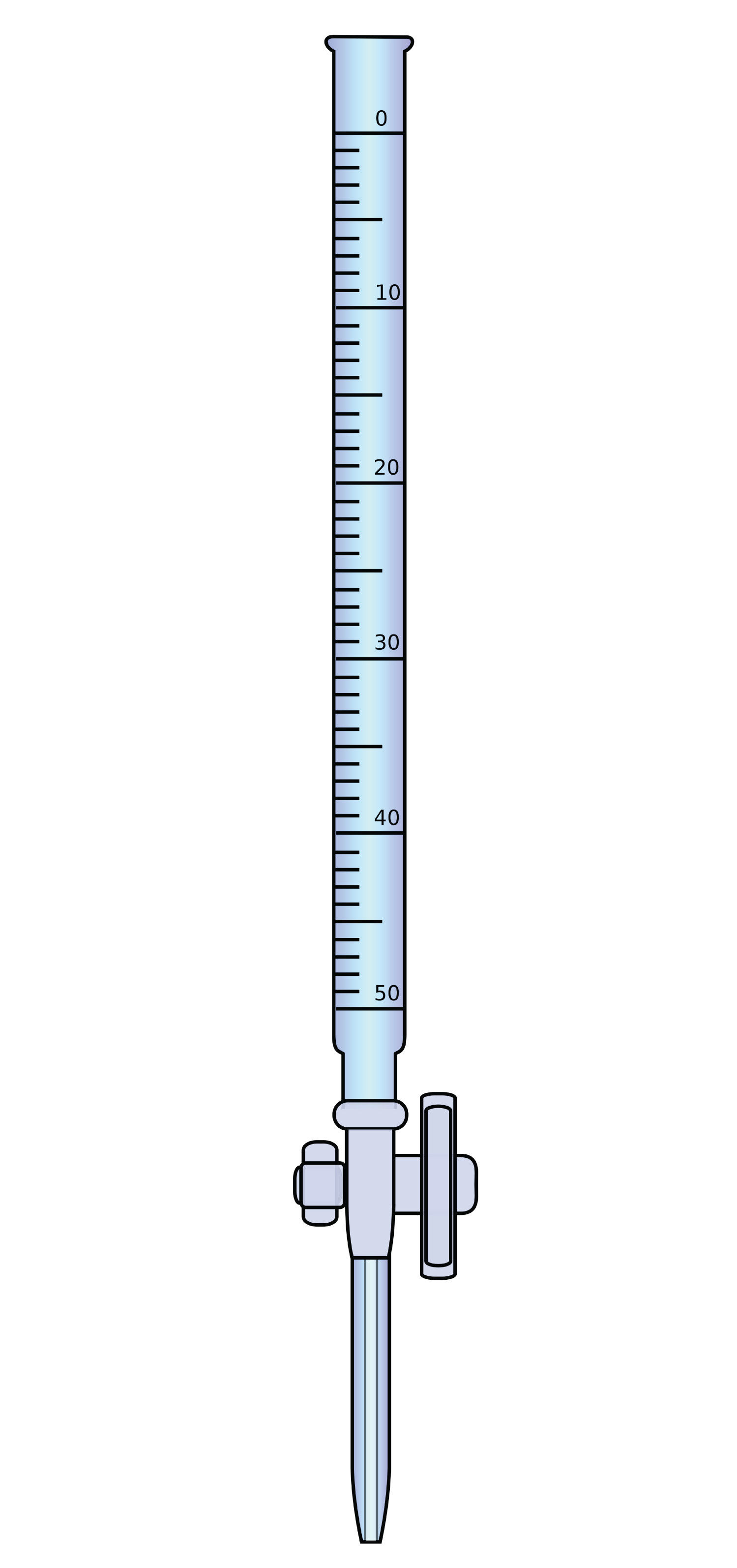
- Burette
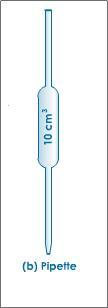
- Glass Pippette
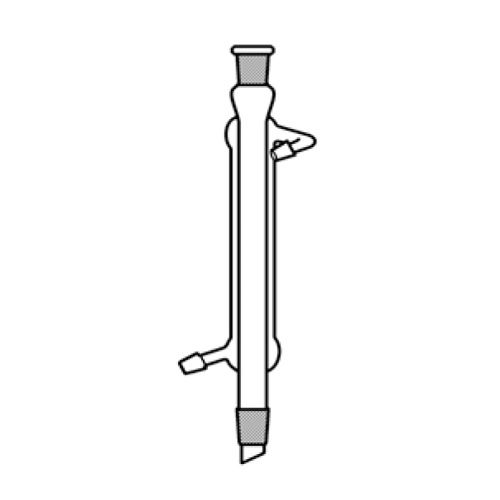
- Condenser
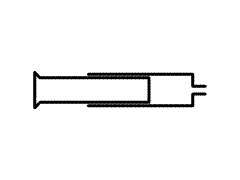
- Gas Syringe
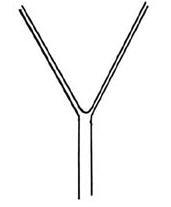
- Funnel
- Beaker
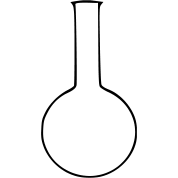
- Round-bottomed Flask
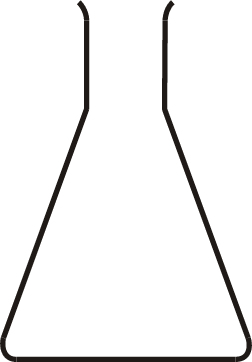
- Conical Flask
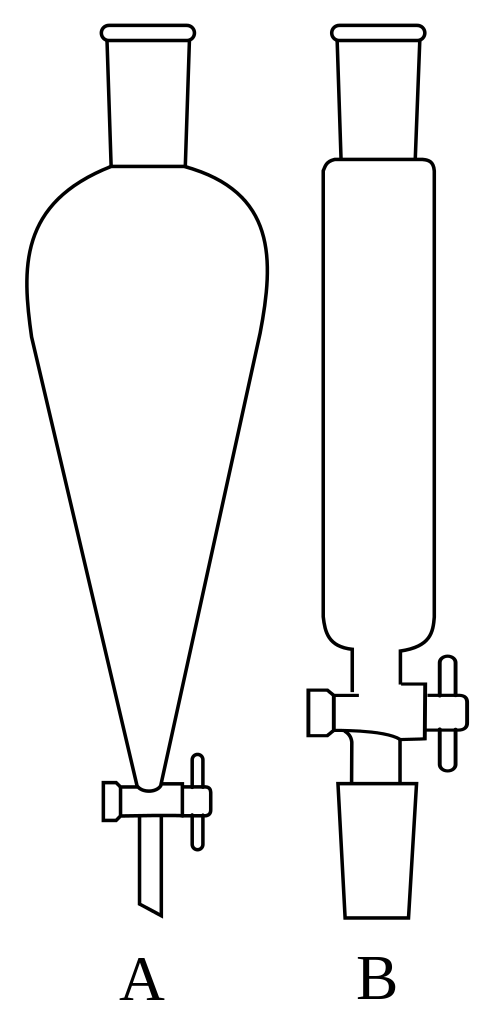
- Dropping Funnel
- Burette
Hazard Symbols
- Highly Flammable
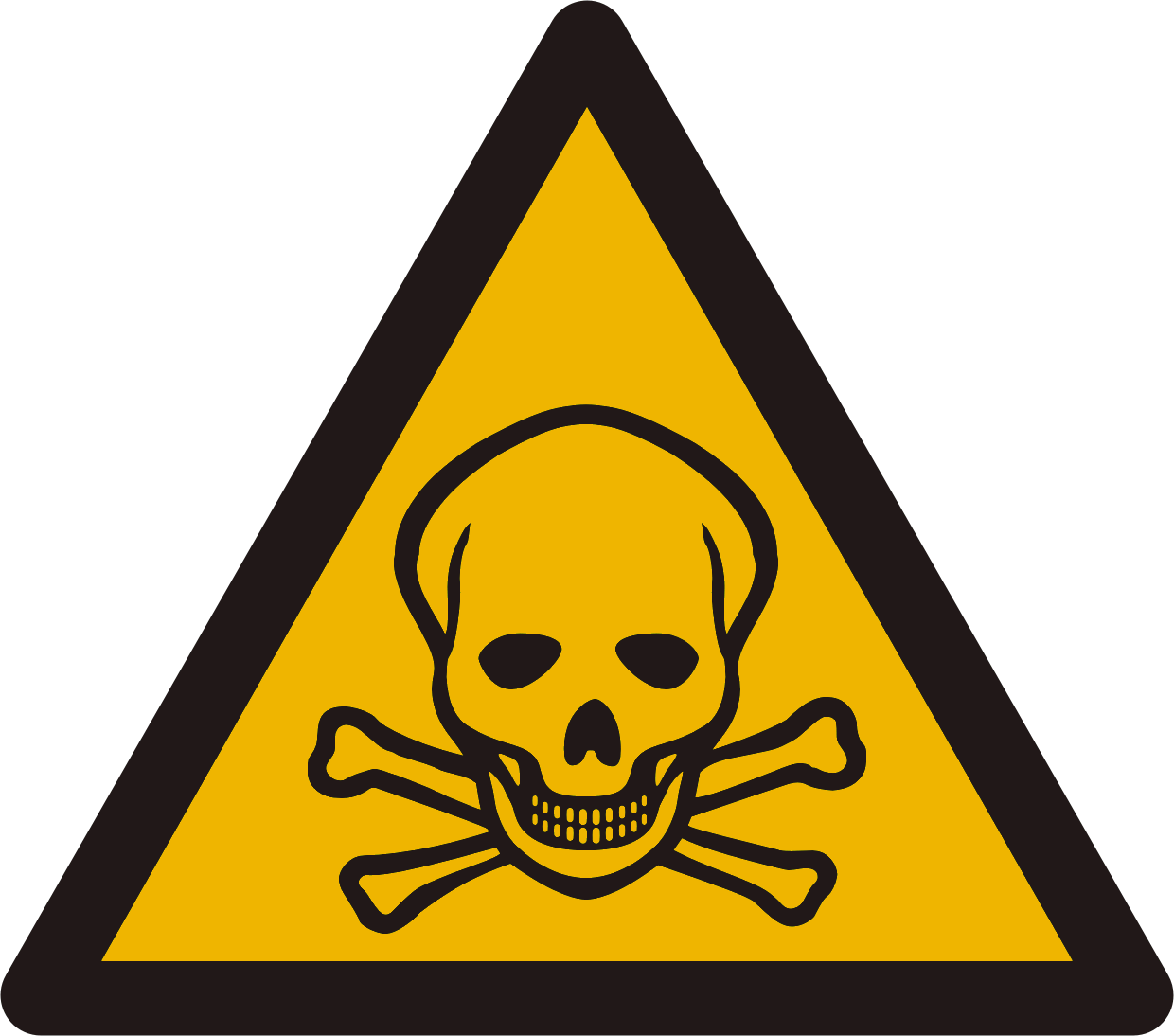
- Toxic
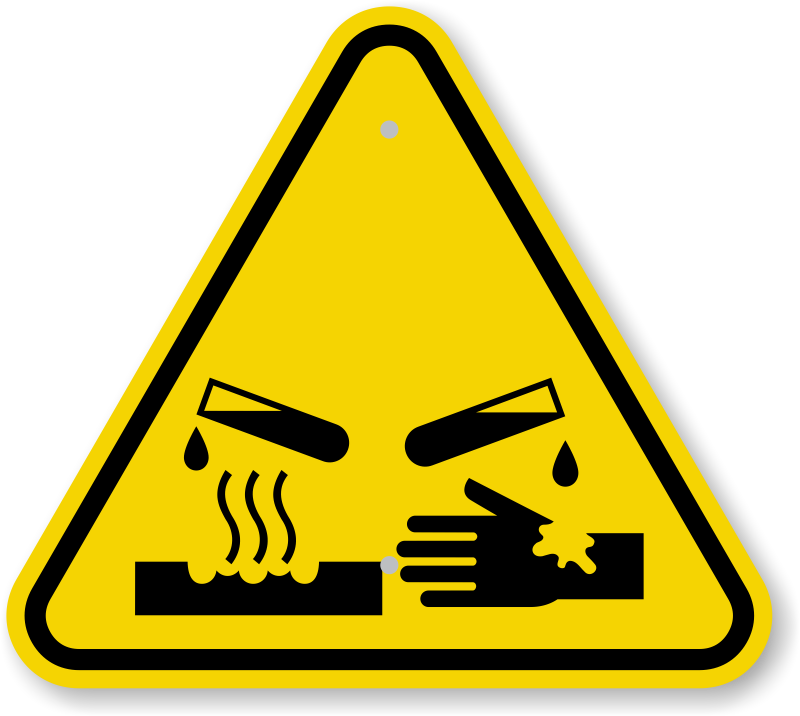
- Corrosive
- Harmful
- Irritant
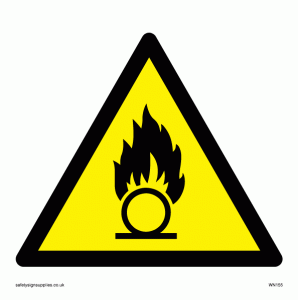
- Oxidising Agent
- Highly Flammable
Separation Techniques
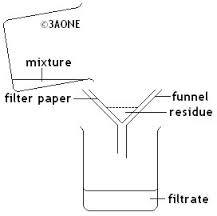
- Filtration
- - Separates insoluble solid from a solid/liquid
- - Residue remains on filter paper
- - Filtrate runs through the filter paper
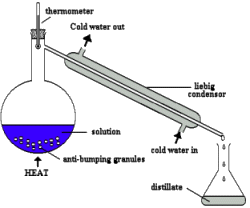
- Distillation
- - Separates the solvent from a solution
- - Can be used to determine the BP
- - Pure water can be obtained from seawater
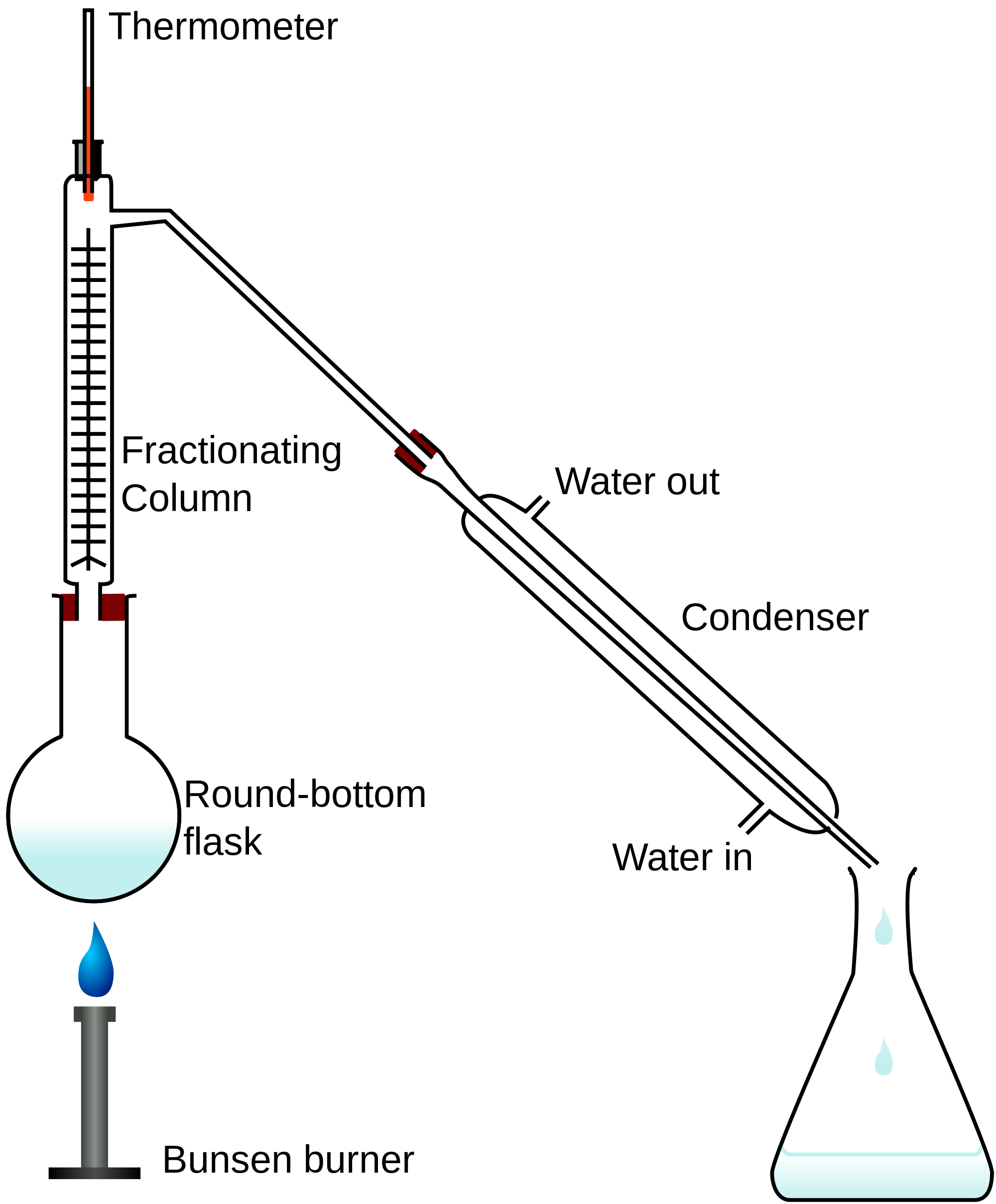
- Fractional Distillation
- - Separates immiscible liquids
- - Substance with lowest boiling point is collected first
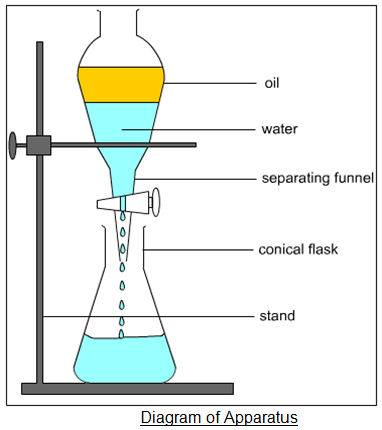
- Separating Funnel
- - Separates immiscible liquids
- - The liquid with the greatest density separates out as the lower layer
- Magnetism
- - Iron, Nickel and Cobalt are attracted to magnets
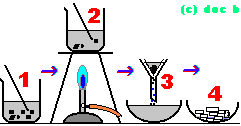
- Crystallisation
- - Used to remove small quantities of an impurity from a solid
- 1. The impure sample is dissolved in a minimum volume of hot solvent
- 2. As the solution slowly cools, the saturated substance crystallises out
- 3. The mixture is then filtered and the crystals washed with a small amount of cold solvent
- 4. The crystals can be dried out between two filter papers or placed in a warm oven
- - Used to remove small quantities of an impurity from a solid
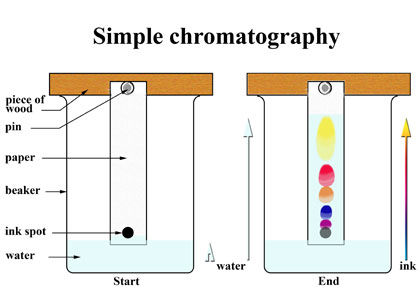
- Paper Chromatography
- - Separates mixes of different substances e.g. dyes
- METHOD
- 1. Small spots of coloured substances are placed in a line near the base of the paper
- 2. The paper is placed vertically into a beaker or tank contaning a small volume of a suitable solvent
- 3. The solvent is absorbed and rises up the paper
- 4. The coloured chemicals in the spots dissolve in the solvent and are carried up the paper
- 5. The resulting chromatogram is dried and analysed
- - The greater the solubility of a compound in the solvent, the greater the distance it will travel up the paper
- This technique can be used to...
- - Detect whether a coloured dye is a pure compound or a mixture of pigments
- A pure compound will produce a single spot on the chromatogram
- Indentify a compound/substance by comparison to a known sample
- The unknown and known compound will produce the same coloured spot at the same height on the chromatogram
- - Detect whether a coloured dye is a pure compound or a mixture of pigments
- Filtration
An Investigation
- Planning
- Aim
- What is the investigation trying to find out?
- Safety
- A lab coat and safety glasses must be worn for all practical work
- You need to consider specific hazards such as...
- Toxic gases - work in a fume cupboard
- Corrosive chemicals - wear gloves
- Flammable organic compounds - do not heat with a Bunsen burner, use a water bath
- Preliminary work
- Trial and error is used to find out which practical method and apparatus will work
- One of the reagents must be in EXCESS
- One of the reagents LIMITS the reaction
- Prediction
- A prediction is made using you knowledge and the preliminary work
- Your prediction should include...
- - a simple statement of the expected results
- - the predicted shape of any graph which you will draw
- - a quantitative prediction based on the reaction equation, mole ratios or other scientific knowledge
- Always support and explain your prediction with scientific knowledge
- Fair test
- Variables make and experiment Valid
- Only one variable can be changed
- Independent Variable
- This is the condition that you decide to change
- Dependent Variable
- This is the variable that you measure as a consequence of the changes in the independent variable
- Controlled Variable
- These are the conditions that need to be kept constant to make the experiment a fair test
- keep the temperature the same
- keep the volume the same
- keep the same atmosphere
- These are the conditions that need to be kept constant to make the experiment a fair test
- Independent Variable
- Only one variable can be changed
- Variables make and experiment Valid
- Method
- Give a detailed step-by-step method of the experiment, such that another person could carry out the investigation without further help
- Obtaining sufficient, reliable and accurate
- Five is the minimum number of variations of the factor under investigation
- Reliability of data
- If the repeated results for an experiment are the same or very similar, they are said to be reliable
- Anomalous results
- - A result which is significantly different from the rest, in a set of results from an experiment repeated several times
- - Results that do not follow the pattern formed by the other results/points on a graph or in a table
- Anomalous results must be clearly identified and not used when calculating averages or drawing lines of best fit on graphs
- Accuracy : Is the result obtained correct?
- Accuracy is increased by using the correct measuring Apparatus for the task
- All apparatus possess inherent errors
- Aim
- Obtaining (and recording) the evidence
- Results should be displayed in a table
- The independent variable must be in the left column
- Use clear, accurate headings, which include units
- Use SI units
- Record all the readings to the appropriate level of accuracy
- Record all the readings to the same number of decimal places
- Calculations
- An average value is usually calculated - DO NOT include anomalous
- In rate investigations use - rate of reaction = 1/time
- Results should be displayed in a table
- Analysis
- Graphs
- - Use a sensible scale which uses as much of the graph paper as possible
- - The independent variable goes on the x-axis and the dependent variable goes y-axis
- - Use small crosses to mark the points
- - Label the axes carefully and give the units
- - Always add a title, indicating what the graph shows
- - Circle (and label) any anomalous results
- - Draw a line or curve of best fit (do not join up the points)
- Conclusion
- - State simply what the table of results and graph show
- - Use scientific knowledge to explain what you have found out
- - Refer to your prediction
- Graphs
- Evaluation
- An evaluation should comment on how well the investigation went and address...
- Reliability of the procedure and evidence
- - How close together are your results? Are your results reliable?
- - Identify and try to explain what caused any anomalous results
- - Were there any problems with the procedure?
- - Do you have sufficient evidence to support or disprove your prediction?
- Accuracy
- How close to the real figure are your results? (not always possible to answer)
- Inprovements
- Reliability
- Can be improved by doing more repeats and only using results which are very similar
- Accuracy
- Can be improved by changing the method or equipment used
- Limitations
- What are the flaws in the practical method and how could it be improved?
- Always give a reason with your suggestion
- Validity
- Assess the above factors and decide how they have affected your results and hence your conclusion. Is your conclusion valid?
- Reliability
- Further work
- Further work is carried out to obtain more evidence to support the conclusion made in your investigation
- It could involve
- - Changing one or more reactants and using same method
- - Using different method/apparatus
- - Obtaining a wider range of results
- Reliability of the procedure and evidence
- An evaluation should comment on how well the investigation went and address...
- Planning
Imagens e arquivos do mapa




Informações
- Descrição
- Practical and Investigative skills mindmap
- Criado por
- 11woodhousea
- Visualizações
- 54
- Tags
- Avaliação