
Mapa mental
WORKING WITH MATERIALS

Conteúdo do mapa
WORKING WITH MATERIALS
POLYMERS
- Polymers are made up of smaller molecules called monomers
- Natural
- They are obtained using plant-based materials or from products of animal origin
- Synthetic
- Are derived from petroleum and natural gas
TYPES OF PLASTICS
- ELASTOMERS
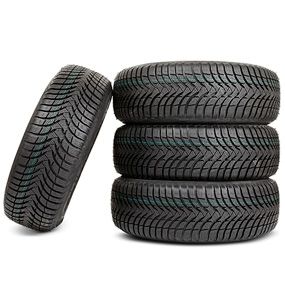
- Rubber
- Elasticity Can be natural or synthetic
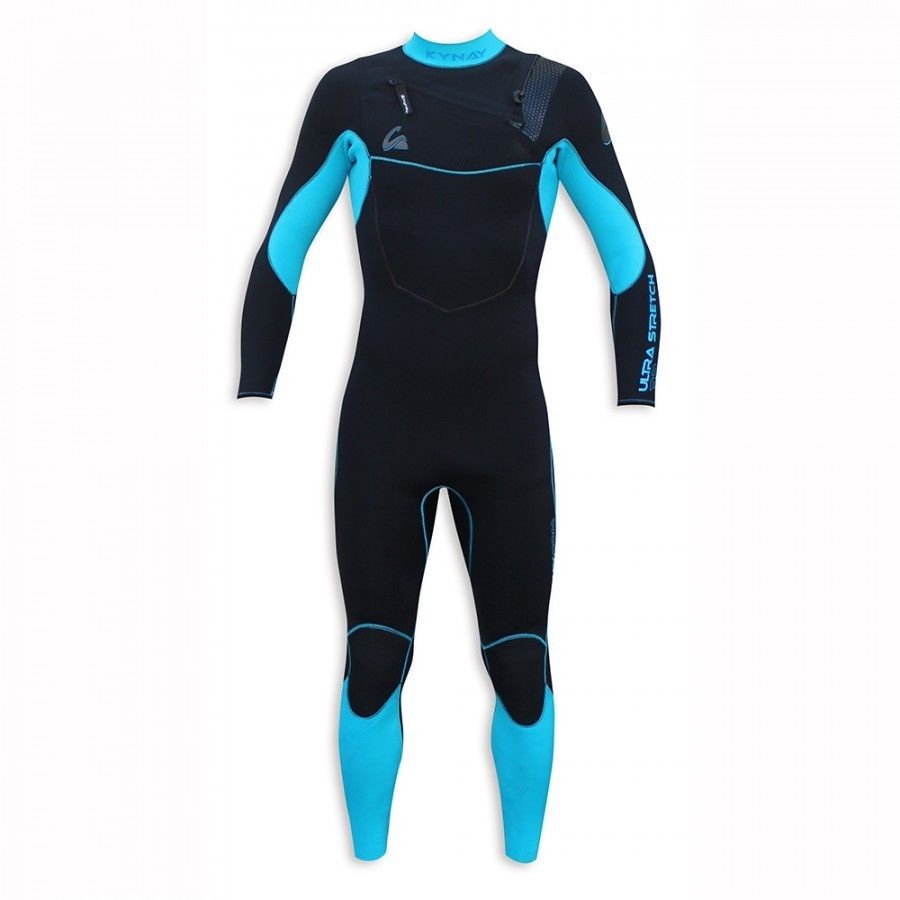
- Neoprene
- Flexibility Insulator Waterproof
- Rubber
- THERMOSTABLES
- PF: polyphenols
- UP: polyester resins
- Rigid and brittle Strengthened with fibreglass
- UF: urea folmaldehyde
- Bakelite
- Hard and brittle Resistance to heat
- Melamine
- Resistance to high temperatures and chemicals Easy to clean
- THERMOPLASTICS
- PET: polyethylene therephtalate
- Recyclable Transparent Easy to dye
- PVC: polvinyl chloride
- High resistance to abrasión and impact
- PP: polypropylene
- Easy to model and dye Resistance to solvents and splintering
- PS: polystyrene
- Very lightweight Transparent plastic
- PE: polyethylene
- Chemical resistance Non-toxic
- PC: polycarbonate
- High resistance to impact and heat Good optical transparency
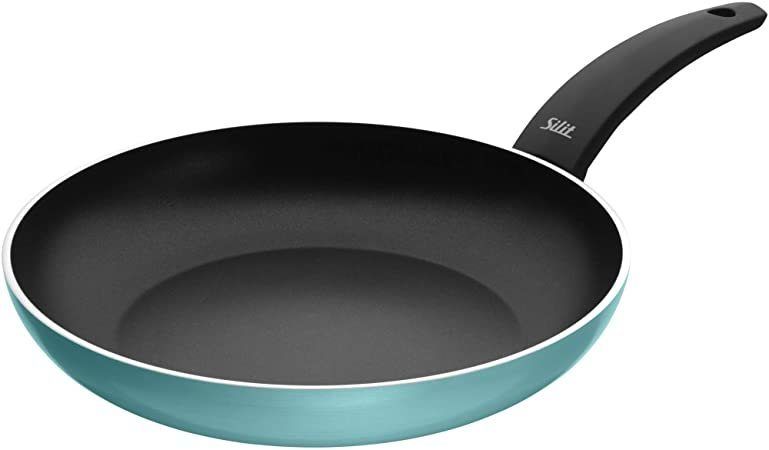
- Teflon
- High resistance to chemicals and high temperatures Excellent non-stick properties
- PET: polyethylene therephtalate
- ELASTOMERS
PROPERTIES OF PLASTICS
- PHYSICAL PROPERTIES
- Low density
- Light weight
- THERMAL PROPERTIES
- Thermal insulator
- Low melting point
- ELECTRICAL PROPERTIES
- Electrical insulator
- MECHANICAL PROPERTIES
- Elasticity
- Plasticity
- Toughtness
- Resistance to breakage = low tenacity
- TECHNOLOGICAL PROPERTIES
- Wayerproof
- Fusibility
- Malleability
- Acoustic insulator
- Flexibility
- CHEMICAL PROPERTIES
- Low melting point
- Resistance to moisure
- Resistance to oxidation
- PHYSICAL PROPERTIES
IDENTYFING PLASTICS
- Scratching
- Harder plastics will be more difficult to scratch.
- Floatin in water
- To test density
- Burning
- Some properties can be observed by burning, observing the flame and checking whether or not meltig occurs.
- Scratching
FORMING PLASTICS
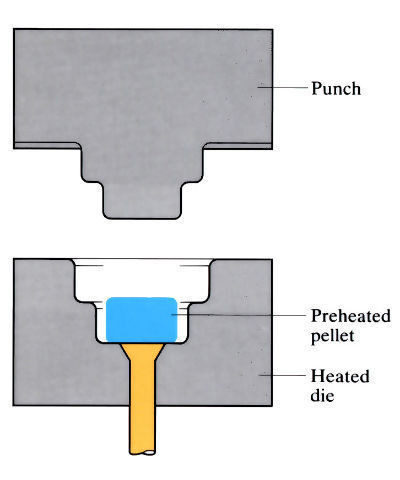
- Compression moulding
- It is used with thermoplastics.
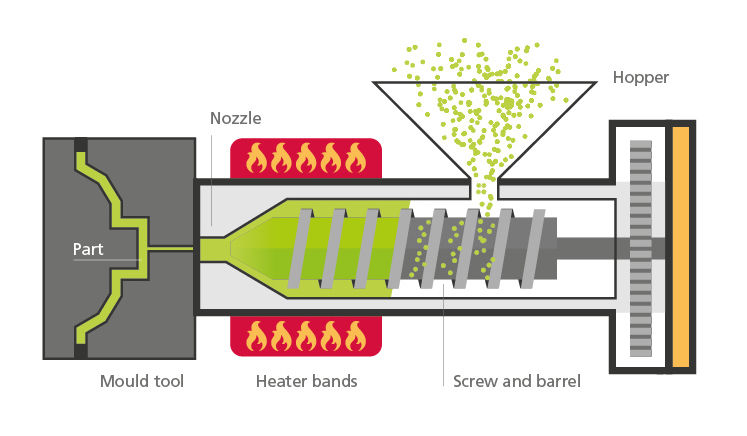
- Injection moulding
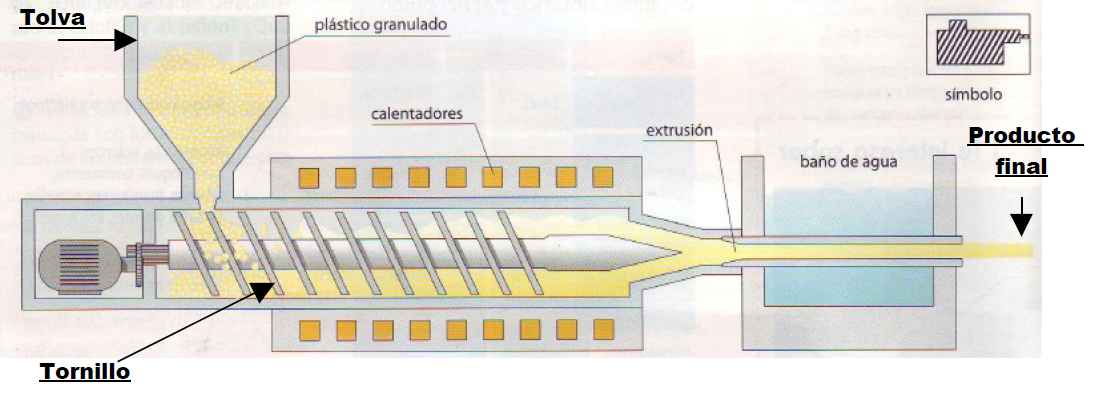
- Extrusion
- It is used with thermostables.
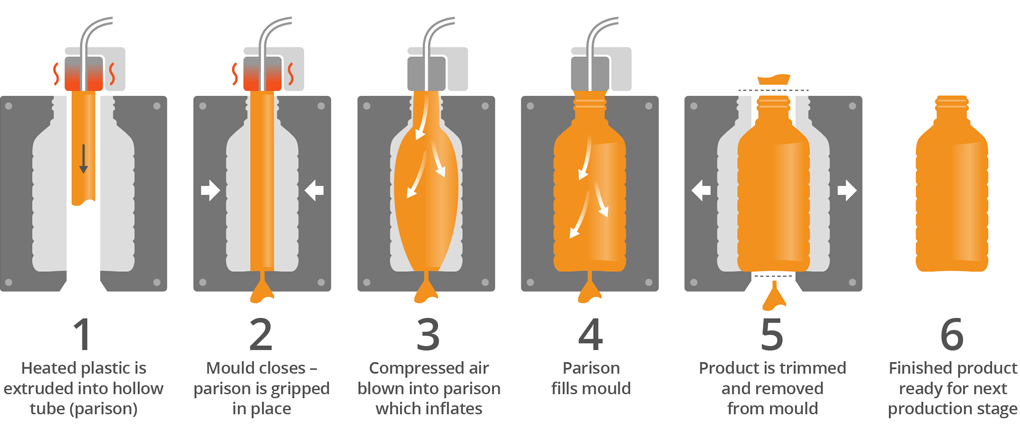
- Blow moulding
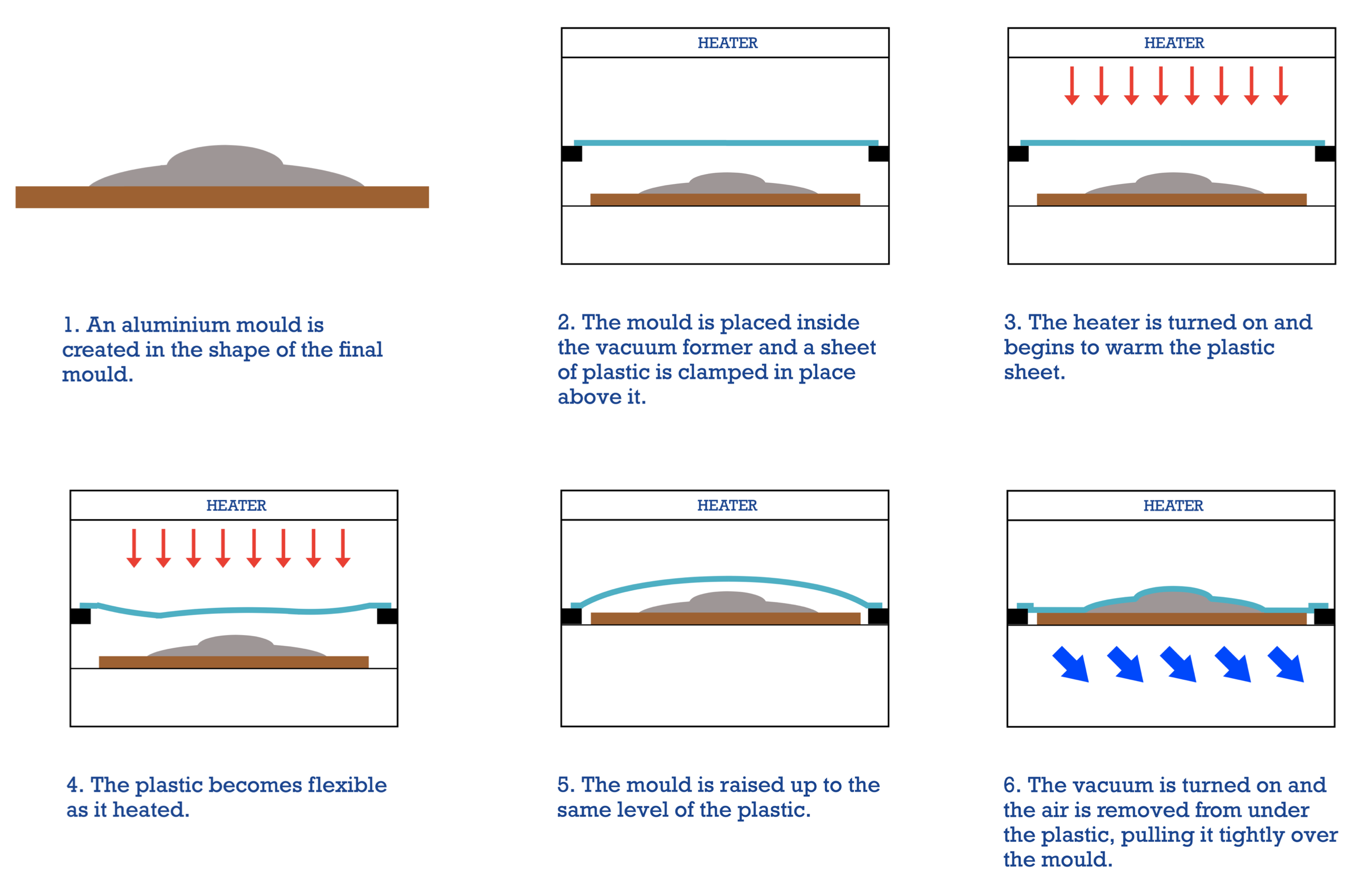
- Vacuum forming
- It is used with thermoplastics.
- Compression moulding
WORKING WITH PLASTICS
- Marking
- It is important to protect the plastic
- Cutting
- When the sheets are thin, they can be cut using a cutter
- Joining by cohesion
- Pieces of plastic are joined by heating them or using solvents
- Drilling
- For making holes
- Sawing
- For cutting thicker sheets
- Joining by adhesion
- Special adhesives are used
- Mechanical joining
- Rivets, screws, nuts and bolts are used.
- Marking
Imagens e arquivos do mapa




Informações
- Descrição
- Mapa Mental sobre WORKING WITH MATERIALS, criado por Silvia Fernández Gadea em 14-05-2021.
- Criado por
- Silvia Fernández Gadea · mai 2021
- Atualizado
- 26 mai 2021
- Visualizações
- 2
- Avaliação