
Mapa mental
Language Teaching Materials and the (Very) Big Picture
Conteúdo do mapa
Language Teaching Materials and the (Very) Big Picture
LTM are cultural artefacts, no less rooted in a particular time and culture than any other instance of human activity, and, as such, are shaped by the context in which they occur.
- ELT materials: the 1950s to the 1980s
- 1950's a period reflecting the birth of modern-day language teaching.
- The late 1960s to the late 1970s
- Humanistic methodologies. A well-known book from this time was Stevick’s (1976) “Memory, Meaning and Method,” which featured methodologies such as Gattegno’s Silent Way (Gattegno, 1972) and Lozanov’s Suggestopaedia (Lozanov, 1978).
- The 1950s/60s and the Cold War
- The 1958 National Defense (Foreign Language) Act was swiftly ushered in, providing massive funds for the development of language programmes.
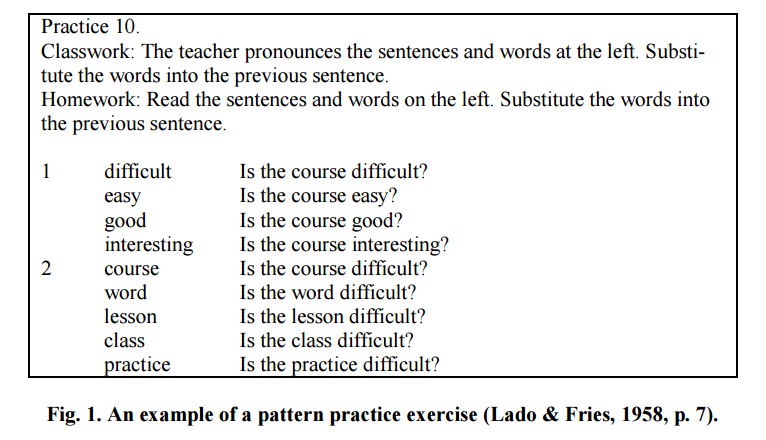
- “English Pattern Practice”
- The 1958 National Defense (Foreign Language) Act was swiftly ushered in, providing massive funds for the development of language programmes.
- The 1970s to the mid 1980s
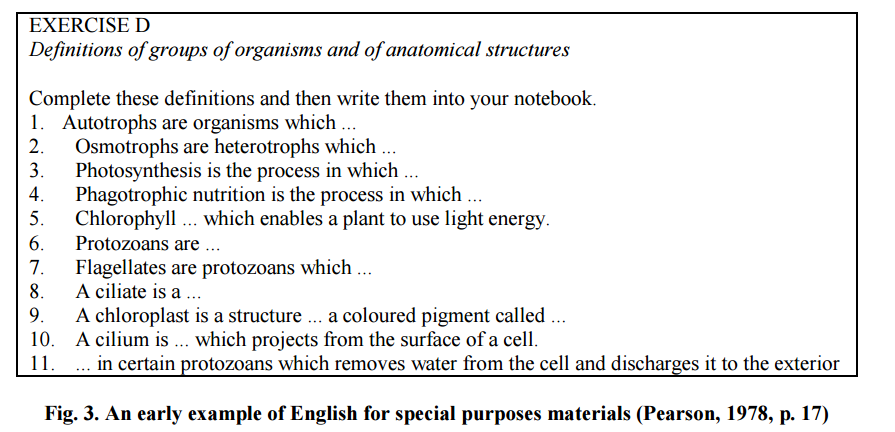
- individual’s particular needs through models such as those proposed by Munby (1981) .‘Special Purposes’ as a distinct branch of syllabus design.
- “The Good Language Learner” study (1978) seemed to take up the decade’s sentiment in showing how language learning was a person-centred activity, thereby kick-starting a major new strand of materials development: learner training. A well-known example of this is Ellis and Sinclair’s “Learning to Learn English,”
- individual’s particular needs through models such as those proposed by Munby (1981) .‘Special Purposes’ as a distinct branch of syllabus design.
- The late 1960s to the late 1970s
- 1950's a period reflecting the birth of modern-day language teaching.
- New imperatives on materials design: the mid 1980s onwards
- The variety of experimental and new approaches through the 1970s–1990s has now been superseded by a sameness throughout commercial publishing.
- McDonaldization
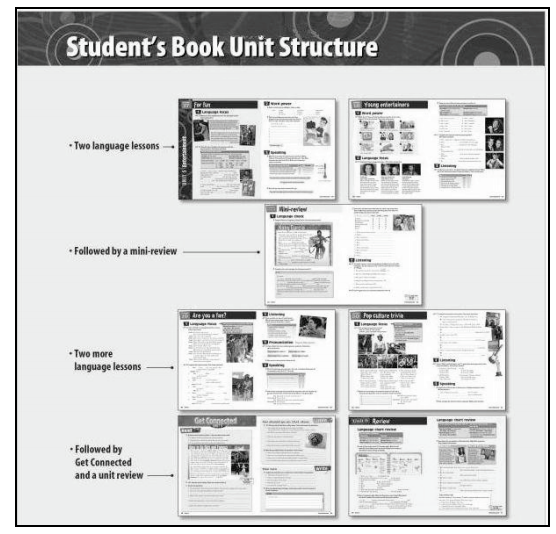
- Materials are routinely packaged into ‘chunks’ of two-page workplans often known as ‘units,’ ‘modules,’ ‘blocks,’ ‘themes’. ‘warm up’ activities may be routinely followed by some reading, which may be followed by grammar work, which may give way to written practice, before ending with some ‘freer work’ (the traditional PPP model)
- Materials are routinely packaged into ‘chunks’ of two-page workplans often known as ‘units,’ ‘modules,’ ‘blocks,’ ‘themes’. ‘warm up’ activities may be routinely followed by some reading, which may be followed by grammar work, which may give way to written practice, before ending with some ‘freer work’ (the traditional PPP model)
- Neo-liberalism
- relates to a much broader analysis of the social context in which language teaching takes place, that of the nature of society as a whole
- the commodification of language knowledge is showing extensive development is in the area of language certification, e.g. Cambridge University
- The proliferation of language examinations may constitute a good example of how neoliberalism and the market is shaping language teaching materials, a much more significant development from within the language teaching profession itself
- The real danger we are facing is that centrally determined decisions, far removed from the teachers and learners concerned, will attempt to impose a uniformity on what happens in classrooms
- The proliferation of language examinations may constitute a good example of how neoliberalism and the market is shaping language teaching materials, a much more significant development from within the language teaching profession itself
- the commodification of language knowledge is showing extensive development is in the area of language certification, e.g. Cambridge University
- relates to a much broader analysis of the social context in which language teaching takes place, that of the nature of society as a whole
- McDonaldization
- The variety of experimental and new approaches through the 1970s–1990s has now been superseded by a sameness throughout commercial publishing.
- ELT materials: the 1950s to the 1980s
Imagens e arquivos do mapa
Informações
- Descrição
- Overview of language teaching materials through history.
- Criado por
- MARIANA ISABEL PEINADO NAVARRO
- Visualizações
- 124
- Tags
- Avaliação