
Mapa mental
Education Psycology
Conteúdo do mapa
Education Psycology
Development and Diversity
- Cognitive and Linguistic Development
- General Principles of Human Development
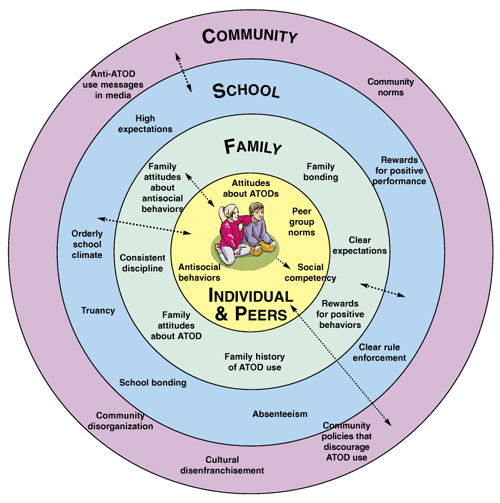
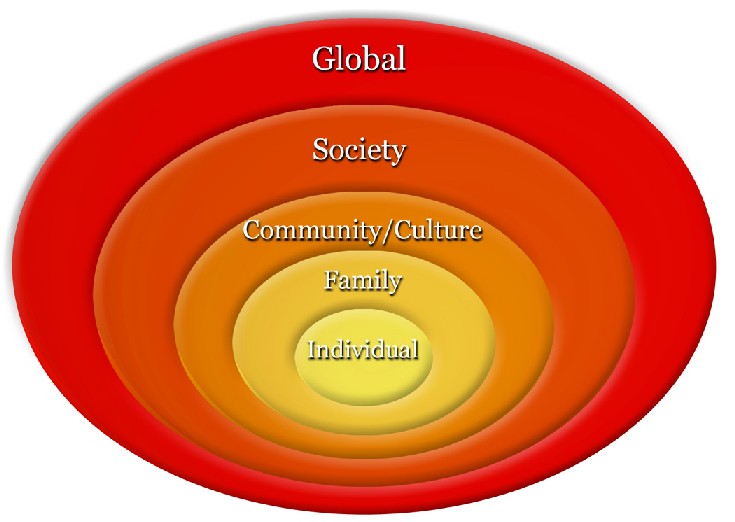
- The Multiple Layers of Environmental Influence: Bronfenbrenner's Theory
- Role of Brain in Learning and Developmnt
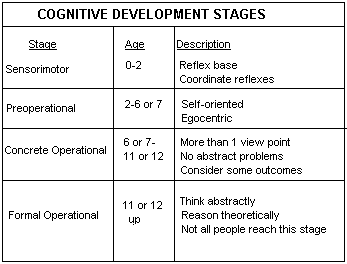
- Piaget's Theory of Cognitive Development
- Piaget's Basic Assumptions
- Children are active and motivated learners
- Children construct rather than absorb knowledge
- Children continually learn new things through two complementary processes: assimilation and accommodation
- Interaction with one's physical and social environments are essential for cognitive development
- The process of equilibration promotes toward increasingly complex thought
- In part as a result of maturational changes in the brain, children think in qualitatively different ways at different ages
- Piaget's Stages of Cognitive Development
- Piaget's Basic Assumptions
- Vygotsky's Theory of Cognitive Development
- Vygotsky's Basic Assumptions
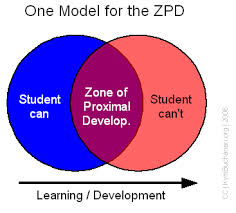
- Zone of Proximal Development (ZPD)
- Scaffolding
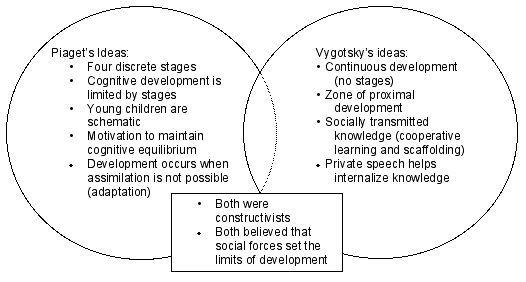
- Piaget vs Vygotsky
- Vygotsky's Basic Assumptions
- General Principles of Human Development
- Personal and Social Development
- Personality Development
- Temperament
- Environment Influences on Personality Development
- Family Dynamics
- Child Maltreatment
- Family Dynamics
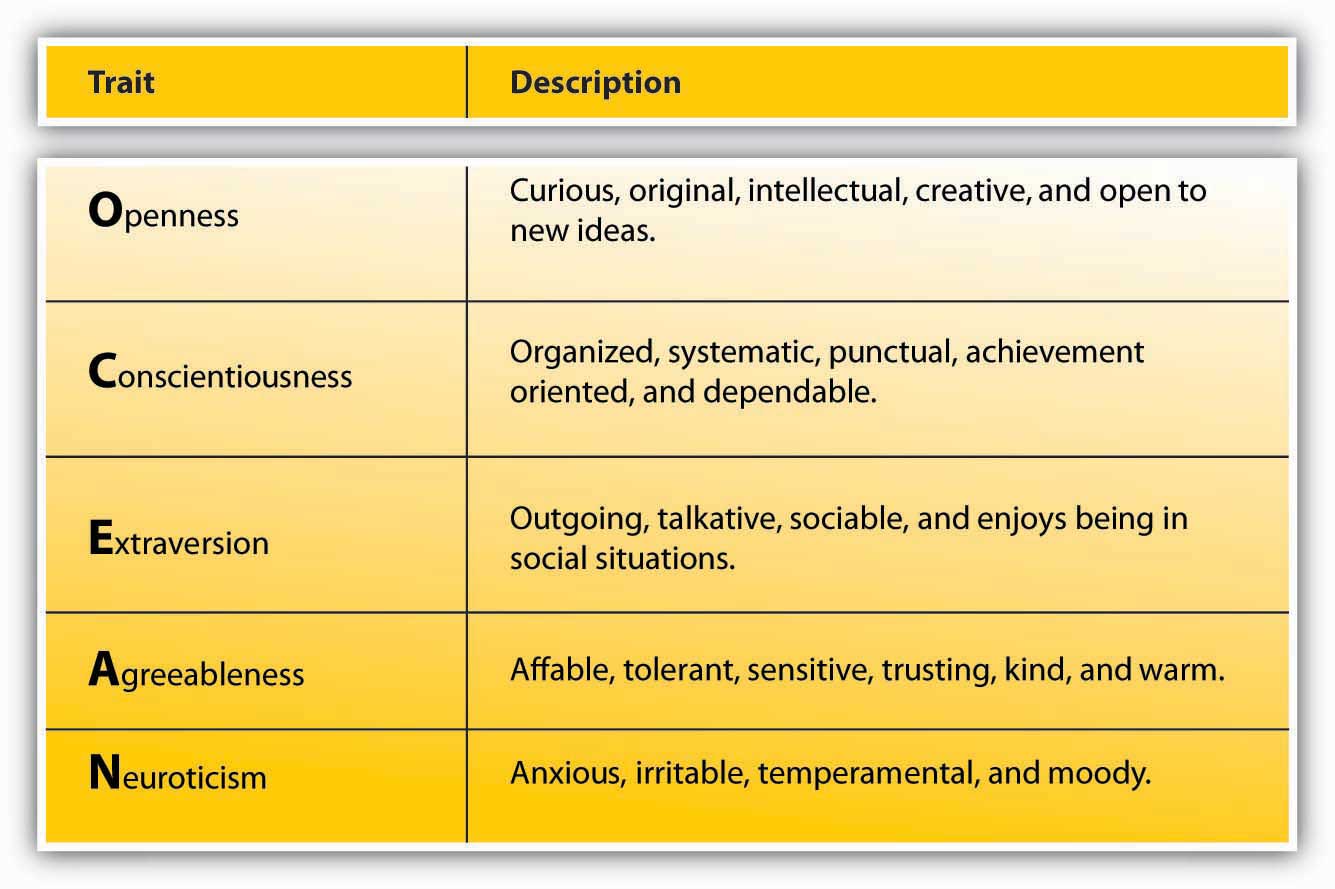
- The "Big Five" Personality Traits
- Development of a Sense of Self
- Factors Influencing Sense of Self
- Development Changes in Sense of Self
- Childhood
- Early Adolesence
- Late Adolescence
- Diversity in Sense of Self
- Gender Differences
- Cultural and Ethnic Differences
- Development of Peer Relationships and Interpersonal Understandings
- Roles of Peers in Children's Development
- Peer Pressure
- Characteristics of Peer Relationships
- Friendships
- Cliques
- Crowds
- Gangs
- Romantic Relationships
- Popularity and Social Isolation
- Popular Students
- Rejected Students
- Social Cognition
- Aggression
- Technology and Peer Relationships
- Roles of Peers in Children's Development
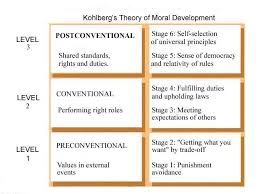
- Moral and Prosocial Development
- Personality Development
- Individual Differences and Special Education Needs
- Cognitive Styles and Dispositions
- Stimulation seeking
- Need for cognitive
- Critical Thinking
- Open-mindedness
- Cognitive Styles and Dispositions
- Group Differences
- Cultural and Ethnic Differences
- Navigating Different Cultures at Home and at School
- Culture Shock
- Examples of Cultural and Ethnic Diversity
- Language and Dialect
- Standard English
- Dialect
- African American English
- Talkativeness and Verbal Assertiveness
- Eye Contact
- Personal Space
- Language and Dialect
- Creating a Culturally Inclusive Classroom Environment
- Navigating Different Cultures at Home and at School
- Gender Differences
- Physical Activity and Motor Skills
- Cognitive and Academic Abilities
- Visual-spatial Ability
- Socioeconomic Differences
- Poor nutrition and health
- Inadequate housing and frequent moves
- Exposure to toxic substances
- Unhealthy social environments
- Emotional stress
- Cultural and Ethnic Differences
- Cognitive and Linguistic Development
Learning and Motivation
- Learning, Cognition, and Memory
- Basic Assumptions of Cognitive Psychology
- Behaviorism
- Social cognitive theory
- Cognitive psychology
- Contextual Theories
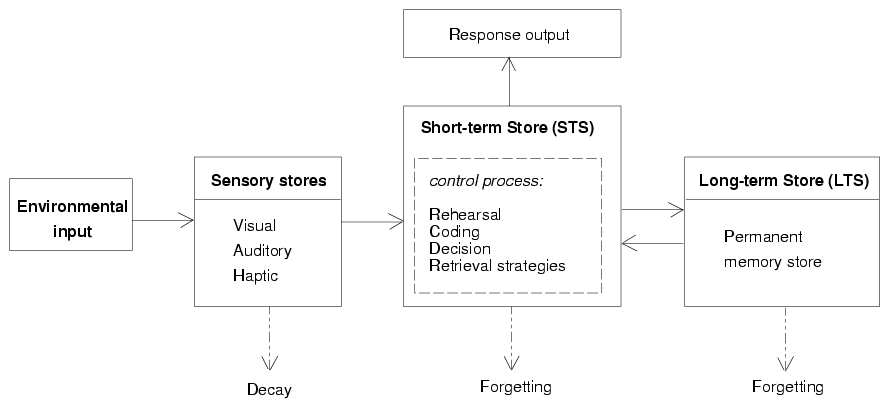
- A Model of Human Memry
- Information processing theory
- Long-term Memory Storage
- Rehearsal
- Elaboration
- Orginization
- Visual imagery
- Basic Assumptions of Cognitive Psychology
- Complex Cognitive Processes
- Metacognition and Learning Startegies
- Transfer
- Problem Solving
- Creativity
- Convergent thinking
- Divergent thinking
- Critical Thinking
- Diversity in Creativity, Critical Thinking, and Other Complex Cognitive Procsses
- Learning and Cognition in Context
- Bsics Assumptions of Contextual Theories
- Social Interactions as Context
- Cultures as Contexts
- Society and Technology as Contexts
- Academic Context Domains as Contexts
- Behaviorist Views of Learning
- Instrumental conditioning
- Reinforcer
- Increase
- Punishment
- decrease
- Operant conditioning
- Positive reinforcement
- Removal punishment
- Token economy
- Social Cognitive Views of Learning
- The Social Cognitive View of Reinforcement and Punishment
- Modleing
- Mirror neuron
- Model
- Cognitive modeling
- Self-Efficacy
- Goals
- Effort and persistence
- Learning and Achievment
- Self-Regulation
- Motivation and Affect
- The Nature of Motivation
- time on task
- Basic Human Needs
- need for competence
- self-worth
- Cognitive and Sociocultureal Factors in Motivation
- Interest
- Value
- Mastery goal
- Performance goal
- Social goal
- Long-term goal
- Affect and Its Effect
- anxiety
- threat
- challenge
- The Nature of Motivation
- Learning, Cognition, and Memory
Classroom Strategies
- Instructional Strategies
- Planning for Instruction
- Task analysis
- Lesson plan
- Teacher-Directed Instructional Strategies
- Mastery learning
- Learner-Directed Instructional Strategies
- Cooperative learning
- base group
- Peer tutoring
- Planning for Instruction
- Creating a Productive Learning Environment
- Creating a Setting Conducive to Learning
- Classroom Management
- Classroom Climate
- Belongingness
- Expanding the sense of Community Beyond the Classroom
- Cueing
- Cognitive behavioral therapy
- Addressing Aggression and Violence at School
- Creating a Setting Conducive to Learning
- Classroom Assessment Strategies
- The Many Forms and Purposes of Assessment
- Formative Versus Summative Assessment
- Formative BEFORE/DURING
- Summative After
- Informal vs formal
- Paper-Pencil vs Performance
- Traditional vs Authentic
- Standardized texts vs teacher- developed
- Criterion-Referenced vs Norm-Referenced
- Formative Versus Summative Assessment
- Enhancing Learning through Formative Assessments and Other Assessment Practices
- Rubric
- Dynamic assessment
- Important Qualities of Good Assessments
- Standarsization
- Validity
- Assessing Learning and Performance Both Informally and Formally
- Halo effect
- Horns effect
- Recognition task
- Recall task
- Taking Student Diversity into Account in Classroom Assessments
- The Many Forms and Purposes of Assessment
- Summarizing Students' Achievement and Abilities
- Summarizing the Results of a Single Assessment
- Raw Scores
- Criterion-Referenced Scores
- Norm-Referenced Scores
- Standard Deviation
- IQ Test
- ETS score
- Determining Final Class Grades
- Using Portfolios
- Standardized Tests
- High-Stakes Testing and Accountability
- No Child Left Behind Act
- Taking Student Diversity into Account
- Confidentiality and Communication about Assessment Results
- Summarizing the Results of a Single Assessment
- Instructional Strategies
Imagens e arquivos do mapa



Informações
- Descrição
- Mapa Mental sobre Education Psycology, criado por xxtasha_93xx em 30-11-2013.
- Criado por
- xxtasha_93xx
- Visualizações
- 42
- Avaliação