
Child and Human Development
571 resources created by 469 users
This Child and Human Development page on GoConqr gathers community-made mind maps, quizzes, flashcards and notes, from Piaget and Vygotsky to language development, resilience and attachment. It's built for university students and professional candidates, school students, and teachers after ready-made material. There are over 500 resources here, including more than 20 quizzes and over 400 mind maps, written at levels from school courses to university study. Pick a theorist, try a quiz to find your gaps, then make revision your own.
Select topic
- Factors Affecting Child Development16
- Child Development Theories59
- Piaget's Theory of Cognitive Development72
- Vygotsky's Sociocultural Theory28
- Piaget and Vygotsky20
- Brain Development5
- Cognitive Development37
- Language and Communication Development8
- Social and Emotional Development16
- Child Development and Learning19
- Stages of Child Development15
- Adolescent Development11
Top Child and Human Development resources
-
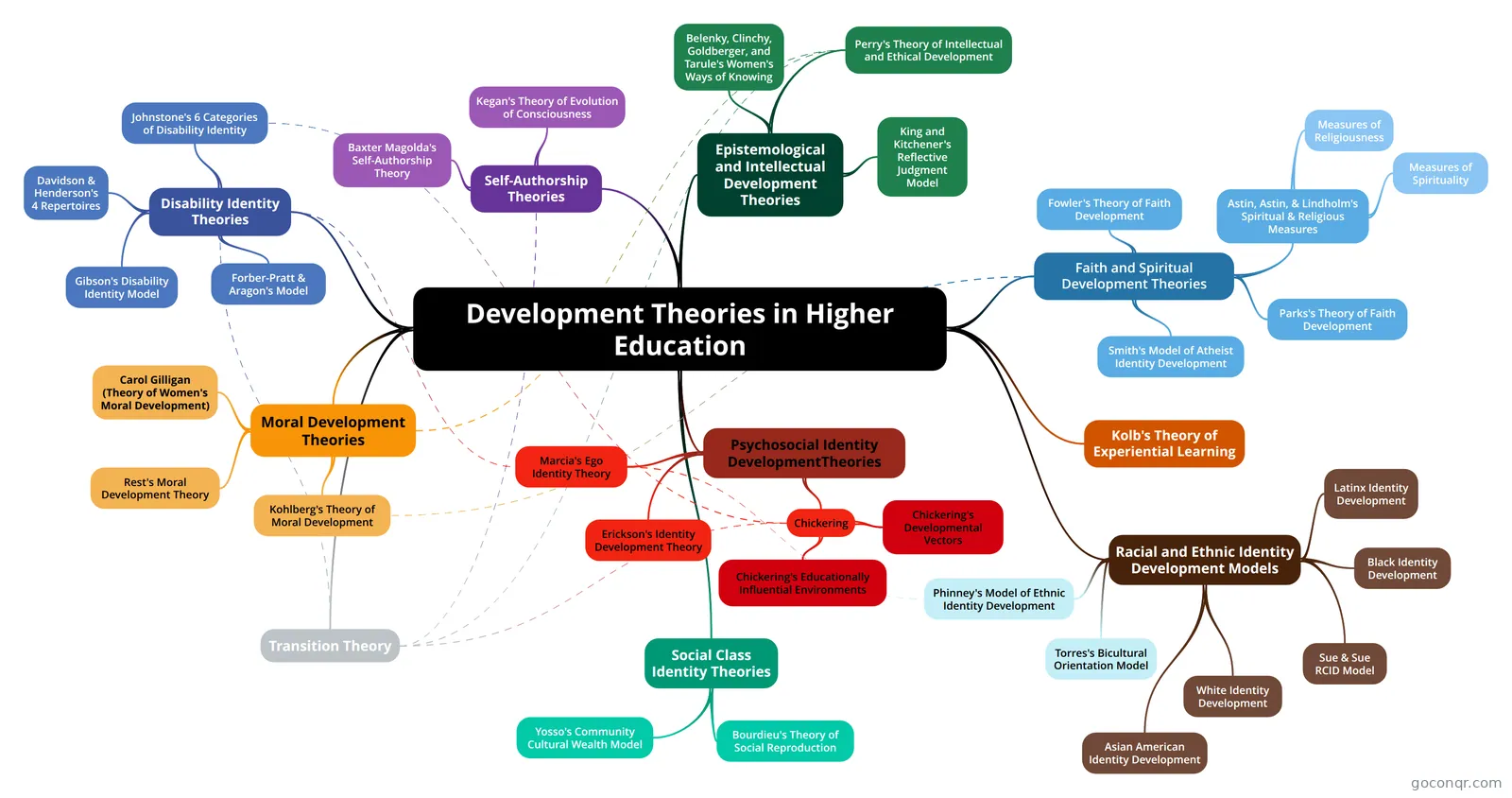 Mind map Development Theories in Higher Education Development Theories in Higher Education and How They Connect
-
27 questionsChapter 3 A child’s development depends on the child’s
-
Mind map Comparison: Piaget & Vygotsky
-
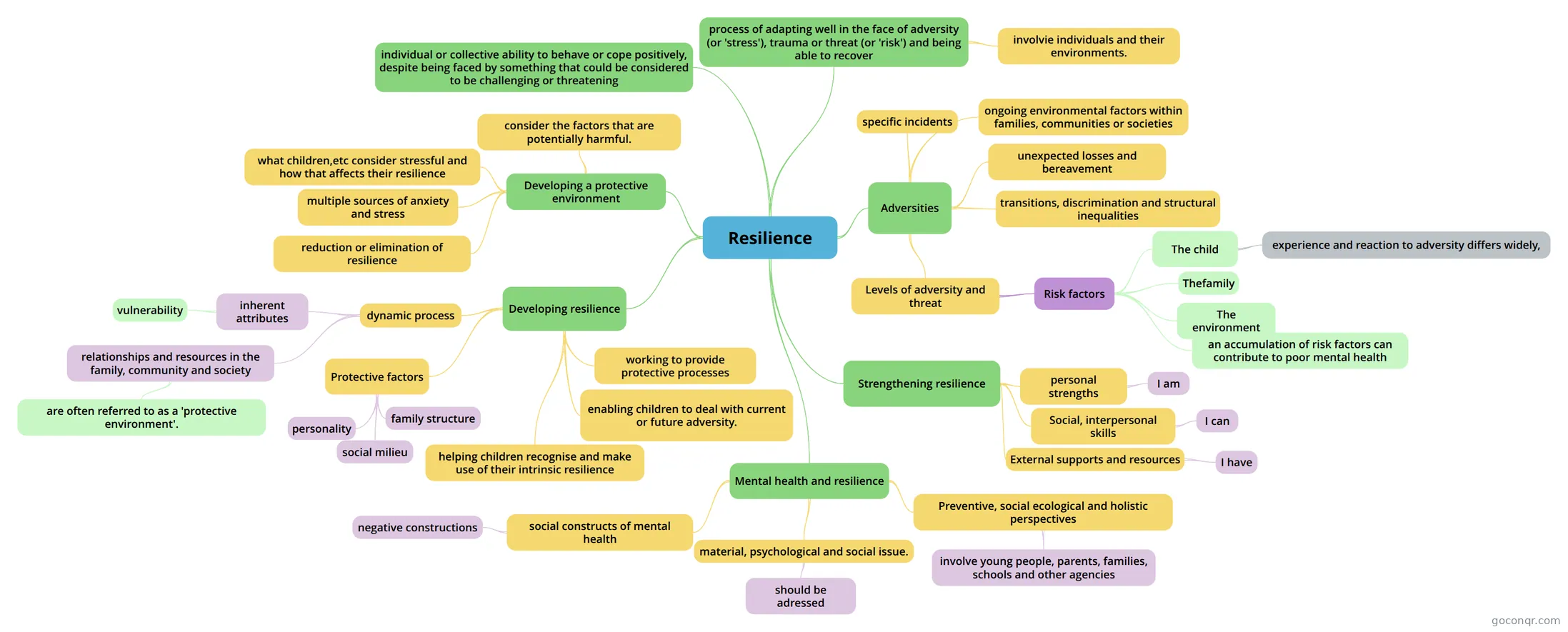 Mind map Resilience K218 exam revision
-
Mind map Vygotsky in Practice
-
49 questionsChapter 6 - Piaget and Vygotsky According to Piaget, accommodation refers to
-
Mind map Piaget vs Vygotsky - Cognitive Development
-
Mind map Cognitive Development
Quizzes
See all 32 quizzes-
27 questionsChapter 3 A child’s development depends on the child’s
-
49 questionsChapter 6 - Piaget and Vygotsky According to Piaget, accommodation refers to
-
40 questionsPedagogy K-6 (Set 1) Compared with students in the early elementary grades, students in the upper elementary grades are often be...
-
85 questionsUntitled
-
53 questionsChild Dev Unit 5 Review
-
82 questionsG&D Unit 3 This type of parenting style is very permissive.
-
10 questionsCh.13 Central to Vygotsky’s theory of cognitive development is the idea that children increasingly make better se...
-
30 questionsTuesday Lecture
Mind maps
See all 448 mind maps-
Development Theories in Higher Education Development Theories in Higher Education and How They Connect
-
Comparison: Piaget & Vygotsky
-
Resilience K218 exam revision
-
Vygotsky in Practice
-
Piaget vs Vygotsky - Cognitive Development
-
Cognitive Development
-
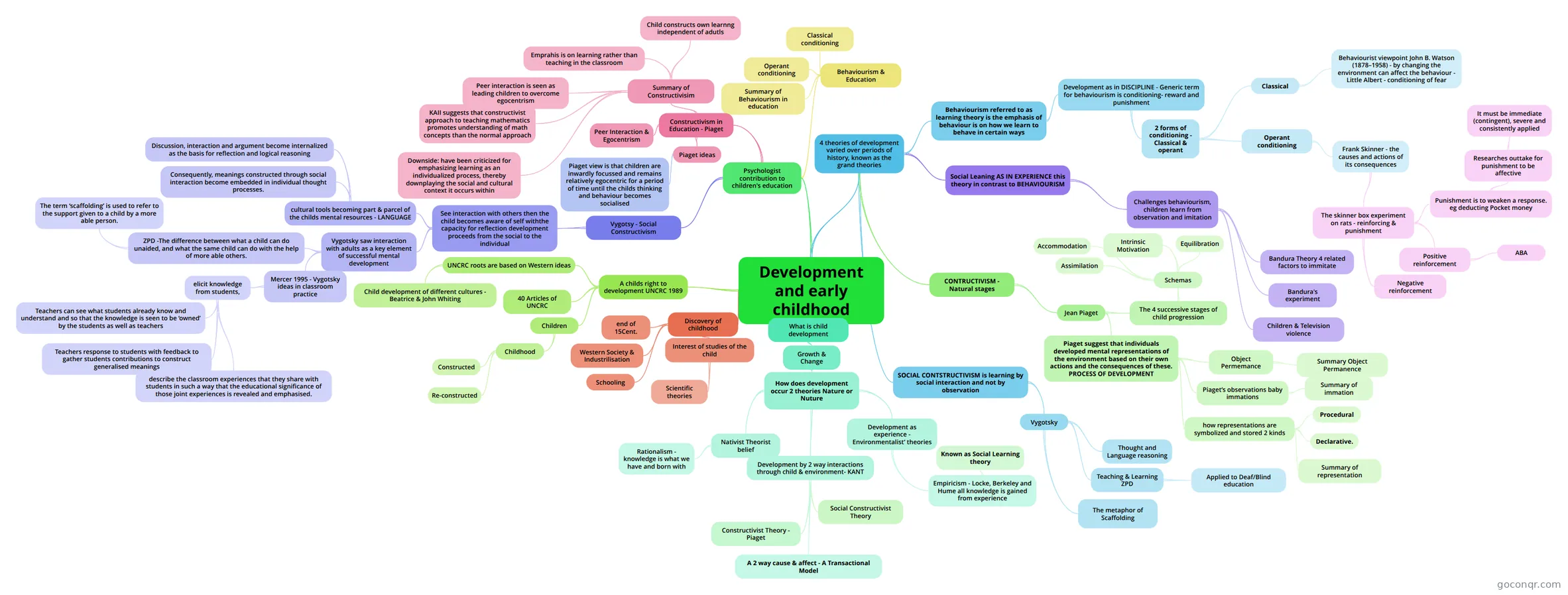 Development and early childhood
-
Development and early childhood
Flashcards
See all 52 flashcards-
116 cardsCognitive/Social/Physical Development Importance of Play
-
35 cardsTheorists Skinner Vygotsky Chomsky Erikson Bowlby Ainsworth Parten
-
46 cardsYC MIDTERM
-
195 cardsDevelopmental Levels of Play (Birth-Middle Childhood) Exploratory play with sensory play predominating
-
76 cardsEDPY 302 Test 1 What is Development?
-
24 cardsHuman Development - Chapter 1 slides What is the most important external context?
-
24 cardsWeek 3 - Cognitive Development Jean Piaget (1896-1980)
-
54 cardsChild-Adolescent Development Newborn Physical Growth
Flowcharts
See all 19 flowchartsNotes
See all 16 notes-
Development and early childhood - created from Mind Map_1 Discovery of childhood end of 15Cent. Western Society & Industrilisation Schooling Interest of studies of the child Scientific theories What is child development Growth & Change How does development occur 2 theories N...
-
Development and early childhood - created from Mind Map Discovery of childhood end of 15Cent. Western Society & Industrilisation Schooling Interest of studies of the child Scientific theories What is child development Growth & Change How does development occur 2 theories N...
-
Early Child development 2 Jean Piaget, was interested in the wrong answers that children gave.These ‘errors’ seemed to be systematic rather than random, suggesting some underlying consistencies in the children’s developing mental abilities.Pia...
-
Child development family and parenting Family and parentingwhat is a family? The nature of the family has changed in the UK. It has become more complex, mainly due to changes in society- such as moral attiudes towards marriage and changes to the laws conce...
-
Course of Child Development - created from Mind Map Continous development is the assembling of more of the same type of skills that had already existed. Discontinous development is creating new ways of grasping and responding to the world. This takes place in stages an...
-
Vygotsky's Social Development Theory - creado desde un Mapa Mental Lev Vygotsky stress the significance of social intereactions and cultural context to the learner humans develop from a certain culture (e.g. in their language or writing), and these functions are eventually internaliz...
-
Cognitive and language development - created from Mind Map cognitive development Language development Definition
-
vygotsky Vygotsky vs Piaget : theoretical perspectives Jean piaget developed a constructivist theory with the assumption that humans generate knowledge and meaning from interactions,Mind is constructed through interaction with...
Slides
Topics in Child and Human Development
More Education and pedagogy (incl. teaching methods, curriculum, educational psychology) topics
About Child and Human Development
GoConqr OriginalWhat the resources cover
The core of this unit is cognitive and social development theory. The mind map Comparison: Piaget & Vygotsky sets the two thinkers side by side, looking at biology versus culture and the shared importance of social interaction. Piaget's Theory of Cognitive Development and Sociocultural Theory look at each view in turn.
Beyond theory, you will find maps on Language Development, from reflexive crying through cooing to babbling, and on Resilience, which treats adapting well to adversity as a process involving individuals and their environments. Development Theories in Higher Education covers identity and moral development, including Erikson's work.
Where to start
- Open Comparison: Piaget & Vygotsky for the big picture.
- Move to the single-theorist maps and the flashcard decks on Piaget's stages and Vygotsky's theory.
- Look at Vygotsky in Practice to see reciprocal teaching: summarising, questioning, clarifying and predicting.
- Finish with wider topics such as attachment, play and social and emotional development.
Using quizzes and maps together
Read a map first, then take a quiz on the same idea. The quiz Chapter 6 - Piaget and Vygotsky asks about accommodation and cognitive equilibrium, so it pairs well with the Piaget maps. Anything you miss tells you which branch to reopen. Flashcard decks are handy for short sessions on terms and theorists.
Some resources are labelled for courses such as A-level Psychology and GCSE Health and Social Care, so school students can spot material close to their own course. University students and professional candidates will find lecture-style decks, midterm notes and chapter quizzes. Teachers can use the classroom-focused maps, such as Applications to Education, as ready-made material.
Where this unit fits
This unit sits in the Learning and Development strand of Education and pedagogy. It links theory about how children grow with the practice of teaching and care.
Choose one theorist, work through a map and a quiz, then build your own maps or flashcards to fill any gaps.
Frequently asked questions
Which resource should I open first?
Start with the mind map Comparison: Piaget & Vygotsky. It sets out the two main cognitive theories, their differences and what they share, so later maps and decks make more sense. After that, try the quiz Chapter 6 - Piaget and Vygotsky to check what stuck.
What do the mind maps on this page cover?
There are over 400 of them. They cover Piaget, Vygotsky, Bruner and constructivism, plus language development, resilience, identity and moral development, play, adolescence and child rights. Some link theory to classroom practice, such as Vygotsky in Practice and Applications to Education.
Are the resources free to use?
Yes. Every resource listed here is free to open, study and take, with no account needed. They were made by GoConqr users, not by GoConqr itself. A free account saves your quiz scores and lets you make your own quizzes, mind maps, flashcards and notes.
Which levels and exams do these suit?
Most resources suit university students and professional candidates, with a good share for school students. Some mention A-level Psychology or GCSE Health and Social Care. Teachers can use them as ready-made material for lessons and revision.
Are there quizzes on specific theorists?
Yes. Look for Vygotsky and Piaget quiz, Chapter 6 - Piaget and Vygotsky and RECAPPING CHILD DEVELOPMENT THEORIES. There are more than 20 quizzes on the page, many tied to textbook chapters or course units, so you can test one topic at a time.
What if I can't find my topic?
Try the broader maps and decks first, such as Theorists, Key Theorists or Cognitive/Social/Physical Development, which often touch on related ideas. If your topic is still missing, make your own mind map, flashcards or quiz and keep it for revision.