
Mapa mental
Test Your Own Genes
Conteúdo do mapa
Test Your Own Genes
Isolate Your DNA
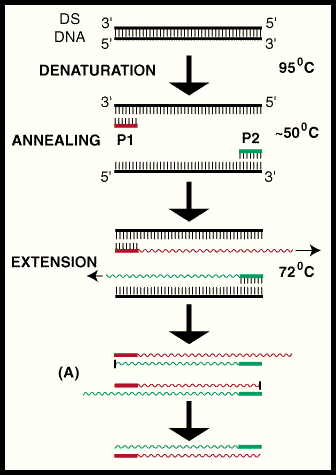
- Amplify Your DNA By PCR
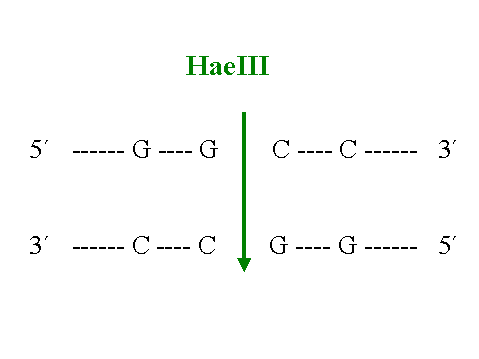
- Digest PCR Products With Restriction Enzyme HaeIII
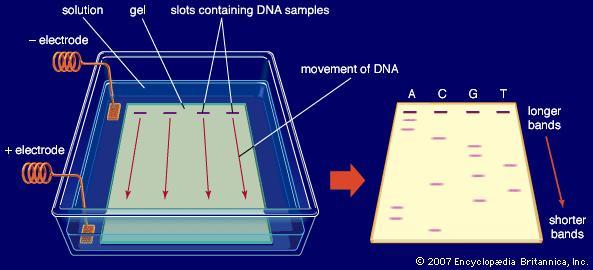
- Analyze PCR Products By Gel Electrophoresis
- Determine Your PCR Genotype and Phenotype
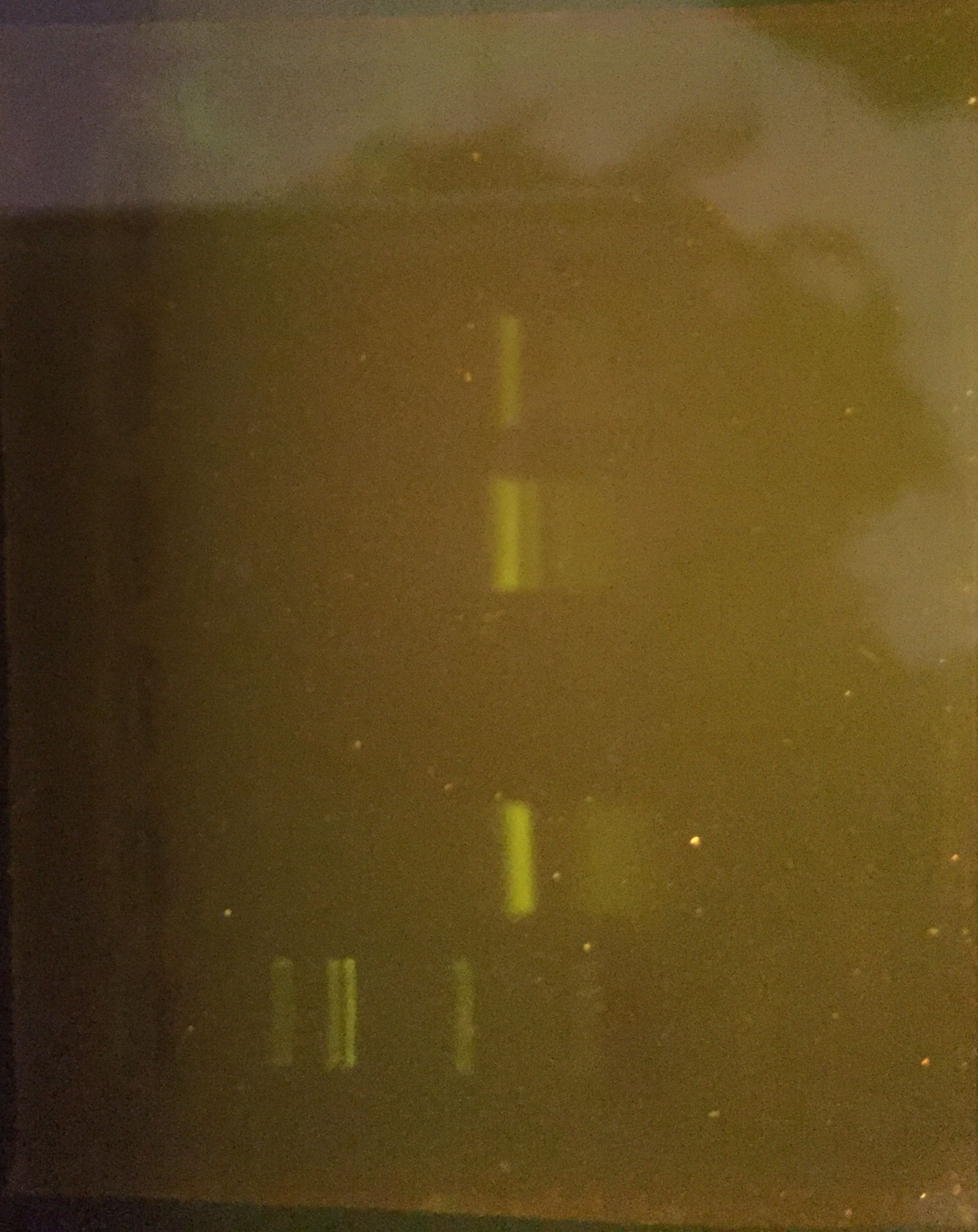
- Results of gel electrophoresis
- Indicate heterozygous and homozygous dominant genotypes
- Heterozygous carriers have one dominant and one recessive allele resulting in three bands because HaeIII cuts twice on the dominant allele and none on the recessive allele. Though HaeIII cuts twice on the dominant allele only two bands are shown for both alleles because they are the same base pair length and therefore occupy the same spot not the gel. Homozygous recessive individuals will have a singular band because HaeIII didn't cut anywhere.
- Indicate heterozygous and homozygous dominant genotypes
- Goal: Analyze electrophoresis results then use PTC paper to determine if the gel results match our phenotype
- Results of gel electrophoresis
- Place the gel in the electrophoresis chamber and add buffer
- Lane 1: 20 microliters of DNA marker
- Lane 2: 10 micrometers of student 1 undigested DNA
- Lane 3: 15 microliters of student 1 digested DNA
- Lane 4: 10 micrometers of student 2 undigested DNA
- Lane 5: 15 microliters of student 2 digested DNA
- Let the gel run for at least 30 minutes then view with a white light box
- Goal: Run and stainless then view the results using a white light box
- Determine Your PCR Genotype and Phenotype
- Label two tubes digested and undigested
- Transfer 15 microliters of PCR product into the digested tube and transfer the remaining amount into the undigested tube
- Transfer the Haelll enzyme directly into the digested tube and pipet up and down to mix
- HaeIII recognizes the sequence GGCC and cuts bluntly - perfect for analysis because the DNA fragments don't stick back together
- Tap the bottom of the tube on a lab bench to mix and pool the reagents
- Transfer the digested sample into a .2 ml tube
- incubate at 37 degrees for one hour
- Transfer the digested sample into a .2 ml tube
- Transfer the Haelll enzyme directly into the digested tube and pipet up and down to mix
- Transfer 15 microliters of PCR product into the digested tube and transfer the remaining amount into the undigested tube
- Goal: Identify SNPs or base pair differences in the amplifies sequence of TAS2R38
- Analyze PCR Products By Gel Electrophoresis
- Obtain a PCR tube with the ready-to-go PCR bead and label with your initials
- Add loading dye, place the tube on ice, allow the bead to dissolve
- The dye will turn purple as the bead dissolves
- Dye allows use to see the cheek cells
- Place the PCR tube in a thermal cycler
- Store the amplified DNA on ice
- The dye will turn purple as the bead dissolves
- Add loading dye, place the tube on ice, allow the bead to dissolve
- Goal: Use PCR to make multiple copies of TAS2R38 gene for analysis
- Digest PCR Products With Restriction Enzyme HaeIII
- Label a 1.5 microcentrifuge tube with your intiials
- Pour all of the saline solution into your mouth and swish for thirty seconds
- Spit the liquid into a paper cup
- Swirl the cup and mix the cheek cells then transfer to the labeled microcentrifuge
- Centrifuge
- Concentrates all the DNA from the cheek cells at the bottom of the tube
- Pour off the supernatant
- Because it no longer contains any cheek DNA
- Pipet up and down to resuspend the pellet
- It spreads the DNA
- Add chelex to protect the cheek cells from heat
- Heat the tube
- Releases the DNA from the nucleus
- Cell lysis
- When cool, shake the tube
- Centrifuge
- Transfer supernatant to a labeled 1.5 tube
- The supernatant now contains the DNA from the cheek cells and the pellet contains debris
- Transfer supernatant to a labeled 1.5 tube
- Centrifuge
- Releases the DNA from the nucleus
- Heat the tube
- Centrifuge
- Swirl the cup and mix the cheek cells then transfer to the labeled microcentrifuge
- Spit the liquid into a paper cup
- Pour all of the saline solution into your mouth and swish for thirty seconds
- Goal: Extract a sample of cheek cells to start your PCR reaction
- Amplify Your DNA By PCR
Goal: Use the DNA from cheek cells to find an individual's genotype for PTC and compare these results to the phenotype
Imagens e arquivos do mapa
Informações
- Descrição
- Activity 2.1.3 Test Your Own Genes
- Criado por
- Tashelle Davis
- Visualizações
- 184
- Tags
- Avaliação