
Mapa mental
EQ
Conteúdo do mapa
EQ
What is it?
- Initially used to correct imperfections in the sound.
- As technology improved it started to be used for different purposes.
- EQ units offer a combination of different filters that can be used together.
- Plug-in EQs can offer an almost limitless supply, hardware EQs are limited by their design.
- EQ units offer a combination of different filters that can be used together.
- As technology improved it started to be used for different purposes.
- It was initially used to compensate for the loss of upper frequencies on long cable runs.
- BBC - King's College
- Mid freq. boost = boxy sound
- Top freq. boost = tinny sound
- EQ can be used in combination with panning to separate instruments
- General rules:
- Trust ears over eyes
- 1. Set frequency area
- 2. Adjust frequency range
- 3. Boost/cut
- 2. Adjust frequency range
- Used to highlight instrumental tones, remove unwanted noise such as feedback, rumble etc.
- Initially used to correct imperfections in the sound.
Parametric EQ
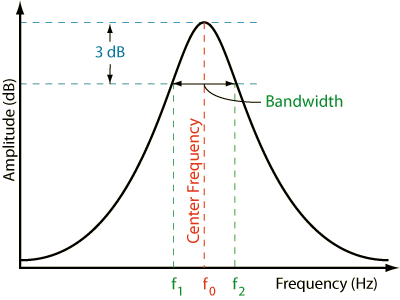
- Based on a band-pass filter
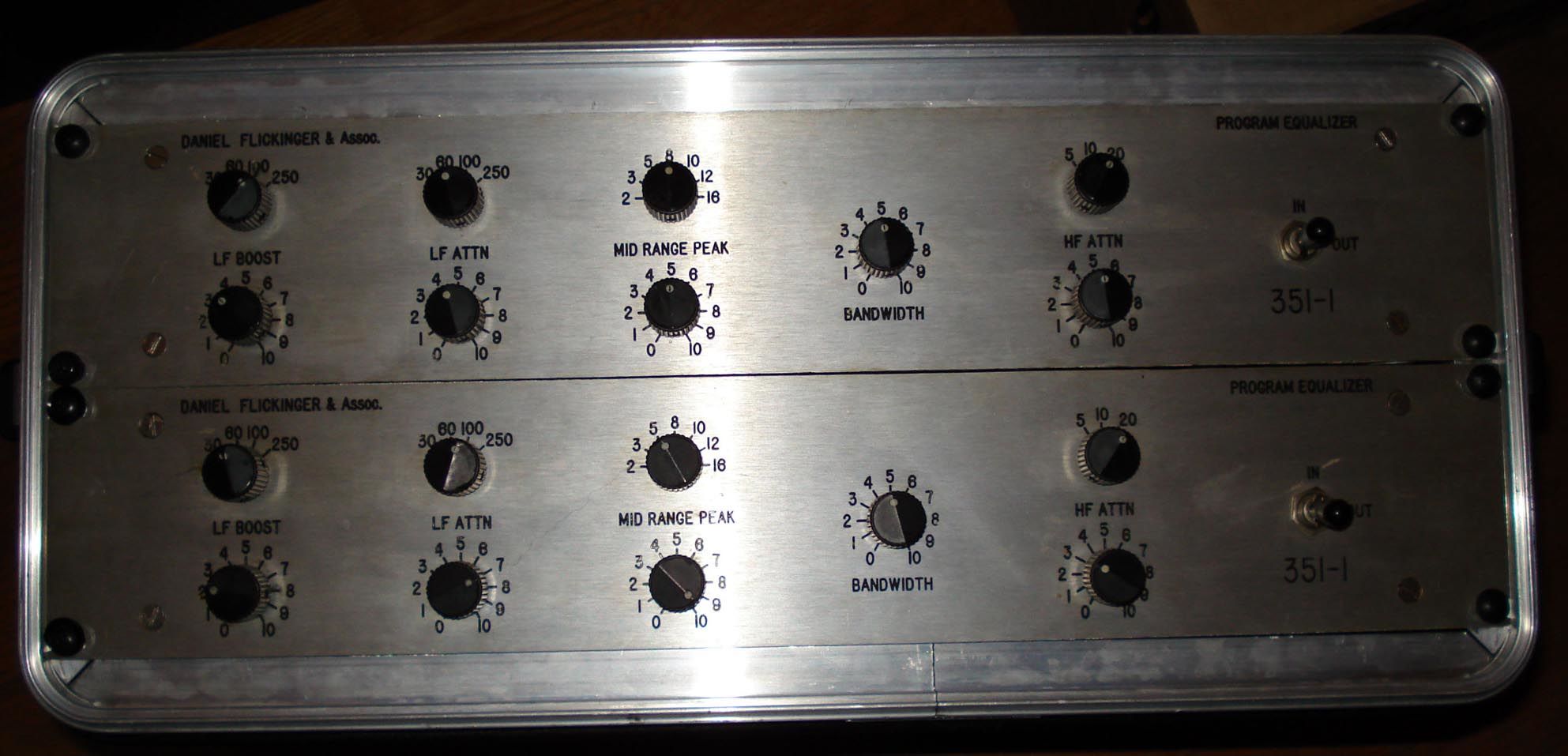
- Has access to the same Q, boost/cut and centre frequency.
- Adjustable filter sections are provided so the user can effect a variety of bandwidths.
- Gives the user the ability to finetune their recording.
- Choose a centre frequency and move it up, down and around.
- Sweeping - moving the frequency (with the gain set high) to search for where EQ should be applied
- More specific and specialist in comparison to graphic
- Requires more expertise
- More precise adjustments
- Semi-parametric EQ AKA sweepable filter: allows user to control amp and freq but uses a pre-set bandwidth for the centre frequency.
Graphic EQ
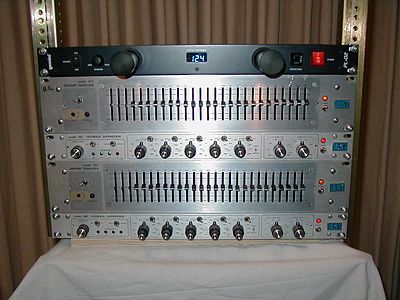
- A group of band-pass filters.
- Centre frequency is equally spaced.
- Octaves apart
- Spacing is agreed through musical intervals.
- Simpler to use compared to parametric EQ but less precise.
- Often used to compensate for a venue's acoustics.
- Rows of adjustable sliders so you can home in on specific frequencies
- Input signal is sent to a bank of filters, which pass the portion of the signal present in its own freq. range or band.
- Filter is adjusted via slide control to boost or cut freq
When to EQ?
- Can do it continously
- Can do it at the end after you've got all the audio
- Depends on the creative/practical purpose
- General rule is to EQ later on
- Makes the piece sound nice as a whole
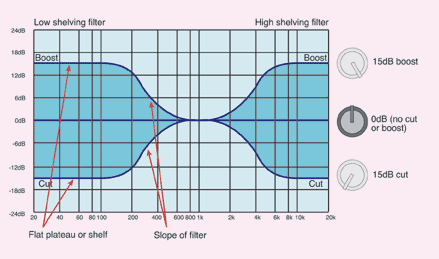
Shelf EQ
- Cuts or increases all frequencies above or below the cut off evenly
- Used in common tone controls
- Cuts or increases all frequencies above or below the cut off evenly
Fixed EQ
- Bass, treble, mid
History
- Langevin Model EQ-251A - 1st EQ to use slide controls
- Type 7080 developed by Art Davis' Cinema Engineering - 1st true graphic EQ
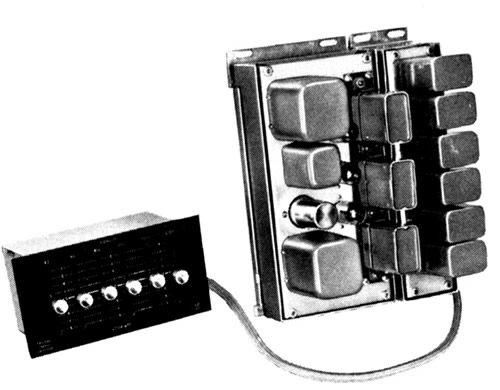
- Daniel Flickinger introduced 1st parametric EQ in 1971
- He achieved filtering circuits that were impossible before. 6 knobs controlled sweepable features.
- Most modern day parametric EQ designs rely on the designs of Flickinger, Massenberg and McNeal
- In 1990s and 2000s parametric EQs became increasingly available as Digital Signal Processing equipment in the form of plug-ins for DAWs.
- Standalone outboard gear versions were introduced after software versions and referred to as Digital Parametric Equalizers
Imagens e arquivos do mapa
Informações
- Descrição
- A Levels Music Tech (A2) Mapa Mental sobre EQ, criado por Hazel Meades em 12-03-2014.
- Criado por
- Hazel Meades
- Visualizações
- 109
- Tags
- Avaliação