Mapa mental
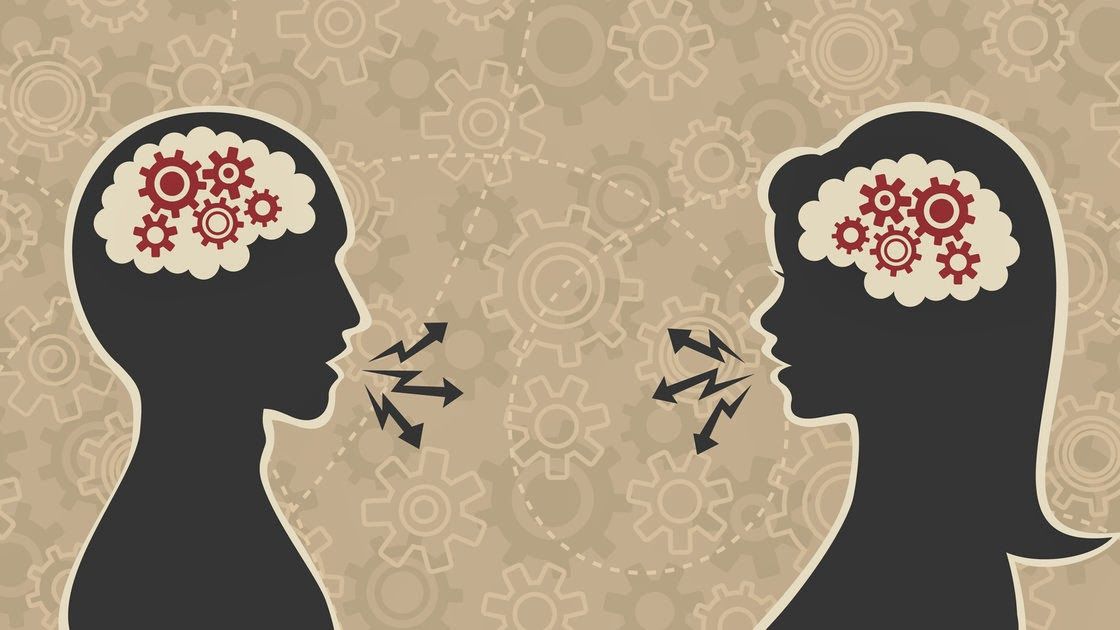
The Technology of Conversation
Conteúdo do mapa
The Technology of Conversation
Language Regulators
- "gut-feeling" when appropriate interaction is occuring
- interpreters make adjustments: become director of interaction by employing certain strategies and by making decisions about which rules to follow
- which person gets to speak when 2 people start talking at same time
- how people are interrupted
- how people keep control of their turn of talk
Turn-Taking
- use mechanisms to control flow: help listener know when speaker is at beginning, middle, or end and help them know when to start talking
- ASL Users
- maintain their turn when stopping to gather their thoughts by dropping their eye gaze, keeping their hands up, or holding the last sign frozen
- English Users
- will not understand pauses that are due to processing time & are not use to using an interpreter, so they will be uncomfortable during silence
- Interpreters should use English fillers like "hmm" or "well" in order to maintain Deaf consumer's position as a speaker
- respond too quick: not interested in what other said than your own reply
- respond too slowly: lack of understanding, disinterest, or disagreement
- ASL Users
- use mechanisms to control flow: help listener know when speaker is at beginning, middle, or end and help them know when to start talking
Claiming a Turn of Talk
- English Speaker
- indicate by "uh huh", "right", or repeating the word "OK" more often than before
- ASL Users
- indicates by increasing head nodding (size & frequency), raising the palm, changing from a rest position to pointing/touching/waving the hand, switching eye gaze/posture, or interrupting & repeating the 1st few signs
- interpreter must give auditory ques
- indicates by increasing head nodding (size & frequency), raising the palm, changing from a rest position to pointing/touching/waving the hand, switching eye gaze/posture, or interrupting & repeating the 1st few signs
- English Speaker
Ending a Turn of Talk
- ASL Users
- indicate by returning to direct eye gaze & returning their hands to a rest position
- might decrease signing speed or index the reciever
- indicate by returning to direct eye gaze & returning their hands to a rest position
- English Speaker
- indicate by lowering their voice, saying the word "OK", or leaving a long pause (allows other person to become speaker
- ASL Users
Two Types of Conversational Regulators
- Markers
- words speaker uses to signal what he/she plans to do during turn of talk
- require long turn must follow steps
- 1. Inform- ASL users will hold up finger or wave hand
- 2. Use Marker: English user will use listing methods (ie "1st of all"), ASL users will list of non-dominant
- 3. Foreshadow: Question or Command.
- Interpret marker and the recipient will know to wait
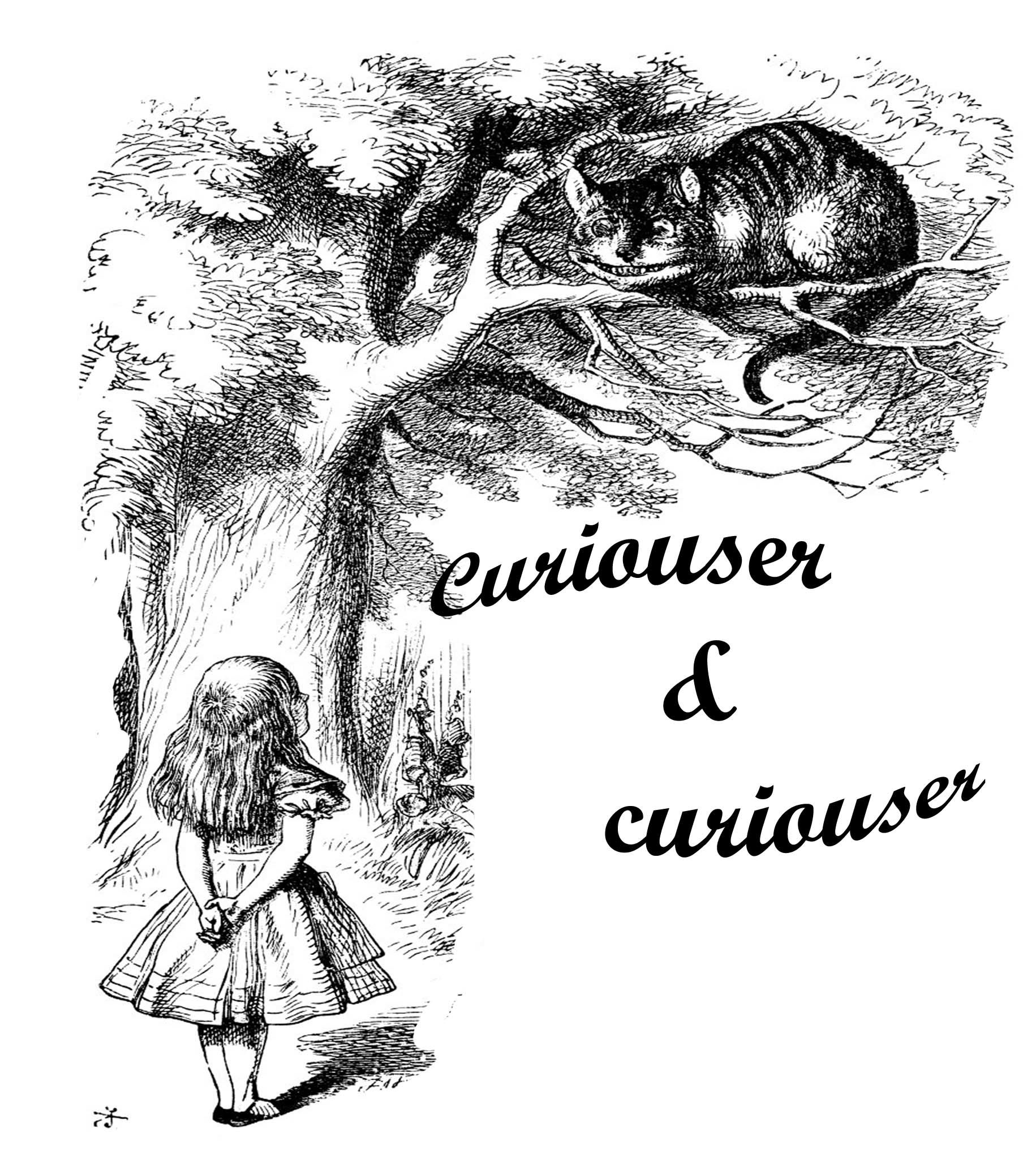
- ASL example of marker: CURIOUS
- require long turn must follow steps
- words speaker uses to signal what he/she plans to do during turn of talk
- Continuers
- non-verbal indicators used by recipients to let speaker know they want the speaker to continue
- English Users
- "uh huh", "mm hmmm", "yeah", "I see", etc
- ASL Users
- raised eyebrows, head nods, MMM facial expression, or signs: "OH-I-SEE", "UNDERSTAND", etc.
- aka feedback or back-channeling signals
- raised eyebrows, head nods, MMM facial expression, or signs: "OH-I-SEE", "UNDERSTAND", etc.
- must vocalize to ensure that English speaker feels that the Deaf recipient is involved
- Not difficult, occasionally verbalize continuers while signing
- Alyssa Fletcher 11/7/16 Chapter 8
- Not difficult, occasionally verbalize continuers while signing
- English Users
- Purpose
- paying attention
- wanting speaker to continue
- understanding/ agreeing what is being said
- non-verbal indicators used by recipients to let speaker know they want the speaker to continue
- Markers