
Mapa mental
HCI
Conteúdo do mapa
HCI
Was ist HCI
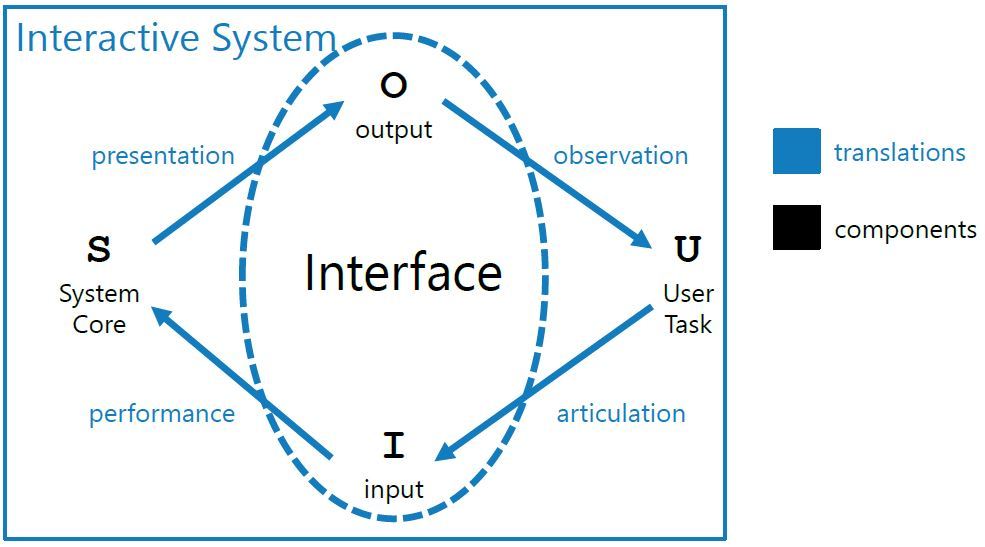
Interactive Systems
- Human
Human Senses: Vision, Sound, Touch, Smell, Taste
Interactive Systems: Human Vision:Angle
Sensory absolute tresholds
Input and Output
- Sensors for basic explicit Interaction
- Sensors for explicit Interaction
- Sensors for implicit Interaction
experiments
- Why we do experiments
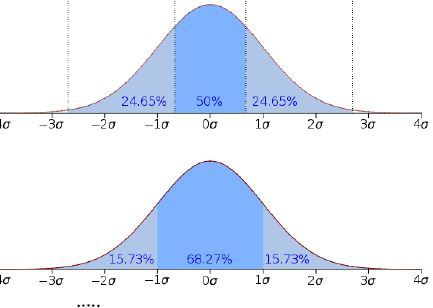
- Statistics for Experiments
- Density Scale
Potential Approach: Observation
Causation vs Correlation
From the Human to the User
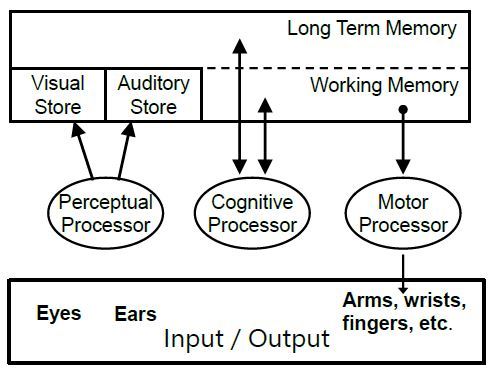
Model Human Processor
- Operation Times
- Why are Usabilty and Ergonomics important?
- Especially in the Context of WWW and New Media
Many Jobs require an Understanding of Ergnonomics
Interaction Styles
Simple Interaction with Screen Dialog
Social Environment and Organizantinal Context
Types of Design Rules
Usability 101
Basics and Principles of HCI
- 1. Learnability
- 2. Flexibility
- 3. Robustness
Principles for UI Design by Shneiderman
- 1. Recognize User Diversity
- 2. Follow the golden Rules
- Constiency
- Shortcuts
- Feedback
- Closure
- Prevent Errors
- Permit easy Reversal of actions
- Feeling in Control
- 3. Prevent Errors
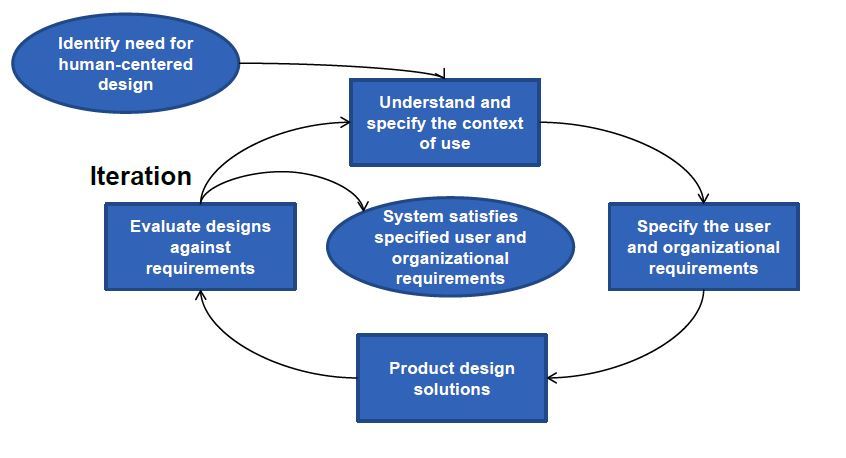
- Human Centered Design for interactive Systems
- Problems
- Activities in the Model
- Human Centered Design for interactive Systems
Imagens e arquivos do mapa
Informações
- Descrição
- Interaktivität Mapa Mental sobre HCI, criado por Fabian Harter em 09-01-2017.
- Criado por
- Fabian Harter
- Visualizações
- 3
- Histórico
-
- Criado por Verena N · 7 jan 2017
- Copiado por Fabian Harter · 9 jan 2017
- Avaliação