
Quiz
Practice ATP Interview #2
Perguntas do quiz (52)
1What is the relationship between induced and parasite drag when the gross weight is increased?
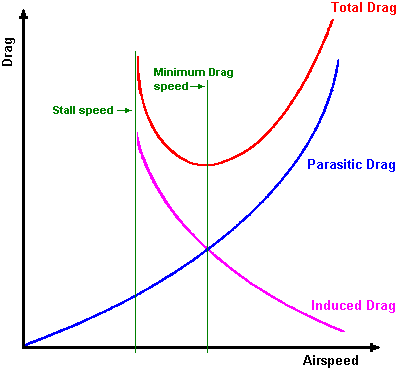
- AParasite drag increases more than induced drag
- BInduced drag increases more than parasite drag
- CBoth parasite and induced drag are equally increased
2At which speed will increasing the pitch attitude cause and airplane to climb?
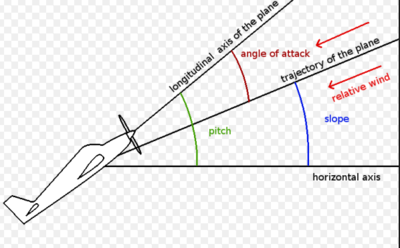
- ALow speed
- BHigh speed
- CAny speed
3Assuring that appropriate aeronautical charts are aboard an aircraft is the responsibility of the:
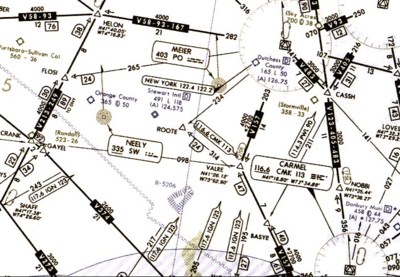
- AAircraft dispatcher
- BFlight navigator
- CPilot in command
4When the forecast weather conditions for a destination and alternate airport are considered marginal for operations, what specific action should the dispatcher or pilot in command take?
- AList an airport where the forecast weather is not marginal as the alternate
- BAdd 1 additional hour of fuel based on cruise power settings for the airplane in use
- CList at least one additional alternate airport
5An alternate airport for departure is required:

- AIf weather conditions are below authorized landing minimums at the departure airport
- BWhen the weather forecast at the ETD is for landing minimums only at the departure airport
- CWhen destination weather is marginal VFR (ceiling less than 3,000 feet and visibility less than 5SM)
6What is the maximum distance that a departure alternate airport may be from the departure airport for a two engine airplane?

- A1 hour at normal cruise speed in still air with both engines operating
- B1 hour at normal cruise speed in still air with one engine operating
- C2 hours at normal cruise speed in still air with one engine operating
7Prior to listing an airport as an alternate airport in the dispatch or flight release, weather reports and forecasts must indicate that weather conditions will be at or above authorized minimums at that airport
- AFor a period 1 hour before or after the ETA
- BDuring the entire flight
- CWhen the flights arrives
8The minimum weather conditions that must exist for an airport to be listed as an alternate in the dispatch release for a domestic air carrier flight are
- AThose listed in the NOAA IAP charts for the alternate airport, at the time flight is expected to arrive
- BThose specified in the certificate holder's Operations Specifications for that airport, when the flight arrives
- CThose listed in the NOAA IAP charts for the alternate airport, from 1 hour before or after the ETA for that flight
9Under what conditions may an air carrier pilot continue an instrument approach to the DH, after receiving a weather report indicating that less than minimum published landing conditions exist at the airport?
- AIf the instrument approach is conducted in a radar enviroment
- BWhen the weather report is received as the pilot passes the FAF
- CWhen the weather report is received after the pilot has begun the final approach segment of the instrument approach
10Below what altitude, except when in cruise flight, are non-safety related cockpit activities by flight crew member prohibited?
- A10,000 feet
- B14,500 feet
- CFL 180
11With regard to flight crew member duties, which of the following operations are considered to be in the "critical phase of flight"?
- ATaxi, takeoff, landing, and all other operations conducted below 10,000 feet MSL, including cruise flight
- BDescent, approach, landing, and taxi operations, irrespective of altitudes MSL
- CTaxi, takeoff, landing, and all other operations conducted below 10,000 feet, excluding cruise flight
12What action should a pilot take if within 3 minutes of a clearance limit and further clearance has not been received?
- AAssume lost communications and continue as planned
- BPlan to hold at cruising speed until further clearance is received
- CStart a speed reduction to holding speed in preparation for holding
13What report should the pilot make at a clearance limit?
- ATime and altitude / flight level arriving or leaving
- BTime, altitude / flight level, and expected holding speed
- CTime, altitude / flight level, expected holding speed, and inbound leg length
14Maximum holding speed for propeller-driven airplane may hold at is:
- A265 Knots
- B230 Knots
- C156 Knots
15Maximum holding speed for a turbojet airplane above 14,000 feet is:
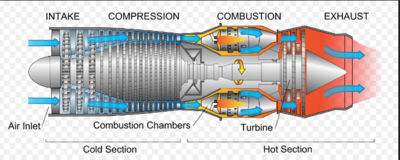
- A210 Knots
- B230 Knots
- C265 Knots
16Maximum holding speed for a civil turbojet aircraft at a joint use airport civil / navy between 7,000 and 14,000 feet is:
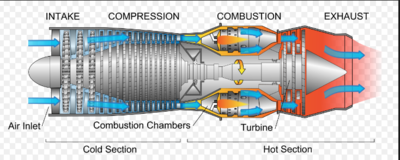
- A265 Knots
- B230 Knots
- C200 Knots
17When using a flight director system, what rate of turn or bank angle should a pilot observe during turns in a holding pattern?
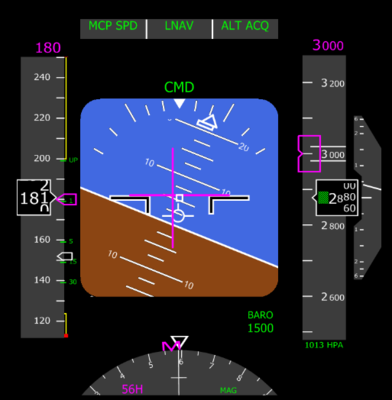
- A3 degrees per second or 25 degrees bank, whicheever is less
- B3 degrees per second and 30 degrees bank, whicheever is less
- C1 - 1 / 2 degrees per second or 25 degrees bank, whicheever is less
18When holding at an NDB, at what point should the timing begin for the second leg outbound?
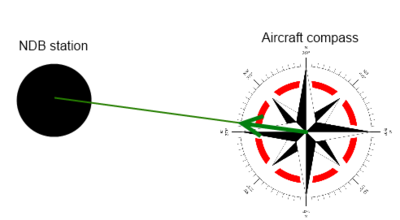
- AAbeam the holding fix or when the wings are level after completing the turn to the outbound heading,whichever occurs first
- BAt the end of the 1-minute standard rate turn after station passage
- CWhen abeam the holding fix
19When entering a holding pattern above 14,000 feet, the initial outbound leg should not exceed:
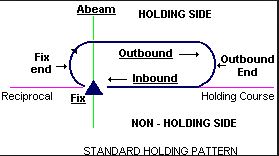
- A1 minute
- B1 - 1/2 minutes
- C1 - 1/2 minutes or 10 NM, whichever is less
20Refer to the imagine, How should the pilot identify the MAP on the IAH VOR/DME RWY 23R?
IMAGE LINK "https://gyazo.com/b0f2e5f8972b79507cfdc138e87db5cc"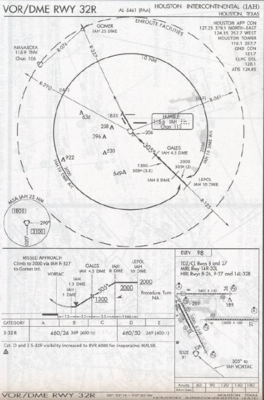
- AAfter time has elapsed from FAF
- BIAH 1,3 DME
- CIAH 1 DME
21(Refer to imagine) When is the earliest time the pilot may initiate a descent from 460 feet msl to land at IAH.
IMAGINE LINK "https://gyazo.com/b0f2e5f8972b79507cfdc138e87db5cc"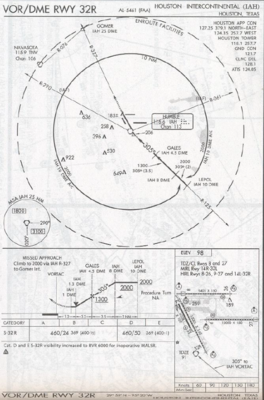
- AAnytime aftr GALES INT if the runway environment is visible
- BOnly aft the IAH 1.3 DME if the runway environment is visible
- COnly after the IAH 1 DME if the runway environment is visible
22(Refer to Image) At what point must the missed approach be initiated on the VOR/DME RWY 32R approach at IAH, if still IMC?
IMAGE LINK "https://gyazo.com/b0f2e5f8972b79507cfdc138e87db5cc"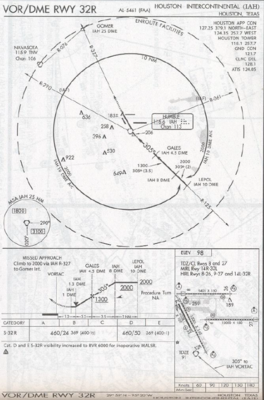
- AAnytime after the FAF
- BIAH 1,3 DME
- CIAH 1 DME
23(Refer to Imagine) The changeover point on V394 between DAG VORTAC and POM VORTAC is?
IMAGE LINK "https://gyazo.com/5f46de587e02ec7720b79bd40c5bf724"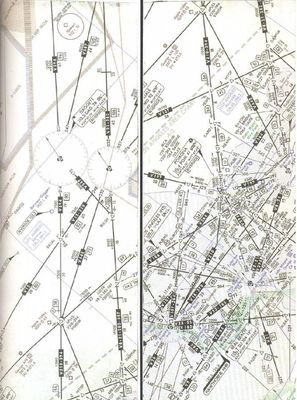
- AHalfway
- B38 DME from DAG VORTAC
- C64 DME from DAG VORTAC
24(Refer to Image) The minimum crossing altitude at APLES INT southwest bound on v394 is?
IMAGE LINK "https://gyazo.com/5f46de587e02ec7720b79bd40c5bf724"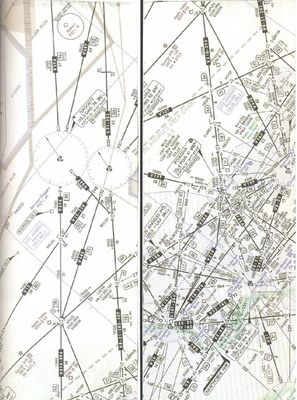
- A7500 feet
- B9100 feet
- C11500 feet
25(Refer to Image) What is the minimum enroute altitude on V210, when crossing the PDM VORTAC southwest bound and continuing on the same airway?
IMAGE LINK "https://gyazo.com/5f46de587e02ec7720b79bd40c5bf724"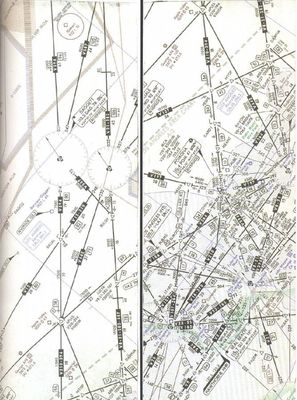
- A10700 feet
- B10300 feet
- C5300 feet
26When simultaneous ILS approaches are in progress, which of the following should approach control be advised immediately?
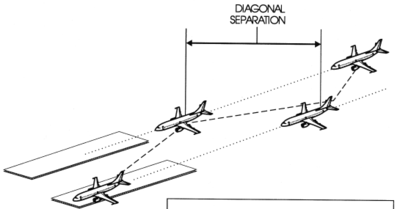
- AAny inoperative or malfunctioning aircraft receivers
- BIf a simultaneous ILS approach is desired
- CIf radar monitoring is desired to confirm lateral separation
27What minimum information does an abbreviated departure clearance "cleared as filed" include?
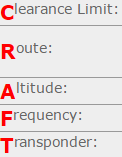
- AClearance limit and en route altitude
- BClearance limit, en route altitude, and SID, if appropriate
- CDestination airport, en route altitude, and SID, if appropriate
28What is the purpose of the term "hold for release" when included in an IFR clearance?
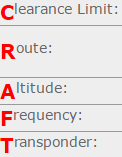
- AA procedure for delaying departure for traffic volume, weather, or need to issue further instrucction
- BWhen an IFR clearance is received by telephone, the pilot will have time to prepare for takeoff prior to being released
- CGate hold procedures are in effect and the pilot receives an estimate of the time the flight will be released
29What action should a pilot take if asked by ARTCC to "VERIFY 9,000" and the flight is actually maintaining 8,000?

- AImmediately climb to 9,000
- BReport climbing to 9,000
- CReport maintaining 8,000
30Where are position reports required on an IRF flight on airways or routes?

- AOver all designated compulsory reporting points
- BOnly where specifically requested by CORPAC Flight Planning
- CWhen requested to change altitude or advise of weather conditions
31Which reports are required when operation IFR in radar environment?
- APosition reports, vacating an altitude, unable to climb 500 ft/min, and time and altitude reaching a holding fix or point to which cleared
- BPosition reports, vacating an altitude, unable to climb 500 ft/min, time and altitude reaching holding fix or point to which cleared, and a change in average true airspeed exceeding 5 percent or 10 knots
- CVacating an altitude, unable to climb 500 ft/min, time and altitude reaching a holding fix or a point to which cleared, a change in average true airspeed exceeding 5 percent or 10 knots, and leaving any assigned holding fix or point
32Which reports are always required when on an IFR approach not in radar contact?
- ALeaving FAF inbound or outer marker inbound and missed approach
- BLeaving FAF inbound, leaving outer marker inbound or outbound, and missed approach
- CLeaving FAF inbound, leaving outer marker inbound or outbound, procedure turn outbound and inbound, and visual contact with runway
33A minimum instrument altitude for en route operations off of published airways which provides obstruction clearance of 1,000 feet in non mountainous terrain areas and 2,000 feet in designated mountainous areas.

- AMinimum Obstruction Clearance Altitude (MOCA)
- BOff-Route Obstruction Clearance Altitude (OROCA)
- CMnimum Safe-Sector Altitude (MSA)
34Pilots should notify controllers on initial contact that they have received the ATIS broadcast by:

- AStating "Have number"
- BStating "Have Weather"
- CRepeating the alphabetical code word appended to the broadcast
35When a composite flight plan indicates IFR for the first portion of the flight, what is the procedure for the transition?

- AThe IFR portion is automatically canceled and the VFR portion is automatically activated when the pilot reports VFR conditions
- BThe pilot should advice ATC to cancel the IFR portion and contact the nearest FSS to activate the VFR portion
- CThe pilot should advice ATC to cancel IFR portion and activate the VFR portion
36Which IFR fix(es) should be entered on a composite flight plan?

- AAll compulsory reporting points en route
- BThe VOR's that define the IFR portion of the flight
- CThe fix where the IFR portion is to be terminated
37(Refer to Image) A pilot receives this ATC clearance: Cleared to the ABC VORTAC, Hold West on the two seven zero radial. What is the recommended procedure to enter the holding patter?
IMAGE LINK "https://gyazo.com/3e023d30126278b6943b26a5eff752bc"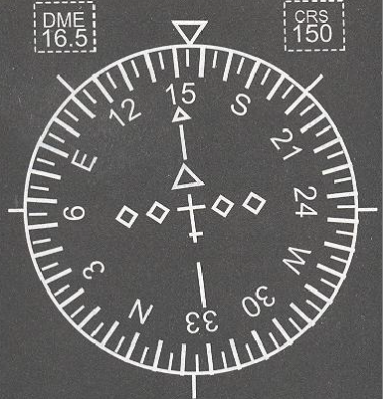
- AParallel or teardrop
- BParallel only
- CDirect only
38(Refer to Image) A pilot receives this ATC clearance: Cleared to the XYZ VORTAC. Hold north on the three six zero radial, left turns. What is the recommended procedure to enter the holding pattern?
IMAGE LINK "https://gyazo.com/3e023d30126278b6943b26a5eff752bc"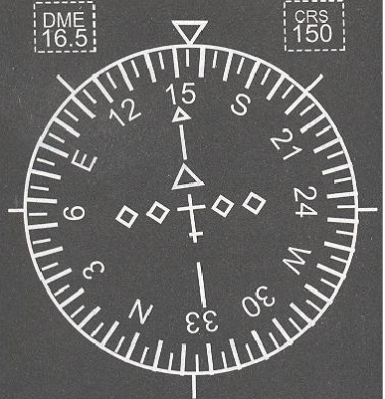
- ATeardrop only
- BParallel only
- CDirect
39(Refer to Image) You receive this ATC clearance: Hold East of the ABC VORTAC on the zero niner zero radial left turns. What is the recommended procedure to enter the holding pattern?
IMAGE LINK "https://gyazo.com/0e535de74b707d03089b7aec51a69981"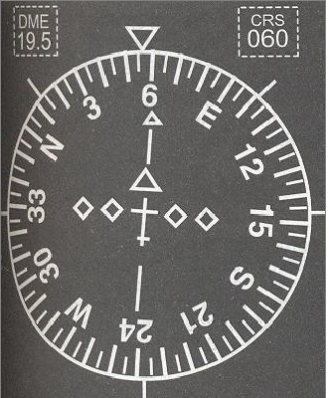
- AParallel only
- BDirect only
- CTeardrop only
40(Refer to Image) You receive this ATC clearance: Cleared to the ABC VORTAC hold south of the one eight zero radial. What is the recommended procedure to enter the holding pattern?
IMAGE LINK "https://gyazo.com/0e535de74b707d03089b7aec51a69981"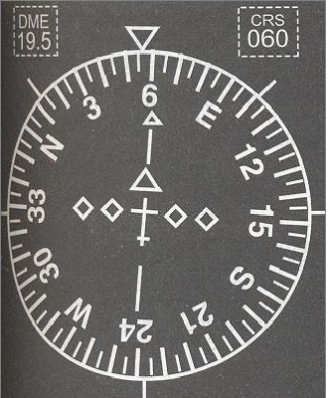
- ATeardrop only
- BDirect only
- CParallel only
41What is the primary purpose of a STAR?

- AProvide separation between IFR and VFR traffic
- BSimplify clearance delivery procedures
- CDecrease traffic congestion at certain airports
42When does ATC issue a STAR?

- AOnly when ATC deems it appropriate
- BOnly to high priority flights
- COnly upon request of the pilot
43What action(s) should a pilot take if vectored across the final approach course during an IFR approach?

- AContinue on the last heading issued until otherwise instructed
- BContact approach control, and advise that the flight is crossing the final approach course
- CTurn onto final, and broadcast in the blind that the flight has proceeded on final
44While being vectored to the final approach course of an IFR approach, when may the pilot descend to a published altitudes?

- AAnytime the flight is on a published leg of an approach chart
- BWhen the flight is within the 10-mile ring of a published approach
- COnly when approach control clears the flight for the approach
45What action is expected of an aircraft upon landing at a controlled airport?
- AContinue taxiing int he landing direction until advised by the tower to switch to ground control frequency
- BExit the runway at the nearest suitable taxiway and remain on tower frequency until instructed otherwise
- CExit the runway at the nearest suitable taxiway and switch to ground control upon crossing the taxiway holding lines
46What is the pilot's responsibility for clearance or instruction readback?

- AExcept for SID's, read back altitude assignments, altitude restrictions, and vectors
- BIf the clearance or instruction is understood, and acknowledgement is sufficient
- CRead back the entire clearance or instruction to confirm the message is understood
47How should a pilot describe braking action?
- A00 percent, 50 percent, 75 percent or 100 percent
- BZero-zero, fifty-fifty, or normal
- CNil, poor, fair, or good
48What action should the pilot take when "gate hold" procedures are in effect?

- AContact ground control prior to starting engines for sequencing
- BTaxi into position and hold prior to requesting celarance
- CStart engines, perform pretakeoff check, and request
49What special consideration is given for turbine-powered aircraft when "gate hold" procedures are in effect?

- AThey are given preference for departure over other aircraft
- BThey are expected to be ready for takeoff when they reach the runway or warmup block
- CThey are expected to be ready for takeoff prior to taxi and will receive takeoff clearance prior to taxi
50What type information is disseminated by NOTAM (D)s?

- AStatus of navigation aids, ILSs, radar service available, and other information essential to planning
- BAirport or primary runway closing, runway and taxiway conditions, and airport lighting aids outages
- CTemporary flight restriction, changes in status in navigational aids, and updates on equipment such as VASI
51NOTAM (L)s are used to disseminate what type of information?

- AConditions of facilities en route that may cause delay
- BTaxi closures, personnel and equipment near or crossing runways, airport lighting aids that do not affect instrument approaches criteria, and airport rotating beacon outages
- CTime critical information of a permanent nature that is not yet available in normally published charts
52How often are NOTAMs broadcast to pilots on a scheduled basis?

- A15 minutes before and 15 minutes after the hour
- BBetween weather broadcasts on the hour
- CHourly, appended to the weather broadcast
Informações
- Descrição
- Study ATP interview #2
- Autor
- Jose Brid
- Idioma
- English
- Visualizações
- 206
- Etiquetas
- Avaliação
- Ainda sem avaliações Avalie este quiz