
Quiz
ECG
Este quiz tem tipos de pergunta que abrem no player de sempre.
Perguntas do quiz (59)
1Label the ECG Wave.
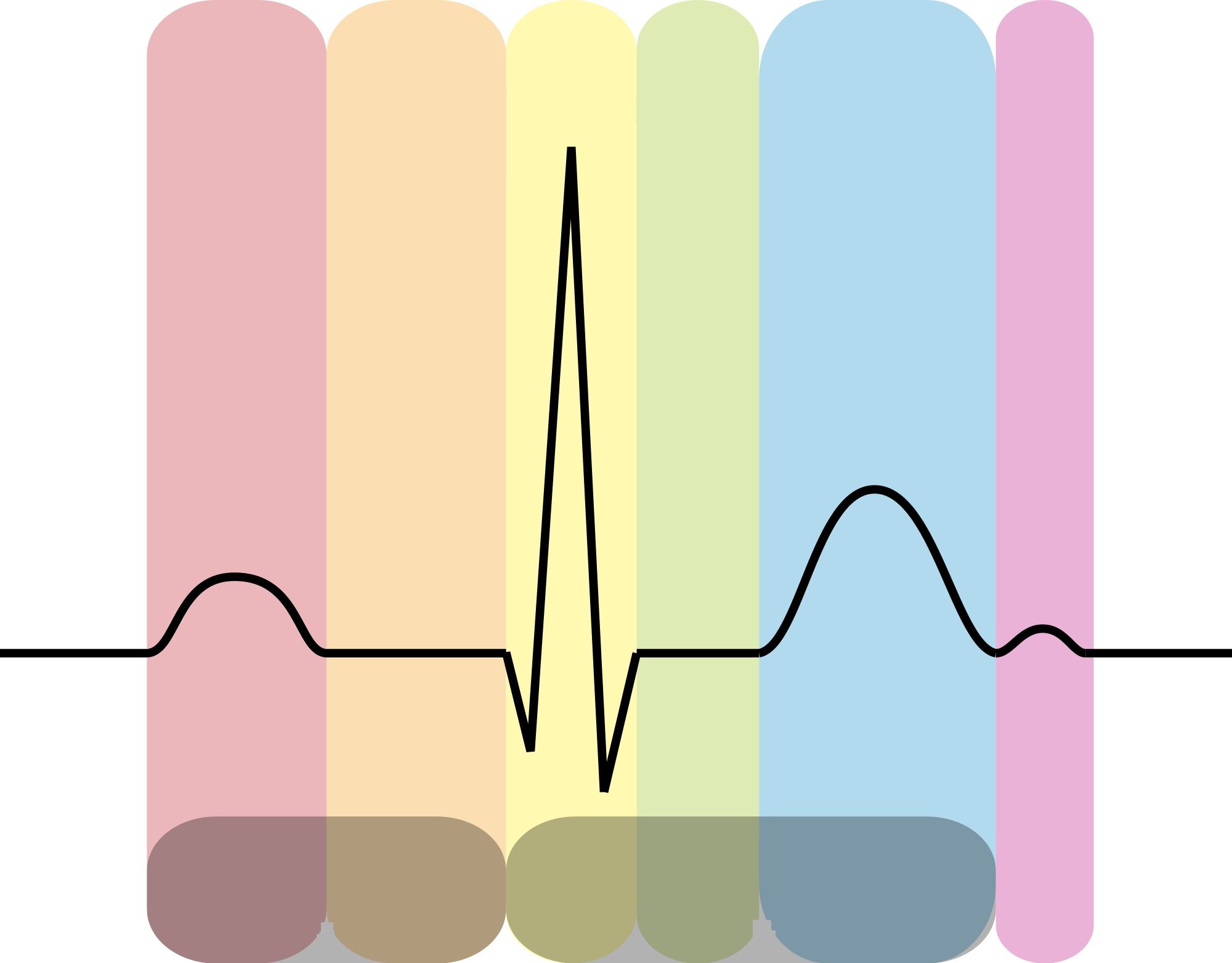
- AP-wave
- BPR-segment
- CPR-interval
- DQT-interval
- EQES-complex
- FST-segment
- GT-wave
- HU-wave
2Which stage of the ECG-wave represents Atrial Depolarization?
- AP-wave
- BQRS-complex
- CT-wave
- DU-wave
3Which stage of the ECG-wave represents Ventricular Depolarization?
- AP-wave
- BQRS-complex
- CT-wave
- DU-wave
4Which stage of the ECG-wave represents Ventricular Repolarization?
- AP-wave
- BQRS-complex
- CT-wave
- DU-wave
5Atrial Fibrillation is characterized by which of the following descriptions of an ECG-wave?
- AAbsent P-waves with irregularly irregular QRS-complexes
- BSawtooth patterned QRS-complexes
- CSine wave
- DAbsent P-waves with wide QRS-complexes
6Atrial Flutter is characterized by which of the following descriptions of an ECG-wave?
- AAbsent P-waves with irregularly irregular QRS-complexes
- BSawtooth patterned QRS-complexes
- CSine wave
- DAbsent P-waves with wide QRS-complexes
7Ventricular Flutter is characterized by which of the following descriptions of an ECG-wave?
- AAbsent P-waves with irregularly irregular QRS-complexes
- BSawtooth patterned QRS-complexes
- CSine wave
- DAbsent P-waves with wide QRS-complexes
8Ventricular Tachycardia is characterized by which of the following descriptions of an ECG-wave?
- AAbsent P-waves with irrularly irregular QRS-complexes
- BSawtooth patterned QRS-complexes
- CSine wave
- DAbsent P-waves with wide QRS-complexes
9Which of the following are valid methods to calculate HR from an ECG?
- AThe heart rate can be determined by identifying 6-seconds on the electrocardiogram paper and counting the number of QRS complexes in the 6-
second strip. The number of QRS complexes in 6 seconds multiplied by 10 gives the heart rate for 1 minute. HR = #QRS * 10 - BFirst, find a specific R wave that falls on a heavy black line. Then count off “300, 150, 100, 75, 60, 50” for each heavy black line that follows until the next R wave falls. To find the specific heart rate, determine the difference in rate between the dark lines that encircle the R wave (e.g., 300 − 150 = 150), and divide this number by 5 (the number of small boxes between the dark lines). Between 150 and 300, the distance between each small box is equivalent to 30 beats. Between 100 and 150, the distance between each small box represents 10 beats.
- CCount the number of large boxes between two R waves and divide this number into 300. HR = 300 / #LargeBoxes
- DCount the number of large boxes between the R waves, multiply this number by 5, and divide the product into 1500. HR = 1500 / (#LargeBoxes * 5)
- EThe heart rate can be determined by identifying 6 seconds on the electrocardiogram paper and counting the number of QRS complexes in the 6-
second strip. The number of QRS complexes in 3-seconds multiplied by 10 gives the heart rate for 1 minute. HR = #QRS * 10 - FThe heart rate can be determined by identifying 6 seconds on the electrocardiogram paper and counting the number of QRS complexes in the 6-
second strip. The number of QRS complexes in 10-seconds multiplied by 10 gives the heart rate for 1 minute. HR = #QRS * 10 - GCount the number of large boxes between two R waves and divide this number into 1500. HR = 1500 / #LargeBoxes
- HCount the number of large boxes between the R waves, multiply this number by 5, and divide the product into 300. HR = 300 / (#LargeBoxes * 5)
- AThe heart rate can be determined by identifying 6-seconds on the electrocardiogram paper and counting the number of QRS complexes in the 6-
10Which of the following are characteristic of Sinus Bradycardia?
- AHR < 60 bpm
- BHR > 100 bpm
- CRR interval varies throughout
- DRR interval is regular, but occasional pauses appear
- EP-waves are inverted, absent, or retrograde
- FST-segment elevation
11Which of the following are characteristic of Sinus Tachycardia?
- AHR < 60 bpm
- BHR > 100 bpm
- CArrhythmic P-wave and QRS-complex
- DP-waves may be merged with previous T-wave
- EP-waves are inverted, absent, or retrograde
- FP-waves are absent
12Which of the following are characteristic of Sinus Arrhythmia?
- ARR interval varies throughout
- BHR < 60 bpm
- CHR > 100 bpm
- DP-waves and RR-intervals vary
- EP-waves may be merged with previous T-wave
- FST-segment elevation
13Which of the following are characteristic of Sinus Pause/Block?
- ARR interval is regular, but occasional pauses appear
- BHR < 60 bpm
- CArrhythmic P-wave and QRS-complex
- DP-waves running independent of QRS-complexes
- EExtra QRS-complexes that are wide and bizarre-looking
- FThe ECG results in a picture of grossly irregular up and down fluctuations of the baseline in an irregular zigzag pattern.
14Which of the following are characteristic of Wandering Atrial Pacemaker?
- AP-waves and RR-intervals vary
- BSine wave
- CAbsent P-waves with wide QRS-complexes
- DAbsent P-waves with irregularly irregular QRS-complexes
- EArrhythmic P-wave and QRS-complex
- FP-waves are inverted, absent, or retrograde
15Which of the following are characteristic of Premature Atrial Complex?
- AArrhythmic P-wave and QRS-complex
- BAbsent P-waves with wide QRS-complexes
- CSawtooth patterned QRS-complexes
- DAbsent P-waves with irregularly irregular QRS-complexes
- EHR between 40- and 60-bpm
- FHR > 100-bpm
16Which of the following are characteristic of Atrial Tachycardia?
- AP-waves may be absent
- BPR-intervals and RR-intervals vary
- CHR between 100- and 200-bpm
- DArrhythmic P-wave and QRS-complex
- EHR < 60 bpm
- FPR-interval prolonged (>0.20-seconds)
17Which of the following are characteristic of Paroxysmal Atrial Tachycardia?
- AP-waves may be merged with previous T-wave
- BPR-intervals may be difficult to determine
- CST-segment may be elevated or depressed
- DHR >= 160-bpm
- EP-waves are inverted, absent, or retrograde
- FHR between 40- and 60-bpm
18Which of the following are characteristic of Premature Junctional Complexes?
- AP-waves are inverted, absent, or retrograde
- BHR between 40- and 60-bpm
- CHR between 100- and 200-bpm
- DP-waves and RR-intervals vary
- ERR interval varies throughout
- FSawtooth patterned QRS-complexes
19Which of the following are characteristic of Junctional Rhythm?
- AP-waves may be absent or retrograde
- BHR between 40- and 60-bpm
- CHR > 100-bpm
- DSawtooth patterned QRS-complexes
- EAbsent P-waves with irregularly irregular QRS-complexes
- F3+ PVCs occur in a row
20Which of the following are characteristic of Junctional Tachycardia
- AP-waves may be absent or retrograde
- BHR > 100-bpm
- CP-waves running independent of QRS-complexes
- DThe ECG results in a picture of grossly irregular up and down fluctuations of the baseline in an irregular zigzag pattern.
- ET-waves inverted
- FST-segment elevation
21Which of the following are characteristic of 1st Degree AV Heart Block?
- APR-interval prolonged (>0.20-seconds)
- BProgressive prolongation of the PR interval until finally one impulse is not conducted through to the ventricles (no QRS-complex following a P wave). The cycle then repeats itself.
- CExtra QRS-complexes that are wide and bizarre-looking, without a P wave, and followed by a complete compensatory pause.
- DST-segment elevation
- EThe ECG results in a picture of grossly irregular up and down fluctuations of the baseline in an irregular zigzag pattern.
- FArrhythmic P-wave and QRS-complex
22Which of the following are characteristic of 2nd Degree AV Heart Block - Type 1?
- AProgressive prolongation of the PR interval until finally one impulse is not conducted through to the ventricles (no QRS-complex following a P wave). The cycle then repeats itself.
- B2-4 extra P-waves before each QRS-complex
- CP-waves running independent of QRS-complexes
- DHR > 100-bpm
- EST-segment elevation
- FT-waves inverted, or ST-segment depression
23Which of the following are characteristic of 2nd Degree AV Heart Block - Type 2?
- A2-4 extra P-waves before each QRS-complex
- BP-waves running independent of QRS-complexes
- CHR between 30- and 50-bpm
- DPR-interval prolonged (>0.20-seconds)
- EP-waves may be absent or retrograde
- FST-segment elevation
24Which of the following are characteristic of 3rd Degree AV Heart Block?
- AP-waves running independent of QRS-complexes
- BHR between 30- and 50-bpm
- CPR-interval prolonged (>0.20-seconds)
- D2-4 extra P-waves before each QRS-complex
- EProgressive prolongation of the PR interval until finally one impulse is not conducted through to the ventricles (no QRS-complex following a P wave). The cycle then repeats itself.
- FP-waves may be absent or retrograde
25Which of the following are characteristic of Premature Ventricular Complexes (PVC)?
- AExtra QRS-complexes that are wide and bizarre-looking, without a P wave, and followed by a complete compensatory pause.
ST-segments and T-waves for these extra QRS-complexes may slope in the opposite direction. - BP-waves running independent of QRS-complexes
- CHR between 30- and 50-bpm
- DPR-interval prolonged (>0.20-seconds)
- EProgressive prolongation of the PR interval until finally one impulse is not conducted through to the ventricles (no QRS-complex following a P wave). The cycle then repeats itself.
- FVentricular Rate between 100- and 250-bpm
- AExtra QRS-complexes that are wide and bizarre-looking, without a P wave, and followed by a complete compensatory pause.
26Which of the following are characteristic of Ventricular Tachycardia?
- AP-waves are absent
- B3+ PVCs occur in a row
- CVentricular Rate between 100- and 250-bpm
- DP-waves running independent of QRS-complexes
- EThe ECG results in a picture of grossly irregular up and down fluctuations of the baseline in an irregular zigzag pattern.
- FPR-intervals and RR-intervals vary
27Which of the following are characteristic of Ventricular Fibrillation?
- AThe ECG results in a picture of grossly irregular up and down fluctuations of the baseline in an irregular zigzag pattern.
- BAbsent P-waves with irregularly irregular QRS-complexes
- CAbsent P-waves with wide QRS-complexes
- DSawtooth patterned QRS-complexes
- ESine wave
- FHR > 100 bpm
28Which of the following are characteristic of Ischemia?
- AT-waves inverted
- BST-segment depression
- CST-segment elevation
- DHR < 60 bpm
- ESine wave
- FAbsent P-waves with irregularly irregular QRS-complexes
29Which of the following are characteristic of Acute-MI?
- AST-segment elevation
- BST-segment depression
- CT-waves inverted
- DThe ECG results in a picture of grossly irregular up and down fluctuations of the baseline in an irregular zigzag pattern.
- EHR < 60 bpm
- FP-waves may be absent
30What does this ECG show?
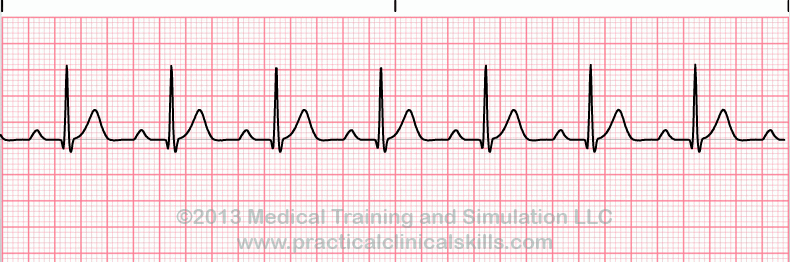
- A1st Degree Heart Block
- B2nd Degree Heart Block Type 1
- CAtrial Tachycardia
- DSinus Arrhythmia
31What does this ECG show?
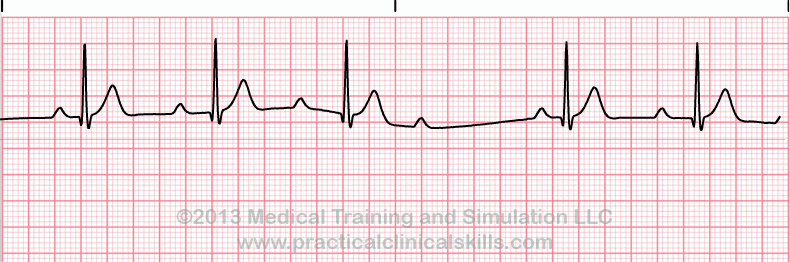
- A2nd Degree Heart Block - Type 1
- B2nd Degree Heart Block - Type 2
- CAcute MI
- DSinus Bradycardia
32What does this ECG show?
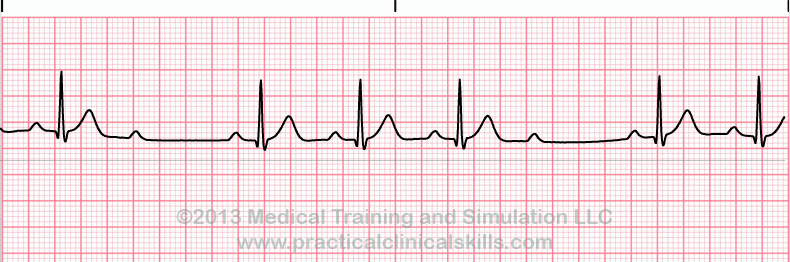
- A2nd degree heart block - type 2
- B1st degree heart block
- CPremature Junctional Complexes
- DSinus Pause
33What does this ECG show?
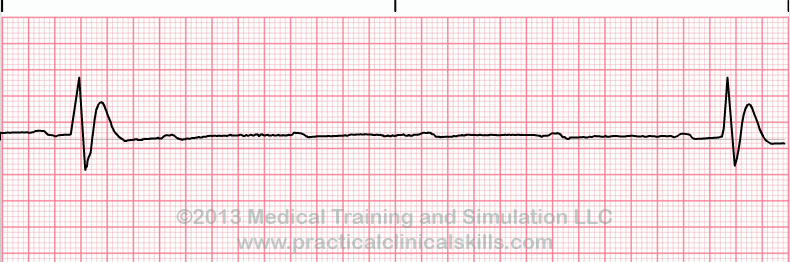
- A3rd Degree Heart Block
- B3rd Degree Heart Block - Type 2
- CSinus Pause
- DVentricular Fibrillation
34What does this ECG show?
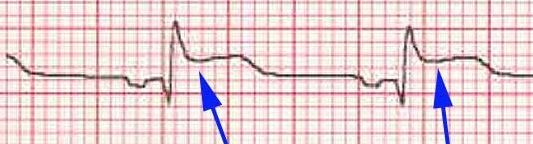
- AAcute MI
- BAtrial Fibrillation
- CVentricular Fibrillation
- DSinus Tachycardia
35What does this ECG show?
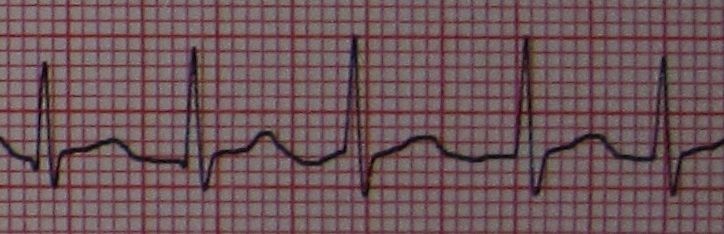
- AAtrial Fibrillation
- BSinus Bradycardia
- CNormal Sinus Rhythm
- DVentricular Flutter
36What does this ECG show?
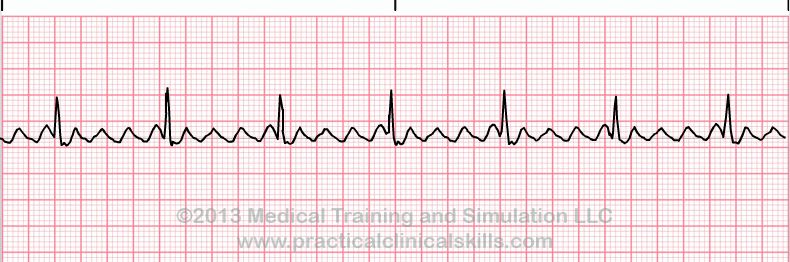
- AAtrial Flutter
- BAtrial Fibrillation
- CPVC
- DIschemia
37What does this ECG show?
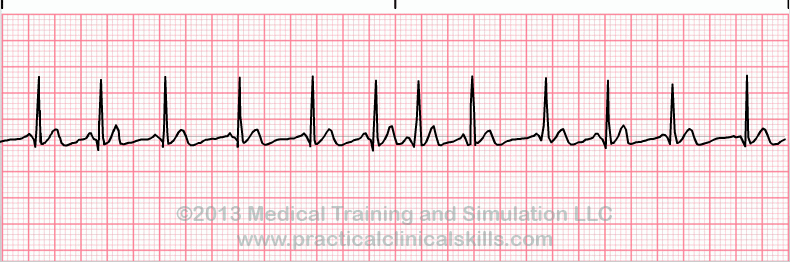
- AAtrial Tachycardia
- BSinus Bradycardia
- CSinus Arrhythmia
- DVentricular Tachycardia
38What does this ECG show?
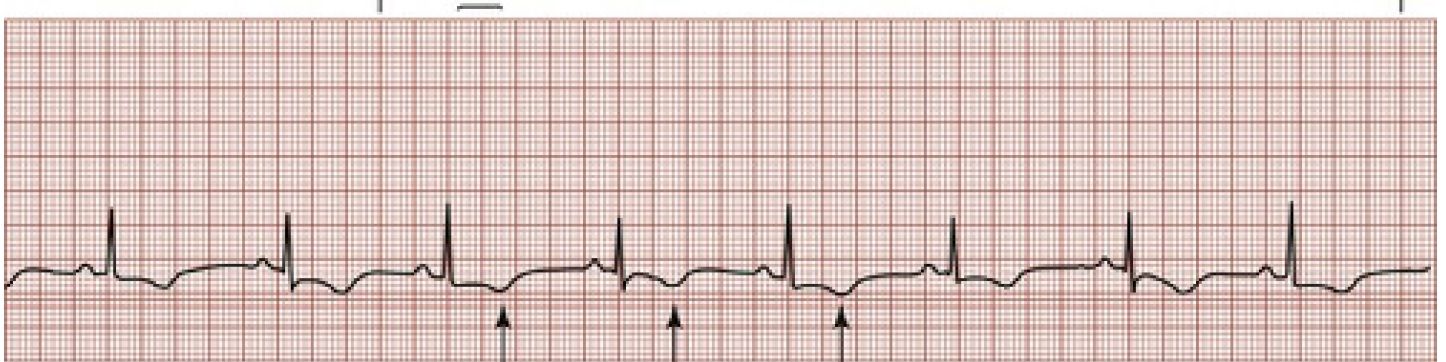
- AIschemia
- BAcute MI
- CPVC
- DWandering Atrial Pacemaker
39What does this ECG show?
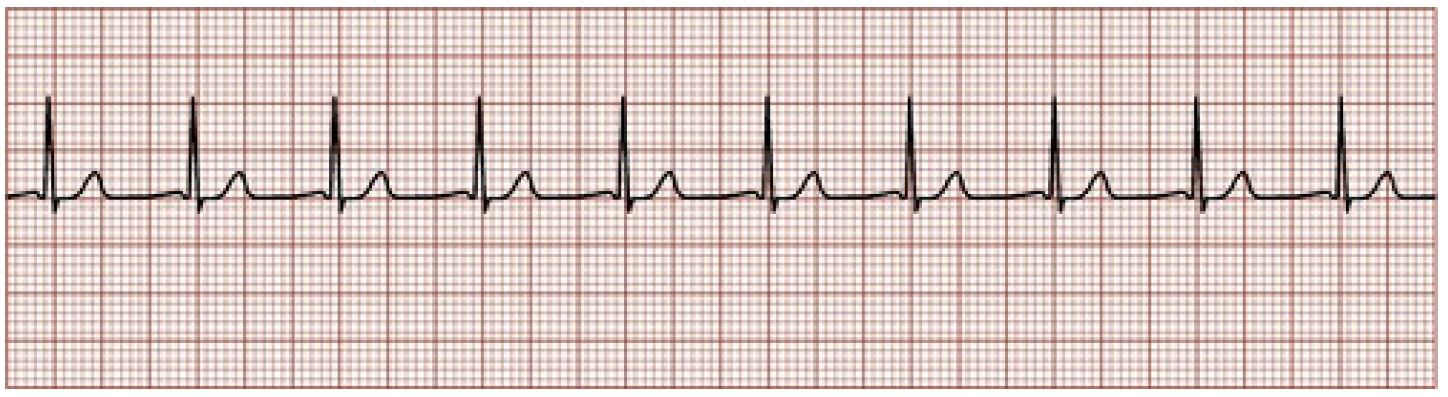
- AJunctional Rhythm
- BVentricular Fibrillation
- CVentricular Tachycardia
- DSinus Pause
40What does this ECG show?
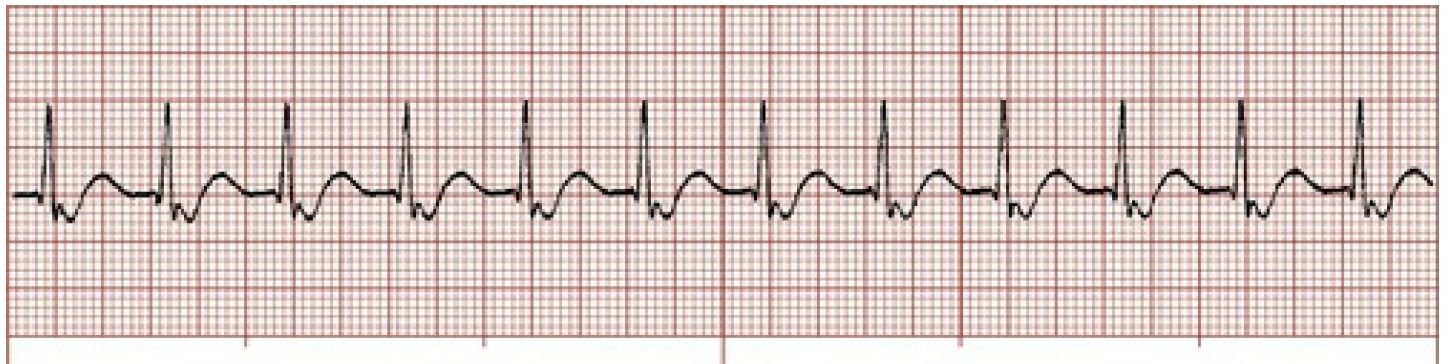
- AJunctional Tachycardia
- BSinus Tachycardia
- CVentricular Tachycardia
- DVentricular Flutter
41What does this ECG show?

- ANormal Sinus Rhythm
- BSinus Arrhythmia
- CVentricular Tachycardia
- DAtrial Tachycardia
42What does this ECG show?
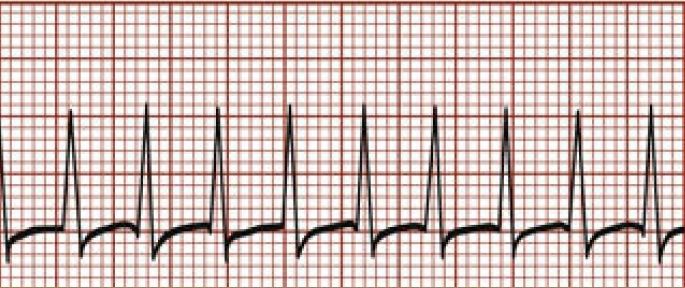
- AParoxysmal Atrial Tachycardia
- BNormal Sinus Rhythm
- CSinus Bradycardia
- DPremature Atrial Complex
43What does this ECG show?
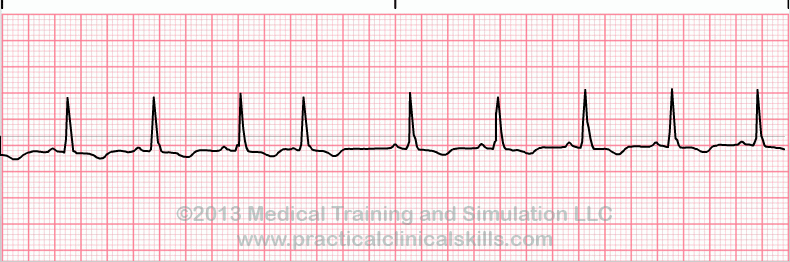
- APremature Atrial Complex
- BPremature Ventricular Complex
- CWandering Atrial Pacemaker
- DNormal Sinus Rhythm
44What does this ECG show?
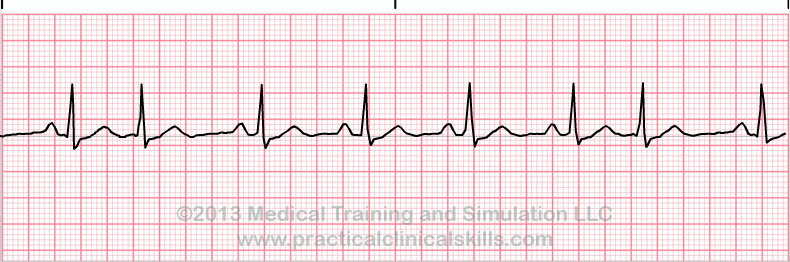
- APremature Junctional Complex
- BSinus Arrhythmia
- CVentricular Fibrillation
- DNormal Sinus Rhythm
45What does this ECG show?
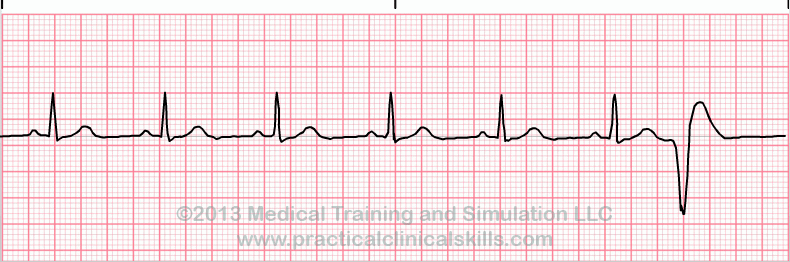
- APremature Ventricular Complex
- BPremature Atrial Complex
- CSinus Tachycardia
- DNormal Sinus Rhythm
46What does this ECG show?
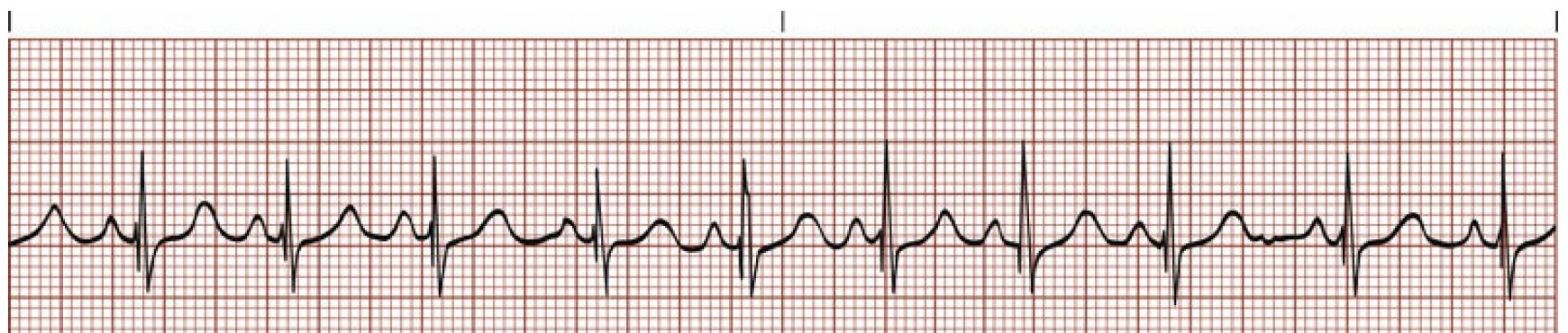
- ASinus Arrhythmia
- BSinus Bradycardia
- CSinus Tachycardia
- DNormal Sinus Rhythm
47What does this ECG show?

- ASinus Bradycardia
- BVentricular Tachycardia
- CSinus Tachycardia
- DNormal Sinus Rhythm
48What does this ECG show?
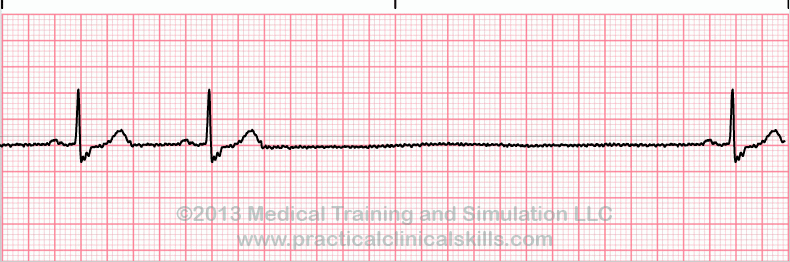
- ASinus Pause
- B3rd degree heart block
- CAcute MI
- DIschemia
49What does this ECG show?
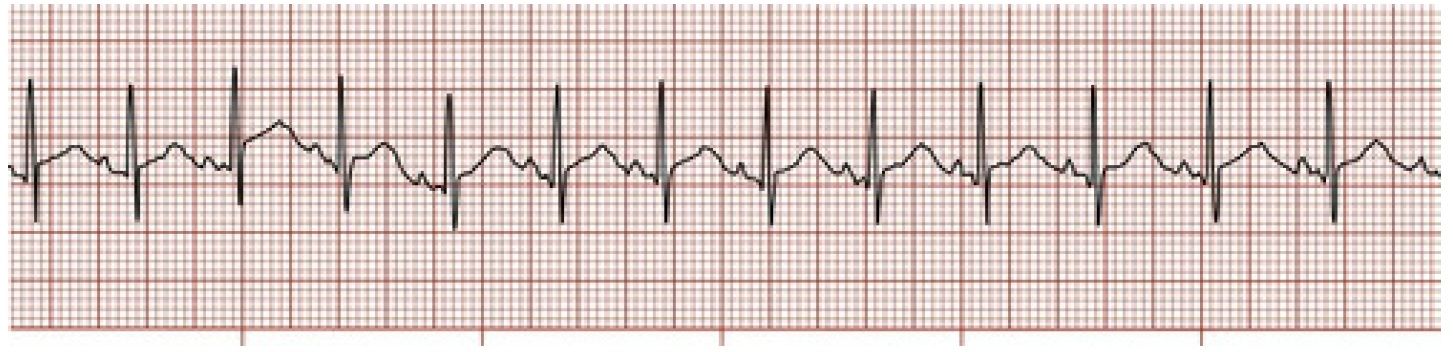
- ASinus Tachycardia
- BSinus Bradycardia
- CNormal Sinus Rhythm
- DVentricular Tachycardia
50What does this ECG show?
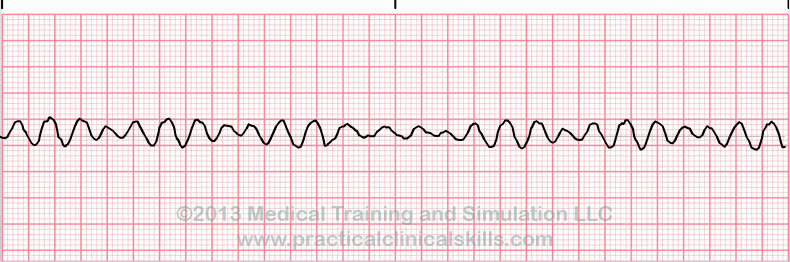
- AVentricular Fibrillation
- BVentricular Flutter
- CAtrial Fibrillation
- DAtrial Flutter
51What does this ECG show?
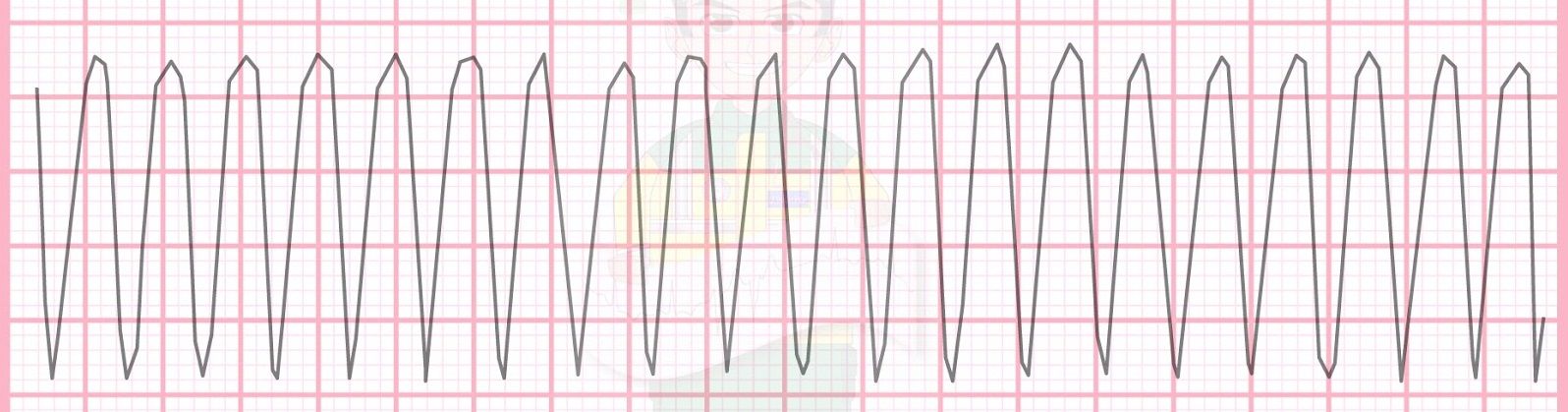
- AVentricular Flutter
- BVentricular Fibrillation
- CAtrial Flutter
- DAtrial Fibrillation
52What does this ECG show?
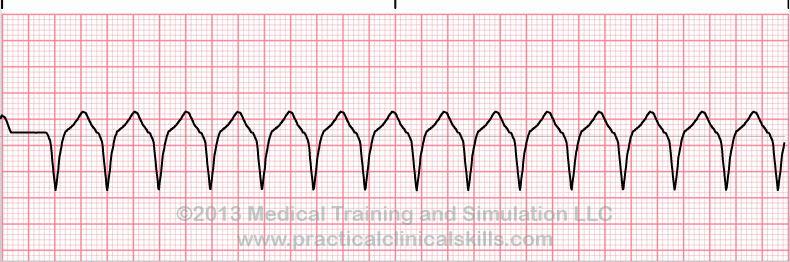
- AVentricular Tachycardia
- BAtrial Tachycardia
- CSinus Bradycardia
- DNormal Sinus Rhythm
53What does this ECG show?
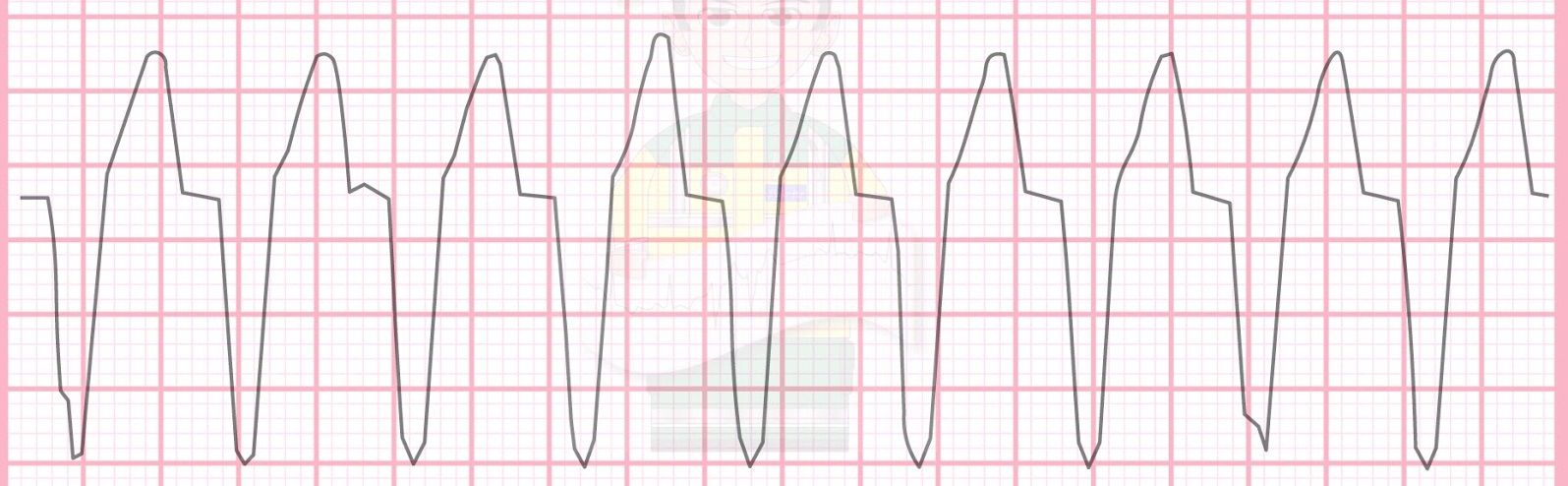
- AVentricular Tachycardia
- BAcute MI
- CChronic MI
- DVentricular Flutter
54What does this ECG show?
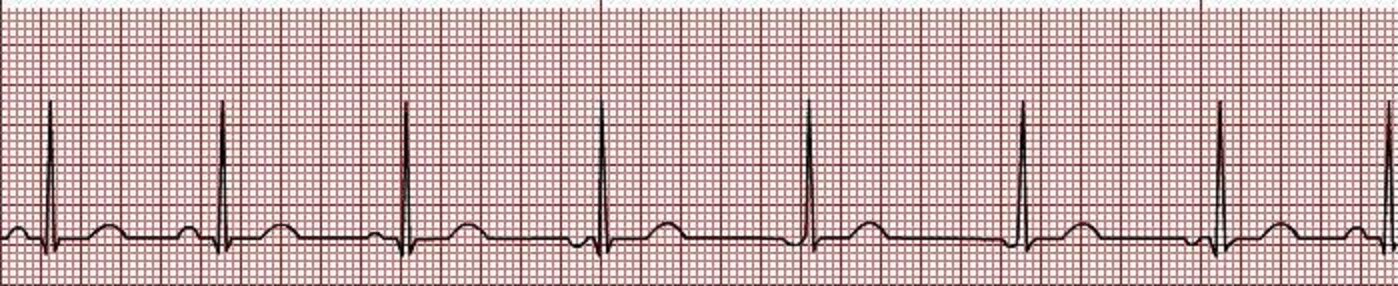
- AWandering Atrial Pacemaker
- BSinus Bradycardia
- CPremature Junctional Complex
- DNormal Sinus Rhythm
55Calculate the HR from this ECG.
- A50 bpm
- B80 bpm
- C120 bpm
- D100 bpm
- E220 bpm
56Calculate the HR from this ECG.
- A100 bpm
- B50 bpm
- C120 bpm
- D80 bpm
- E220 bpm
57Calculate the HR from this ECG.
- A220 bpm
- B100 bpm
- C50 bpm
- D80 bpm
- E120 bpm
58Calculate the HR from this ECG.
- A80 bpm
- B120 bpm
- C220 bpm
- D100 bpm
- E50 bpm
59Calculate the HR from this ECG.
- A120 bpm
- B80 bpm
- C220 bpm
- D100 bpm
- E50 bpm
Informações
- Descrição
- USA - Cardiopulmonary Quiz sobre ECG, criado por Ben Williams em 23-10-2017.
- Autor
- Ben Williams
- Idioma
- English
- Visualizações
- 495
- Etiquetas
- Avaliação
- Ainda sem avaliações Avalie este quiz