
unified process
Slides do conjunto (18)
-
-
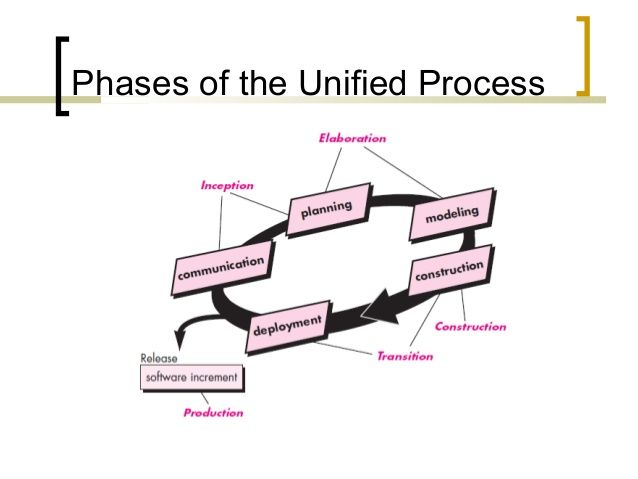
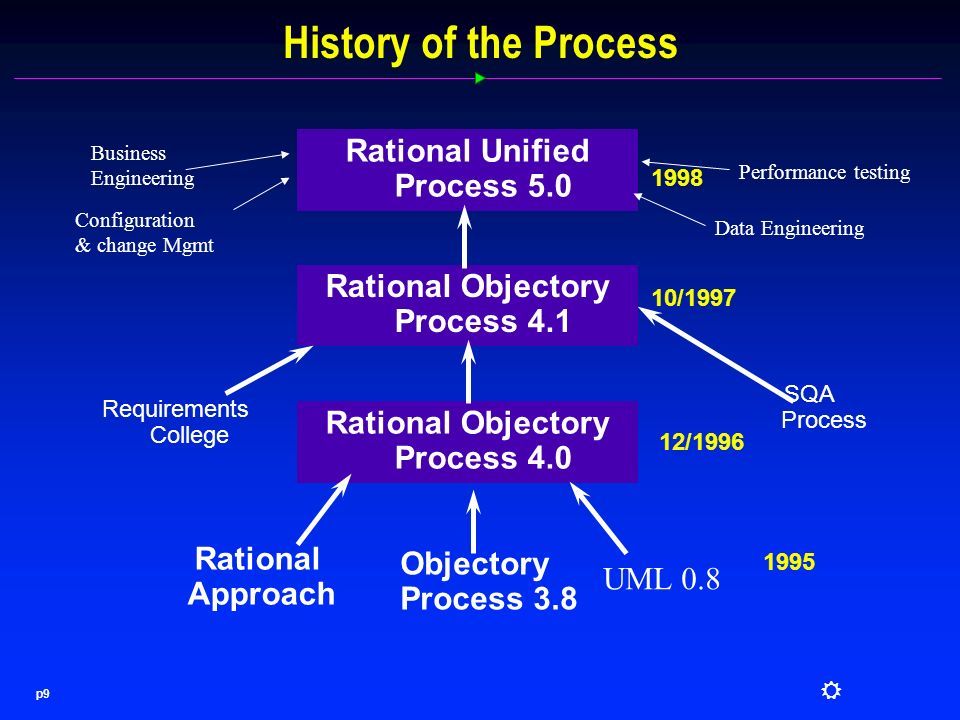
- is an interative and incremental software development framework which a customized process can be defined
-
the key characteristics of the unified process
- it is an interative and incremental development framework
- it is architecture-centric with major work being done to define and validate an architectural design for most coding is done
- it is risk-focused and emphasizes that highest -risk factors be addressed in the earliest deliberables possible
- it is use-case and UML model driven with nearly all requiremets being documented in one of those forms.
-
- ln general, the Unified Process is built around the idea of incorporating six specific "best practiceí‘
- into a configurable process Framework Those best practices are:
- Develop Software Iteratlveiy
- Manage Requirements
- Use Component-based Architectures
- Visually Model Software
- Verifv Software Quality
- Control Changes to Software
-
-
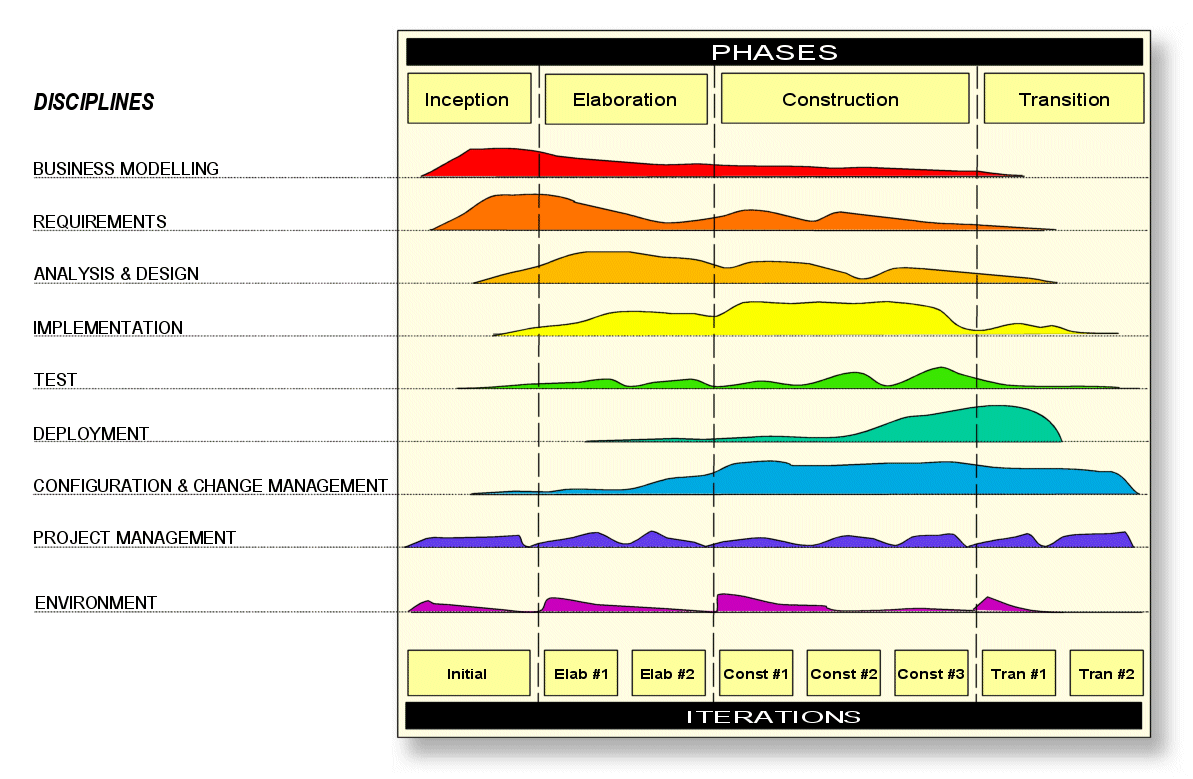
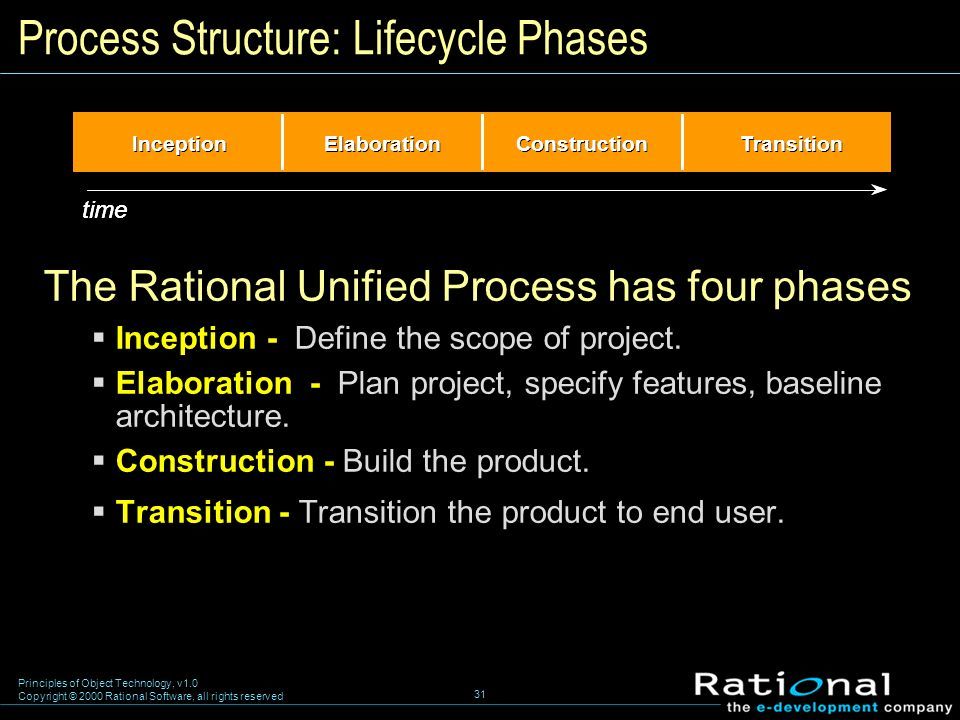
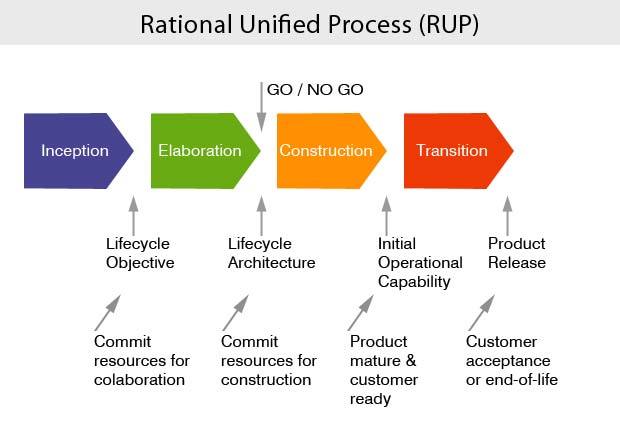
- The Unlfled Process framework Is made up of the followlng components:
- Cycles
- Phases
- Iterations
- Disciplines (also known as Workflows)
- Activlties
- Artlfacts
- Workers
-
-
-
- The Business Modelllng dlsclpllne focuses on efforts to understand the organlzatlon, Its processes.
- and the problem domain. The dlsclpllne focuses on understandlng the followlng factors and how
- they may impact or relate to the software being considered:
- Enterprlse buslness rules
- Enterprise business process model
- Enterprise domain model
- Enterprise mission statement
- Enterprise vision
- Organization model
-
- The requirements discipline in RUP Is like the requirements discipline in pretty much every other
- software process The main difference is that RUP requirements are highly focused in the form of
- UML models and Use Cases (both diagrams and descriptions).
-
- The Analysis and Design dlsclpline would be better named the Solution Analysis and Design
- discipline In my opinion. This Is because the requirements are analyzed from a solution design
- perspective, rather than a requirements analysis perspective. Specific activities that are part of this
- discipline include:
- Understanding and analyzing the requirements for the system
- Defining a candidate architecture for a system
- Constructlng a proof—of-concept or prototype to validate a candidate architecture
- Design of components, services, and/or modules
- Design of interfaces (network, user, and databases)
-
- The Implementation discipline consists of coding, unit testing, and integration of the software.
-
- The Testing discipline is focused on quality assurance of the software being released in that cycle or
- iteration. It includes such activities as:
- Plannlng test efforts
- Creating test cases
- Runnlng tests
- Reporting defects
-
- The Deployment discipline is focused on planning the deployment of, and actually deploying, the
- software that is being completed that cycle, phase or iteration. It includes such activities as:
- Planning the deployment
- Developing support and operations materials
- Planning alpha, beta, and pilot testing efforts
- Deploylng the software
- Tralning end users
- Managing acceptance testing efforts
-
Configuration and Change Management
- Configuration and Change Management
- The Configuration and Change Management discipline is focused on managing change to the
- project’s work products. This Includes such activities as:
- Managing change requests
- Setting up the Change Management process and environment
- Plannlng configuration control
- Monitoring and reporting the configuration status
- Managing baselines and releases
-
- The Project Management discipline is focused on standard project management activities such as:
- Managing project staff
- Stakeholder coordination and management
- Managing project risks
- Project estimating, planning, and scheduling
- Iteration planning
- Project initiation and close-out
-
- Environmerlt
- The Environment discipline is focused on supporting the overall project and development efforts
- through managing environmental factors such as:
- Processes
- Standards
- Tools (hardware, software, etc.)
-
Informações
- Descrição
- Slides sobre unified process, criado por Diego Hernández Santiago em 26-07-2017.
- Criado por
- Diego Hernández Santiago · jul 2017
- Atualizado
- 26 jul 2017
- Visualizações
- 3
- Avaliação