
Quiz
Legislative Process (US + UK)
This quiz has question types that open in the usual player.
Questions in this quiz (18)
1Choose the best option to complete the picture:
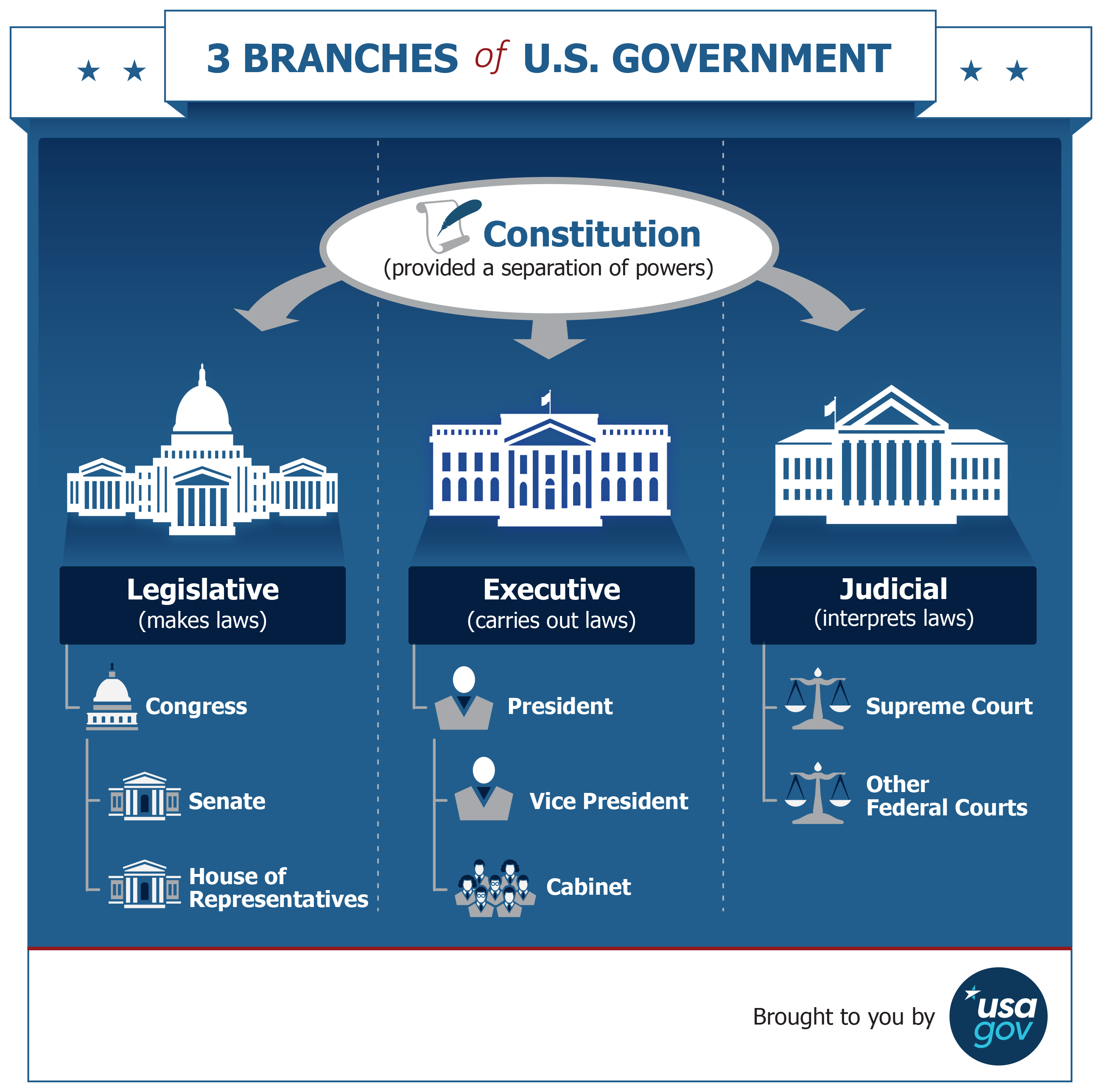
- A100 members, 2 per state, 6 year-term
- B435 members, two-year term, re-election
- C100 members, 2 per state, 6 year-term
- D435 members, 2 year-term
- Ehead of state, government, commander
- Fpresiding officer of the Senate
- Ghead of state, government, commander
- Hpresiding officer of the Senate
- ISecretary of State, Defense, Treasury...
- JMust be approved by the House of Rep
- K9 Justices nominated by the President
- L9 Justices approved by the House of Rep
2STEP 1: [blank_start]The Bill is drafted[blank_end]
Any member of Congress – either from the Senate or the House of Representatives – who has an idea for a law can draft a bill. The primary Congress member supporting the bill is called the "sponsor".
STEP 2: [blank_start]The Bill is introduced[blank_end]
Once the Bill is drafted, it must be introduced by the sponsor. If a Representative is the sponsor, the Bill will be introduced in the House of Representatives. If a Senator is the sponsor, the bill will be introduced in the Senate.
STEP 3: [blank_start]The Bill goes to a committee[blank_end]
As soon as the Bill is introduced, it is referred to a committee.
STEP 4: [blank_start]Committee mark-up of the Bill[blank_end]
Markup (or mark-up) is the process by which a U.S. congressional committee debates, amends, and rewrites proposed legislation.
If a committee votes not to report the proposed legislation to the full chamber of Congress, the Bill dies.
If the committee votes in favor of the Bill, then the proposed legislation will be reported to the floor ("the floor" designates a full session of the Senate or the House of Representatives).
STEP 5: [blank_start]Voting by the full chamber on the Bill[blank_end]
If the Bill passes by simple majority in the House of Representatives or the Senate, it moves to the other chamber.
STEP 6: [blank_start]Referral of the Bill to the other[blank_end] chamber
When the House or Senate passes a Bill, it is referred to the other chamber, where it usually follows the same route through committees and finally to the floor.
This chamber may approve the bill as received, reject it, ignore it or change it.
STEP 7: [blank_start]The Bill goes to the President[blank_end]
It is sent to the President who may sign the measure into law, veto it and return it to Congress, let it become law without signature (after 10 days), or at the end of a session, pocket-veto it.
Pocket-Veto: an indirect veto of a legislative bill by the president through retaining the Bill unsigned until it is too late for it to be dealt with during the legislative session.
STEP 8: [blank_start]Overriding a veto[blank_end]
If the President vetoes a Bill, Congress may attempt to override the veto.
If both the Senate and the House pass the bill by a 2/3 majority, the President's veto is rejected, and the Bill becomes law.- AThe Bill is drafted
- BThe Bill is introduced
- CThe Bill goes to a committee
- DCommittee mark-up of the Bill
- EVoting by the full chamber on the Bill
- FReferral of the Bill to the other
- GThe Bill goes to the President
- HOverriding a veto
3Choose the best option to fill in the gaps.
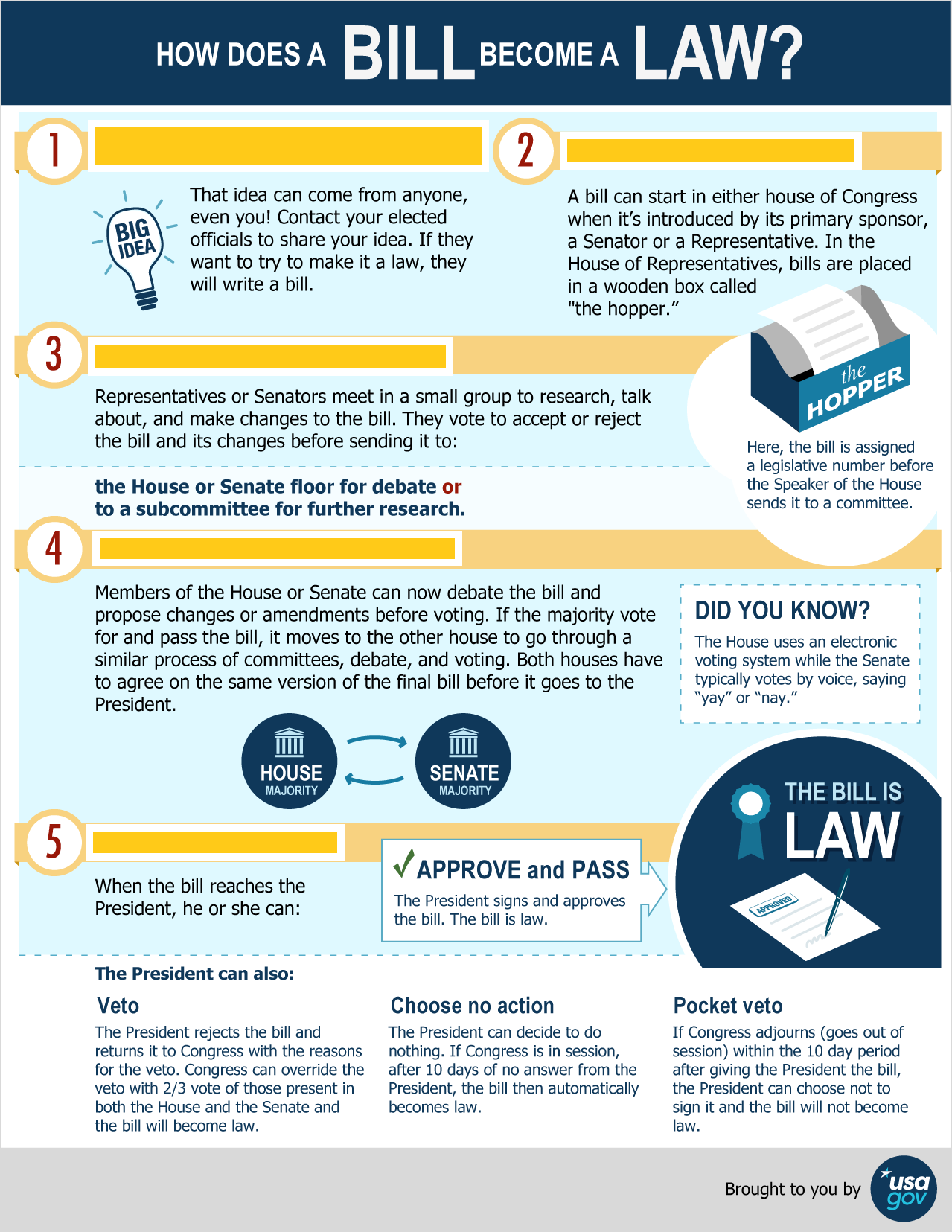
- AEVERY LAW STARTS WITH AN IDEA
- BTHE BILL IS INTRODUCED
- CTHE BILL GOES TO A COMMITTEE
- DCONGRESS DEBATES AND VOTES
- EPRESIDENTIAL ACTION
4How the two most important parties in the US are known?
Choose one option from the drop-down menu: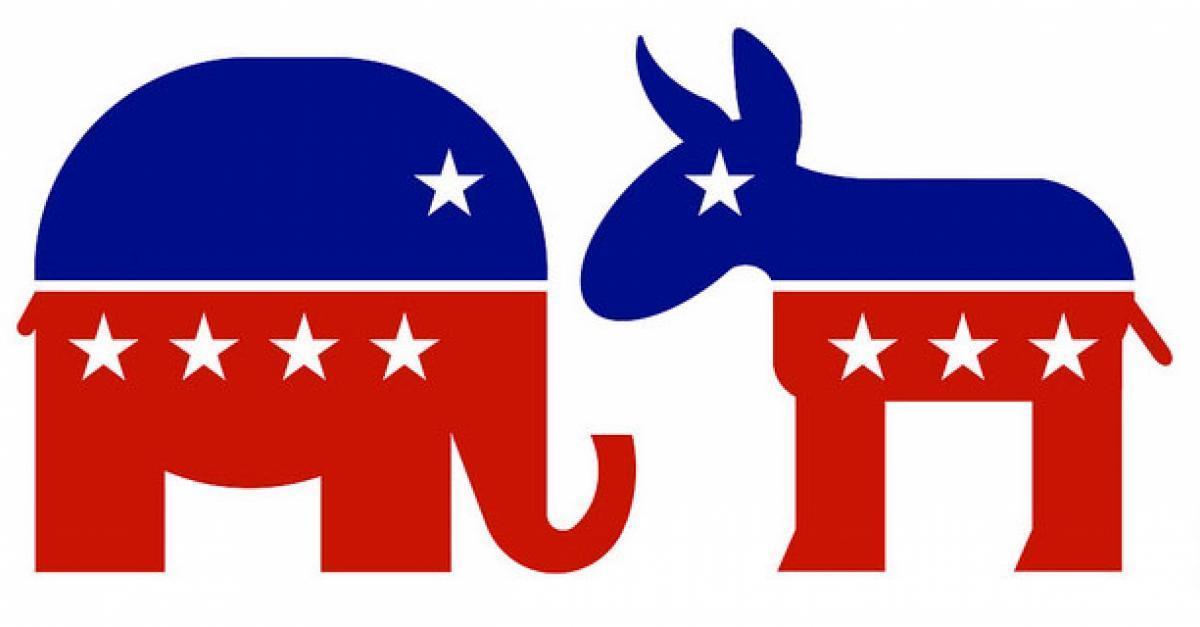
- ARepublicans
- BDemocrats
- CRepublicans
- DDemocrats
5The Code of Laws of the United States of America (United States Code, U.S. Code, or U.S.C.) is the official compilation and codification of the general and permanent federal statutes of the United States.
It is divided by broad subjects into 53 titles (Title 1 - General Provisions; Title 2 - The Congress; Title 3 - The President; (...) Title 7 - Agriculture; (...) Title 11 - Bankruptcy; (...) Title 35 - Patents, etc).
The main edition is published every six years by the House of Representatives, and cumulative supplements are published annually.
- ATrue
- BFalse
6Drag the correct term to its rightful place:
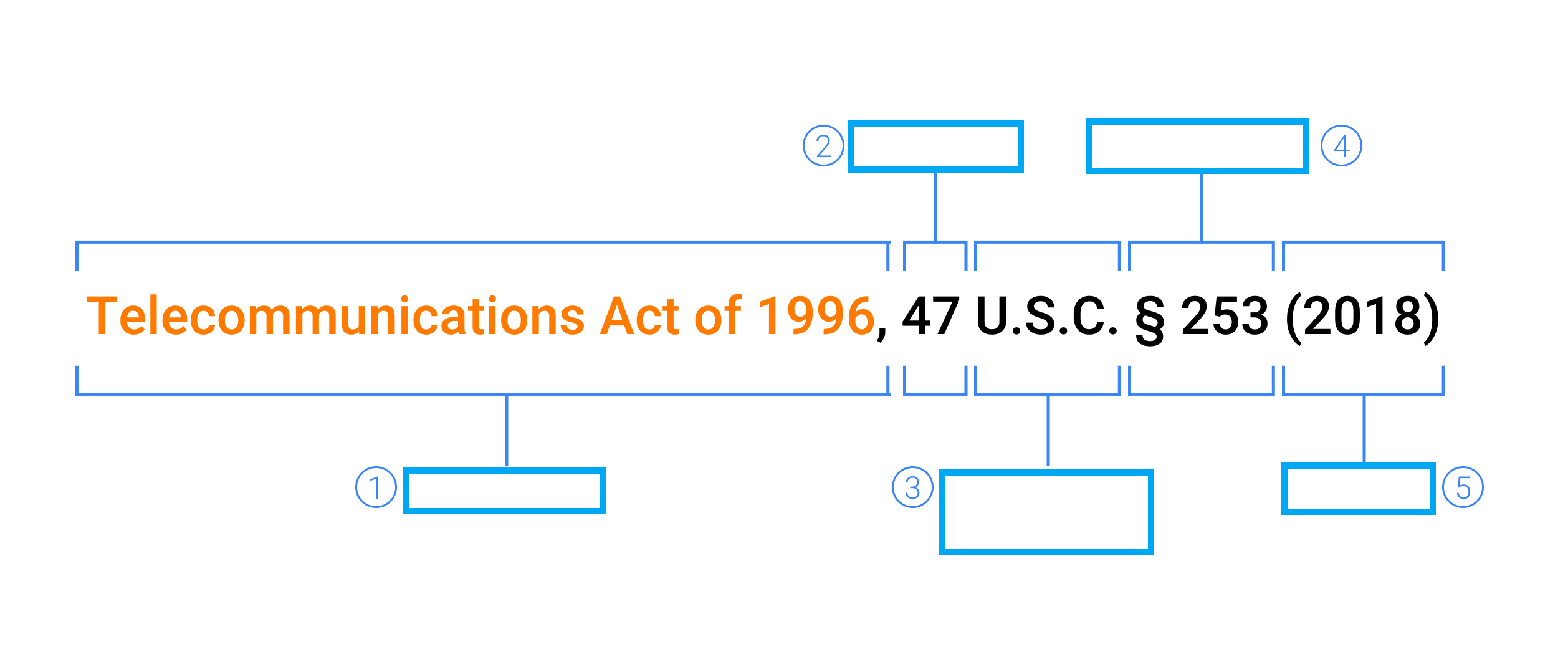
- ASTATUTE NAME
- BTITLE NUMBER
- CABBREVIATION OF CODE
- DSECTION NUMBER
- ECODE YEAR
7To give the people of Scotland, Wales and Northern Ireland more say over what happens in their countries, the UK Parliament has devolved (given away) some of its powers to other national and regional bodies.
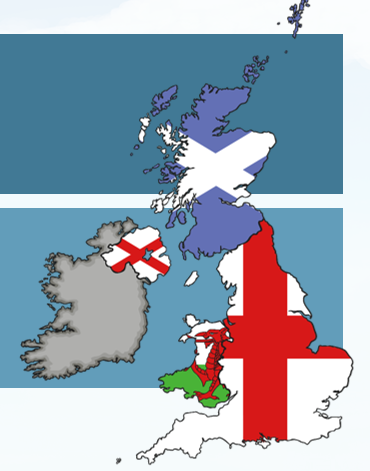
- AUK Parliament
- BScottish Parliament
- CNational Assembly for Wales
- DNorthern Ireland Assembly
- EUK Parliament
- FScottish Parliament
- GNational Assembly for Wales
- HNorthern Ireland Assembly
- IUK Parliament
- JScottish Parliament
- KNational Assembly for Wales
- LNorthern Ireland Assembly
- MUK Parliament
- NScottish Parliament
- ONational Assembly for Wales
- PNorthern Ireland Assembly
8What is the UK Parliament?
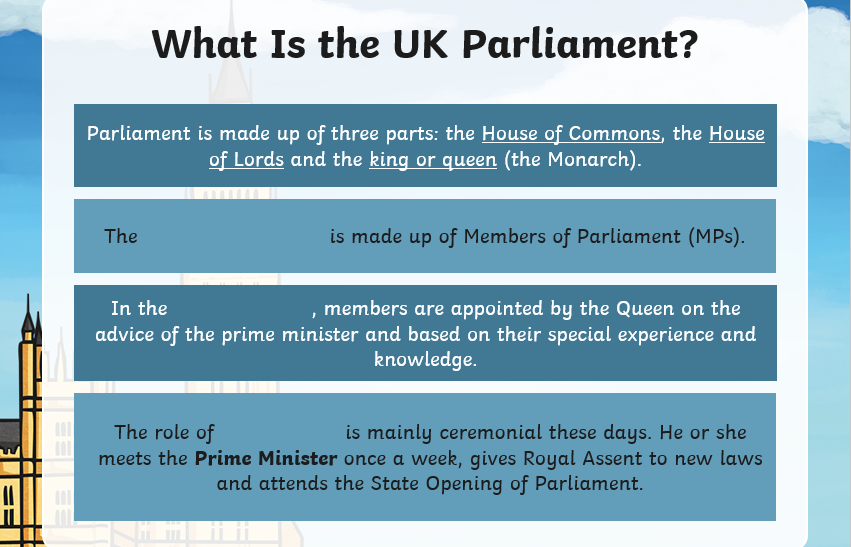
- AHOUSE OF COMMONS
- BHOUSE OF LORDS
- CHOUSE OF LORDS
- DHOUSE OF COMMONS
- EMONARCH
- FMAJESTY
9Choose the correct option and drag it to its correct place:
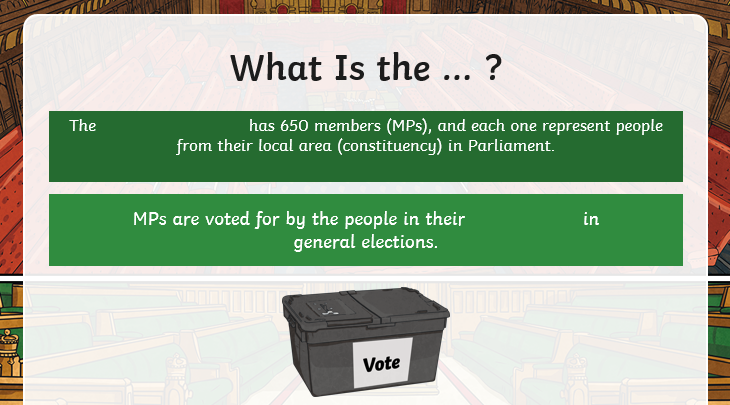
- AHOUSE OF COMMONS
- BHOUSE OF LORDS
- CCONSTITUENCY
- DBOROUGH
10Choose the correct answer and drag it to its rightful place:
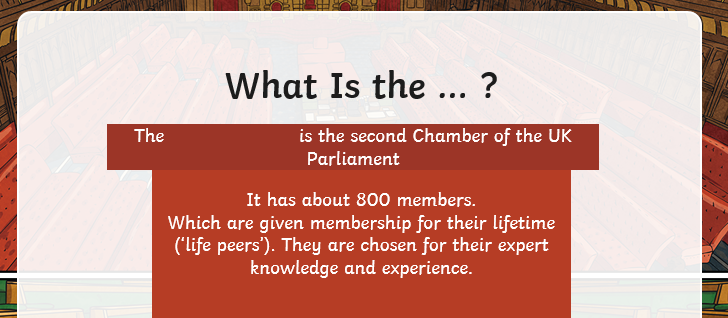
- AHOUSE OF LORDS
- BHOUSE OF COMMONS
11Is this the House of Lords or the House of Commons?
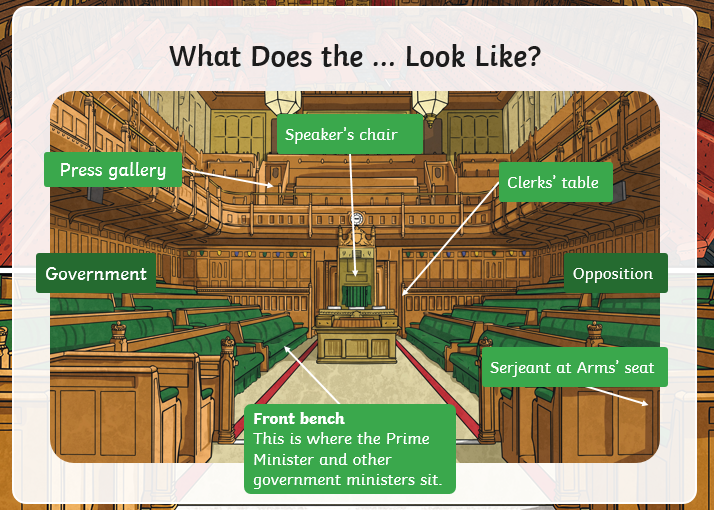
- AHouse of Lords
- BHouse of Commons
12Is this the House of Lords or the House of Commons?
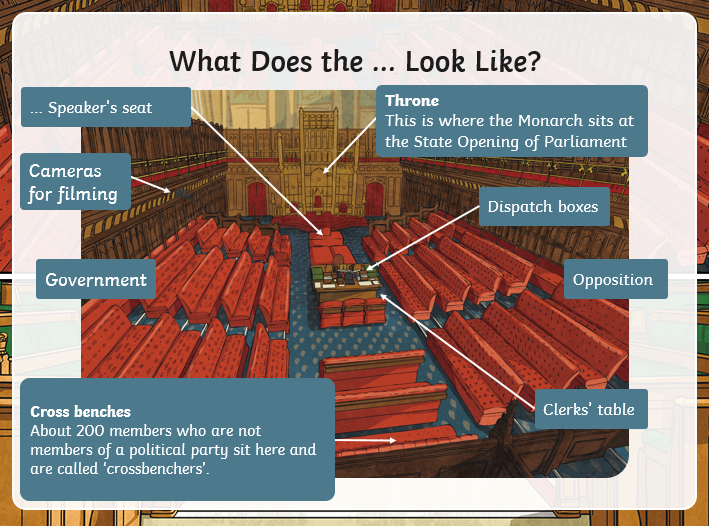
- AHouse of Lords
- BHouse of Commons
13How Laws are made in the UK?
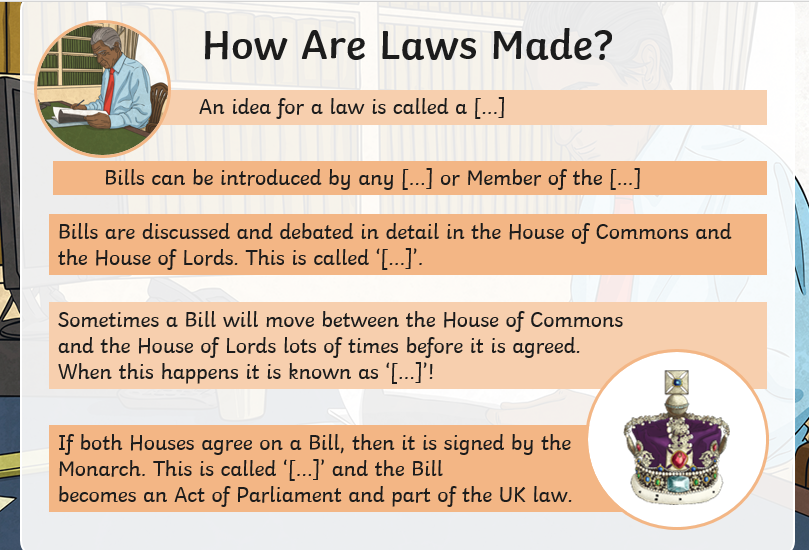
- ABill
- BMP
- CHouse of Lords
- DScrutiny
- EPing-Pong
- FRoyal Assent
14? [blank_start]First Reading[blank_end] - House of Commons
The first reading is a formality and marks the presentation of the bill in Parliament.
? [blank_start]Second reading[blank_end] – House of Commons
MPs debate the general principles of the Bill. A vote is taken at the end of second reading; if successful, the Bill proceeds to Committee stage.
? [blank_start]Committee stage[blank_end] - House of Commons
The principal stage for detailed scrutiny and amendment of the Bill.
? [blank_start]Report Stage[blank_end] - House of Commons
Report stage gives MPs an opportunity, on the floor of the House, to consider further amendments (proposals for change) to a Bill which has been examined in committee.
? [blank_start]Third reading[blank_end] – House of Commons
The House considers whether it wishes the Bill as a whole to proceed.
? [blank_start]Transmission to the Lords[blank_end] (or to the Commons, for those bills starting life in the Lords)
When a Bill has passed through third reading in both Houses it is returned to the first House (where it started) for any amendments made by the second House to be considered.
A Bill may go back and forth between each House until both Houses reach agreement on the exact wording – this is known as ‘ping pong’.
? First Reading - [blank_start]House of Lords[blank_end]
The first reading is a formality and marks the presentation of the bill in Parliament.
? Second reading - House of Lords
Members debate the general principles of the Bill. Unlike the Commons, [blank_start]there is no vote[blank_end] – the Bill proceeds directly to Committee stage.
? Committee stage – House of Lords
The principal stage for detailed [blank_start]scrutiny[blank_end] and amendment of the Bill.
? Report Stage - House of Lords
Report stage gives the Lords an opportunity, on the floor of the House, to consider further amendments (proposals for change) to a Bill which has been examined in committee.
? Third reading – House of Lords
The House considers whether it wishes the Bill as a whole to proceed.
? Bill receives [blank_start]Royal Assent[blank_end] (becomes an Act)- AFirst Reading
- BSecond reading
- CCommittee stage
- DReport Stage
- EThird reading
- FTransmission to the Lords
- GHouse of Lords
- Hthere is no vote
- Iscrutiny
- JRoyal Assent
151) To which country does this legislative process belong?
2) What do the numbers and symbols 1, 2, C, R, 3 represent in the flowchart below?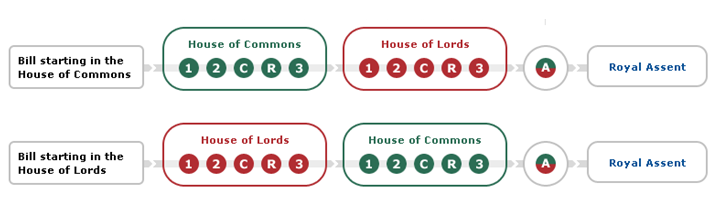
- AUK
16How the two most important parties in the UK are known?
Choose one option from the drop-down menu: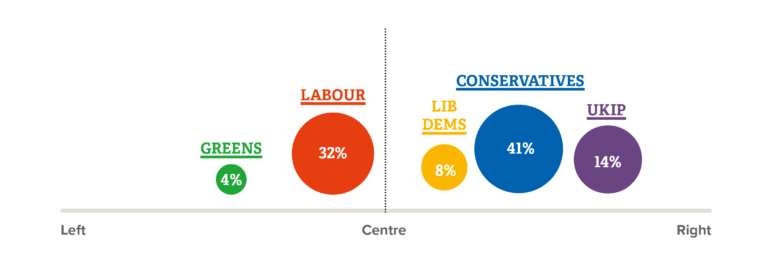
- ATory or Tories
- BLabour
- CTory or Tories
- DLabour
17Most of England's criminal laws have been codified. However, large areas of the common law, such as the law of contract and the law of tort remain remarkably untouched.
Consolidation bills are routinely passed to organize the law.
P.s. A consolidation bill is a bill introduced into the Parliament of the United Kingdom with the intention of consolidating several Acts of Parliament or Statutory Instruments into a single Act.- ATrue
- BFalse
18Drag the correct terms to their rightful place:
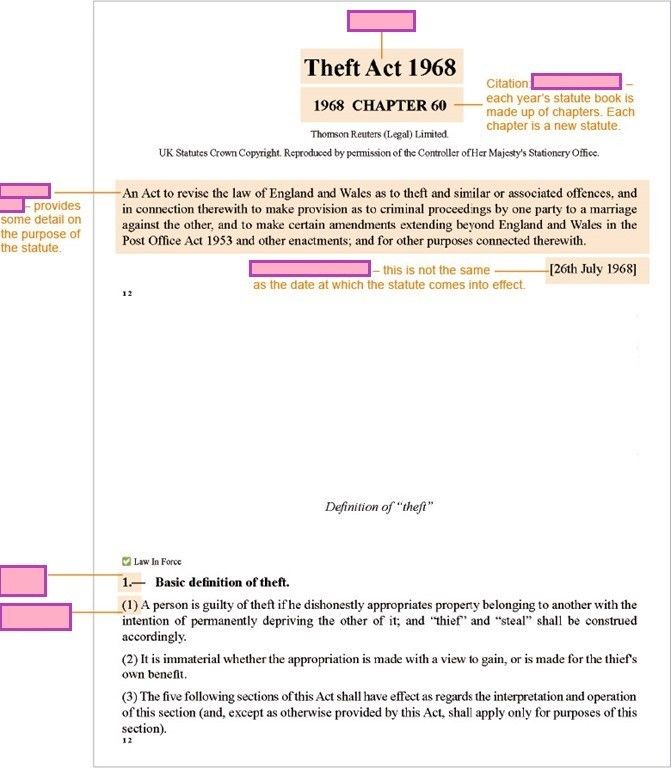
- AThe Short Title
- BThe Long Title
- CChapter Number
- DDate of Royal Assent
- ESection Number
- FSubsection Number
Information
- Description
- Idiomas Warm-Ups Quiz on Legislative Process (US + UK), created by Marina Penna on 11/07/2021.
- Author
- Marina Penna
- Language
- Português
- Views
- 37
- Tags
- Rating
- No ratings yet Rate this quiz