
Quiz
infancy
This quiz has question types that open in the usual player.
Questions in this quiz (91)
1what is true about the innate immune system
- Apresent from birth
- Bold in evolutionary terms
- Cis a general immune response
- Dimmediate response
- Eslower response
- Fhighly specific immune response
- Gnew in evolutionary terms
2the innate immune system response by inducing inflammation due to the accumulation of leukocytes and plasma proteins at the site of injury and infection
- ATrue
- BFalse
3what is true about TOLL like receptors
- Aare microbe specific
- Bdetect PAMPS and DAMPS
- Crecognize RNA produced from viruses
- Ddetect bacterial and fungal infections
4what is true about NOD like receptors
- Aare microbe specific
- Bdetect PAMPS and DAMPS
- Crecognise RNA produced by viruses
- Ddetect bacterial and fungal infections
5what is true about RIG like receptors
- Aare microbe specific
- Bdetect PAMPs and DAMPs
- Crecognize RNA produced from viruses
- Ddetect bacterial and fungal infections
6what is true about lectin receptors
- Aare microbe specific
- Bdetect PAMPS and DAMPS
- Crecognise RNA produced from viruses
- Ddetect bacterial and fungal infections
7which of these are pro inflammatory cytokines
- AIL-1
- Binterferons
- Ctumour necrosis factor
- DIL-10
- EIL-1 receptor antagonists
- FIL-13
8which of these are anti-inflammatory cytokines
- AIL-1
- Binterferons
- Ctumour necrosis factor
- DIL-1 antagonists
- EIL-10
- FIL-13
9which of these best describe bradykinins
- Acause vasodilation and increase vascular permeability via binding to the bradykinin B2 receptors
- Bcause vasoconstriction and increase vascular permeability via binding to the bradykinin B2 receptors
- Ccause vasodilation and decrease vascular permeability via binding to the bradykinin B2 receptors
- Dcause vasodilation and increase vascular permeability via binding to the bradykinin B1 receptors
- Ecause vasodilation and increase vascular permeability via binding to the bradykinin alpha receptors
10what activates mast cells and basophils
- Aantibodies
- BTOLL like receptors
- CNOD like receptors
- DRIG like receptors
- Electin receptors
11IgM is the primary antibody in the innate immune system
- ATrue
- BFalse
12vasodilation in an inflammatory response allows more cells to enter the site of inflammation
- ATrue
- BFalse
13which of these are true about MHC1
- Aa receptor on all nucleated cells
- Ba receptor on antigen presenting cells
- Cinteracts with CD8+ cytotoic T cells
- Dinteract with CD4+ helper T cells
- Eviral RNA is chopped up and attached to it before it is presented
- Facts as a antigen
- Gexpression of antigen from outside the cell
14what is true about MHC2
- Aa receptor on all nucleated cells
- Ba receptor on all antigen presenting cells
- Cinteracts with CD8+ cytotoxic T cells
- Dviral RNA is chopped up and attached before it is presented
- Eacts as a antigen
- Finteracts with CD4+ helper T cells
- Gexpression of antigen from outside the cell
15fill in the blank for the TH1 cellular response
1) virus infects cells
2) antigen presenting cell takes up the virus
3) [blank_start]CD4+[blank_end] recognize the [blank_start]MHC2[blank_end] presented on antigen presenting cell
4) cytokines IFN gamma and [blank_start]IL-2[blank_end] are expressed by CD4+ T helper cells
5) this activates [blank_start]CD8+[blank_end] cytotoxic T cells
6) kills virus infected cells by [blank_start]perforin[blank_end] that creates holes and allows the entrance of [blank_start]granzymes[blank_end] which trigger apoptosis in the cell- ACD4+
- BMHC2
- CIL-2
- DIL-5
- EIL-10
- FIL-4
- GCD8+
- Hperforin
- Iperforinin
- Jperformin
- Kgranzymes
- Lgranzemes
16fill in the gaps for TH2 humoral response
1) [blank_start]CD4+[blank_end] recognise [blank_start]MHC2[blank_end] presented on antigen presenting cells on antigen presenting cells and [blank_start]B cells[blank_end]
2) B cells internalise antigens via the B cell receptor
3) expression of [blank_start]IgM[blank_end]
4) Presenting to CD4+ cells through MHC2
5) use of cytokines [blank_start]IL-4[blank_end], IL-5 and IL-10
6) clonal [blank_start]expansion[blank_end] of B cells
7) antibody expression- ACD4+
- BMHC2
- CB cells
- DT cells
- EIgM
- FIgA
- GIgG
- HIgE
- IIL-4
- JIL-2
- KIL-6
- Lexpansion
- Mselection
17what best describes the role of IgG
- Aprovide most of the protection in the blood stream, and can be passed across the placenta
- Bprotects the mucosa and is found in breast milk
- Cfirst antibody produced in an infection and can also act as a B cell receptor
- Dacts as a B-cell antigen receptor
18what best describes the role of IgA
- Aprotects the mucos and is found in breast milk
- Bthe first antibody produced in an infection and can also act as a B cell receptor
- Cacts as a B cell receptor
- Dassociated with antibody mediated allergy and parasitic infection
19what best describes the role of IgM
- Aprotects the mucosa and is found in breast milk
- Bthe first antibody produced in an infection and can also act as a B cell receptor
- Cacts as a B cell antigen receptor
- Dassociated with antibody mediated allergy and parasitic infection
20what best describes the role of IgD
- Aprotects the mucosa and is found in breast milk
- Bthe first antibody produced in an infection and can also act as a B cell receptor
- Cacts as a B cell antigen receptor
- Dassociated with antibody mediated allergy and parasitic infection
21what best describes the role of IgE
- Aprotects the mucosa and is found in breast milk
- Bthe first antibody produced in an infection and can also act as a B cell receptor
- Cacts as a B cell antigen receptor
- Dassociated with antibody mediated allergy and parasitic infection
22[blank_start]vasodilation[blank_end] widens vessels, and slows down blood due to [blank_start]histamine[blank_end] and bradykinins. leukocytes accumulate at vessel walls via [blank_start]margination[blank_end]. this is due to increased adhesion to endothelial cells as they release [blank_start]selectin[blank_end]. the leukocytes role via rolling adhesion. migration through endothelium is due to the fact bradykinins open [blank_start]cell junctions[blank_end]. the leukocytes are attracted to infection by opsonin [blank_start]C3b[blank_end] and cytokines
- Avasodilation
- Bvasoconstriction
- Chistamine
- DIL-3
- Einterferons
- Fmargination
- Gmigration
- Hselectin
- Iselecton
- Jadhesion molecular factor
- Kbradykinins
- Lcell junctions
- Mgap junctons
- Ndesmosomes
- OC3b
- PC5b
- QC5a
- RC3a
23what best describes attenuated viruses
- Avaccines that contain strains which replicate the pathogen by is less virulent
- Bvaccines that contain suspensions of the whole intact killed organism
- Cvaccines that contain small proteins that best stimulate the immune system
- Dvaccines that contain inactive bacterial toxins
24what best describes inactivated vaccines
- Avaccines that contain strains which replicate the pathogen by is less virulent
- Bvaccines that contain suspensions of whole intact killed organisms
- Cvaccines that contain small proteins that best stimulate the immune system
- Dvaccines that contain inactive bacterial toxins
25what best describes conjugated vaccines
- Avaccines that contain strains which replicate the pathogen by is less virulent
- Bvaccines that contain suspensions of whole intact killed organisms
- Cvaccines that contain small proteins that best stimulate the immune system
- Dvaccines that contain inactive bacterial toxins
26what best describes toxoid vaccines
- Avaccines that contain strains which replicate the pathogen by is less virulent
- Bvaccines that contain suspensions of whole intact killed organism
- Cvaccines that contain small proteins that best stimulate the immune system
- Dvaccines that contain inactive bacterial toxins
27what is the definition of virulence factors
- Afactors that permit disease
- Bwhether an organism can harm us
- Cdegree of damage caused
- Dfactors that cause damage
28what is the definition of pathogenecity
- Afactors that permit disease
- Bwhether an organism can harm us
- Cdegree of damage caused
- Dfactors that cause damage
29what is the definition of virulence
- Afactors that permit disease
- Bwhether an organism can harm us
- Cdegree of damage caused
- Dfactors that permit damage
30which of these are correct for gram positive bacteria
- Alipoteichoic acid
- Bthick layer peptidoglycan
- Cinner cell membrane
- Dstains purple
- Elipopolysaccharide layer
- Fthin layer peptidoglcan
- Gstains red
- Houter cell membrane
31what best describes gram negative bacteria
- Alipoteichoic acid
- Bthick layer peptidoglycan
- Cinner cell membrane
- Dstains purple
- Estains red
- Fouter cell membrane
- Gthin layer peptidoglycan
- Hlipopolysaccharide layer
32what is the best definition of an obligate aerobe
- Acan only grow in the presence of oxygen
- Bcannot grow in the presence of oxygen
- Ccan grow in both aerobic and anaerobic conditions
- Dcan only grow in the presence of carbon dioxide
33what is the best definition of an obligate anaerobe
- Acan only grow in the presence of oxygen
- Bcan only grow in the presence of carbon dioxide
- Ccannot grow in the presence of oxygen
- Dcan grow both in aerobic and anaerobic conditions
34what is the best definition of an faculative anaerobe
- Acan only grow in the presence of oxygen
- Bcan only grow in the presence of carbon dioxide
- Ccannot grow in the presence of oxygen
- Dcan grow in both aerobic and anaerobic conditions
35the neurotransmitter involved in the autonomic nervous system is Ach
- ATrue
- BFalse
36the sympathetic system is involved in the changes seen in the fight or flight response
- ATrue
- BFalse
37the parasympathetic system is involved in the changes seen in the fight or flight response
- ATrue
- BFalse
38which of these can be seen in a sympathetic response
- Asaliva secretion reduced
- Bdilation of pupils
- Cincreased force and rate of heart contractions
- Ddecreased gut motility and secretions
- Egeneral vasoconstriction
- Fincrease saliva secretion
- Gconstriction of pupils
- Hdecreased heart rate
- Iincreased gut motility and secretion
39which of these can be seen in a parasympathetic response
- Adilation of pupils
- Bsaliva secretion reduced
- Cincreased force and rate of heart contractions
- Ddecreased gut motility and secretion
- Egeneral vasoconstriction
- Fconstriction of pupils
- Gincreased saliva production
- Hincreased gut motility and secretion
- Idecreased heart rate
40[blank_start]beta 1[blank_end] receptors throughout the heart respond to [blank_start]noradrenaline[blank_end] to increase the rate and force of contraction as part of the [blank_start]sympathetic[blank_end] response. furthermore [blank_start]Ach[blank_end] acts as a pacemaker to slow down the heart as a part of the [blank_start]parasympathetic[blank_end] response
- Abeta 1
- Bbeta 2
- Calpha 1
- Dnoradrenaline
- Edopamine
- Foxytocin
- Gsympathetic
- HAch
- Iparasympathetic
41in blood vessels the sympathetic systems alpha receptors mediate constriction
- ATrue
- BFalse
42in the response of the adrenal medulla, [blank_start]sympathetic preganglionic[blank_end] fibres from the central nervous system release [blank_start]Ach[blank_end] which stimulates the release of adrenaline and noradrenaline
- Asympathetic preganglionic
- Bparasympathetic preganglionic
- Csympathetic postganglionic
- Dparasympathetic postganglionic
- EAch
- Fdopamine
43which of these cause mast cell activation
- AC3a
- BC5a
- CC3b
- Dc9
44which of the following acts as opsonins
- AC3b
- BC5a
- CC3a
- DC5b
45which of the following provide a chemotaxis function
- AC3b
- BC5a
- CC3a
- DC9
- EC5b
46which of the following provides a cell lysis function
- AC5b
- BC5a
- CC3b
- DC9
47lymph encounters B cells in the cortex of lymph nodes
- ATrue
- BFalse
48lymph encounters T cells in the cortex of lymph nodes
- ATrue
- BFalse
49what best describes the image
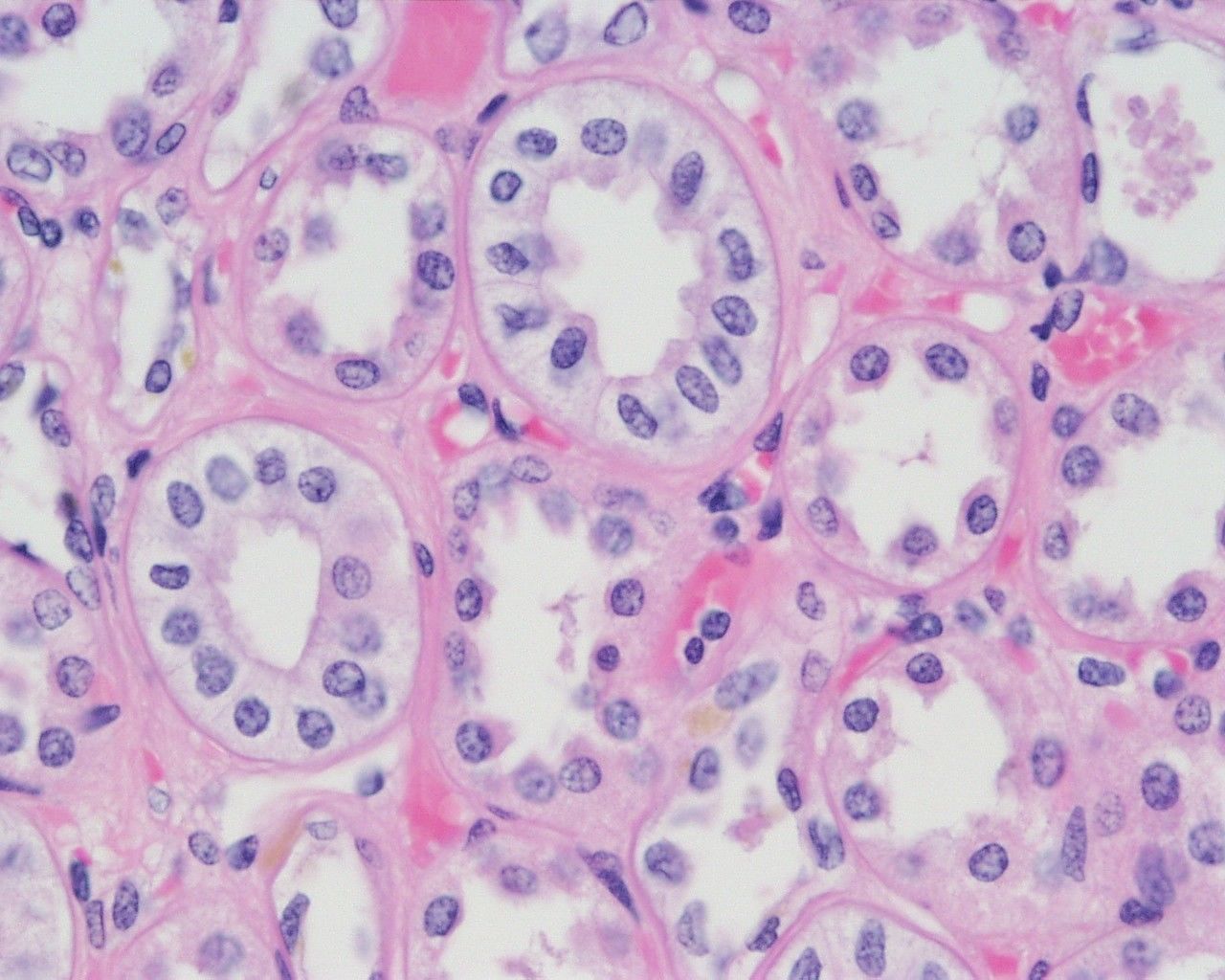
- Asimple cuboidal epithelium
- Bstratified cuboidal epithelium
- Csimple columnar epithelium
- Dpsuedostratified columar epithelium
50what is the best description for the picture
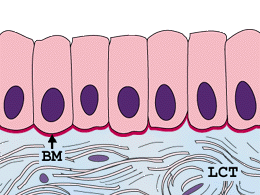
- Asimple columnar epithelium
- Bsimple cuboidal epithelium
- Cstratified cuboidal epithelium
- Dstratified columnar epithelium
51which of these best describe the image
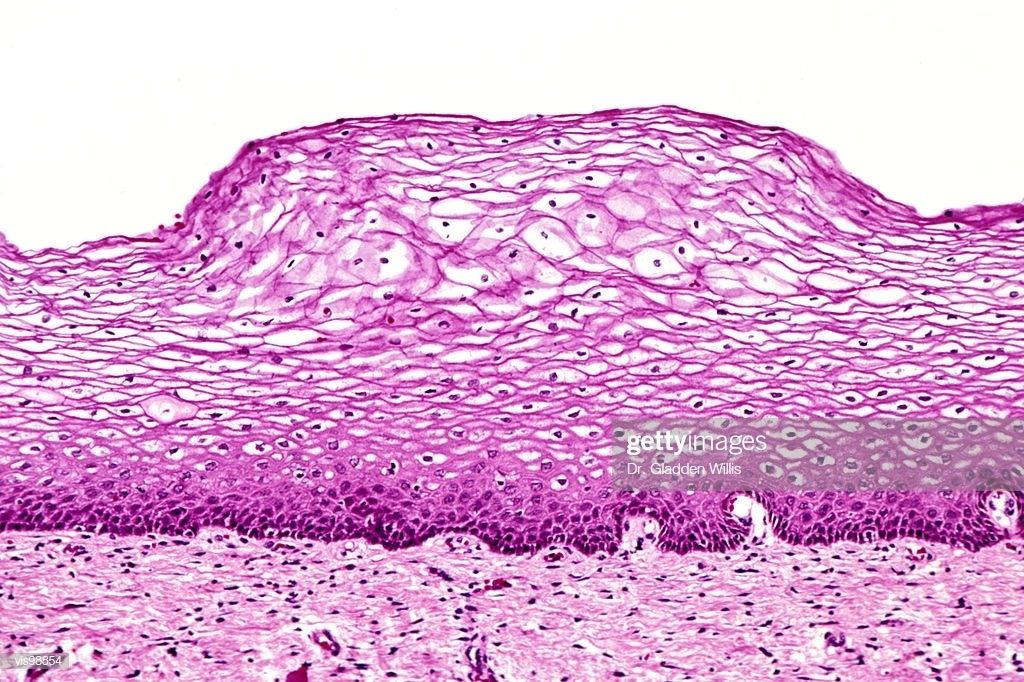
- Astratified squamos epithelium
- Bpseudostratified squamos epithelium
- Csimple squamos epithelium
- Dpseudostratified columnar epithelium
52what best describes the image
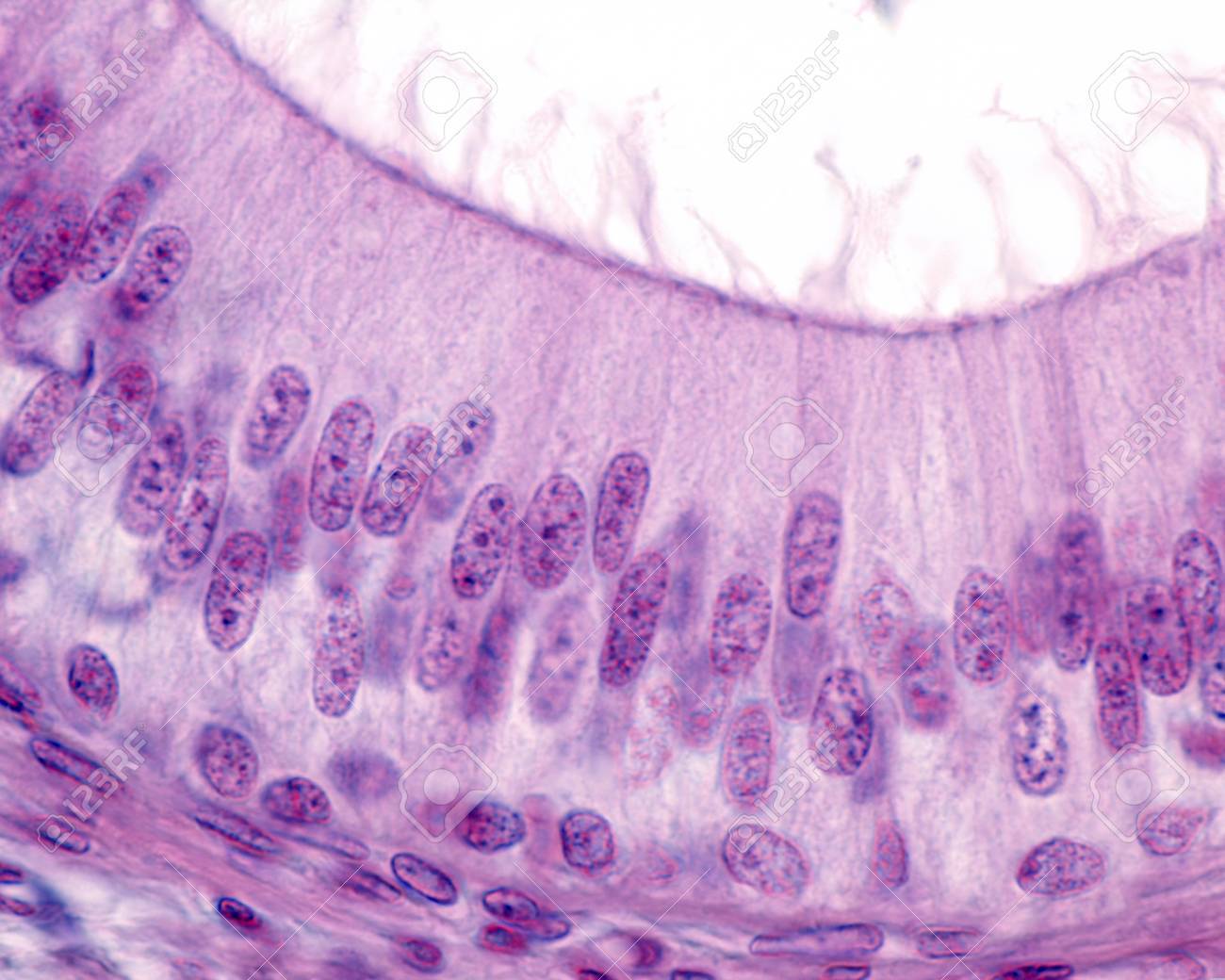
- Apseudostratified columnar epithelium
- Bstratified columnar epithelium
- Cpsuedostratified cuboidal epithelium
- Dstratified cuboidal epithelium
53what best describes the function of tight junctions
- Aa barrier in constant state of flux that seperates in from out
- Ba barrier that anchors the cytoskeleton to adjacent cells
- Canchores adjacent cells
- Dcell communication
54what best describes the function of anchoring junctions
- Aa barrier that is in a constant state of flux that seperates in from out
- Ba barrier that anchors the cytoskeleton of adjacent cells
- Canchors adjacent cells
- Dcell communication
55what best describes the function of desmosomes
- Aa barrier that is in constant state of flux that seperates in from out
- Ba barrier that anchors the cytoskeleton of adjacent cells
- Canchors adjacent cells
- Dcell communication
56what best describes the function of gap junctions
- Aa barrier in constant state of flux that seperates in from out
- Ba barrier that anchors the cytoskeleton of adjacent cells
- Canchors adjacent cells
- Dcell communication
57match what best describes the picture
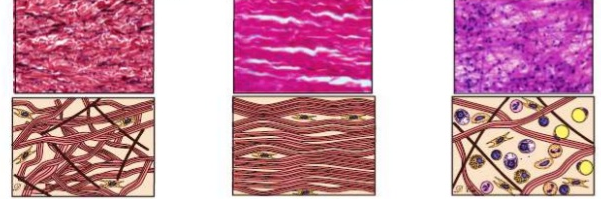
- Adense irregular connective tissue
- Bdense regular connective tissue
- Cloose connective tissue
58what features are present in dense connective tissue
- Asparse cells
- Bcollagen arranged in parallel bundles
- Clittle ground substance
- Dmostly transient immune cells
- Elow collagen levels
- Flots of ground substance
59what features are present in loose connective tissue
- Asparse cells
- Bcollagen arranged in parallel bundles
- Clittle ground substance
- Dmostly transient immune cells
- Elittle collagen present
- Flots of ground substance
60which of the following are myoloid hemapotic cells
- Agranulocytes
- Bmonocytes
- Cerythrocytes
- Dnatural killer cells
- EB cells
- FT cells
- Gmegakaryocytes
61which of the following are lymphoid hemapotic cells
- Agranulocytes
- Bmonocytes
- Cmegakaryocytes
- Derythrocytes
- Enatural killer cells
- FB cells
- GT cells
62group O is the universal donor blood group
- ATrue
- BFalse
63group AB is the universal donor blood group
- ATrue
- BFalse
64a positive rhesus factor means that there is a presence of a D antigen
- ATrue
- BFalse
65anterior triangle borders of the neck:
posterior- [blank_start]sternocleidomastoid[blank_end]
base- [blank_start]body of the mandible[blank_end]
anterior - [blank_start]midline of the neck[blank_end]
posterior triangle borders of the neck:
posterior- [blank_start]trapezius muscle[blank_end]
base- [blank_start]clavicle[blank_end]
anterior -sternocleidomastoid- Asternocleidomastoid
- Bbody of the mandible
- Cmidline of the neck
- Dtrapezius muscle
- Eclavicle
66what does the carotid sheath in the anterior triangle of the neck surround
- Ainterjugular vein
- Bvegus nerve
- Ccommon carotid artery
- Dsubclavian artery
- Esubclavian vein
- Fcranial nerve
67are lipopolysaccharides an endotoxin
- ATrue
- BFalse
68what nerve supplies the trapezius and sternocleidomastoid muscles
- Aaccessory nerve
- Bmusculocutaneous nerve
- Caxillary nerve
- Dradial nerve
69IL-4 induces clonal expansion of B cells
- ATrue
- BFalse
70Complete the image
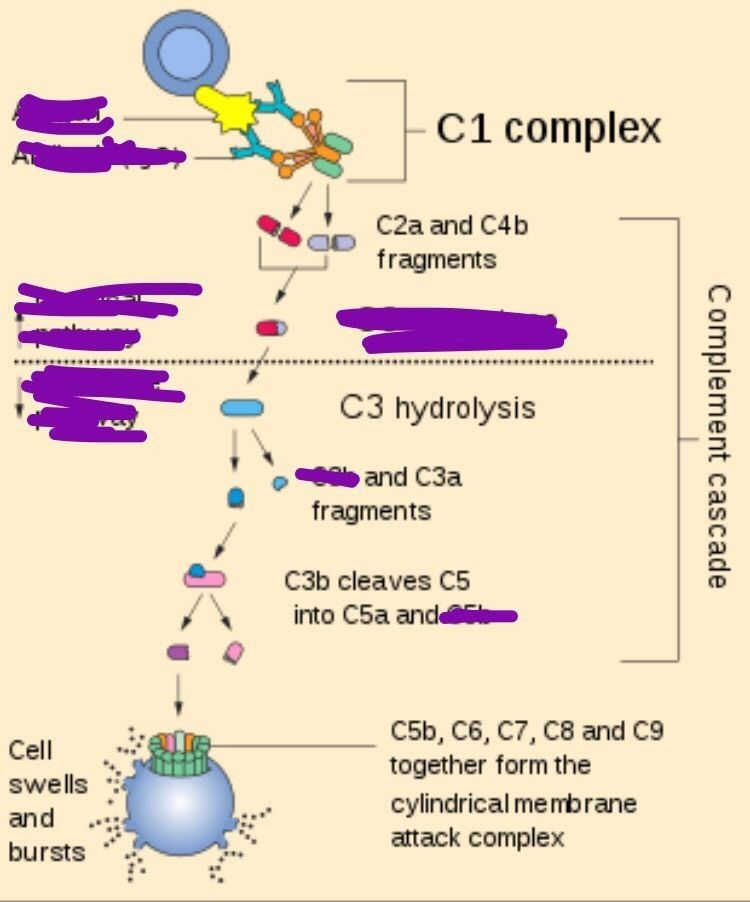
- Aantigen
- Bantibody IgG
- Cantibody IgM
- DC3b
- EC5b
- Fclassic pathway
- Galternative pathway
- HC3 convertase
71Complete the image
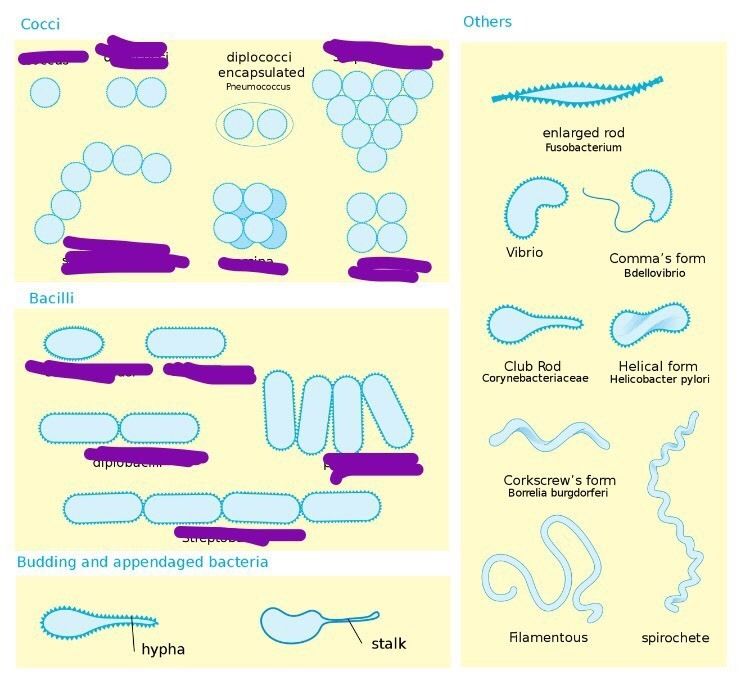
- Acoccus
- Bdiplococci
- Cstraphylococci
- Dstreptococci
- Esarcina
- Ftetrad
- Gcoccobacillus
- Hbacillus
- Idiplobacilli
- Jpalisades
- Kstreptobacilli
72a mum brings her 4 year old son due to the fact that the child is suffering from with persistent sweating, fast breathing which tires the boy out and a very rapid heart rate. furthermore the mother states that the boy is not eating well which she claims is inhibiting the growth of her child.
- Apatent ductus arteriosis
- Batrial septal defect
- Cventricular septal defect
- Dtetralogy of fallot
73a 29 year old man comes in due fatigue, shortness of breath especially when doing exercise and a swelling of the legs and abdomen. upon doing a check on his heart you notice that he has a heart mumur. what is the correct diagnosis
- Aatrial septal defect
- Btetralogy of fallot
- Cventricular septal defect
- Dpatent ductus arteriosis
74a mum brings in her 4 week old son due to the fact she has become worried because her son is becoming tired very easily and is becoming breathless. furthermore the baby is not eating and therefore not developing which is concerning the mum
- Aventricular septal defect
- Batrial septal defect
- Ctetralogy of fallot
- Dpatent ductus arteriosis
75a mum brings her 6 year old son due to concerns because he tires easily during exercise, is very irritable, has shortness of breath and becomes breathless very easily. upon examination you discover that the child is suffering from clubbing and peripheral cyanosis along with a heart mumur. the mother also discloses to you that the child does not eat well
- Atetralogy of fallot
- Bventricular septal defect
- Cpatent ductus arteriosis
- Datrial septal defect
76Mr Costa was rushed into the hospital following a major road accident. Mr Costa requires blood transfusion to survive and he has no “blood refusal card”. You decide to go on with the procedure. A test and screen is performed to identify the blood group of Mr Costa. The following picture shows the outcome:
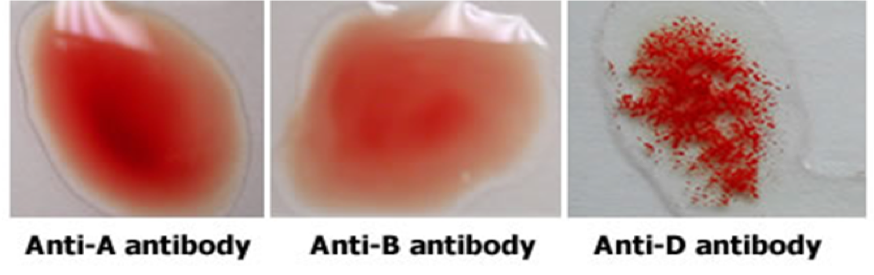
- AAB-
- BAB+
- CO-
- DO+
77You are an F2 doctor in the neonatal ICU unit and observed that a baby is jaundiced. You respond by taking a quick history where you found out that the baby was born six days ago. The mother is Rh + and blood group A. On examination, the baby has normal vital signs and appears well. What is the likely cause of the jaundice?
- AABO incompatibility
- Bbreast milk jaundice
- Cphysiological jaundice
- Drhesus haemolytic disease
78 Why does physiological jaundice occur?
- AResults from increased erythrocyte breakdown and immature liver function.
- BResults from decreased erythrocyte breakdown.
- CDecreased clearance of bilirubin due to defects in bilirubin metabolism
- DLow Hb concentration in the baby.
79You are a GP and a 32 year old woman called Sam is in the 29th week of her first pregnancy. In antenatal screening, she was found to be rhesus D negative. Her husband is rhesus D positive. What is the best management in this situation?
- AGive her prophylactic anti-D immunoglobulin.
- BBlood transfusion
- CTake urine sample
- DGive beclomethasone (corticosteroid)
80You are a F1 doctor and you are called to see your patient, Mrs Bond, a 70 year old lady, who was receiving broad spectrum IV antibiotics for a recent complex urinary tract infection. She has been on treatment for about 6 days, and now complains of watery diarrhoea and abdominal discomfort.
- AAllergic reaction to antibiotics
- BIschaemic bowel disease
- CE.coli infection
- DPseudomembranous colitis
81C.difficile is a gram positive bacteria
- ATrue
- BFalse
82A 25-year-old stockbroker presents to the ED complaining of 6 weeks of daily headaches. Her headaches are band-like in distribution and are not associated with nausea, vomiting, visual phenomena, or neurologic symptoms. Normally they respond to paracetamol, but they have increased in frequency in the past week as she stopped taking a medication that had been prescribed to prevent them.
- Amigraine
- Bcluster headaches
- Ctension headaches
- DSubarachnoid haemorrhage
83A 38 year old male attends the ED complaining of an episode of right sided periorbital pain earlier that evening. He described it as 10/10 on the pain scale. He mentioned it was weepy and the pain did not relent for 50 minutes. He described a similar episode occurring 6 weeks ago. On examination, his eye is red and the pupil is constricted.
- Atension headache
- Bmigraine
- Ccluster headaches
- Dconjunctivitis
84A 2 year old presents to you the GP. His mother says he has been feeling miserable for the past week, waking up at night regularly due to a cough. She also said she noticed a blotchy pink rash behind the ear that appeared a day ago. On examination you find that he has a temperature of 39°C ,significant coryza and catarrh. While examining the inside of his mouth you also find small red spots with a white speck in the middle, on his buccal muscosa.
- Ameasles
- Bscarlet fever
- Cchicken pox
- Dmumps
85A 4 year old called Mary presents to you the GP. Her mother says she has been feeling miserable for the past week. She has also been complaining of an itchy rash on her trunk. On examination you find some vesicles with scarring and a temperature of 38.7°C. What is the causative agent?
- Astreptococcus pneumoniae
- BStaphylococcus aureus
- CVaricella zoster
- DEpstein- Barr virus
86What is the most appropriate diagnosis?
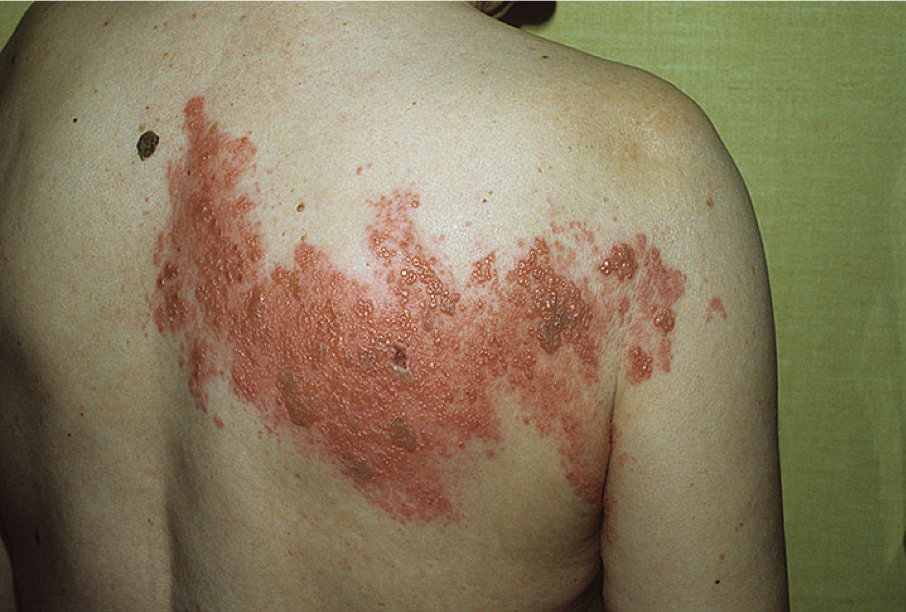
- Achicken pox
- Bscarlet fever
- Cshingles
- Dscabies
87A 3 year old girl presents to you the GP with a fever and a rash. You also find out from her mum that she hasn't been able to hold down her food for the last 2 days. Upon examination she has a temperature of 39.1°C and heart rate of 150bpm. The rash has a sandpaper like texture and she has a strawberry tongue.
- Ascarlet fever
- Bglandular fever
- Cscabies
- DLyme disease
88You are a GP and an 18-year old girl presents with week long history of fever and a sore throat. On examination, she is pyrexial at 39°C and cervical, axillary and inguinal lymph nodes are palpable. Palatal petechiae are visible within the mouth and her tonsils appear inflamed. A full blood count reveals lymphocytosis and a blood film reveals the presence of atypical lymphocytes. What is the most likely diagnosis?
- Atonsilitis
- Bglandular fever
- Cmalaria
- Ddiphtheria
89A 4 year-old boy presents to his GP with a 5-day history of fevers, headaches, lethargy and muscle aches. His dad also mentions that he is developing an expanding red rash (that appears like a bull’s-eye) on his left thigh. On further questioning, he mentions that he has been on a camping trip the previous week. What is the most likely diagnosis?
- ALyme disease
- Bmalaria
- Cdengue fever
- Dschistomiasis
90A patient presents to the ED with fever, headache, neck stiffness and photophobia. On examination, you find a non-blanching rash on her abdomen. You assess her ‘ABCDE’. Given her presentation and examination findings, you highly suspect bacterial septicaemia. What is the most appropriate next step in this patient’s management?
- Alumbar puncture
- BCT head
- Cblood cultures
- DIV ceftriaxone
91A 28-year-old junior doctor has been complaining of a headache for the last 24 hours. It started gradually, intensifying slowly and involving the entire cranium, but over the last couple of hours she has noticed that turning her head is uncomfortable. She feels generally unwell and prefers to lie in a dark room. Her boyfriend has noticed that she seems irritable. On examination, she exhibits photophobia and there is neck stiffness. There is no papilloedema. Close examination of her skin reveals no rashes. A lumbar puncture (LP) reveals low protein, normal glucose and lymphocytosis.
- Aviral meningitis
- Bmigraine
- Ccluster headache
- Dbacterial meningitis
Information
- Description
- Quiz on infancy, created by David alibhai on 14/03/2019.
- Author
- David alibhai
- Language
- English
- Views
- 5
- Tags
- Rating
- No ratings yet Rate this quiz