
Quiz
MBB162 - Genetics
Create a free account to finish this quiz
Save your progress and see your final score.
Already have an account? Sign in
Questions in this quiz (89)
1MBB162 - S2L1
Define viruses- AThey are living organisms that cause disease.
- BThey are a subset of bacteria.
- CThey are genetic elements that cannot replicate independent of a host living cell.
- DThey are living entities that cannot replicate outside of a living cell.
2MBB162 - S2L1
What is the difference between a virion and the replicative state?- AA virion describes a dead virus whilst the replicative state describes a virus that is alive.
- BA virion is the infected host cell whilst the replicative state is the virus itself, when it is inside the cell.
- CA virion is the intracellular form of the virus whilst the replicative state is the extracellular form of the virus.
- DA virion is the extracellular form of the virus whilst the replicative state is the intracellular form of the virus.
3MBB162 - S2L1
Viral genomes tend to be of a small size. How do viruses go about this so that they can fully transcribe the viral proteins required for it to replicate?- AHave a small number of protein species making up the capsid.
- BHave only one type of protein that is both large and spherical, so that it can cover the entirety of the viral genome.
- CCapsid proteins are often capable of self-assembly (e.g. TMV).
- DHave enzymes that can readily denature the proteins that are not necessary.
4MBB162 - S2L1
Icosahedral viral protein shells hace the highest possible symmetry for any fully enclosed shell. How is the shell built up?- AIt is built up from 20 identical modular units each with 3 fold symmetry. Each unit may contain 1 or more types of protein.
- Bit is built up from 10 identical modular units each with 6 fold symmetry. Each unit only contains 1 type of protein each.
- CIt is built up from 20 identical modular units each with 3 fold symmetry. Each unit only contains 1 type of protein each.
- DIt is built up from 20 units of the same protein with 5 fold symmetry.
5MBB162 - S2L1
The timing of protein expression is important. As a result viral proteins can be divided into early and late proteins. What are their respective functions?- AEarly proteins are typically used as coat proteins and late proteins are used for the replication of the viral nucleic acid.
- BEarly proteins are typically used for the replication of the viral nucleic acid and late proteins are used as coat proteins.
- CEarly proteins are used for the attachment and eventual insertion of a virus into the host cell whilst late proteins are used for the replication of the virus in it's replicative state.
- DEarly proteins are responsible for the replication of a virus whilst the late proteins are responsible for the production of proteins responsible for host cell death.
6MBB162 - S2L1
How does T4 bacteriophage ensure that viral transcription occurs?- AIt uses its own RNA polymerase enzyme to undergo viral transcription, as it is specifically modified to recognise phage promoters.
- BIt uses the host's own DNA polymerase which is modified to speicifcally recognise phage promoters. It also uses the hosts own sigma70 factor to recognise the initiation site.
- CIt uses the host's own RNA polymerase which is modified to speicifcally recognise phage promoters. It also uses the hosts own sigma70 factor to recognise the initiation site.
- DIt uses the host's own RNA polymerase which is modified to speicifcally recognise phage promoters. It also encodes an anti-sigma factor that binds to sigma70, so preventing the hosts own transcription.
7MBB162 - S2L2
The viral genome encodes for early, middle and late viral proteins. How is the switch to the middle proteins assured?- AEarly viral proteins modify the host RNA polymerase alpha subunits. They also bind to RNA polymerase, modifying it further so that it recognises the phage's middle promoters.
- BThe part of the genome that encodes the middle proteins is always found adjacent to the genes that code for the early proteins.
- CThe early protein terminator has a small sequence that codes for a promoter for the synthesis of the middle proteins.
- DAn early protein, Mot A, changes the promoter sequence for the middle protein so that the RNA polymerase stops synthesising the early proteins and instead work on the middle ones.
8MBB162 - S2L2
What do repressor proteins do to phage genetic material during the lysogenic pathway in host cells infected by bacteriophages?- ARepressor proteins represses the lysogenic pathway and so causes viruses to undergo replication and hence cell lysis.
- BRepressor proteins activate virus replication.
- CRepressor proteins are responsible for activating the lysogenic pathway and hence causing cell lysis.
- DRepressor proteins are represses the lytic pathway and is responsible for the integration of the viral genome into the host cell's genome.
9MBB162 - S2L2
How is a lambda phage genome integrated into E.coli's DNA?- AThe viral genome integrates using the attA endonuclease to splice it.
- BThe viral genome integrates at the attachment site attA using the enzyme lambda integrase.
- CThe enzyme lambda integrase cuts the viral genome so that the host DNA can insert itself in the middle of the viral genome.
- DThe site attIntegrase is spliced by attA so that the phage genome can enter.
10MBB162 - S2L2
What is the name of the type of replication that occurs during the lytic pathway?- ARolling replication
- BFalling sphere replication
- CDownward arrow replication
- DRolling circle replication
11MBB162 - S2L2
In lysogeny, a repressor is responsible for preventing the synthesis of all other phage proteins. What is this protein called?- AcI (c1)
- BcII (c2)
- CcIII (c3)
- DCro
12MBB162 - S2L3
Give 2 examples of (+) strand RNA viruses of animals.- APolioviruses
- BRhabdovirus
- CE.coli
- Dhepatitis A
13MBB162 - S2L3
Polio is an animal virus which has a single linear (+) ssRNA sequence. Therefore the sequence can also act as the mRNA however it has no capping on the 5' end. How does it go about this problem?- AThe virus produces Vpg proteins which change the structure of the ribosomes so that they can still accept mRNA sequences with no capping.
- BThe RNA at the 5' end folds into stem loops and has a Vpg protein bound, mimicing a cap.
- CThe virus uses the host's own Vpg proteins as a replacement to ribosomes, as ribosomes cannot accept RNA without a cap.
- DThe 5' end of the virus RNA only has palindromic sequences which don't mean anything, so they can get degraded.
14MBB162 - S2L3
Poliovirus replication occurs in the cytoplasm. How does poliovirus also inhibit the host RNA from undergoing it's own protein synthesis?- AThe host RNA's cap binding protein is destroyed.
- BThe host's tRNAs are destroyed, the poliovirus uses it's own tRNA molecules.
- CWhen synthesising poliovirus, a protein is made which modifies the hosts ribosomes so that they only accept poliovirus' RNA.
- DPoliovirus RNA produces a protein which acts as a specific endonuclease towards the host DNA.
15MBB162 - S2L3
Give 2 examples of animal (-) strand RNA viruses.- ARabies (rhabdovirus), influenza (orthomyxovirus)
- BPicornavirus, E.coli
- CS.cerevisiae, poliovirus
- DRhinovirus, influenza (orthomyxovirus)
16MBB162 - S2L3
Rhabdoviruses are responsible for rabies and are enveloped viruses. What is the name of the protein that is essential for formation of (+) strand intermediates?- ARNA transferase
- BRNase
- CRNA replicase
- D(+) replicatase
17MBB162 - S2L3
Influenza is a virus that has a (-) strand of RNA as it's genome, which is also segmented. How many linear ssRNA molecules does Influenza A have?- A1
- B2
- C4
- D8
18MBB162 - S2L3
Influenza is a virus with (-) strands of ssRNA making up it's genome. Describe it's overall pattern of viral genomic RNA synthesis? HINT: It resembles the pattern of replication found in rabies.- AThe (-) strand produces a (+) strand of ssRNA.
- BThe (-) strand produces a (+) strand of ssRNA which is then used to produce a (-) strand of ssRNA progeny.
- CThe (+) strand produces a (-) strand which is then used to produce a (+) strand of ssRNA.
- DThe (-) strand self replicates to form another (-) strand of ssRNA.
19MBB162 - S2L3
Influenza is a virus with it's surface proteins being the main immunogenic regions of the virus (e.g. neuraminidase and hemaglutinin). Antigenic drift affects these surface proteins meaning that annual vaccinations are required to mimic these surface proteins. What does antigenic drift do to these surface proteins?- AAntigenic drift causes a mutation in the genes encoding these surface proteins so that they are denatured.
- BAntigenic drift causes a mutation in the genes encoding the white blood cells in the vaccination so that they are denatured and thus ineffective.
- CAntigenic drift causes a mutation in the genes encoding the surface proteins so that their structure changes and can therefore not be recognised by the white blood cells anymore.
- DAntigenic drift causes a mutation in the genes encoding the surface proteins meaning that they get expressed more.
20MBB162 - S2L3
Influenza is a virus encoded by a genome made of (-) ssRNA strands. Antigenic shift is an event that occurs to 2 different strains of influenza viruses. Explain what antigenic shift does.- AAntigenic shift is where portions of the RNA genome from 2 genetically distinct strains are re-assorted, when they both infect a cell.
- BAntigenic shift is when one strain of influenza destroys the other, as a result of a mutation in the gene encoding the hemaglutinin surface protein.
- CAntigenic shift is when both strains of influenza cause mutations to their genomes so that they are no longer capable of removing the 5' cap in the host cell's mRNA.
- DAntigenic shift is when both strains of influenza cause mutations to their genomes so that they can no longer have poly A tails added to their 3' ends.
21MBB162 - S2L3
Dna viruses of eukaryotes all replicate in the host cell nucleus. Give two examples of DNA viruses of eukaryotes.- APolymaviruses
- BPox viruses
- CE.coli
- DRhabdovirus
22MBB162 - S2L3
Simian virus 40 (SV40) is a eukaryote DNA virus which has one dsDNA circle as it's genome. Why does it bear resemblance to the host cell DNA?- ABecause it has a circular shape like DNAs.
- BBecause it has no viral encoded enzymes.
- CBecause the host DNA is linear.
- DBecause SV40 only infects bacterial cells which have circular DNA as well.
23MBB162 - S2L3
SV40 is a virus which has a single circular dsDNA as it's genome. What is the replication mechanism for this virus, when inside a host?- AIt uses its own RNA polymerase to undergo transcription of one whole RNA molecule, which is capped.
- BIt uses the host's own RNA polymerase to undergo transcription of one whole RNA molecule, which is capped.
- CIt uses its own RNA polymerase to undergo transcription of a single RNA molecule which is then processed into two mRNAs, these are capped.
- DIt uses the host's own RNA polymerase to undergo transcription of a single RNA molecule which is then processed into two mRNAs, these are capped.
24MBB162 - S2L3
Sv40 is a virus that produces an early protein called T antigen protein. What does this do during viral replication?- AThe T antigen protein binds to phagocytes and lysozymes preventing them from undergoing an immune response and destroying the viral cell, so it avoids production of t-lymphocytes.
- BThe T antigen protein binds to the origin of replication of the viral genome to initiate destruction of the host antibodies.
- CThe T antigen protein binds to the origin of replication of the viral genome to initiate genome synthesis.
- DThe T antigen protein binds to the origin of replication of the viral genome to prevent the virus from entering the lytic phage, as it would block the RNA polymerase from undergoing transcription.
25MBB162 - S2L3
SV40 is a circular dsDNA animal virus, Transcription of its late mRNA begins at a promoter near the origin of replication. The late mRNA encodes for three coat proteins, VP1, VP2 and VP3. What do the genes encoding for these three proteins do to save space in the genome?- AThe three genes overlap in the genome.
- BThe three genes are similar, so they have three separate promoter regions in the late DNA sequence so that the same gene, with varying mutations can be made.
- CThe three genes are destroyed and simultaneously rebuilt as soon as they are used, and then required again, respectively.
- DThere is actually only one gene that encodes for 3 copies of the same protein.
26MBB162 - S2L4
Animal cells can be divided into two categories depending on how they react to animal virus infection. These are permissive cells and non-permissive cells. Describe what a non-permissive cell does.- AA non-permissive cell does not allow for the virus to enter the cell at all.
- BA non-permissive cell does not allow for DNA integration into the host cells genome
- CA non-permissive cell allows for DNA integration into the host cells genome, such cells can then transform into tumour cells.
- DA non-permissive cell does not allow for viruses to attach to the host cells membrane.
27MBB162 - S2L4
What is the difference between retroviruses and hepadnoviruses?- AHepadnoviruses are dsRNA whilst retroviruses are ssRNA
- BHepadnoviruses are DNA whilst retroviruses are RNA.
- CHepadnoviruses are dsDNA whilst retroviruses are dsDNA
- DHepadnoviruses are bacteriophages whilst retroviruses are animal viruses.
28MBB164 - S2L4
Hepadnoviruses and retroviruses are both animal viruses that use reverse transcriptase. HIV-a is a retrovirus that uses reverse transcriptase. How does HIV-a use this protein to undergo replication?- AReverse transcriptase works as an RNA polymerase that makes two strands of mRNA for viral replication.
- BReverse transcriptase removes the 5' cap of the host cells mRNA strands so that the hosts own genes cannot be synthesised, making the viral genes a priority.
- CReverse transcriptase converts the HIV-a's 2 strands of ssRNA into a DNA intermediate.
- DReverse transcriptase converts the HIV-a's 8 strands of dsRNA into a DNA intermediate.
29MBB162 - S2L4
The retroviral genome has 3 regions which each encode for different tasks. These regions are the gag region, pol region, env region. What do they each encode for?- AThe gag region encodes structural proteins. The pol region encodes the reverse transcriptase. The env region encodes the envelope proteins that sit in the membrane.
- BThe env region encodes structural proteins. The gag region encodes the reverse transcriptase. The pol region encodes the envelope proteins that sit in the membrane.
- CThe env region encodes structural proteins. The pol region encodes the reverse transcriptase. The gag region encodes the envelope proteins that sit in the membrane.
- DThe pol region encodes structural proteins. The env region encodes the reverse transcriptase. The env region encodes the envelope proteins that sit in the membrane.
30MBB162 - S2L4
Reverse transcription is a DNA polymerase and thus requires a primer. What is this primer made of?- AAn mRNA packaged into the virus from a previous host.
- BA tRNA packaged into the virus from a previous host.
- CAn RNA primer with histones packaging it, much like a chromosome.
- DA ribosome surrounded by mRNAs on it's membrane.
31MBB162 - S2L4
Retoviruses have a region in their DNA called the LTR, located on both ends of the genome. These sequences can be found in a virus' provirus form (so when it is integrated into the host's DNA). What does activation of the promoters in the LTR region lead to?- ADestruction of 5' caps and 3' poly A tails in the host mRNA.
- BHost mRNA transcripts having a cap attached to their 5' end and a poly A tail attached to their 3' end.
- CViral mRNA transcripts having a cap attached to their 5' end and a poly A tail attached to their 3' end.
- DEncapsidation of the viral mRNAs and therefore replication of the virus.
32MBB162 - S2L4
Hepatitis B is a hepadnavirus. Hepadnoviruses have extremely small genomes so they use overlapping genes. Only part of the genomic DNA is dsDNA. How does this virus replicate it's genome?- AA viral DNA polymerase completes the replication once it has entered the host.
- BA viral RNA polymerase completes the replication once it has entered the host.
- CA viral reverse transcriptase completes the replication once it has entered the host.
- DThe host DNA polymerase is used to complete the replication once the viral genome has entered the host.
33MBB162 - S2L4
Pox viruses are complex and large. What makes them unique as a DNA virus?- AThe DNA is used to directly encode for proteins, so no intermediate RNA made.
- BThe viral RNA that is made does not need any capping or poly A tails.
- CThe DNA is synthesised outside the nucleus, normally DNA viruses undergo replication in the nucleus.
- DThe DNA undergoes transcription in the nucleus.
34MBB162 - S2L4
How are pox viruses uncoated?- AThey are uncoated upon attachment to the host cell
- BThey are uncoated before entering the host cell through the membrane pores.
- CThey are uncoated after infection, so once inside the cell.
- DThey are uncoated when inside the nucleus.
35MBB162 - S2L4
How does the pox virus produce copies of it's genome once inside the host cell?- AIt uses the host's DNA polymerase.
- BIt uses the host's RNA polymerase
- CIt uses a viral RNA polymerase
- DIt uses a viral DNA polymerase
36MBB162 - S2L4
What happens once the pox virus has fully uncoated in the host cell?- AInclusion bodies are formed within the cytoplasm, where the DNA is transcribed, replicated and encapsidated into progeny virions.
- BInclusion bodies are formed within the nucleus, where the DNA is transcribed, replicated and encapsidated into progeny virions.
- CInclusion bodies are formed which remove the cap and poly A tail from the host mRNAs.
- DExclusion bodies are formed which exclude the host's mRNA transcripts from being translated by its own ribosomes.
37MBB162 - S2L5
What does it mean to be polycistronic?- ATo have multiple open reading frames.
- BTo have multiple operons.
- CTo have multiple strands.
- DTo code for three proteins from one operon.
38MBB162 - S2L5
Bacteria organise their genetic material in nucleoids. Nucleoids have a supercoiled structure. How is this structure achieved?- AEndonucleases make a double strand break in the circle of DNA, passes another part of DNA through the break, and then DNA integrase seals it.
- BTopoisomerases make a double strand break in the circle of DNA, passes another part of DNA through the break, and then DNA integrase seals it.
- CTopoisomerases make a double strand break in the circle of DNA, passes another part of DNA through the break, then reseals it.
- DEndonucleases make a double strand break in the circle of DNA, passes another part of DNA through the break, and then DNA gyrase seals it.
39MBB162 - S2L5
In what direction does bacterial DNA replication occur, so replication from a single origin?- A3' to 5'
- BTerminal to start
- C5' to 3'
- DOpen reading frame to intron
40MBB162 - S2L5
Terminator regions (e.g. terA or terB) terminate DNA replication in the E.coli chromosome. There are >8 arrest sites at the terminus. What are the 5 arrest sites that trap replication forks moving clockwise in the chromosome?- AA, B, C, D, E
- BD, E, H, I, J
- CB, C, F, G, J
- DC, E, F, G, H
41MBB162 - S2L5
During bacterial DNA replication the newly replicated chromosome and the original one are linked together. There are two mechanisms that can resolve the rings so that they are both separated. One of them uses two enzymes which cut and rejoin each strand so that they are separated. What are the names of these two enzymes?- AXrdA and XrdB
- BXerA and XerB
- CPl5 and Pl1
- DXerc and XerD.
42MBB162 - S2L6
In what direction does transcription occur in E.coli K-12 chromosome?- AClockwise.
- BCounterclockwise.
- CClockwise or counterclockwise.
- DClockwise and counterclockwise.
43MBB162 - S2L6
What is the most commonly used cloning vector or plasmid?- ApBR311
- BpBR322
- CpCA111
- DE.coli
44MBB162 - S2L6
What is the name of the protein encoded by the cydA gene?- AcydA+
- BcydA1
- CCydA1
- DCydA
45MBB162 - S2L6
What is the difference between screening and selecting?- AScreening involves finding the property we want from many contenders, selecting involves finding the primary property.
- BSelecting involves finding the property we want from many contenders, screening involves finding the primary property.
- CScreening involves finding the property we want from the least amount of contenders, selecting involves finding the secondary property.
- DSelecting involves finding the property we want from the least amount of contenders, screening involves finding the secondary property.
46MBB162 - S2L7
Transduction is a method of moving DNA from a donor cell into a recipient cell. How does transduction work?- ADNA leaks from the bacterial cell and moves its way into the recipient cell.
- BBacteriophages invade the donor cell, take up the DNA via chromosome disruption. They then lyse the bacterial cell and inject the DNA into the recipient cell.
- CA conjugation tube is formed between the donor and recipient cell for the DNA to pass through.
- DThrough binary fission.
47MBB162 - S2L7
Describe the mechanism of transformation in bacterial cells.- ADNA binds via protein, both strands enter and are then bound via proteins. Homologous recombination follows.
- BDNA binds via protein, both strands enter and are then bound via proteins. Heterologous recombination follows.
- CDNA binds via protein, one strand enters whilst the other one is degraded. The internalised single strand is bound by proteins and homologous recombination follows.
- DDNA binds via protein, one strand enters whilst the other one is degraded. The internalised single strand is bound by proteins and heterologous recombination follows.
48MBB162 - S2L7
F plasmids are only found in donor cells that transfer DNA through conjugation. What is the name of the region containing the genes for the sex pillus?- AIS3
- BIS2
- CTra
- DPl4
49MBB162 - S2L7
During conjugation between two bacterial cells the F plasmid is transfered from the donor cell to the recipient cell. How does this happen?- AThe F plasmid is replicated through the conjugation tube and into the recipient cell, so that both the donor and recipient cell have the F plasmid.
- BThe F plasmid is replicated in the donor cell and then moves into the recipient cell.
- CThe F plasmid moves inside the recipient cell, replicates itself there and the newly made F plasmid replica moves into the donor cell.
- DThe F plasmid moves into the recipient cell.
50MBB163 - S2L8
Deep subsurface ecosystems can be split into deep terrestrial biosphere (below land) and deep marine biosphere. Define the deep marine biosphere.- ALife existing 5 metres below the seafloor.
- BLife existing 5 metres below the seafloor in deep oceans.
- CLife existing 1 metre below the seafloor in deep oceans.
- DLife existing 1 metre below the seafloor in shallow areas or deep oceans.
51MBB163 - S2L8
What is the estimated number of cells present in the deep marine biosphere?- A1.8x10^29 cells.
- B2.9x10^18 cells
- C2.9x10^29 cells
- D1.8x10^18 cells.
52MBB163 - S2L8
Individual cells in the deep marine biosphere have very low metabolic activity. Why is this?- ACells found in the deep marine biosphere have organelles that do not properly function due to evolutionary constraints.
- BThe subsurface conditions are extreme, i.e. dark, anoxic, oligotrophic, saline, high pressure and hot.
- CMost cells found in the deep marine biosphere are piezophiles however the deep marine biosphere is a low pressure environment.
- DMost cells found in the deep marine biosphere are thermophiles however the deep marine biopshere is a low temperature environment.
53MBB163 - S2L8
Which metal serves as an electron source for x metal oxidising bacteria found in the deep mines?- AIron
- BZinc
- CLithium
- DCopper
54MBB163 - S2L8
Freshwater ecosystems are large undisturbed lakes that are usually oligotrophic. What does this mean?- AIt is high nutrients and microbes.
- BIt is high in pH.
- CIt is low in nutrients and microbes.
- DIt is low in pH.
55MBB163 - S2L8
Freshwater ecosystems are large undisturbed lakes that are usually oligotrophic. At certain time of the year (spring/summer) the lakes can become stratified into two layers separated by a what?- AA thermophile
- BA thermocline.
- CAn epilimnion
- DA hypolimnion.
56MBB163 - S2L8
How does a lake become eutrophic?- ABy receiving large concentrations of Fe2+ ions and other necessary transition metal ions.
- BBy receiving large concentrations of nutrients, such as runoff from agricultural fertiliser or septic systems.
- CBy receiving low concentrations of Fe2+ ions and other necessary transition metal ions.
- DBy receiving lowconcentrations of nutrients, such as runoff from agricultural fertiliser or septic systems.
57MBB163 - S2L8
When a lake becomes eutrophic heterotrophic bacteria start to appear. Why do vertebrates begin to die?- ABecause their is not enough light passing through the lake as the heterotrophic bacteria are absorbing most of it.
- BLight passes through the heterotrophic bacteria that causes vertebrates to die off.
- CLack of oxygen as heterotrophic bacteria have consumed it.
- DToo much oxygen in the environment due to heterotrophic bacteria.
58MBB163 - S2L8
Why are the major causes of eutrophication increases in phosphate and nitrogen sources?- APhosphorus and nitrogen are the nutrients that most often limit algal growth.
- BPhosphorus and nitrogen are the nutrients that most often limit heterotropic bacterial growth.
- CPhosphorus and nitrogen are the nutrients that most often limit viral growth.
- DPhosphorus and nitrogen are the nutrients that most often limit bacteriophage growth.
59MBB163 - S2L9
There are three types of definitions for the effect of bacterial growth that chemical antimicrobial control might have on cells. These are bacteriostatic, bactericidal and bacteriolytic. Which of these images show a bacteriostatic effect?- A
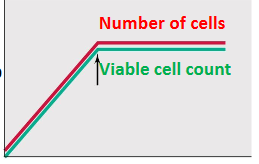
- B
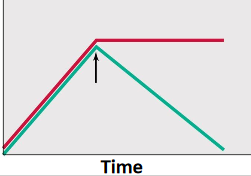
- C
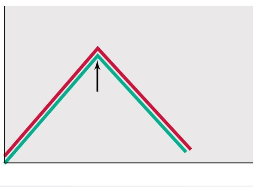
- A
60MBB163 - S2L9
Define sterilants- AKill microorganisms but not necessarily endospores.
- BCompletely eliminating or destroying all forms of microorganisms, including spores.
- CPartially eliminating or destroying all forms of microorganisms.
- DKill microorganisms but not necessarily exospores.
61MBB163 - S2L9
Give an example of a method to measure antimicrobial activity- ACD diffusion technique
- BDisc sterilisation technique
- CDisk diffusion technique
- DGel-pore diffusion technique.
62MBB163 - S2L9
What is the minimum inhibitory concentration (MIC). Hint: this is used to measure antimicrobial activity.- AThe lowest concentration of a drug inhibiting the visible growth of a plant after overnight incubation.
- BThe lowest concentration of a drug inhibiting the visible growth of a viral culture.
- CThe lowest concentration of a drug killing >99.9% of a test organism after overnight incubation.
- DThe lowest concentration of a drug inhibiting the visible growth of a test organism after overnight incubation.
63MBB163 - S2L9
One of the many examples of chemicals used for antimicrobial control are phenolic compounds. GIve an example of a phenolic compound used for antimicrobial control.- A3-methylhexane
- BPotassium chloride
- CTriclosan
- DBenzene
64MBB163 - S2L9
The quaternary ammonium compounds (quats) interact with bacterial cells in such a way that it kills them, making them effective chemicals for antimicrobial control. How does this work?- AQuats are alkylating agents that modify proteins and DNA, causing cell death.
- BQuats denature proteins, as they are lipid solvents, so disrupt the cytoplasmic membrane.
- CQuats cause leakage of the mitochondria found in these cells, causing a loss in respiratory function.
- DQuats interact with phospholipids of the cytoplasmic membrane (they are cationic detergents).
65MBB163 - S2L10
An individual soil particle is a complex mix of different types of microorganisms bound together by biofilms and interacting with plant roots. What do the top aerated horizons of soil contain?- ADecomposers like lithotrophic bacteria and actinomycetes.
- BLithotrophic bacteria and anaerobic heterotrophic bacteria.
- CAnaerobic heterotrophic bacteria and actinomycetes.
- DFungi and actinomycetes.
66MBB163 - S2L10
What forms a key component of plant cell walls and is one of the most difficult natural substances to break down? It is the second most abundant plant polymer. It is also a polymer of phenolic groups.- ACellulose.
- BMurein
- CLignin
- DStroma
67MBB163 - S2L10
What are the breakdown products of lignin known as?- AHumic material
- BLignite material
- CHumec material
- DDuromic material
68MBB163 - S2L10
In the plant cell wall what is lignin interlinked with to form a strong barrier?- ACellulose and lignocellulose.
- BCellulose and hemicellulose
- CHemicellulose and lignocellulose
- DCellulose and hemilignin
69MBB163 - S2L10
Cellulose and hemi-cellulose can be used as a biofuel by breaking these polymers to sugars that can be fermented to ethanol. Lignin needs to be broken down first. This can be done in a lingocellulosic biorefinery. How is the chemical pretreatment/enzyme hydrolysis step done?- AThrough heating in the presence of a concentrated alkali.
- BThrough heating in the presence of a dliute alkali.
- CThrough heating in the presence of a dilute acid.
- DThrough heating in the presence of a concentrate acid.
70MBB162 - S2L8
5% of newborns suffer from a congenital disorder. Examples of these disorders include single gene disorders, mitochondrial disorders and chromosomal disorders. Give another example of a congenital disorder that could be found in newborn babies.- AMonofactorial.
- BMultifactorial.
- CSemifactorial
- DFull derivatial
71MBB162 - S2L8
0.1% of live births display chromosomal abnormality. Examples of these chromosomal abnormalities include aneuploidy and chromosomal translocations. An example of an aneuploidy is trisomy 21. What disease does trisomy 21 bring about?- ACri du chat
- BEdwards Syndrome
- CDowns Syndrome
- DHereditary spherecytosis
72MBB162 - S2L8
Mitochondria have their own genome, therefore they can have their own mitochondrial disorders. How are mitochondria inherited?- AMaternally inherited.
- BPaternally inherited
- CIndependently inherited
- DNatural inheritance
73MBB162 - S2L9
Single gene disorders are individually rare but collectively common (1 in 17 people). Give an example of an autosomal dominant single gene disorder.- AHuntingtons disease - Mutation of the HTT gene.
- BCystic Fibrosis - Mutation of the CFTR gene.
- CRoberts Syndrome
- DCri du chat
74MBB162 - S2L9
Huntington's disease is a late onset autosomal dominant disorder that affects 1 in 10000 Caucasians. It is a progressive neurodegenerative brain disorder that causes uncontrolled movements, decrease in cognitive function, personality changes. What is the another symptom of Huntingtons?- ACat like cry.
- BCharacteristic facial features.
- CCortex and corpus striatum being affected.
- DScoliosis
75MBB162 - S2L9
The genomic region responsible for Huntingtons disease was first mapped in 1983. The HTT gene was then identified and cloned in the 90s. What was the name of the process used to identify the gene?- ANon-positional cloning
- BRemote cloning
- CPositional cloning
- DNon-positional translation
76MBB162 - S2L9
Human genetic information is 99.9% identical. What is the 0.1% difference due to? Hint: They do not result in visible phenotypes.- APolymorphisms.
- BIntrons.
- CNon-coding sequences
- DTerminator regions.
77MBB162 - S2L9
How is a disease gene mapped?- ALinkage between the disease and a panel of degenerate mutations at a genomic known location is tested.
- BLinkage between the disease and a panel of polymorphisms at a genomic known location is tested.
- CLinkage between the disease and a panel of autosomal dominants at a genomic known location is tested.
- DLinkage between the disease and a panel of autosomal recessives at a genomic known location is tested.
78MBB162 - S2L9
Where are the Huntingtons Disease genes located?- AChromosome 1
- BChromosome 2
- CChromosome 4
- DChromosome 8
79MBB162 - S2L9
Huntingtons disease is a polyglutamine repeat disease, as the HTT gene encodes a protein with a poly Glutatmine tract (encoded by a CAG codon). How many repeats of the CAG codon is required to cause Huntingtons disease?- A< 32
- B> 35
- C> 36
- D> 37
80MBB162 - S2L9
Huntingtons disease is a polyglutamine repeat disease, meaning that over 36 repeats of the CAG codon (which codes for glutamine) causes Huntingtons Disease. CAG repeats expand upon parental transmission. What is the name for this phenomenon called?- AAnticipation.
- BPenetrance.
- CAntipentrance
- DExpectation.
81MBB162 - S2L9
Huntingtons disease is caused by a repeat expansion of the HTT codon, so that it repeats too many times. This is termed the poly Q expansion (Q standing for the glutamine amino acid encoded by the CAG codon). The mutated protein with the poly Q expansion has a propensity to misfold and aggregate (clump together). What do these aggregates do?- AThey form exclusion bodies in the vena cava.
- BThey form inclusion bodies in the vena cava.
- CThey form exclusion bodies in neurons.
- DThey form inclusion bodies in neurons.
82MBB162 - S2L9
The CFTR gene encodes the cystic fibrosis transmembrane conductance protein. What is the CFTR protein required for?- ATo transport Cl- ions across the plasma membrane of cells that line the gut epithelium.
- BTo transport Cl- ions across the plasma membrane of cells that line the lung epithelium.
- CTo transport Na+ ions across the plasma membrane of cells that line the lung epithelium.
- DTo transport Na+ ions across the plasma membrane of cells that line the gut epithelium.
83MBB162 - S2L10
What does the F508 delta, G551D and R117H mutations do to the CFTR protein?- AF508 delta results in less traffic, G551D results in no function and R117H results in less function.
- BF508 delta results in less protein, G551D results in no protein and R117H results in less traffic.
- CF508 delta results in less function, G551D results in no function and R117H results in less protein.
- DF508 delta results in no protein, G551D results in no function and R117H results in less function.
84MBB162 - S2L10
There are 3 different types of targeted therapies against cystic fibrosis. These are production correctors (Ataluren), correctors (Lumacaftor) and potentiators (Ivacaftor). Which statement about them is correct?- AProduction correctors promote transcription of CFTR in class I mutations.
- BProduction correctors improve intracellular processing of CFTR, class II mutations.
- CPotentiators improve intracellular processing of CFTR, class III and IV mutations.
- DCorrectors recover the function of CFTR in class III and IV mutations.
85MBB162 - S2L10
In an X linked disorder, who is more likely to inherit the mutant phenotype?- AThey all get affected the same.
- BThe grandson
- CThe daughter
- DThe son
86MBB162 - S2L10
If a female is a carrier of an x-linked disorder, what is the chance that it passes the disease phenotype to it's daughter, thereby making her a carrier as well?- A10%
- B25%
- C50%
- D75%
87MBB162 - S2L10
In a dominant x linked disorder, what is the probability of the father passing the condition onto a daughter?- A25%
- B50%
- C75%
- D100%
88MBB162 - S2L10
What is an example of a recessive X-linked disorder?- ADuchenne Muscular Dystrophy
- BCri du chat
- CRickets
- DGoltz syndrome
89MBB162 - S2L10
What are 60% of the duchenne muscular dystrophy cases caused by?- AAddition of an extra intron
- BDeletion of at least one exon
- CAddition of a single base.
- DTranslocation
Information
- Description
- Quiz on MBB162 - Genetics, created by Alex Hurtado on 17/04/2019.
- Author
- Alex Hurtado
- Language
- English
- Views
- 3
- Rating
- No ratings yet Rate this quiz