
Quiz
CPR
Create a free account to finish this quiz
Save your progress and see your final score.
Already have an account? Sign in
Questions in this quiz (33)
1What is the average compression rate for adults and pediatrics?

- A100 to 120
- B96 to 100
- C40 to 60
2How many compressions should you do for adults and pediatrics?
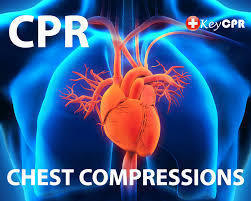
- A30:2
- B15:2
- C30:4
- D15:6
3If you are giving an infant compressions by yourself, complete 30 compressions, two breaths. If you have a responder with you, complete 15 compressions and 4 breaths.
- ATrue
- BFalse
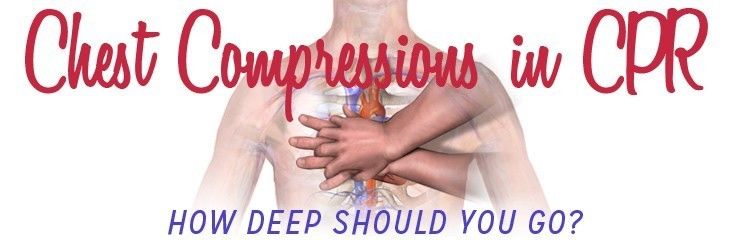
4Adults need an average compression depth of 2.4 - 2 inches.
- ATrue
- BFalse
5Children need an average compression depth of 1/2.

- ATrue
- BFalse
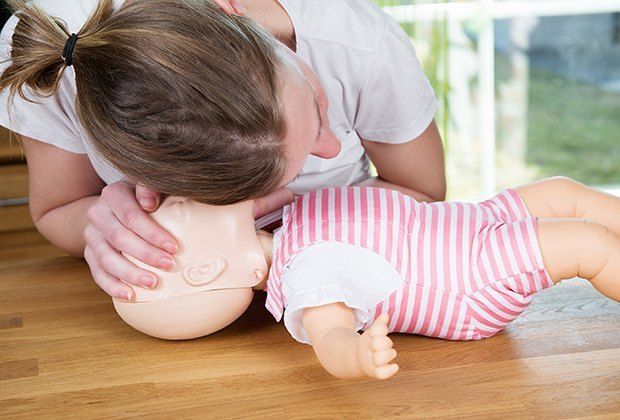
6Infants need an average compression rate of 1/2 inches.
- ATrue
- BFalse
7How many rounds of CPR should you deliver per round?
- A5 rounds, for a average of 2 minutes
- B3 rounds, for a average of 6 minutes
- C4 rounds, for a average of 3 minutes
- D2 rounds, for a average of 5 minutes
8Do children typically suffer from cardiac arrest? True or false? Question why or why not.
- ATrue
- BFalse
9What does CPR stand for?
- ACirculatory-vascular resuscitation
- BCardiopulmonary resuscitation
- CRespiratory resuscitation
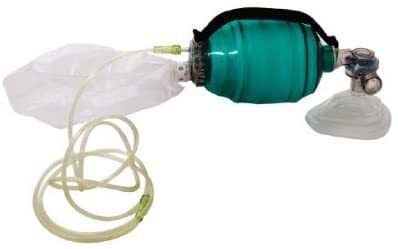
10Does BVM stand for "Bag Valve Mask"?
- ATrue
- BFalse
11What should you bring on a CPR call? Check all possible answers.
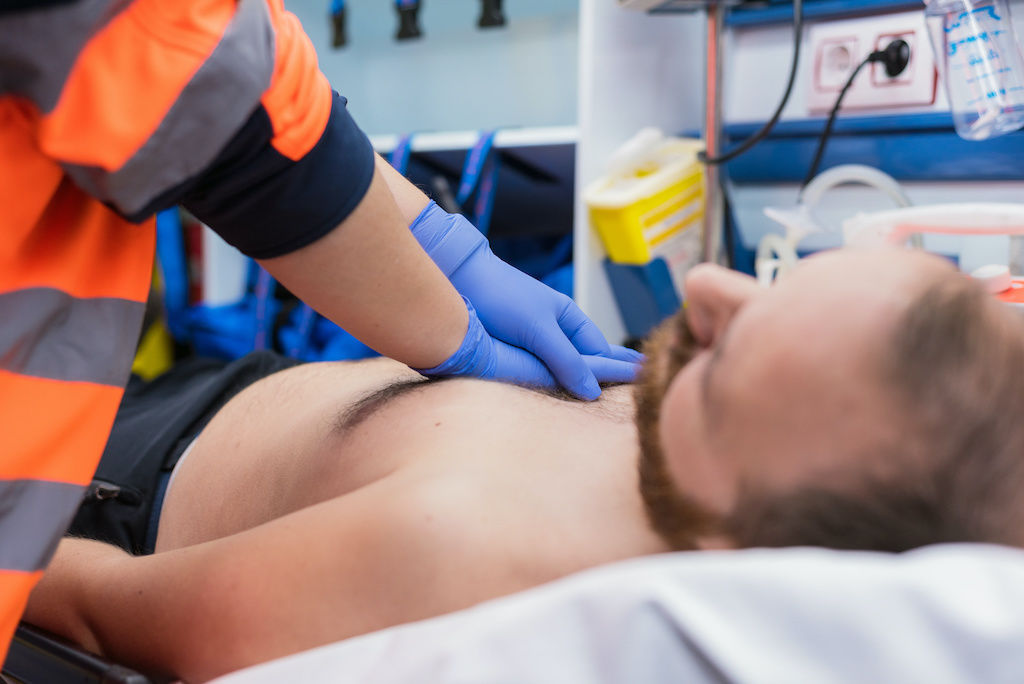
- ASuction
- BBVM
- CCPR board
- DOxygen
- EAED
12What must you shout the second you get on scene?
- APPE, BSI
- BBVI, PPE
- CPPE
- DBSI
13Does BSI stand for, "Body substance isolation"?

- ATrue
- BFalse
14Does PPE stand for, "Personal protective equipment"?
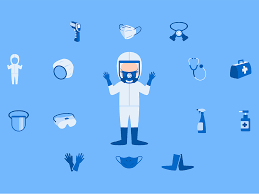
- ATrue
- BFalse
15When using a BVM, what clamp and trick should you do?
- AHead tilt, chin lift
- BEC Clamp
- CHead tilt, chin lift & EC clamp
- DOnly EC clamp
16What does AED stand for?
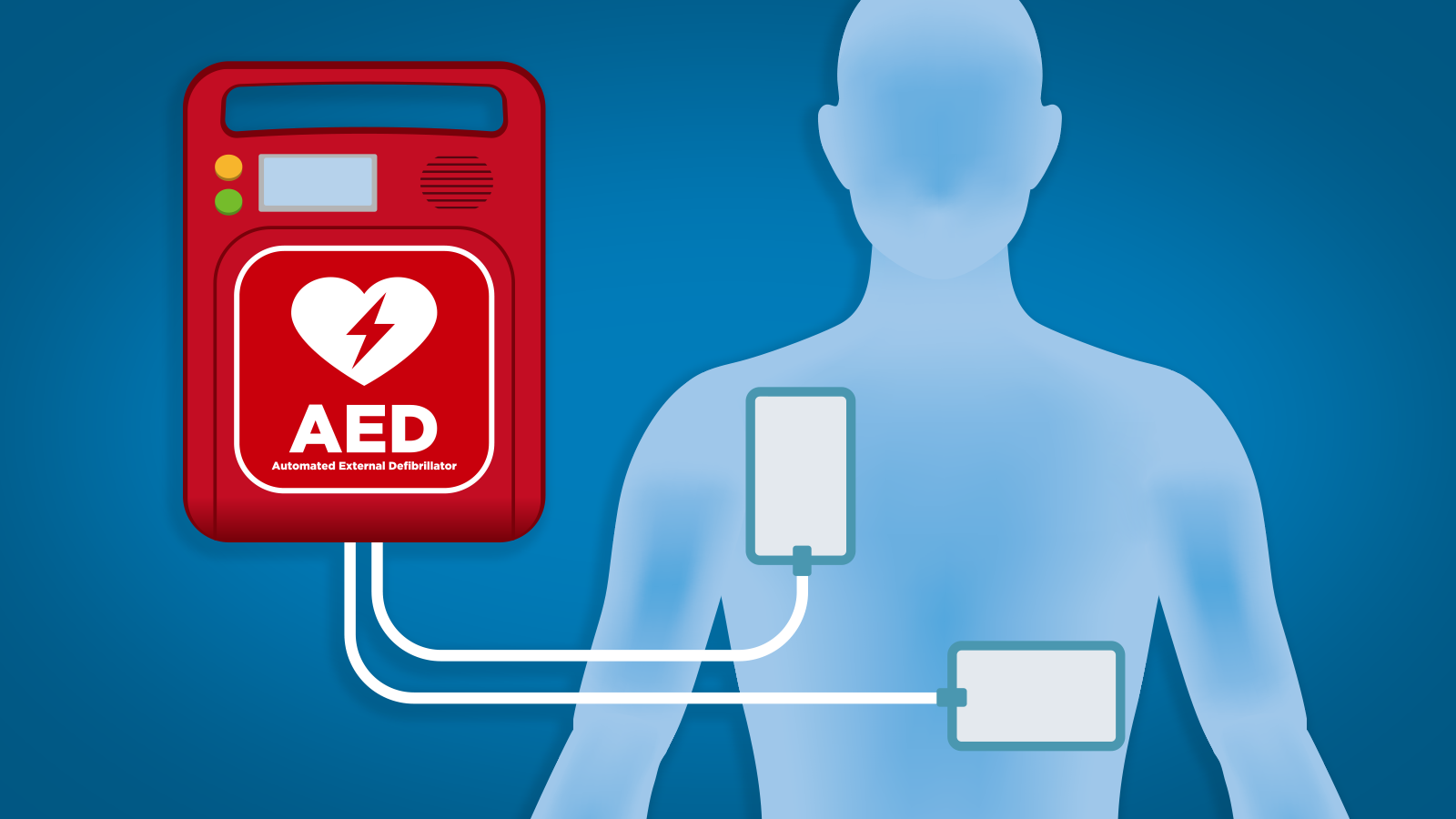
- AAutomatic electric defibrillator
- BAutomatic external defibrillator
- CAutomated electric defibrillator
- DAutomated external defibrillator
17Do AED's treat arrhythmias?
- ATrue
- BFalse
18What are the two shockable rhythms?
- AVentricular fibrillation, pulseless electrical activity
- BVentricular fibrillation, ventricular tachycardia
- CVentricular tachycardia, asystole
19What are the two nonshockable rhythms?
- AVentricular tachycardia, ventricular fibrillation
- BVentricular fibrillation, pulseless electrical activity
- CAsystole, pulseless electrical activity
20What does ventricular fibrillation and ventricular tachycardia mean?
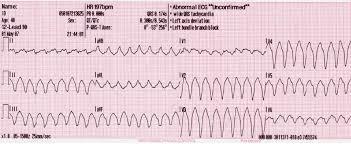
- AV. Fibrillation: Too rapid, V. Tachycardia: Too irregular
- BV. Fibrillation: Too irregular, V. Tachycardia: Too rapid
21What is a asystole?
- AA shockable rhythm
- BA nonshockable rhythm
- CMedical flatline, the patient is dead
22What is a pulseless electrical activity?
- AThe machine has flatlined, but the person is alive.
- BThe machine has a rhythm, but the person has no pulse.
23What are the beginning steps to a CPR call?
- A1. Bring a BVM, suction, CPR board, oxygen
2. Once on scene, announce you have BSI and PPE
3. Begin to see if the patient is okay - B1. Bring a BVM, suction, CPR board, oxygen
2. Begin to see if the patient is okay
3. Check scene safety - C1. Bring a BVM, suction, CPR board, oxygen
2. Announce you have BSI and PPE
3. Check Scene safety
- A1. Bring a BVM, suction, CPR board, oxygen
24After checking scene safety, what occurs?
- A1. You tell your partner to get a AED and call ALS
2. Assess in the mean time
3. Shout, "are you okay?" & hit/tap their shoulders
3. Look, hear, feel: Look for a chest rise, hear for irregular breathing, and feel their carotid pulse - B1. Assess in the mean time
2. You tell your partner to get a AED and call ALS
3. Look, hear, feel: Look for a chest rise, hear for irregular breathing, and feel their carotid pulse
4. Shout, "are you okay?" & hit/tap their shoulders - C1. Leave the patient, get a AED, call ALS
2. Come back, check scene safety
2. Look, hear, feel: Look for a chest rise, hear for irregular breathing, and feel their carotid pulse
- A1. You tell your partner to get a AED and call ALS
25What pulse should you check on an adult, child, and infant?
- AAdult: Femoral
Child: Carotid
Infant: Brachial - BAdult: Carotid
Child: Femoral
Infant: Brachial - CAdult: Femoral
Child: Brachial
Infant: Brachial as well - DAdult: Carotid
Child: Brachial
Infant: Femoral
- AAdult: Femoral
26What are the full steps for a CPR call? Check all that apply. Read the answers carefully.
- ABring a BVM, CPR board, suction, oxygen,
- BHave your partner fetch the AED, while you begin assessing the patient
- CAnnounce you have BSI & PPE
- DCheck scene safety, clear the scene if anything
- ECall out to the patient, tap their shoulders or tickle their feet depending on their age
- FLook, listen, and feel
- GOpen the AED and follow the steps, continue compressions till the AED administers a shock
- HBegin compressions till partner arrives with the AED
- IRepeat the steps until ALS arrives
27How many breaths do you deliver per second? (Infants and children)
- A1 breath per 5-6 seconds
- B1 breath per 3-5 seconds
- C1 breath per 3 seconds
- D1 breath per 3-6 seconds
28What does the perfusion triangle revolve around? Check all that apply.
- ABlood, lungs, heart
- BBlood vessels, lungs, heart
- CBlood, blood vessels, heart
- DLungs, blood, heart
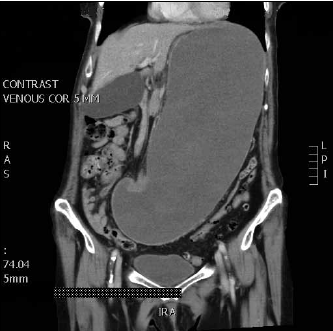
29What occurs if you administer too deep of breath's ?
- ANothing
- BGastric distension
- CThe patient grows ill
- DParamedics take over
- EGastric distention; and the patient won't recover
30Interruptions to CPR should be no more than 4-10 seconds.
- ATrue
- BFalse
31How do you relieve choking in an infant? Check all possible responses.
- A5 back slaps
- BCPR,
- C5 back slaps, 5 chest thrusts
- DBlind finger sweep, CPR
32How do you know when your breaths are effective?
The patient's chest begins to rise.- ATrue
- BFalse
33Where should the hands be placed during CPR?
- ABy the sternum
- BCenter of the chest, starfish position, middle finger should be by the nipple
- CBy the sternum, starfish position
Information
- Description
- NREMT Quiz on CPR, created by Precious Perez on 24/02/2021.
- Author
- Precious Perez
- Language
- English
- Views
- 5
- History
- Created on 24 Feb 2021 · updated on 24 Feb 2021
- Tags
- Rating
- No ratings yet Rate this quiz