
Quiz
computational thinking
Create a free account to finish this quiz
Save your progress and see your final score.
Already have an account? Sign in
Questions in this quiz (11)
1Decoposition
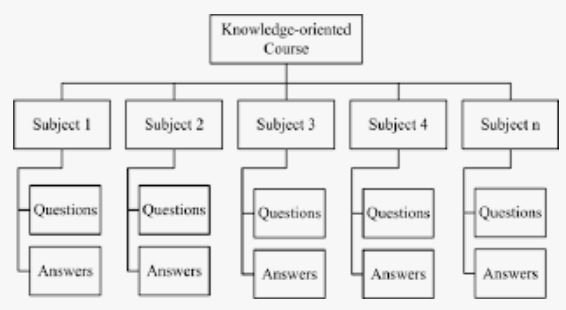
- ABreaking a problem down into smaller, easier to solve parts
- BRemoving unnecessary parts of a problem
- CIdentifying repeated operations within a problem and sloving them separately
- DA list of step-by-step instructions to solve a problem
2Abstraction
- ABreaking a problem down into smaller, easier to solve parts
- BRemoving unnecessary parts of a problem
- Cidentifying repeated operations within a problem and sloving them separately
- DA list of step-by-step instructions to solve a problem
3pattern recognition
- AA list of step-by-step instructions to solve a problem
- BRemoving unnecessary parts of a problem
- CIdentifying repeated operations within a problem and soving them separately
- DBreaking a problem down into smaller, easier to solve parts
4algorithm
- ABreaking a problem down into smaller, easier to solve parts
- BIdentifying repeated operations within a problem and solving them separately
- CA list of step-by-step instructions to solve a problem
- DRemoving unnecessary parts of a problem
5what picture is this

- Achoice
- Bterminator
- Cprocess
6what picture is this?

- Achoice
- Bprocess
- Cterminator
7what picture is this?

- Aprocess
- Bterminator
- Cchoice
8why do we use decomposition
- Athe problem can be more easily turned into a computer program
- BSolutions can be found more quickly with multiple parts being solved at the same time
- CEach resulting problem is easy to solve, and combines to solve the more complex problem
- DSolving a repeating problem once saves time, as there is no need to re-create the same solution
- EIt ensures only the necessary problem is solved and nothing else
- FComputers can find solutions to problems that humans may not be able to solve
9why do we use abstraction?
- AThe problem can be more easily turned into a computer program
- B.
Solutions can be found more quickly with multiple parts being solved at the same time - CEach resulting problem is easy to solve, and combines to solve the more complex problem
- DSolving a repeating problem once saves time, as there is no need to re-create the same solution
- EIt ensures only the necessary problem is solved and nothing else
- FComputers can find solutions to problems that humans may not be able to solve
10why do we identify pattern?
- AIt ensures only the necessary problem is solved and nothing else
- BSolutions can be found more quickly with multiple parts being solved at the same time
- CEach resulting problem is easy to solve, and combines to solve the more complex problem
- DSolving a repeating problem once saves time, as there is no need to re-create the same solution
- EComputers can find solutions to problems that humans may not be able to solve
- FThe problem can be more easily turned into a computer program
11why do we use algorithms?
- ASolutions can be found more quickly with multiple parts being solved at the same time
- Bb.
Computers can find solutions to problems that humans may not be able to solve - CIt ensures only the necessary problem is solved and nothing else
- DEach resulting problem is easy to solve, and combines to solve the more complex problem
- EThe problem can be more easily turned into a computer program
- FSolving a repeating problem once saves time, as there is no need to re-create the same solution
- GProvides a formal solution to be followed
Information
- Description
- Quiz on computational thinking, created by Arabella Grint on 07/02/2022.
- Author
- Arabella Grint
- Language
- English
- Views
- 1
- Tags
- Rating
- No ratings yet Rate this quiz