
Quiz
Can you identify venomous snakes of the USA?
Questions in this quiz (26)
1This Venomous Snakes of the USA quiz is inspired by the hard working volunteers on the following Facebook wild snake groups. Be sure to check them out!
Snake Education & Discussion: https://www.facebook.com/groups/snakeED/
Snake ID: https://tinyurl.com/SnakeIdentification (Free, expert IDs 24-7)
Also, when you are finished with the quiz, you can find out more about each question by clicking on the Explanations links.
Now, are you ready to see some snakes?- AYes!
- BMaybe?
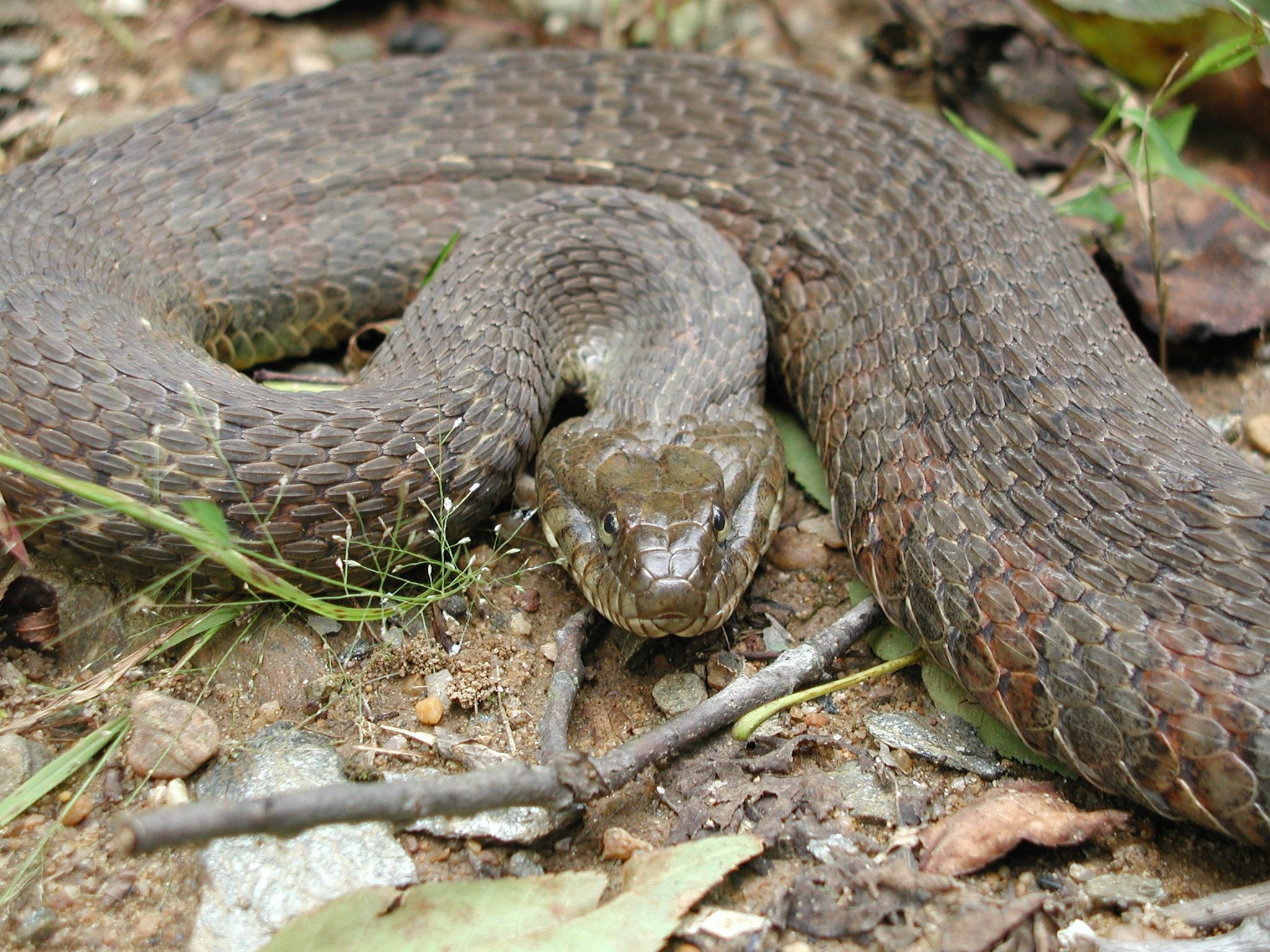
2Am I venomous?
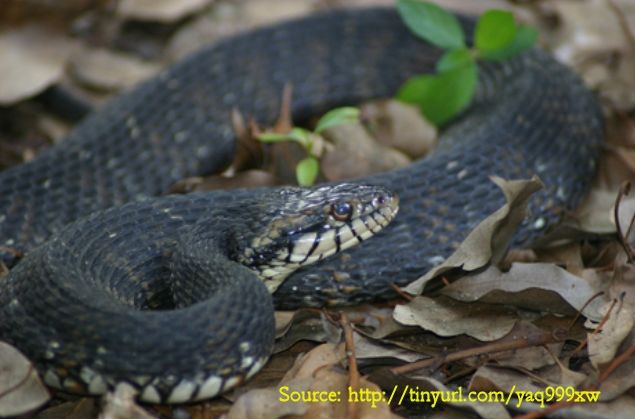
- AThis is a harmless Watersnake (non-venomous)
- BThis is a venomous Water Moccasin
- CThis is a venomous Copperhead
- DThis is a Coral Rattler Moccamouth (Knows hypnosis. Never look directly into its eyes!)
3What evidence is *NOT* helpful in determining if this is a Cottonmouth?
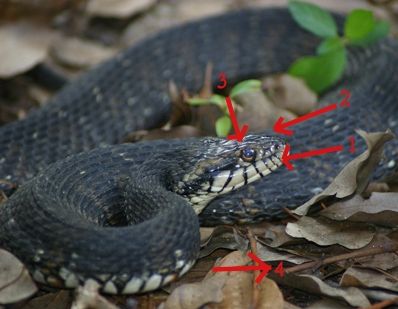
- AIt has vertical stripes (1)
- BIt doesn't have a "zorro" mask (2)
- CIt did not have an "eyebrow" ridge/scale/shelf (3)
- DIt was on leaves, not in a lake or stream
4Which of these two snakes is a Pit Viper?
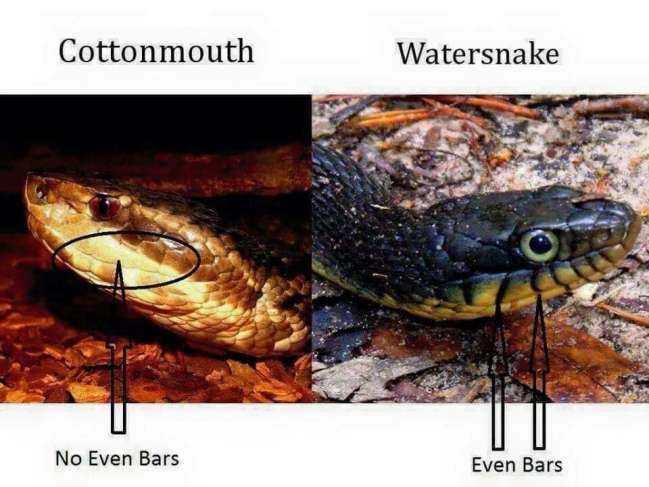
- AThe Water Moccasin (also known as a Cottonmouth)
- BThe Watersnake
- CNeither are pit vipers
- DBoth are pit vipers
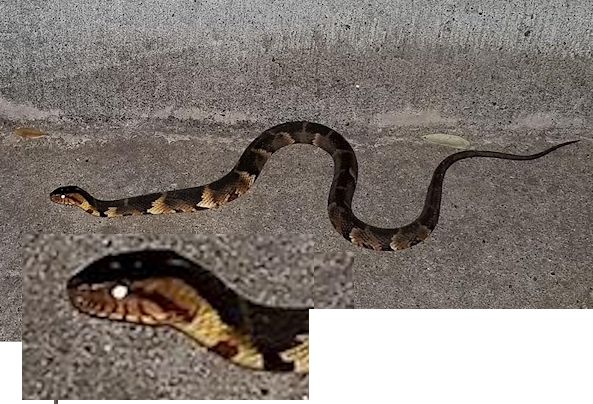
5Which of these snakes is a Water Moccasin?
- A
- B
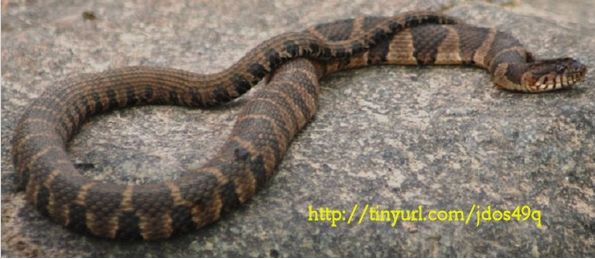
- C
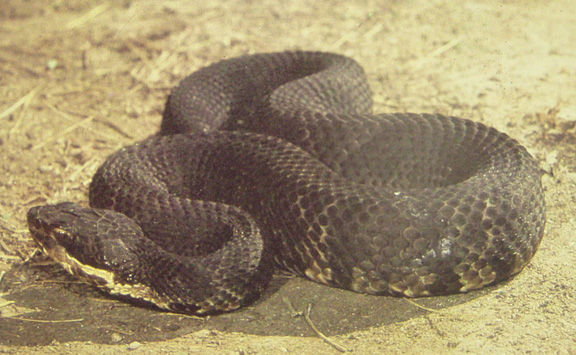
- D
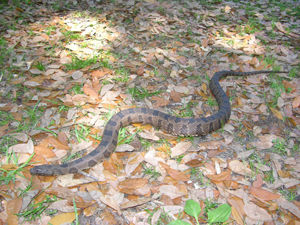
- E
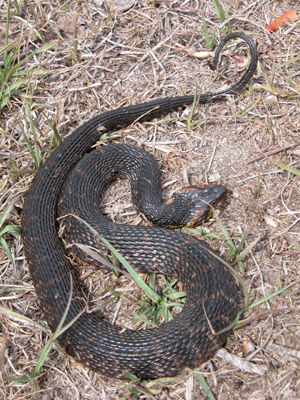
- FNone of the above
- A
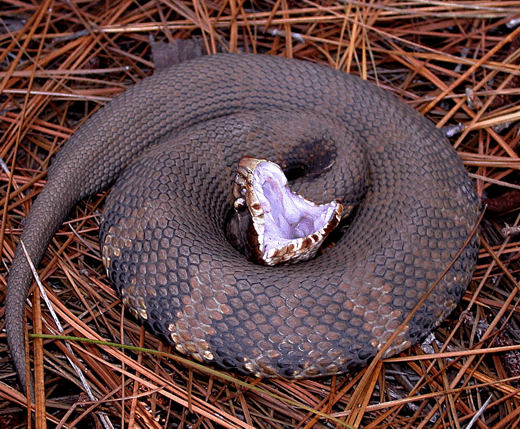
6Click on all the snakes that are *NOT* Venomous
- A
- B
- C
- D
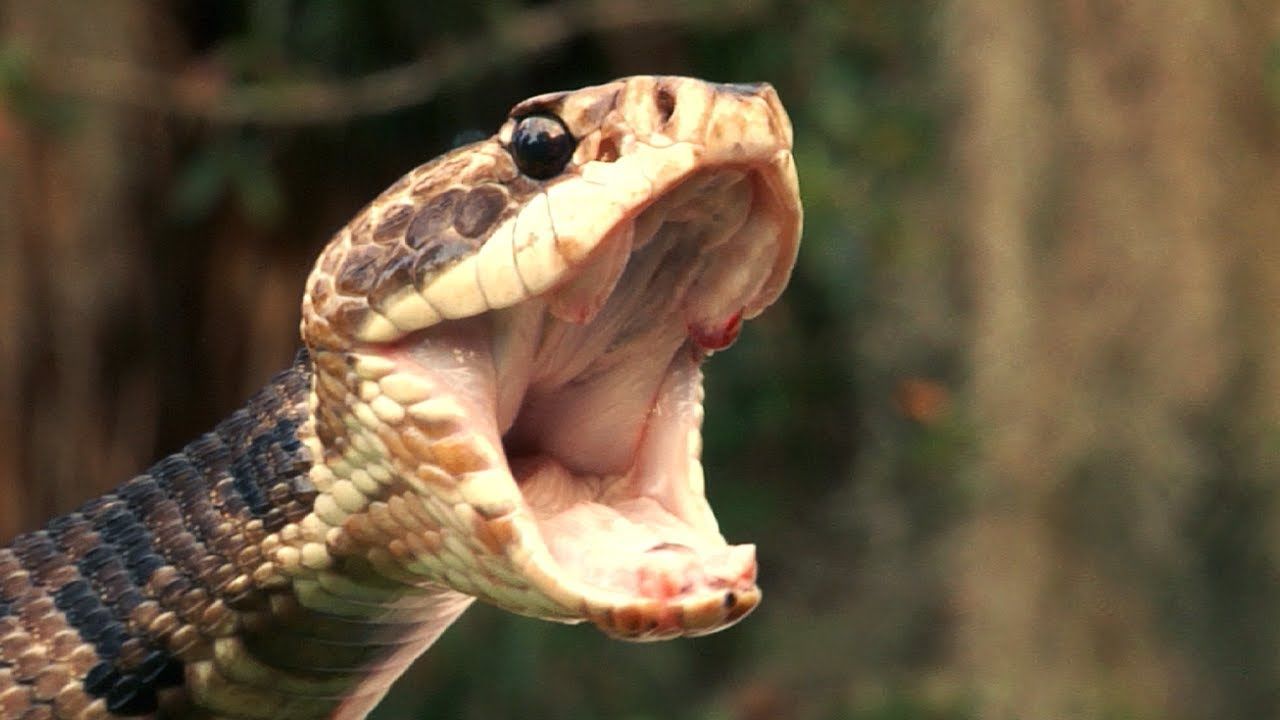
- E
- F
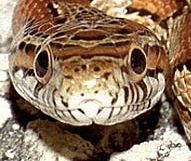
- GNone of the above
- A
7How many snakes are in this picture pose a venomous threat to humans
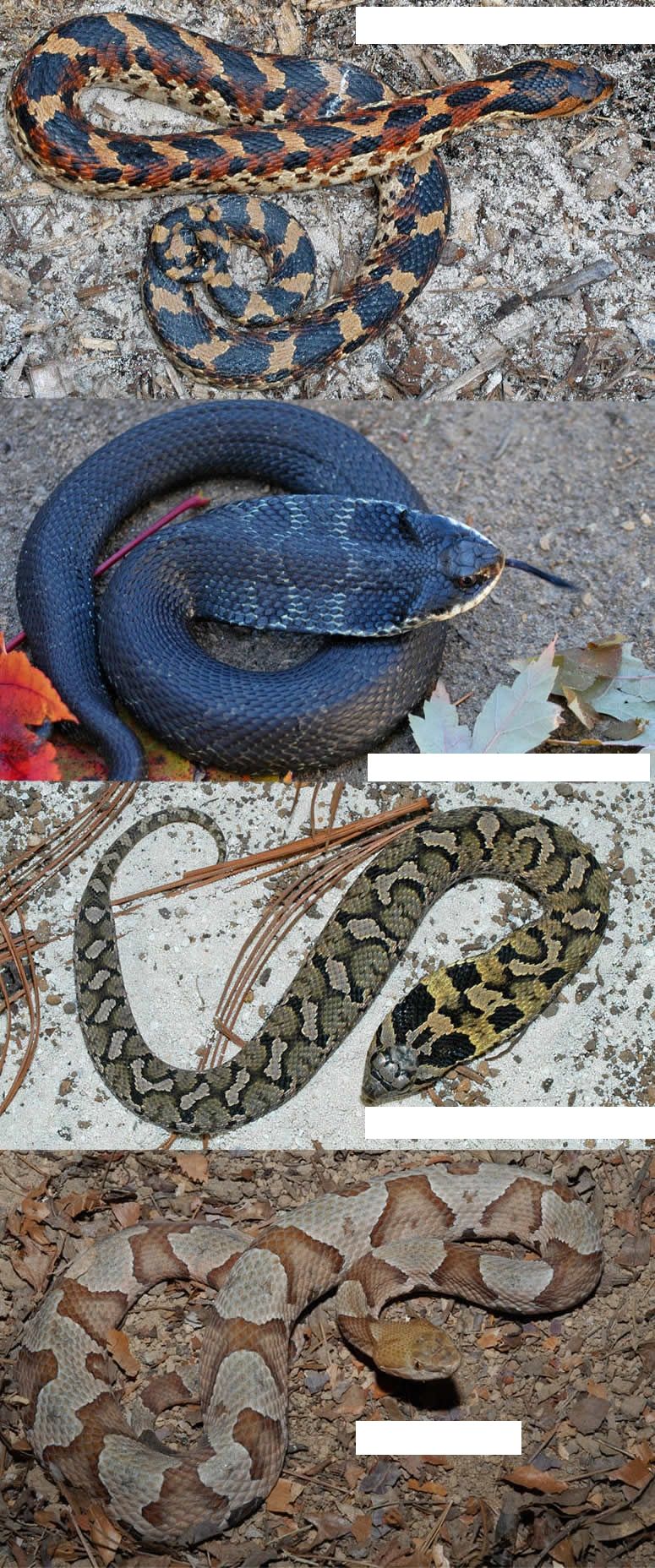
- A0
- B1
- C2
- D3
- E4
8The red part of which picture best describes the range of all US species of Cottonmouth?
- A
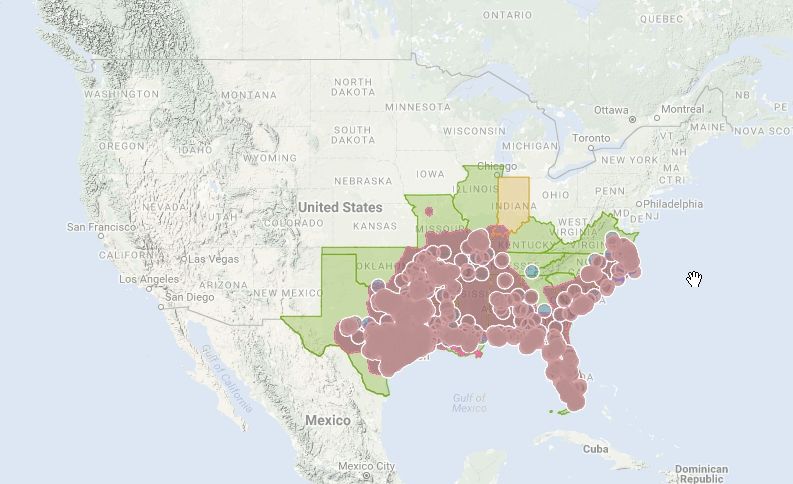
- B
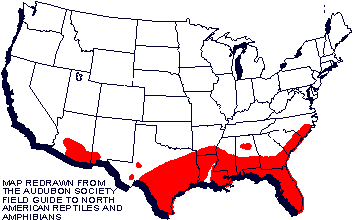
- C
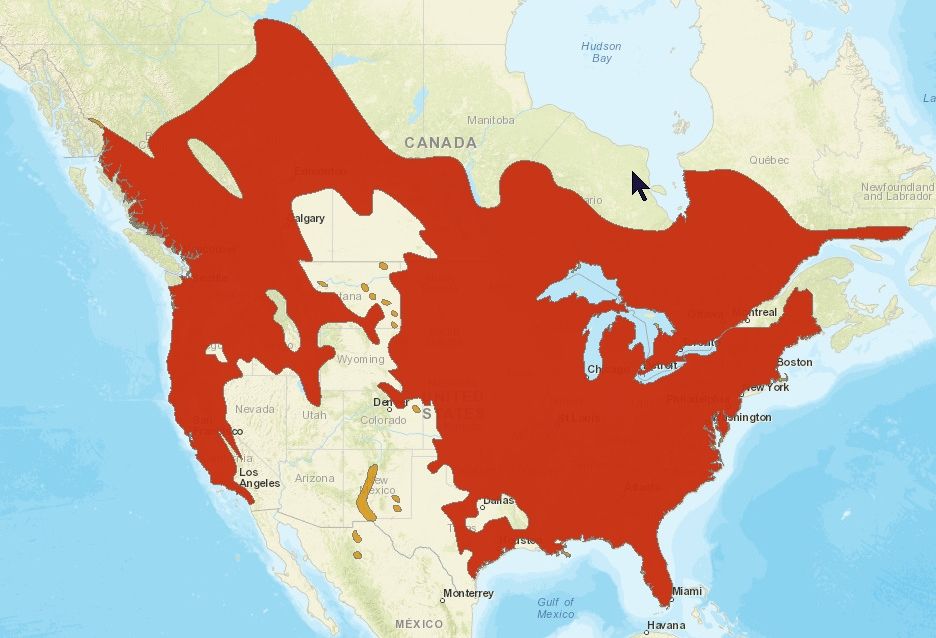
- D
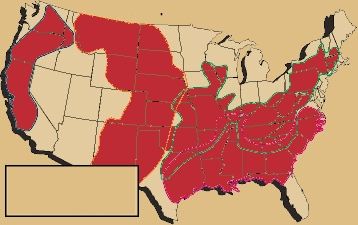
- A
9In the US, Venomous snakes always swim on top of the water, and non-venomous snakes tend to swim under the water.
- ATrue
- BFalse
10Which snake is a Copperhead?
- A
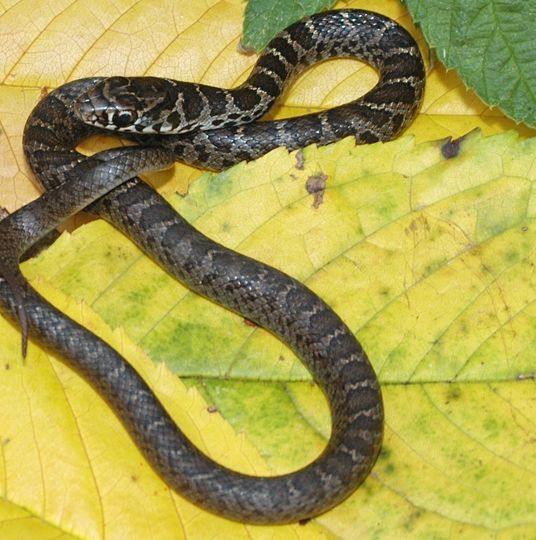
- B
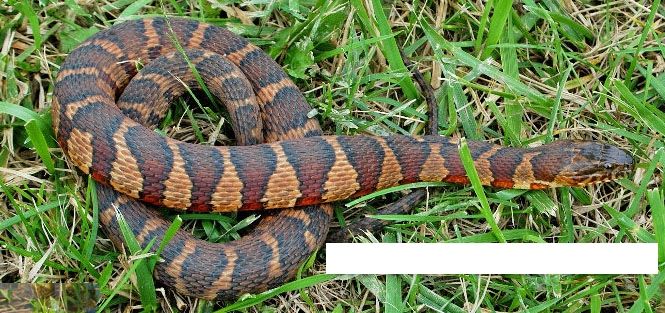
- C
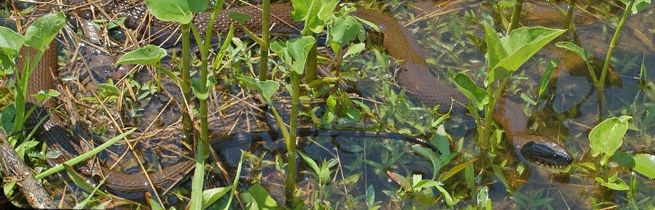
- D
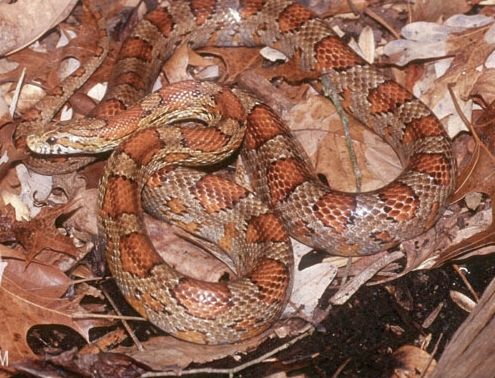
- E
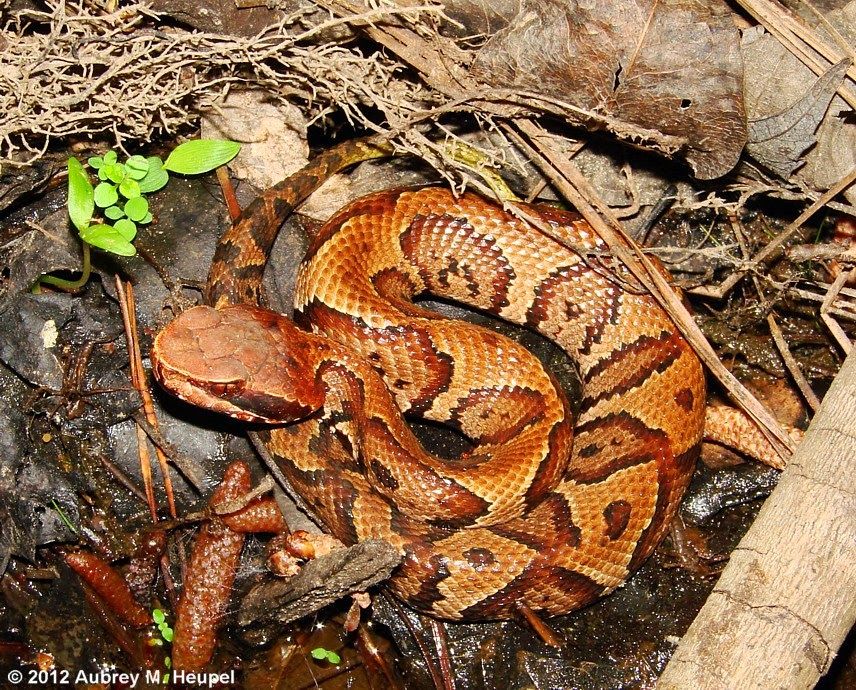
- FNone of the above
- A
11Which snakes are Copperheads (select all)?
- A
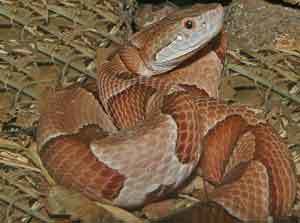
- B
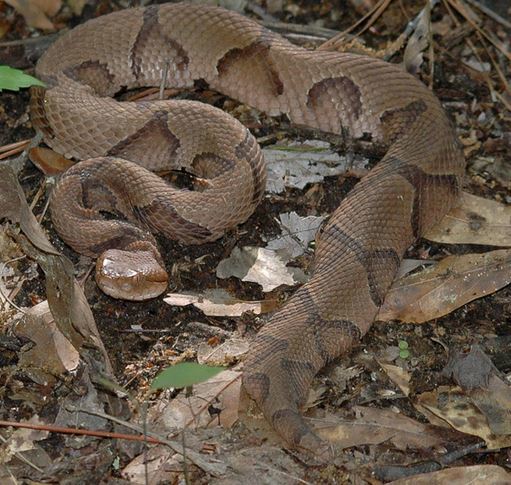
- C
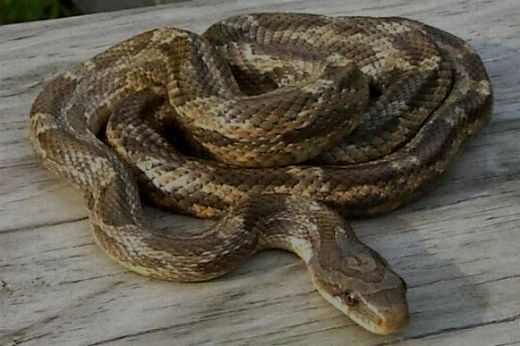
- D
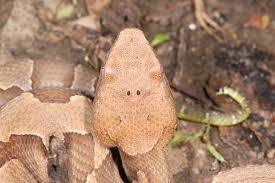
- E
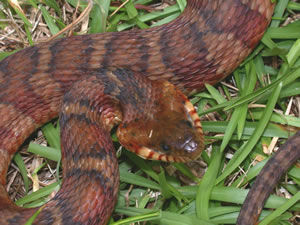
- A
12Which of the following will actually chase you and/or may whip you?
- ACottonmouth
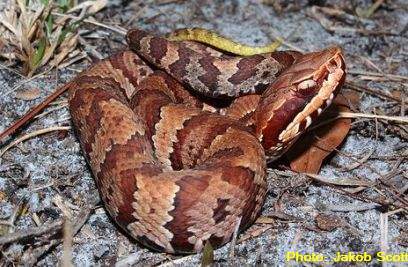
- BRat Snake
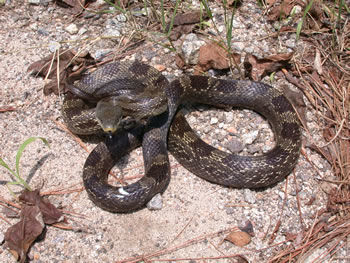
- CCoachwhip
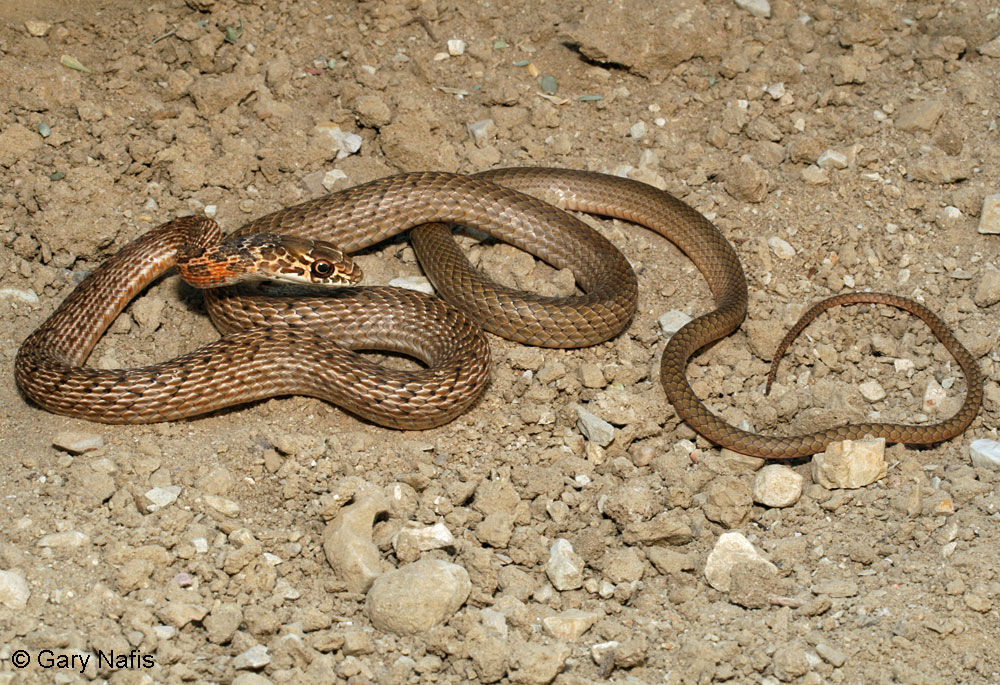
- DRattlesnake
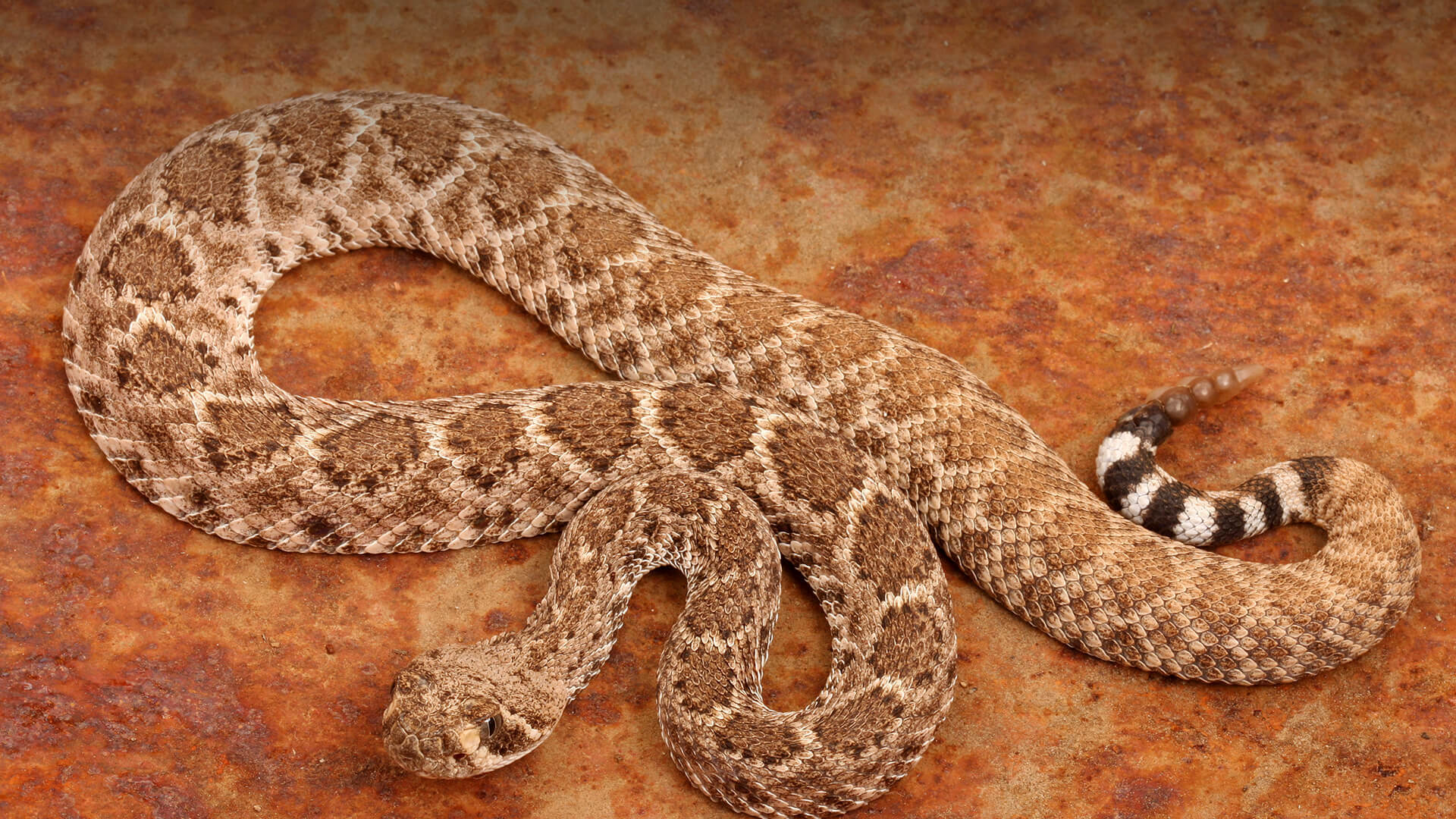
- EEl "Zorro!"

- ACottonmouth
13Which ONE of these is NOT a Coral snake that was found in the USA? Hint: it is the non-venomous Shovel-Nosed snake.
- A
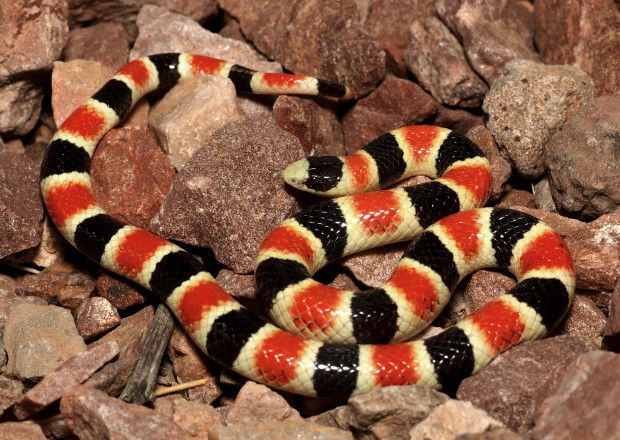
- B
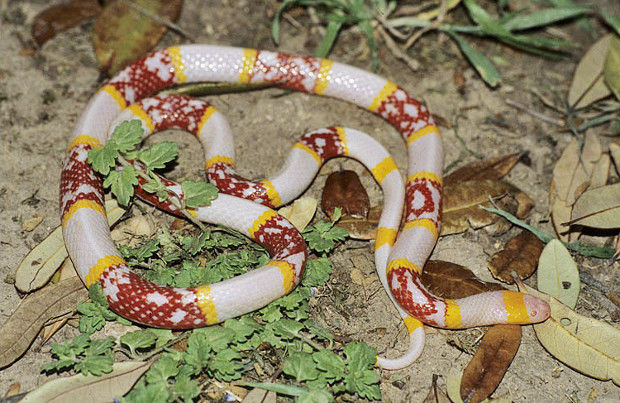
- C
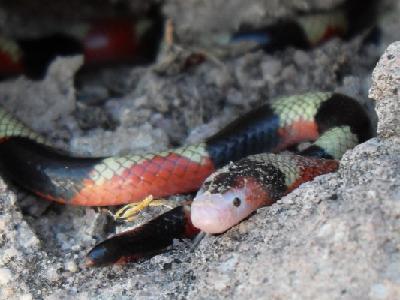
- D
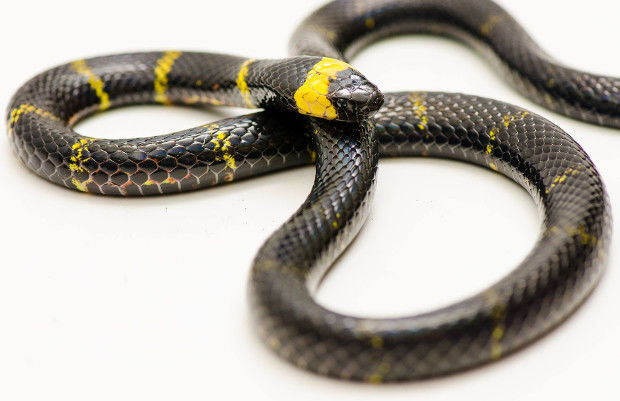
- A
14Which one of these is NOT a Coral Snake that was found in the USA? (Hint: it is a non-venomous Scarlet Kingsnake)
- A
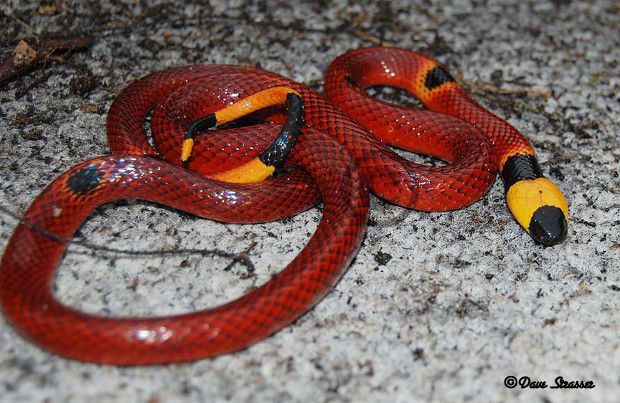
- B
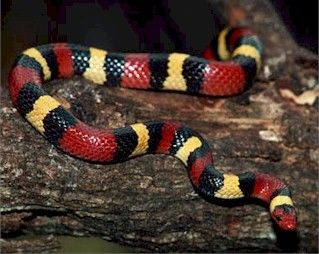
- C
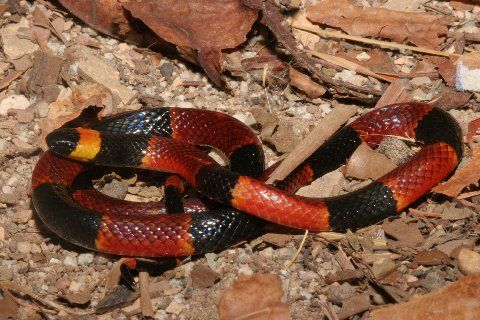
- D
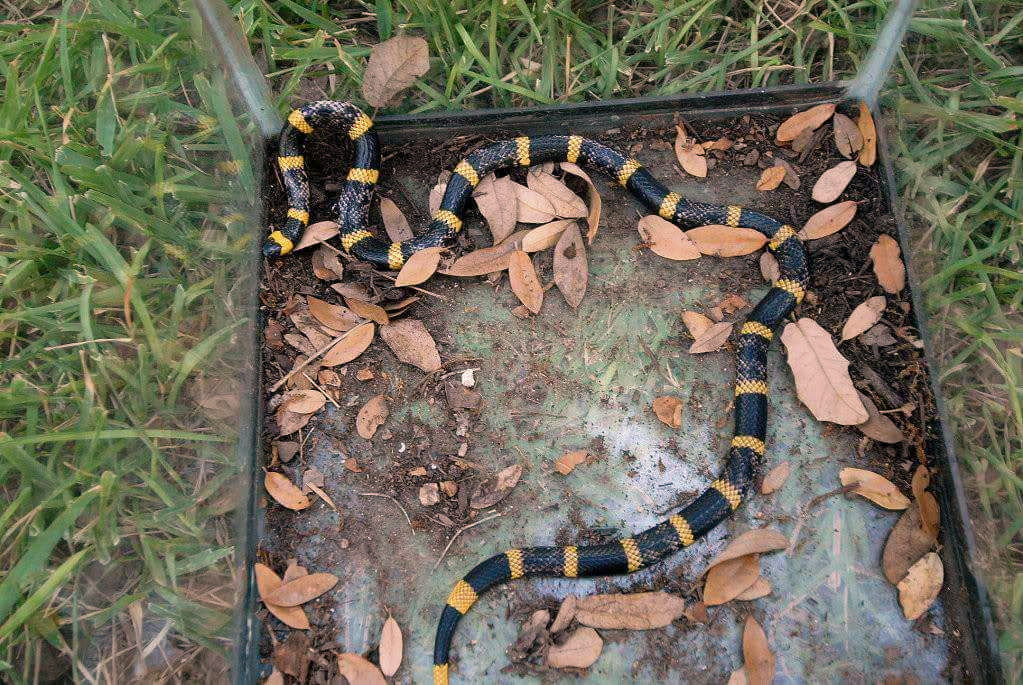
- A
15This picture best describes the range of which snake?
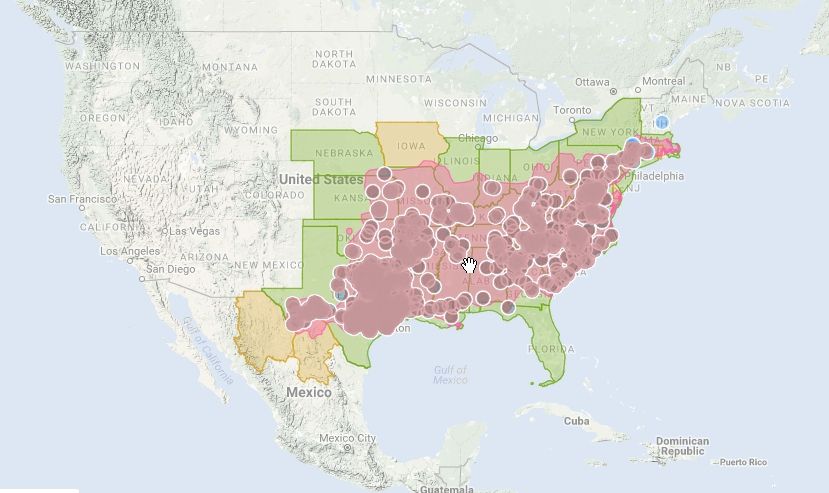
- AAll Coral species in the USA
- BAll Copperhead species in the USA
- CAll Rattlesnake species in the USA
- D6 fanged Water Cottontail Moccamouth Rattler
16Which of these is not a US Coral snake? (Hint: The 3 Coral snakes shown in the answers below display the common patterns of the 3 species of US Coral snakes)
- A
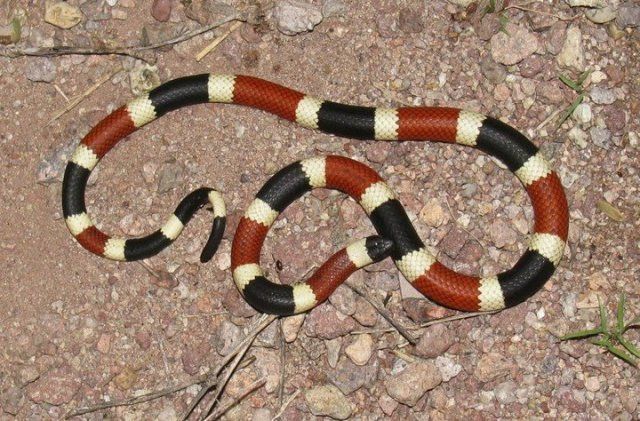
- B
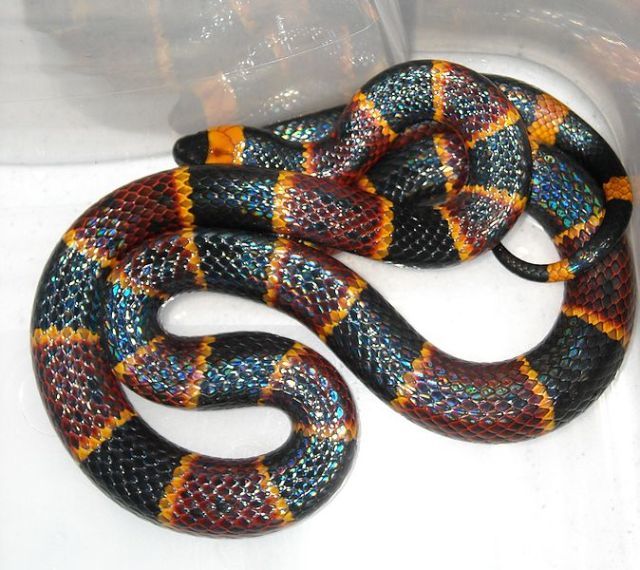
- C
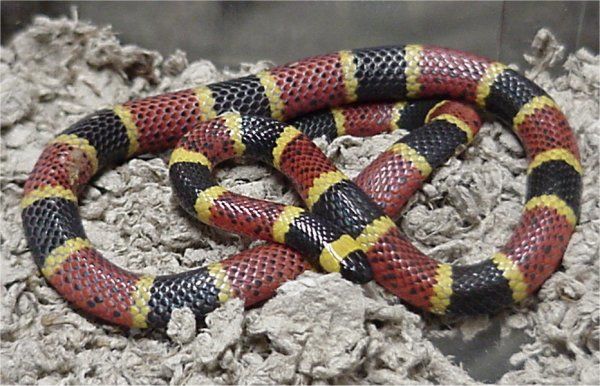
- D
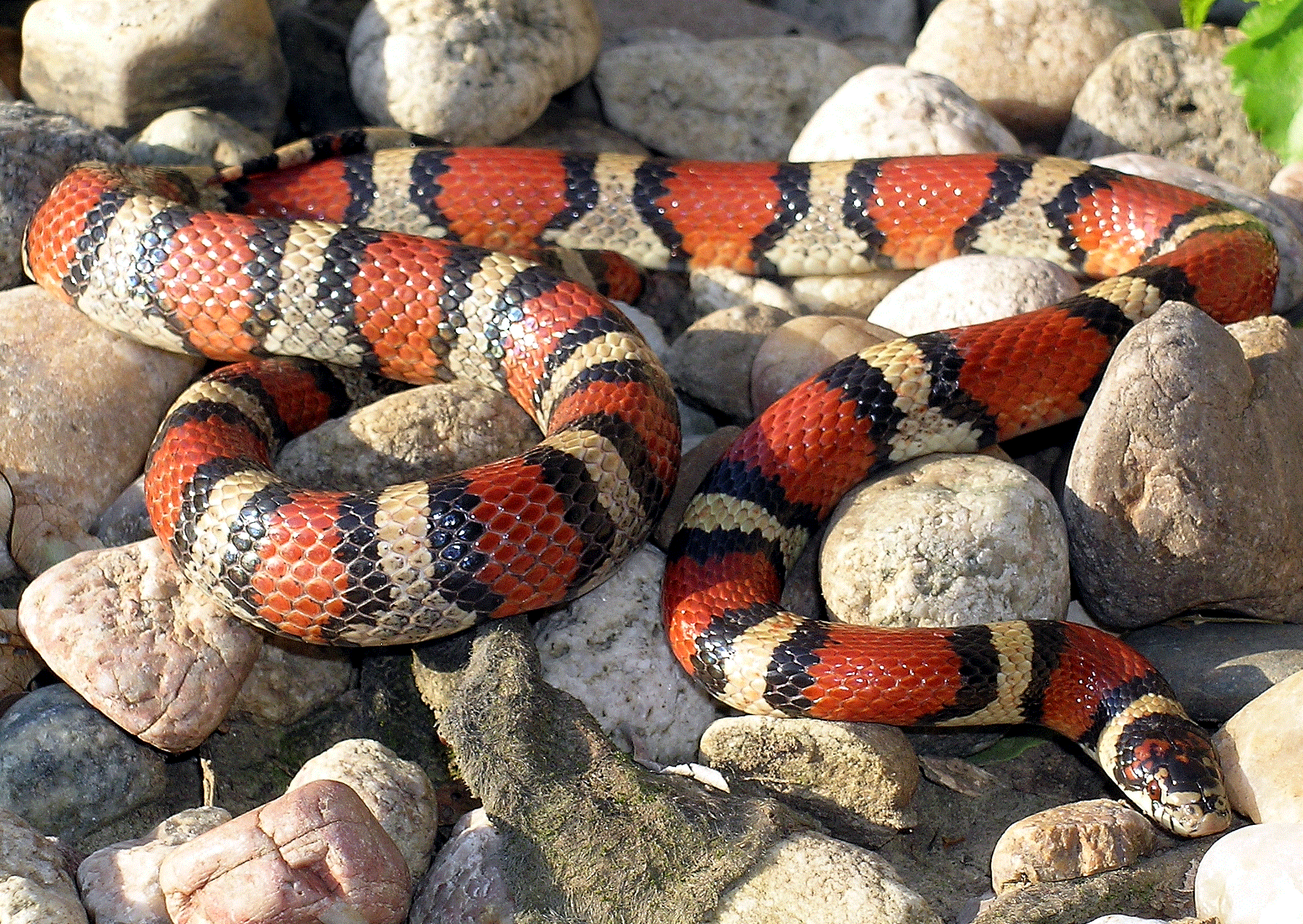
- A
17Which of the following snake types can be found in the USA in the wild? (Choose all)
- ARattlesnake
- BCopperhead
- CCobra
- DCottonmouth
- EPuff Adder
- FMamba
- GKrait
- HTaipan
- ICoral
- JBushmaster
18This picture best describes the range of the which snake?
- AAll Coral Snake species in the USA
- BAll Copperhead species in the USA
- CAll Rattlesnake species in the USA
- DAll Cottonmouth species in the USA
19What should you do if you're bitten by a snake on the arm, and you suspect that it was from a venomous snake?
- ASqueeze the area around the bite, or create a vacuum over the bite, to attempt to expunge any non-absorbed venom from the wound
- BUse a tourniquet to slow the blood flow from the bite area
- CIdentify or capture the snake before seeking treatment. The ER will need to know the species so they can administer the correct anti-venom
- DWait for signs that venom was injected. These signs may include difficulty breathing, vomiting and nausea, blurred vision, sweating and salivating, numbness in the face and limbs. If they occur, then seek medical attention.
- ESeek immediate emergency medical attention.
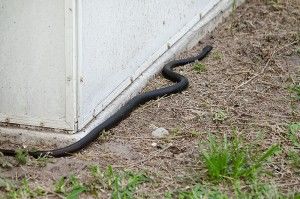
20Which of the following is NOT likely to eat Venomous snakes?
- AIndigo
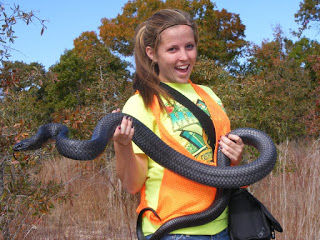
- BCalifornia Kingsnake
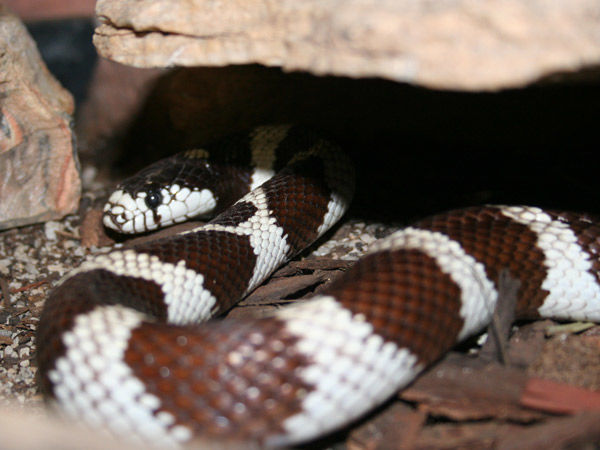
- CEastern Black Kingsnake
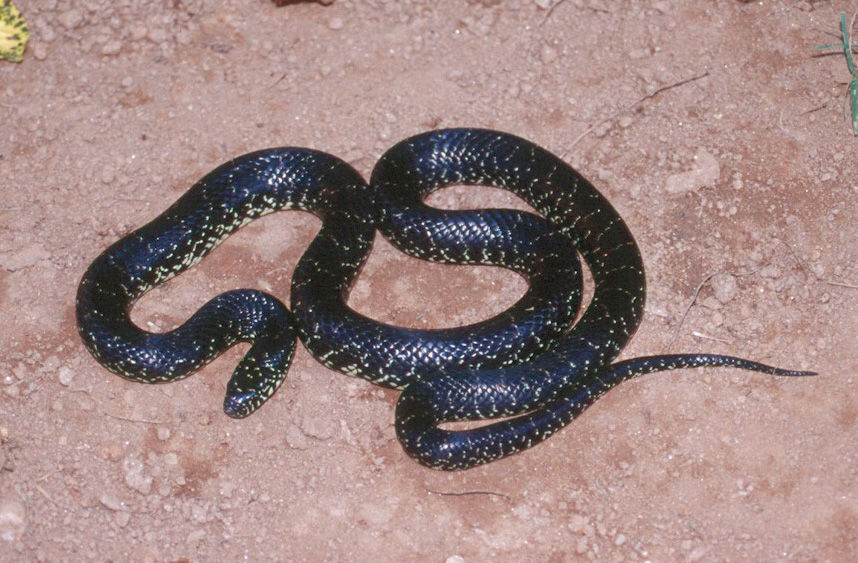
- DCoachwhip
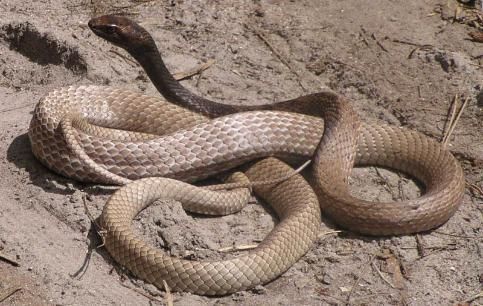
- EMilksnake
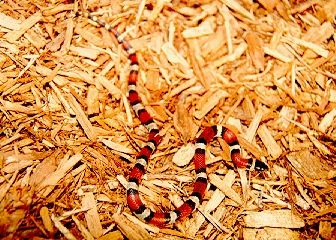
- FCottonmouth
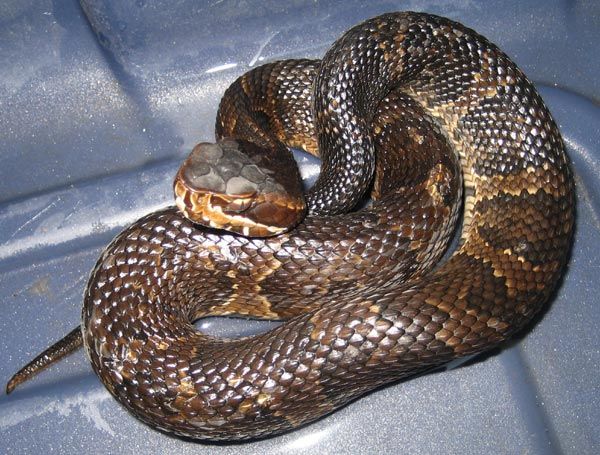
- GRacer
- HScarlet Kingsnake
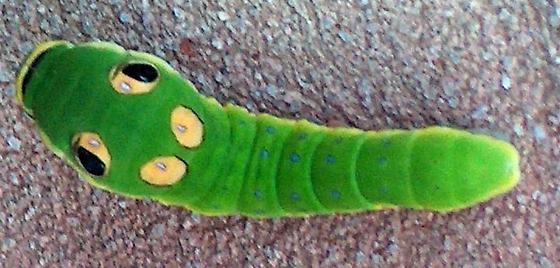
- ISpicebush Swallowtail (check him out at http://w3.marietta.edu/~biol/biomes/spicebush.htm)
- AIndigo
21This picture best describes the range of which snake?
- ACoral Snake
- BRattle Snake
- CCottonmouth
- DCopperhead
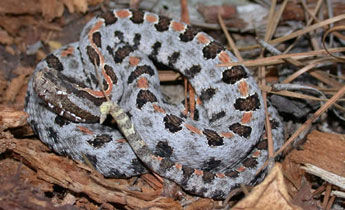
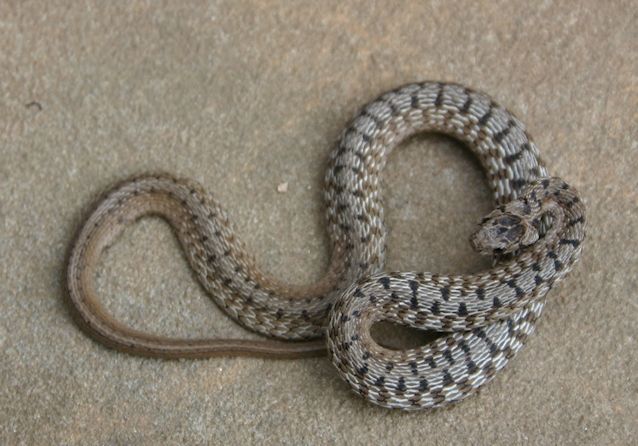
22Which of these small snakes is a Rattlesnake?
- A
- B
- C
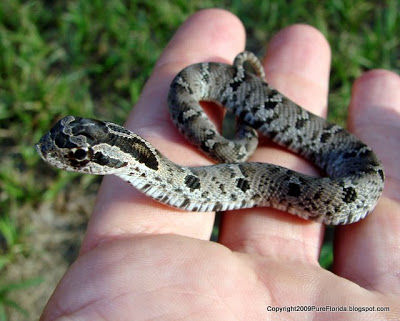
- D
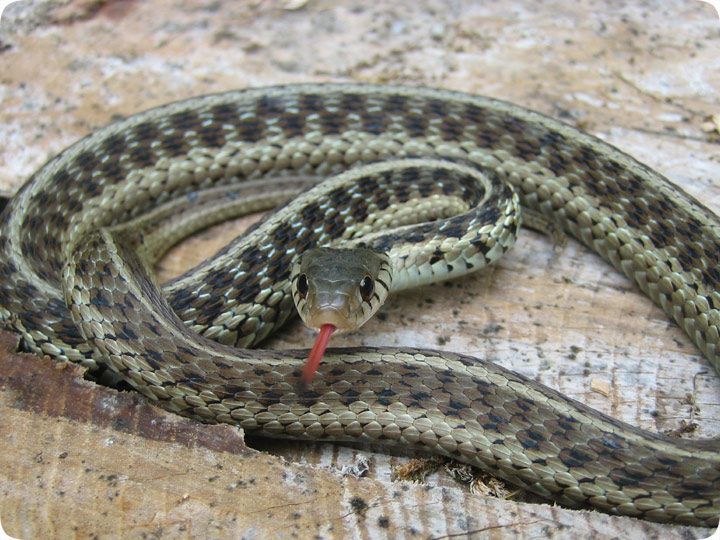
- A
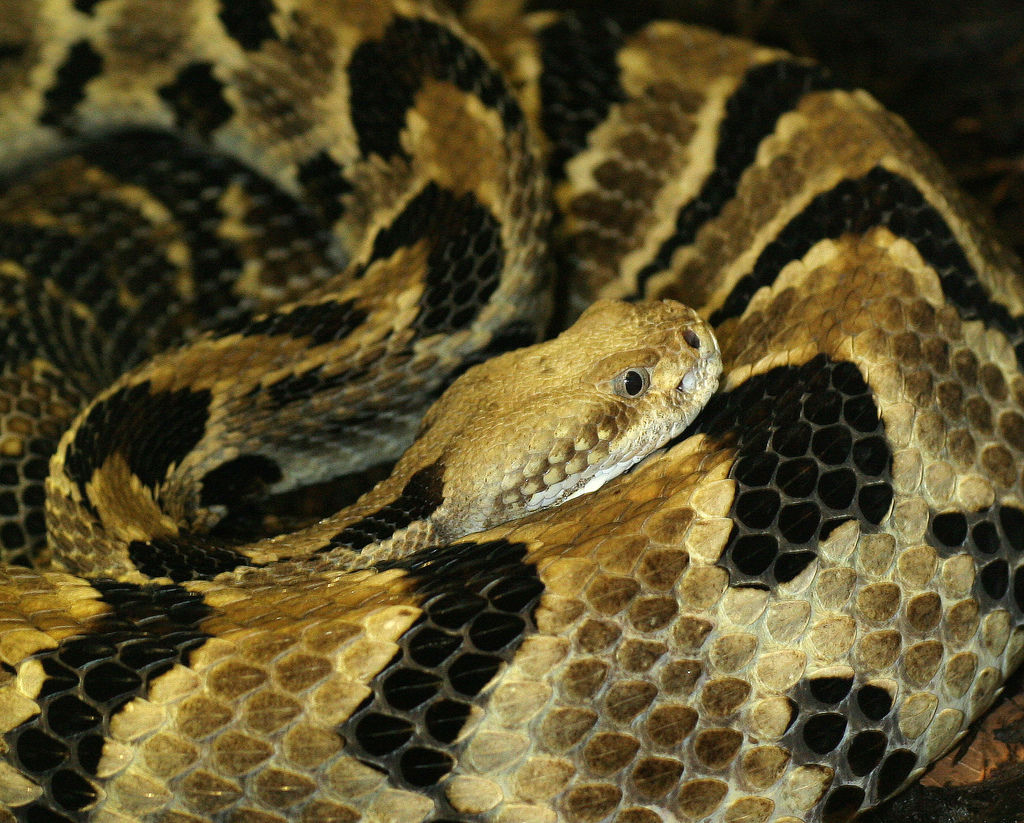
23Which picture contains a venomous snake? (hint: It's a Rattlesnake)
- A
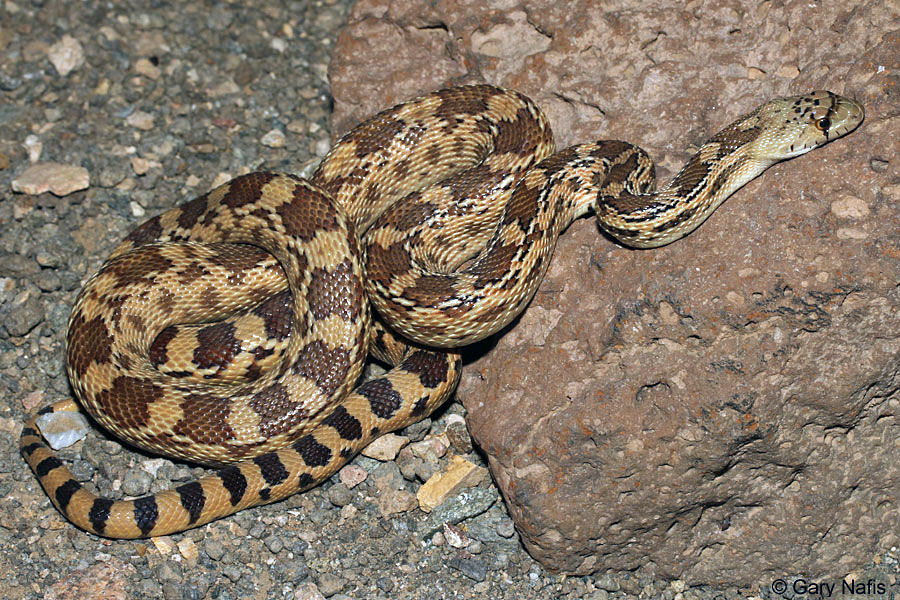
- B
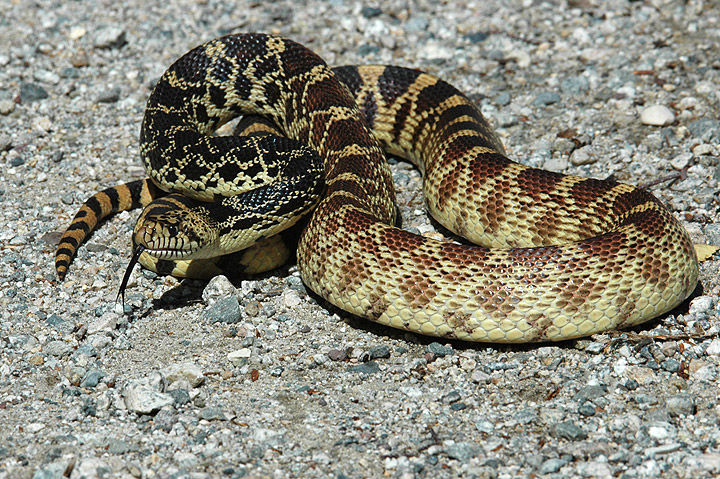
- C
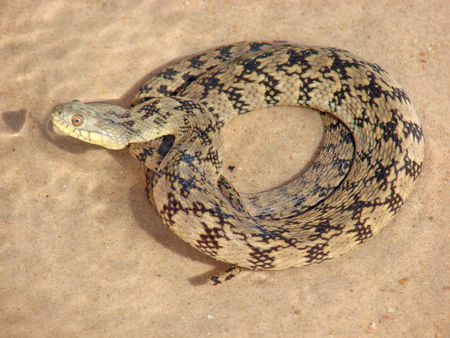
- D
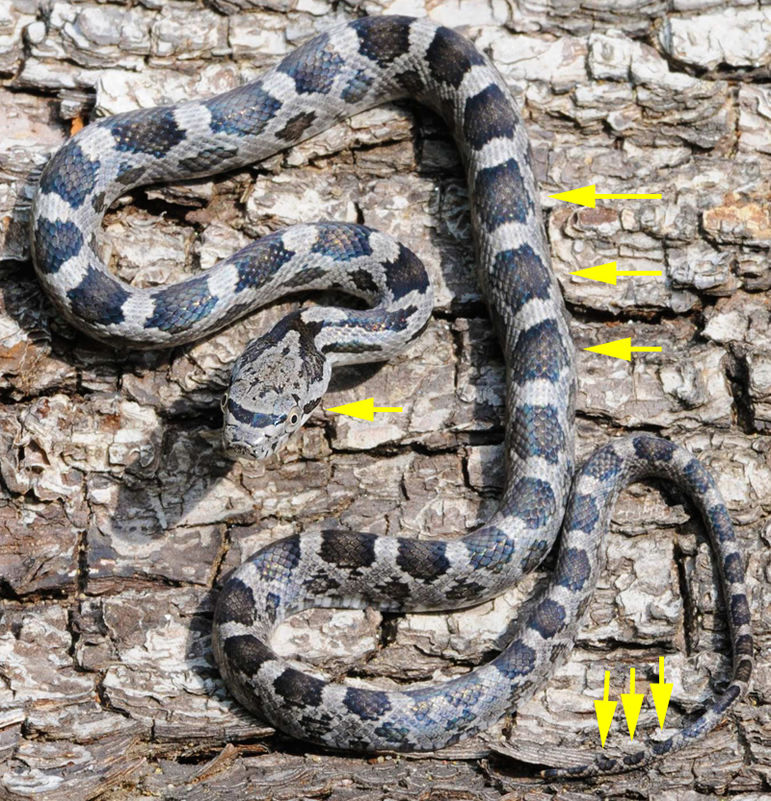
- E
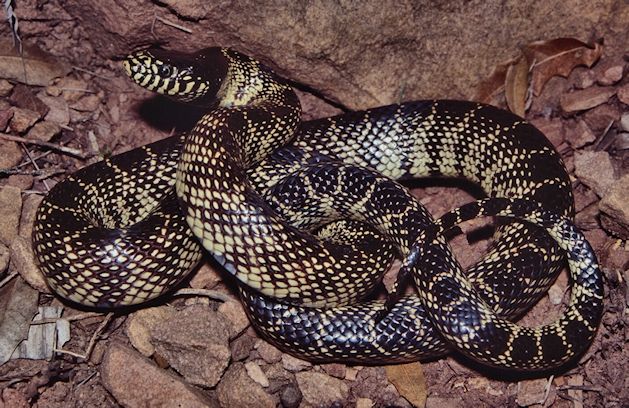
- F
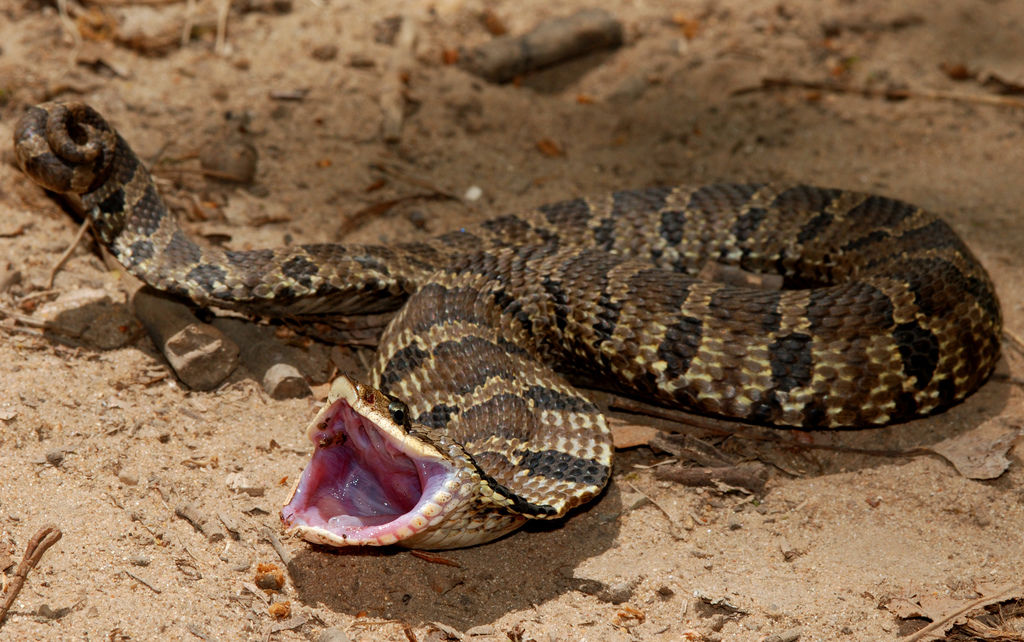
- G
- A
24Which types of snakes kill on average of more than 7 people per year in the United States (select all that apply)?
- ACottonmouth
- BCopperhead
- CRattlesnake
- DCoral Snake
- ENone of the above
25What methods can be effective in discouraging Venomous snakes from visiting your yard? Click all that apply (Hint: there are 5 correct answers)
- AApply snake repellent that contains sulfur to the yard
- BInstall an unfinished/untreated cedar fence with pickets that come within .5 - 1 inches of the ground
- CTrim back brush in your yard, and remove loose materials such as leaves and mulch where possible. Keep grass mowed. Remove wood and rock piles.
- DFill in any holes in your yard that have been created by other types of animals
- EApply snake repellents that contain Naphthalene, and/or place mothballs around the perimeter of the yard.
- FEliminate or reduce the snake's food sources (insects, rodents, and other small animals).
- GInstall solar powered sound wave emitting snake repellent stakes
- HApply large mammal urine, smoke, or essential oils - (proper choice of homemade solution depends depends on the species of snake, the location, and the time of year).
- IAvoid killing or relocating other breeds of snakes, as they will help control the food sources (insects, rodents, and other small animals) that would otherwise attract the venomous breeds. A significant number of breeds are also known for eating venomous snakes.
- JInstall a fence that includes 1/4" wire mess buried at least 6" into the ground. Slant the fence at a proper angle away from the enclosed area, and be sure the height meets "snake-proof" specifications.
26What should you do if you are unsure what type of snake you are looking at?
- AKill it. Pose it on a rake, and dangle it in front of the camera so it looks like it came from the island of King Kong. Use of 'forced perspective' when taking the picture is required! Post the picture on Facebook, and exclaim... "but I thought it was a Copperhead!!!" if a DNR official comes knocking on your door.
- BStart screaming "Cottonmouth! Cottonmouth! OMGAWWWWD it's a Cottonmouth!"
- CRemember "Red on Black, wait now how does that go? red on black no on yellow no wait.. Red on lime, better check your rhyme?? Wait circular eyes, no um, triangle head, um..."
- DIf you feel too close, slowly back away. Encourage the snake to move along with a gentle squirt from a hose, or seek assistance having it relocated. Take a picture and visit https://tinyurl.com/SnakeIdentification on Facebook to ask for a quick and easy FREE expert identification, 24-7. Learn more about your find by posting on https://www.facebook.com/groups/snakeED/ .
Information
- Description
- Try the quiz, and then read more in the "Explanation" section of each question to learn more about venomous snakes of the USA. Some of these are very tough!
- Author
- Kelley Young
- Language
- English
- Views
- 2,580
- Tags
- Rating
- No ratings yet Rate this quiz