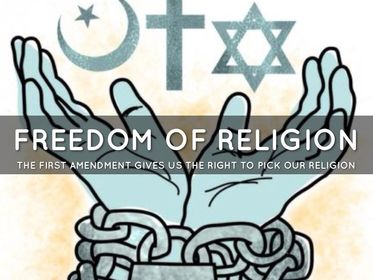
The First Amendment (Amendment I) to the United States Constitution prohibits the making of any law respecting an establishment of religion, impeding the free exercise of religion, abridging the freedom of speech, RELIGION, ASSEMBLY,PRESS, PETITIONSPEECH
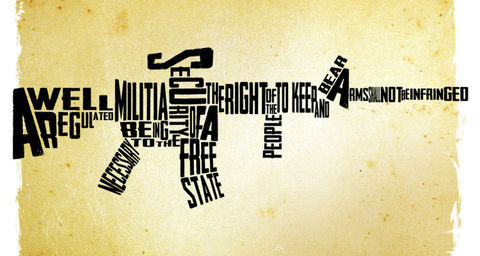
The Second Amendment of the United States Constitution reads: "A well regulated Militia, being necessary to the security of a free State, the right of the people to keep and bear Arms, shall not be infringed."
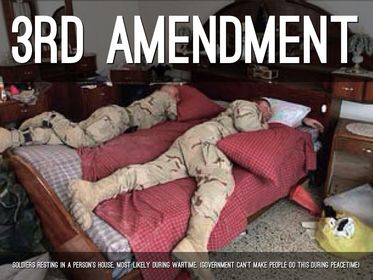
The Third Amendment, which forbids the “quartering” of “soldiers” in private homes without the owner's consent, is often the butt of jokes because it is so rarely litigated.
The right of the people to be secure in their persons, houses, papers, and effects, against unreasonable searches and seizures, shall not be violated, and no Warrants shall issue, but upon probable cause, supported by Oath or affirmation, and particularly describing the place to be searched, and the persons or things .
The Fifth Amendment of the U.S. Constitution provides, "No person shall be held to answer for a capital, or otherwise infamous crime, unless on a presentment or indictment of a grand jury, except in cases arising in the land or naval forces, or in the militia, when in actual service in time of war or public danger
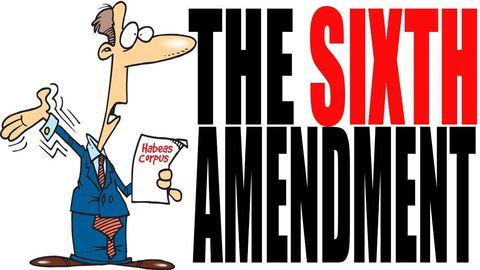
The Sixth Amendmentguarantees the rights of criminal defendants, including the right to a public trial without unnecessary delay, the right to a lawyer, the right to an impartial jury, and the right to know who your accusers are and the nature of the charges and evidence against you.
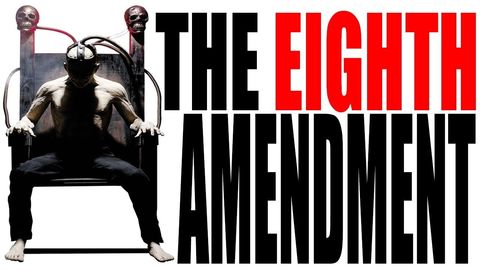
The Eighth Amendment (Amendment VIII) to the United States Constitution is the part of the United States Bill of Rights (ratified December 15, 1791) prohibiting the federal government from imposing excessive bail, excessive fines, or cruel and unusual punishment.
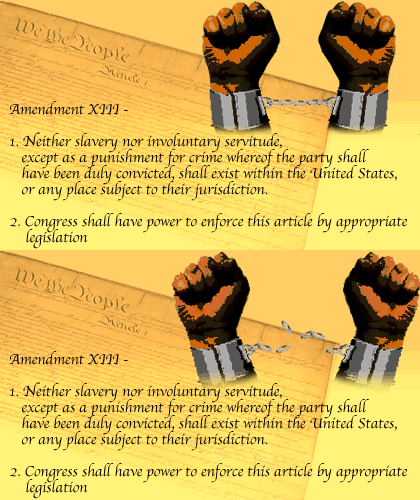
Passed by Congress on January 31, 1865, and ratified on December 6, 1865, the 13th amendment abolished slavery in the United States and provides that "Neither slavery nor involuntary servitude, except as a punishment for crime whereof the party shall have been duly convicted, shall exist within the United States
The 14th Amendment to the Constitution was ratified on July 9, 1868, and granted citizenship to “all persons born or naturalized in the United States,” which included former slaves recently freed.
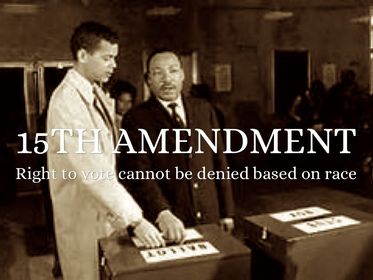
The Fifteenth Amendment (Amendment XV) to the United States Constitution prohibits the federal and state governments from denying a citizen the right to vote based on that citizen's "race, color, or previous condition of servitude."
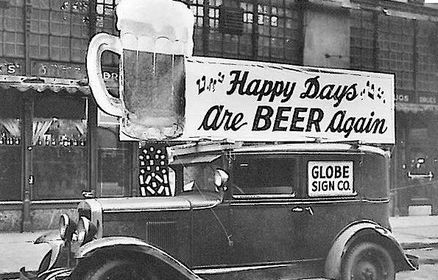
The Eighteenth Amendment (Amendment XVIII) of the United States Constitution effectively established the prohibition of alcoholic beverages in the United States by declaring the production, transport, and sale of alcohol (though not the consumption or private possession) illegal.
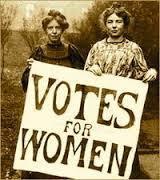
The 19th amendment is a very important amendment to the constitution as it gave women the right to vote in 1920. You may remember that the 15thamendment made it illegal for the federal or state government to deny any US citizen the right to vote.
Slide 13
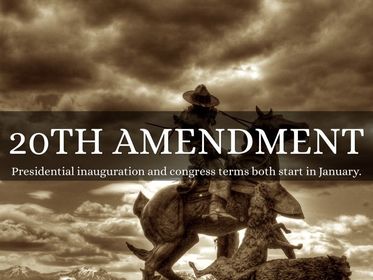
The 20th amendment is a simple amendment that sets the dates at which federal (United States) government elected offices end. In also defines who succeeds the president if the president dies. This amendment was ratified on January 23, 1933.
The Twenty-first Amendment (Amendment XXI) to the United States Constitution repealed the Eighteenth Amendment to the United States Constitution, which had mandated nationwide Prohibition on alcohol on January 17, 1920. The Twenty-first Amendment was ratified on December 5, 1933.
Slide 15
22nd Amendment
an amendment to the U.S. Constitution that ensures that no person can be elected to more than two four-year terms as President of the United States. The 22nd Amendment, ratified in 1951, was passed in reaction to President Franklin D. Roosevelt's four terms in office.
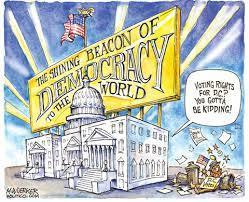
The Twenty-third Amendment (AmendmentXXIII) to the United States Constitution extends the right to vote in the presidential election to citizens residing in the District of Columbia by granting the District electors in the Electoral College, as if it were a state.
Slide 17
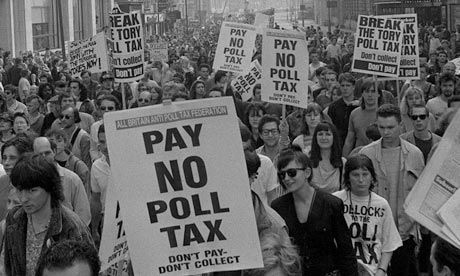
Not long ago, citizens in some states had to pay a fee to vote in a national election. This fee was called a poll tax. On January 23, 1964, the United States ratified the 24th Amendment to the Constitution, prohibiting any poll tax in elections for federal officials.
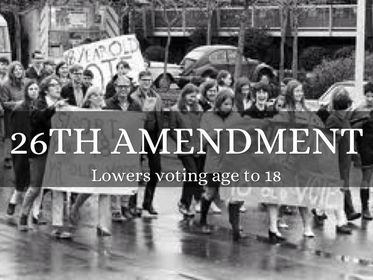
The 26th Amendment changed a portion of the 14th Amendment. Section 1. The right of citizens of the United States, who are eighteen years of age or older, to vote shall not be denied or abridged by the United States or by any State on account of age. Section 2.