
Karteikarten
Domain 1- Visual Flashcards
Karten in diesem Stapel (45)
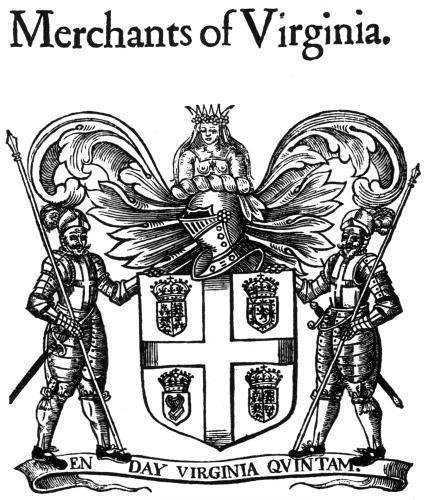
- 1Virginia CompanyThe English joint-stock company that King James I approved to form Virginia's first colony in The New World, Jamestown.
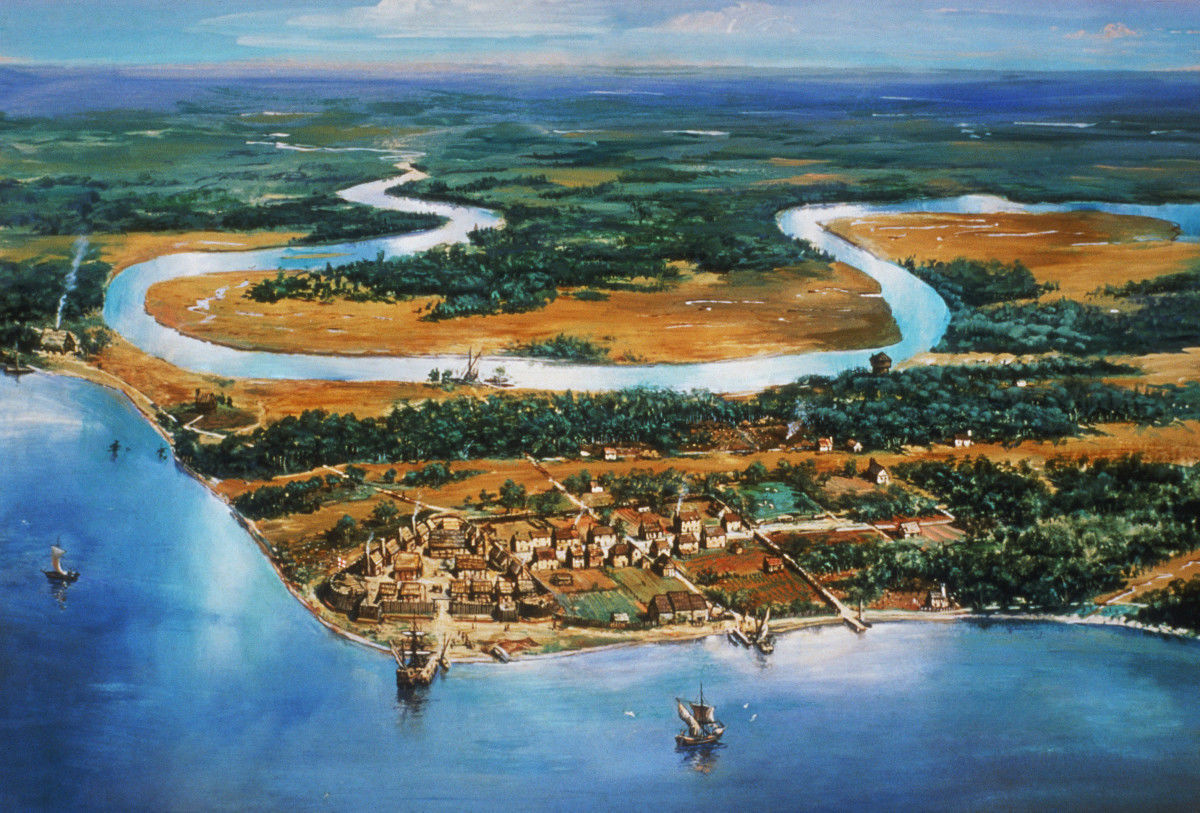
- 2JamestownFounded in 1607 by England, it was the first English settlement in the New World. It was approved by King James I and the Virginia Company. Because the English weren't familiar with the land, it was hard for them to use the land to the best of their ability. They forged an alliance with the Native Americans residing in the area who helped them tend to the land.
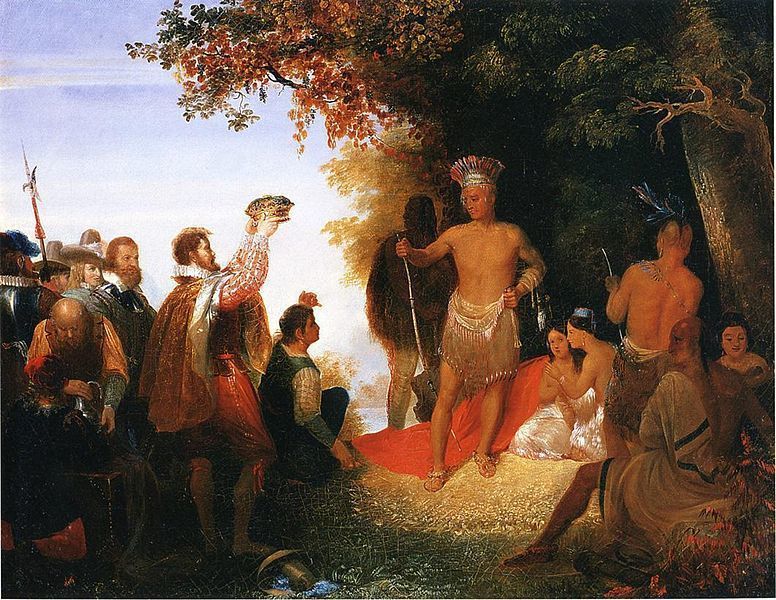
- 3Powhatan RelationsThe Powhatans were a Native American tribe who resided in the same area as the Jamestown colonists. For a while, the colonists and tribe got along, helping with the land until the colonists tried using them for extensive labor.
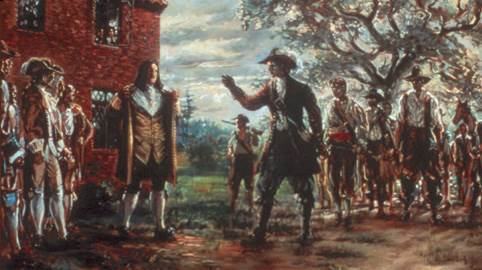
- 4Bacon's RebellionOccurring in Jamestown 1676, Nathaniel Bacon led an uprising against Virginian governor William Berkeley over his disappointment with the colony's high taxes, unfair treatment of the middle and lower classes, and voting restrictions. Eventually, Berkeley was removed from office, Bacon was elected to office. However, Bacon was arrested shortly after and the rebellion he believed in slowly began to collapse.
- 5King Phillip's WarSometimes called Metacom's War or The First Indian War, it was when the Indians tried to drive the English from their land by force. Originally, the Indians had peaceful relations with the colonists, helping them survive in The New World. Eventually, the colonists outwore their welcome when they began arriving in large numbers, and in 1675, the war began.
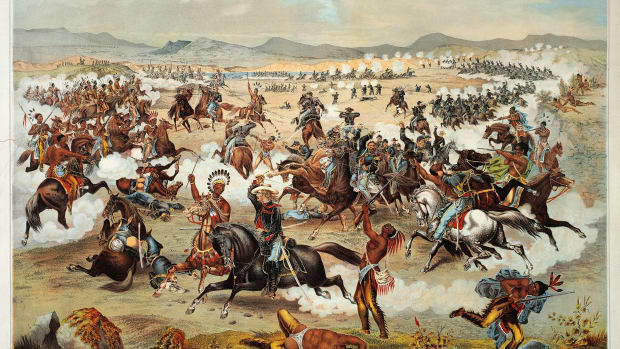
- 6PuritansPuritans were Christians who fled England in order to practice the religion the way they wished to. However, they had very strict rules and this often led to Puritans striking out on their own, like Anne Bradstreet who challenged male authority and Roger Williams.
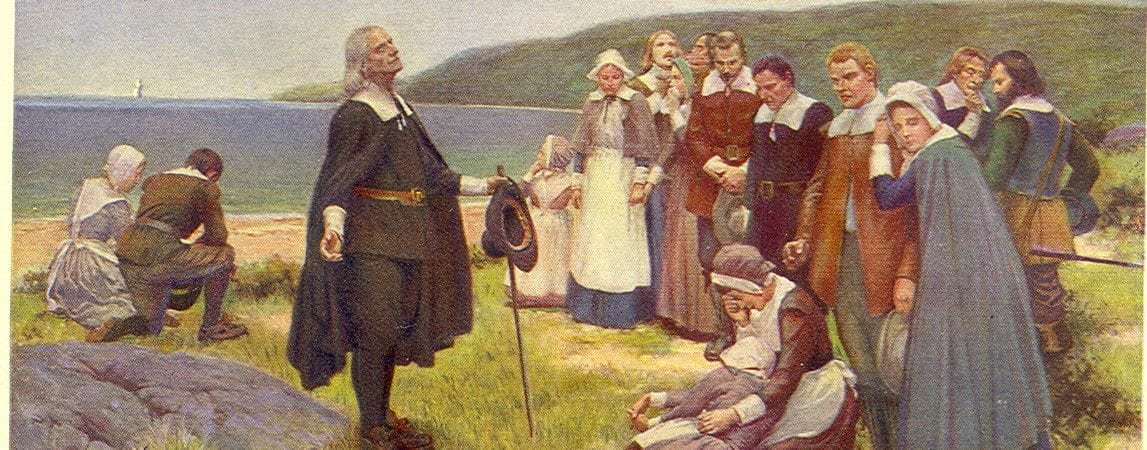
- 7Pilgrims"Pilgrim" was the name for the English who settled in American in the early to mid-1600s. The most known Pilgrims in history were the ones from the Plymouth Colony in 1620 after traveling on the Mayflower. They faced hard conditions on their way to their new home, as many people fell ill and died on the ship. They also faced cruel winters and wouldn't have survived without the help of the Native American tribes residing in the area.
- 8Development of Rhode IslandOne of the 13 colonies in 15th century America, Rhode Island was a New England colony that began in 1636 and was founded by William Rogers. This was the home of many English settlers, including Puritans.
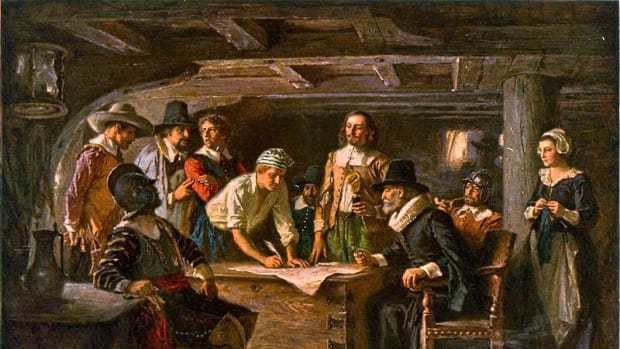
- 9Half-Way CovenantThe Puritan Church was exclusive, only allowing certain people full membership and benefits like voting rights and given communion ceremonies. However, they began allowing others to have partial membership to the Church's services. This was normally offered to the children, especially since they weren't as religious as the generation before them. But since their parents wanted them involved with the Church, they allowed them to participate in minimal activities.
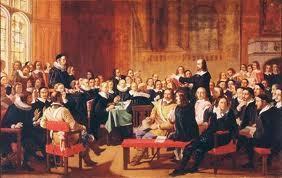
- 10Salem Witch TrialsStarted by the Puritans in 15th century Massachusetts, people were prosecuted, harassed, and killed for exhibiting signs of potential witchcraft. Today, it's possible that the people were just exhibiting signs of epilepsy, poisoning, and disease and this led to the outbreak of the Salem Witch Trials.
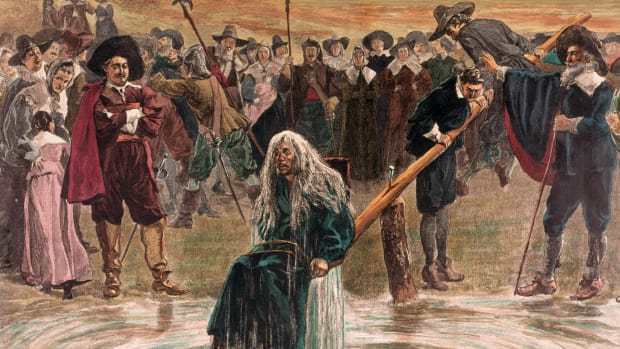
- 11Loss of the Massachusetts CharterThe Massachusetts Charter was revoked in 1684 after England said that they had ignored and violated many of its laws.
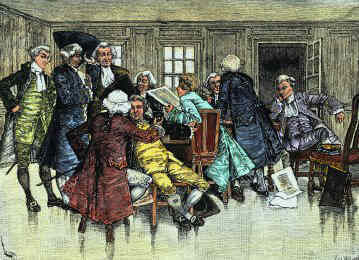
- 12Dutch Settlement of AmsterdamIn 1625, the New Amsterdam colony was established by the West India Dutch Company. It later grew to be New York in the 1960s, named after the Duke of York in England.
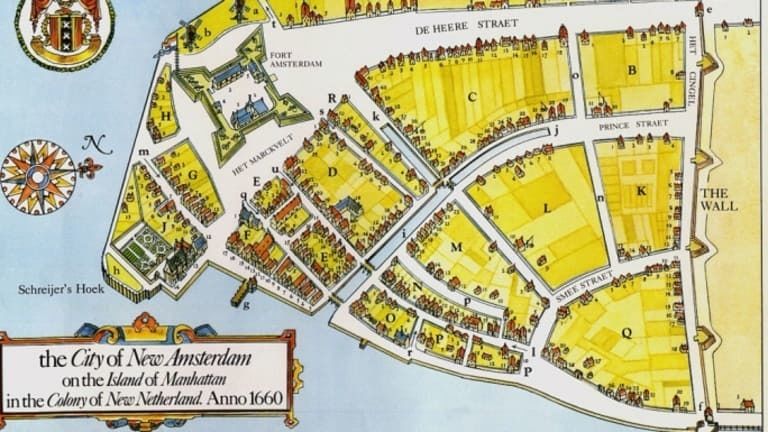
- 13Settlement of PennsylvaniaPeople fleeing religious persecution moved to America, to a settlement called Pennsylvania. It was named after it's founder, William Penn. It was created in the 1630s and allowed people with multicultural backgrounds and religions to reside there. It was one of the colonies known as the "Melting Pot."
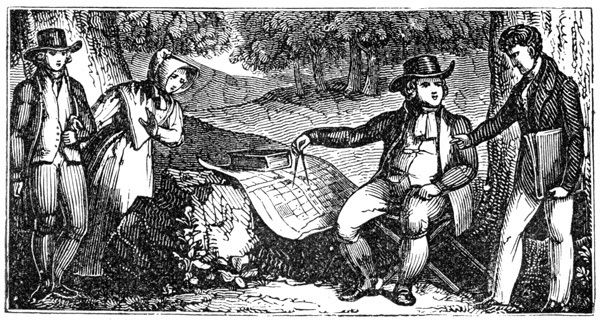
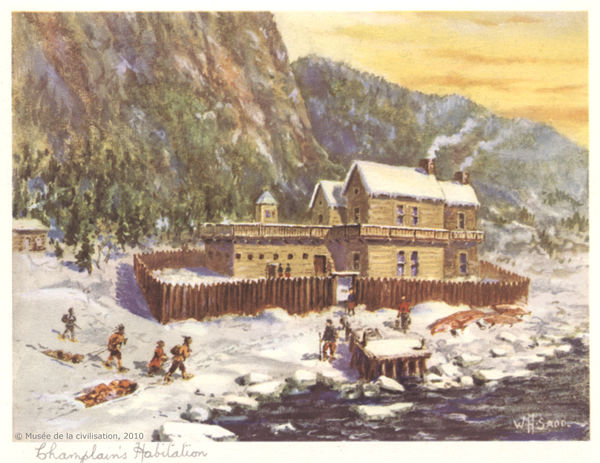
- 14French Settlement in QuebecFounded by Samuel de Champlain in Canada 1608, it was originally used as a trading post, the most common good being Fur. It was also a military defense center as they needed to defend their post. Doing so, they became allies with the Algonquin and Huron tribes living in the area.
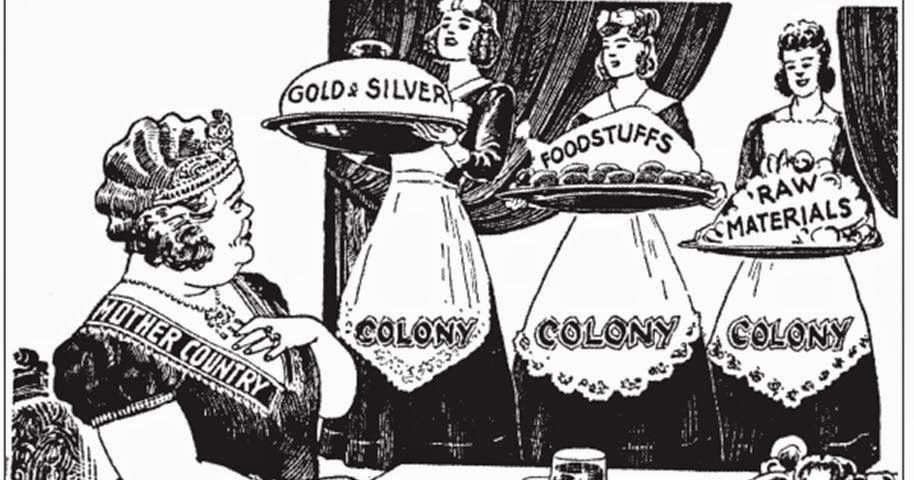
- 15MercentalismA European belief system in the 16th-19th century that said if a nation exported more goods rather than importing them, then the country should expect a surplus of money. Because of a nation's constant need to make money, they needed to create a way to sell their goods, save as much money as possible, and make lots of money. By not importing goods, they weren't buying as much, saving money. Since they were only exporting goods, they were able to accumulate money instead of being in a gain/loss situation.
- 16Trans-Atlantic TradeA trade between Europe, Africa, and the Americas in the 16th-19th century that consisted of the transfer of slaves, weapons, sugar, and other goods and services. As more plantations formed, the need for manual labor increased. This led to the capture and enslavement of over 10 million Africans.
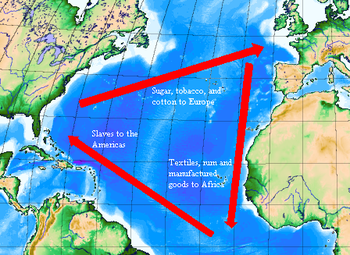
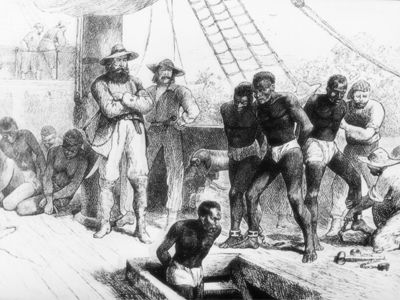
- 17Middle PassageOne of the routes taken during the Triangular Trade (Africa, Europe, and the Americas) that traded African slaves for goods. The Africans were often taken by force, and many died before, during, or after enduring the voyage.
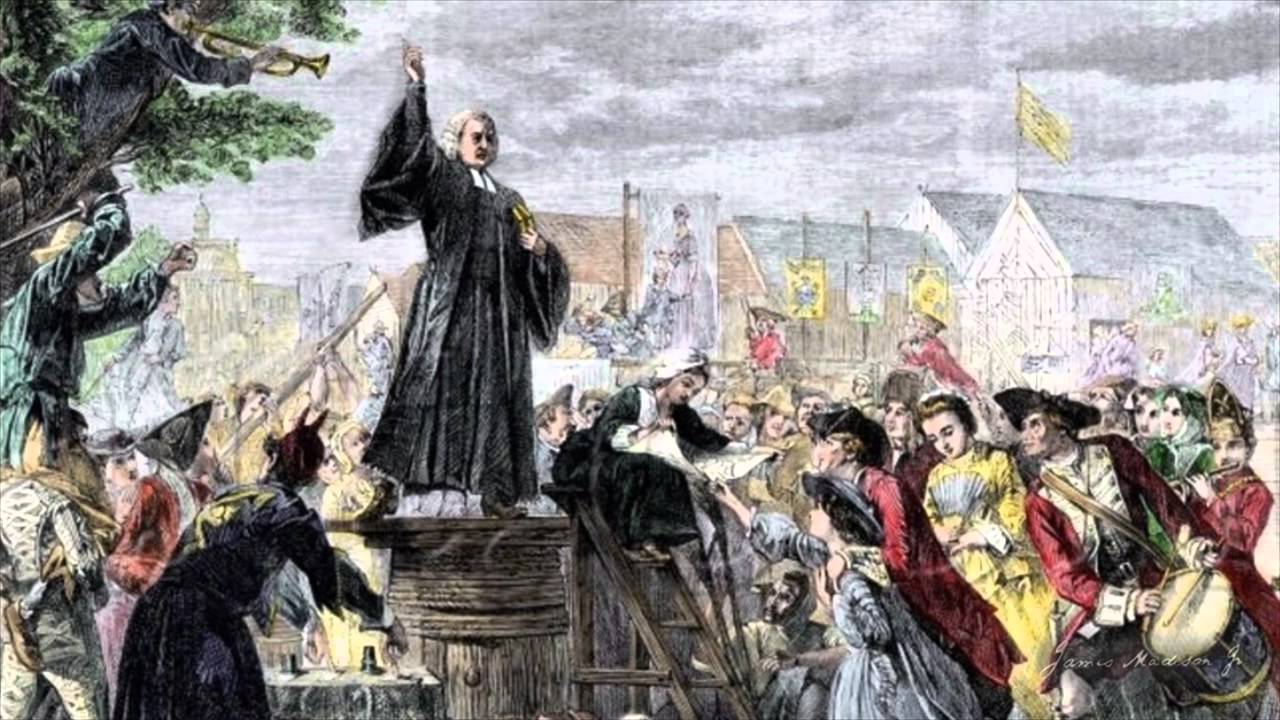
- 18The Great AwakeningA religious awakening in 1730s-1740s Colonial America that resulted in the widespread spiritual freedom. Ministers encouraged people to accept Christianity and release themselves of their sins. This age consisted of more religious freedom and resulted in the creation of denominations within the Church.
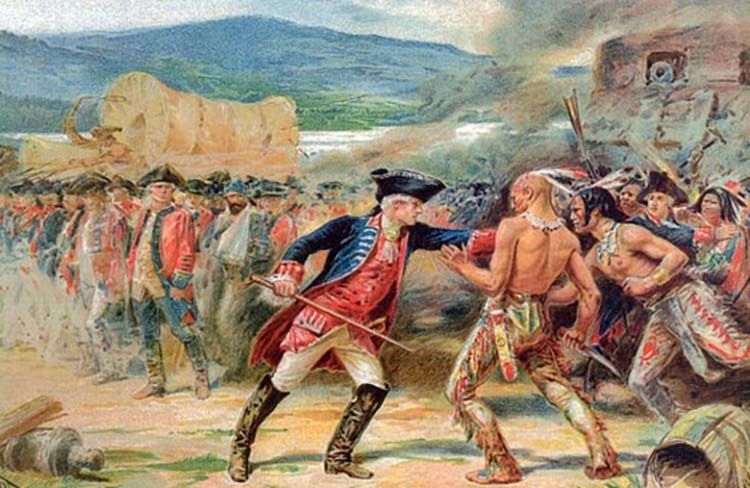
- 19French and Indian WarAlso known as the Seven Years War, it was a battle between Britain and France on American soil from 1756 to 1763. They fought over land, but the war resulted in the Treaty of Paris in 1763. Britain gained French territories and gave up some of their land to Spain.
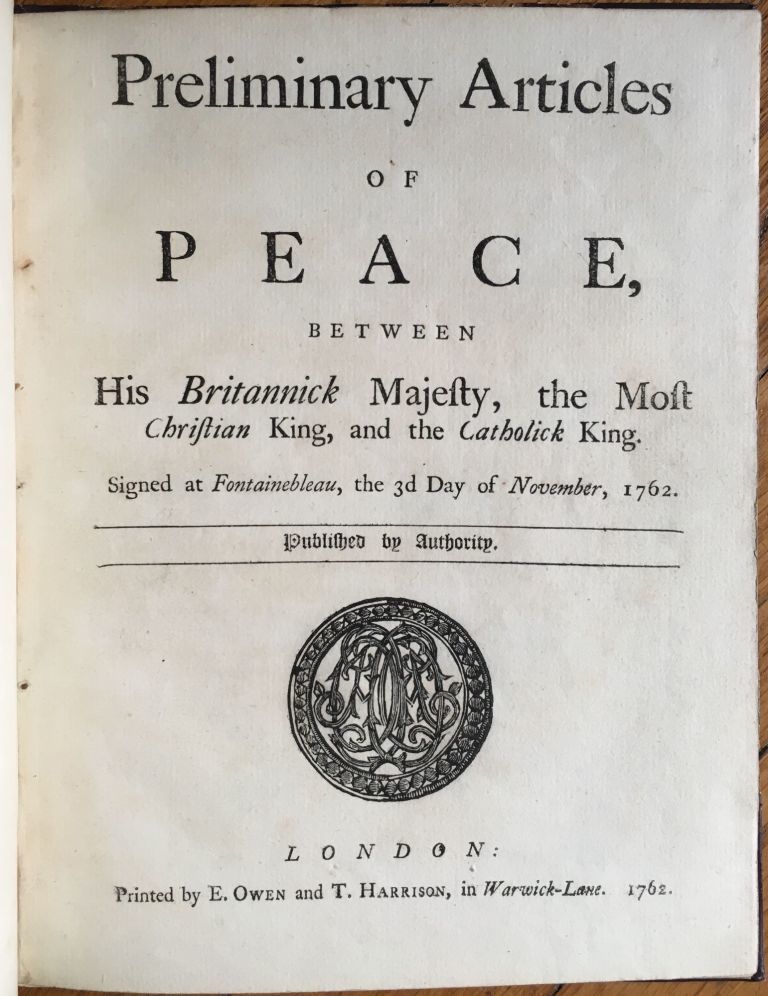
- 201763 Treaty of ParisThis treaty ended the French and Indian War and forced France to give up their American colonies. Britain gained some of France's colonies and was granted permission to expand West.
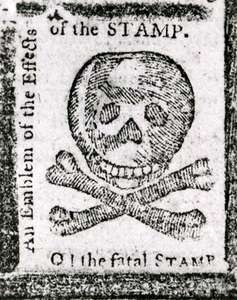
- 21Stamp ActAn act that Great Britain imposed on the people in 1765. The American colonists were required to pay a tax on almost everything, from newspapers to magazines. They hated the tax, and the people weren't being represented in court and therefore had no one to advocate for them.
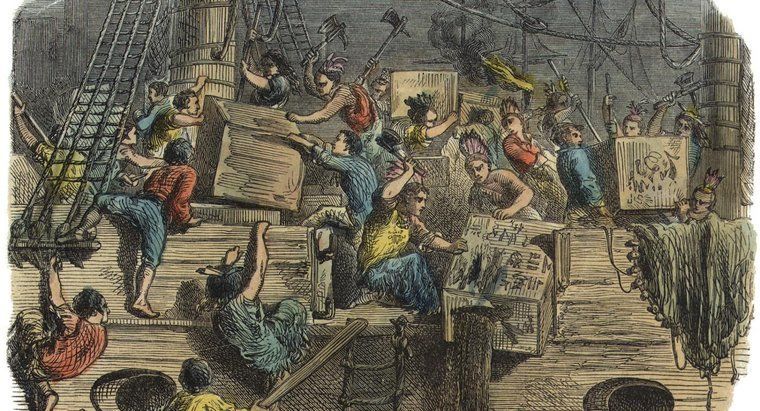
- 22Intolerable ActsMultiple acts passed and enforced by Great Britain in 1774 that punished the American colonists and forced them to follow more rules. This included the Boston Port Act, Massachusetts Government Act, Administration of Justice Act, Quartering Act, and Quebec Act. These Acts upset the colonists, especially since they had no representation in court.
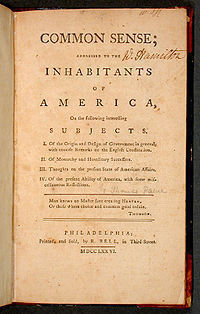
- 23Thomas Paine's Common SenseA colonist who went by the pen name "Englishman", he wrote a pamphlet titled "Common Sense." It spoke of the injustices that America had suffered at the hands of Great Britain. Published in 1776, the story became so popular that it helped propel that start of the Revolutionary War.
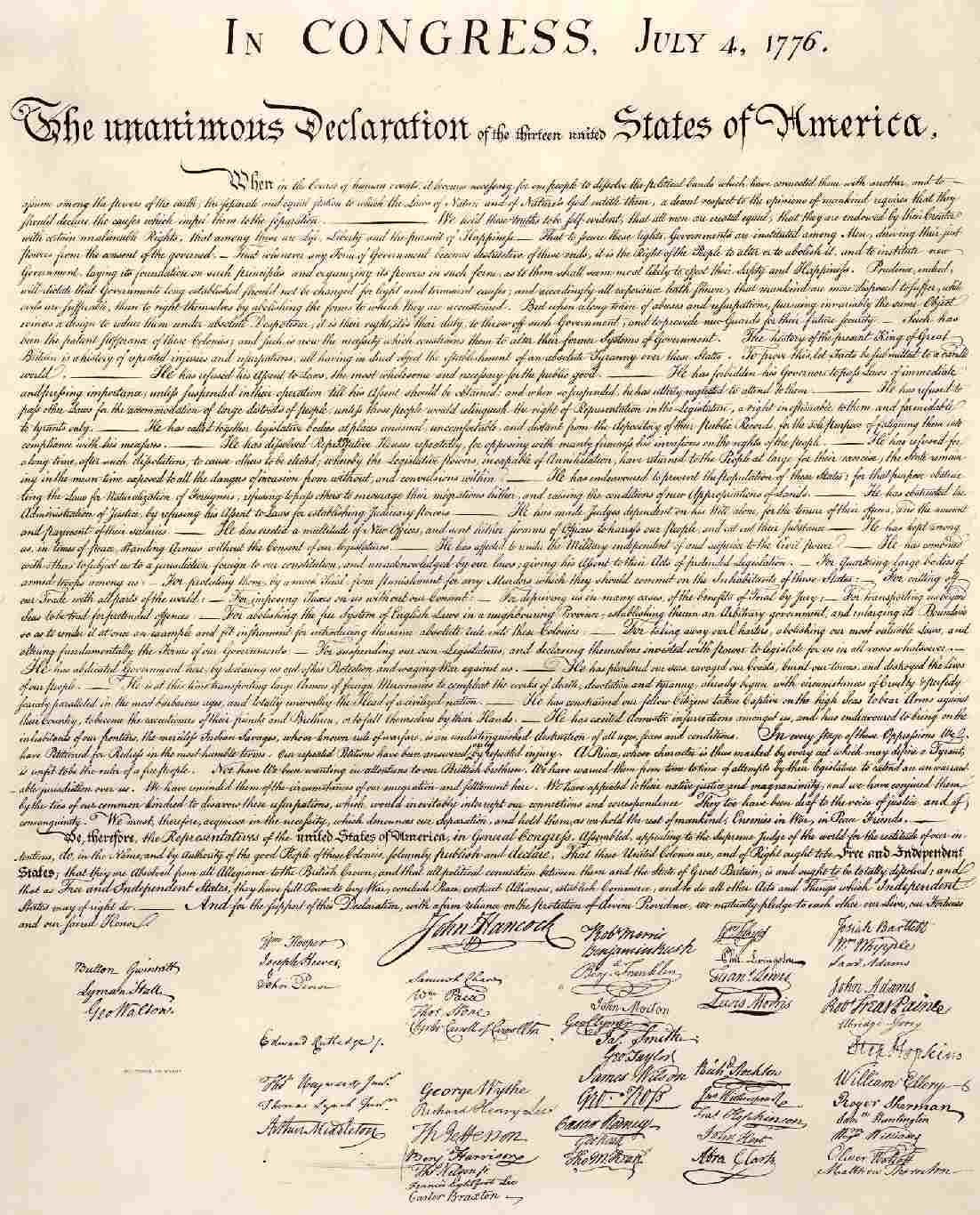
- 24Declaration of IndependenceThe official document written by the 13 colonies declaring their independence from Great Britain. It was published in July 1776, and its primary authors were Benjamin Franklin, John Adams, and Thomas Jefferson.
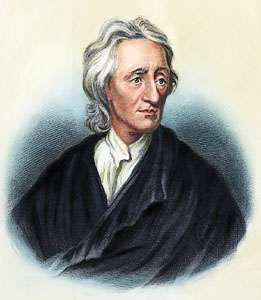
- 25John LockeAn English philosopher who participated in the Age of Enlightenment in the 17th-18th century. He wrote Two Treatises of Government in 1690 and spoke heavily of a social contract. Every individual had access to natural rights--life, liberty, and property. If these were violated by the state government then the people are given the right to overthrow and create a new government.
- 26French Assistance during the American RevolutionThe 13 American colonies were currently at war with Great Britain and created a new ally: France. Because France was still upset with their loss of land from Britain in 1763, they signed multiple treaties with America in 1778.
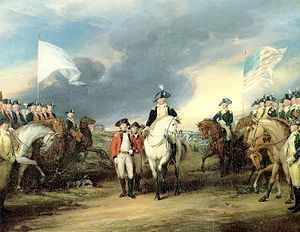
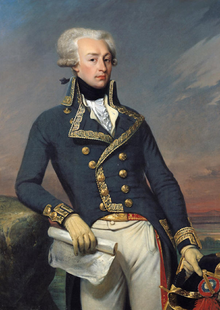
- 27Marquis De LafayetteFrenchman Marquis de Lafayette traveled to America and fought for their freedom in 1776 alongside American General George Washington. He was present when Great Britain surrendered.
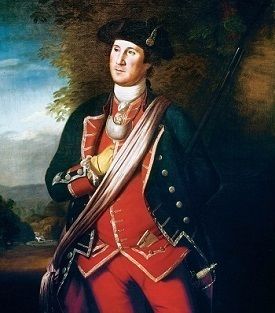
- 28George Washington (Presidency & Role in Military)George Washington served as Commander in Chief in the military and in the government. His war tactics weren't always useful, and his men were sick and starving many times throughout the war. But because of his ability to lead the army in such drastic situations made everyone believe that he'd make the perfect first president. He was inaugurated in 1789 and served for two terms.
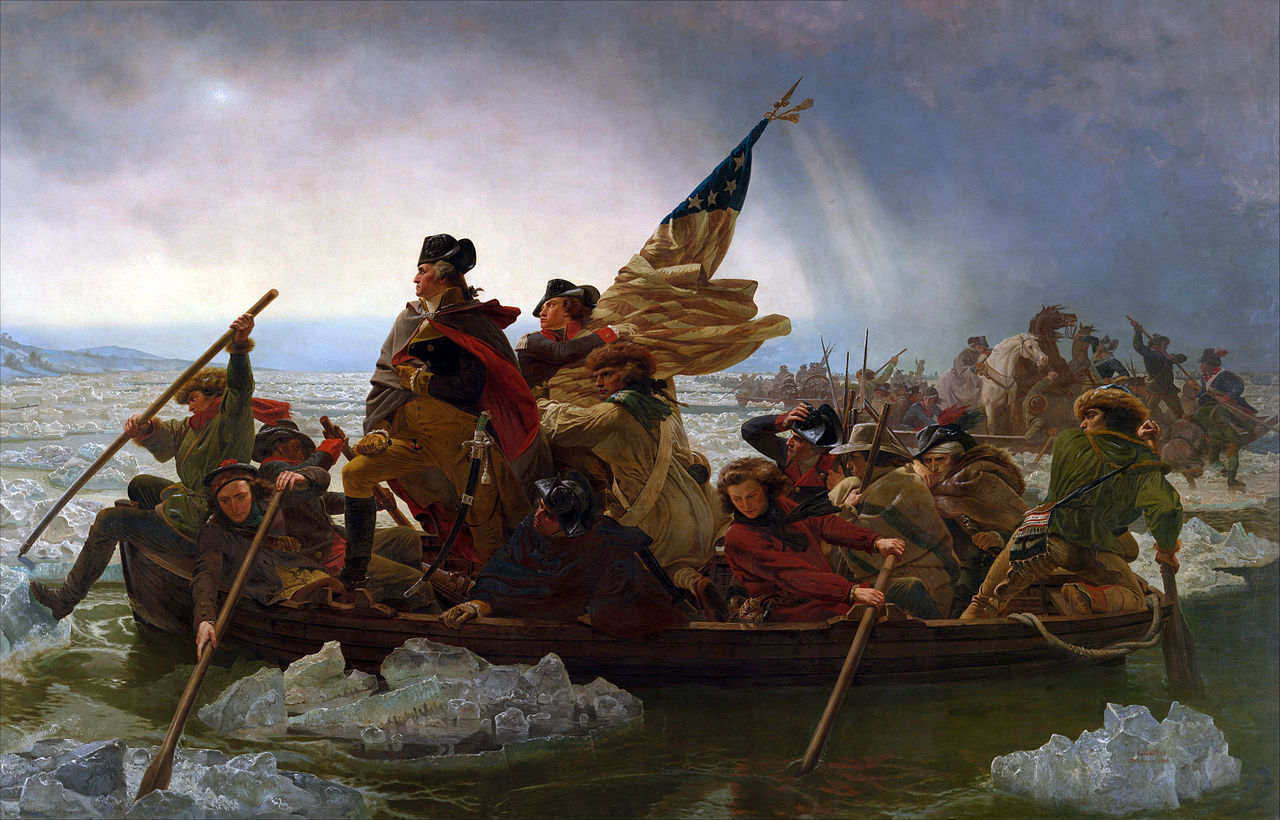
- 29Crossing of the Deleware RiverGeorge Washington planned on surprising Britain's allies with an attack late at night. Washington split his men into three groups: one would prevent Britain from helping their allies, one would prevent any British allies from escaping, and the last one (headed by Washington) would attack them directly. This led to the Battle of Trenton, where their opponents surrendered.
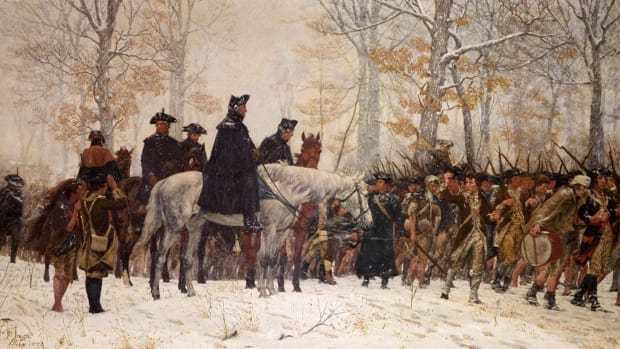
- 30Valley ForgeValley Forge, Pennsylvania is where General George Washington's army camped from 1777-1778. He wanted to spy on the British and protect neighboring American colonists. Their camping site was an ideal defense center with natural barriers such as rivers and high land. But even then did the men suffer from bad weather, disease, and hunger.
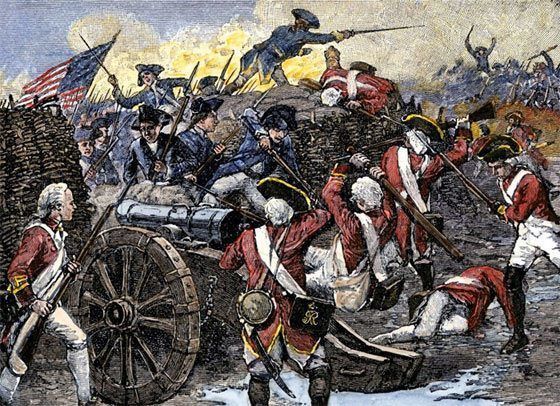
- 31Battle of YorktownThe Battle of Yorktown was the final battle in the Revolutionary War. This battle lasted over two week, and is where General Charles Cornwallis, leader of the British Army, surrendered and had to sign an official document called the Articles of Capitulation.
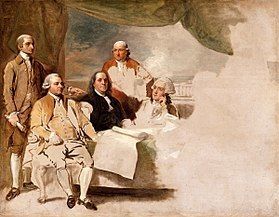
- 32Treaty of Paris, 1783The 1783 Paris Treaty was the official document that ended the American Revolution. It was written and signed in 1783. Notable members and signers of the Treaty include Benjamin Franklin, John Adams, and British Parliament member David Hartley. In the treaty, the 13 colonies were recognized as independent from Great Britain and the US was permitted to expand West.
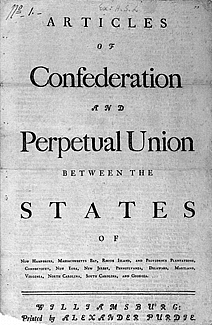
- 33Articles of Confederation (weakness)The Articles of Confederation came before the Constitution, and had many faults. Congress was unable to tax states and the federal government lacked power. This led to a weak government, and the establishment of a new official document: the Constitution.
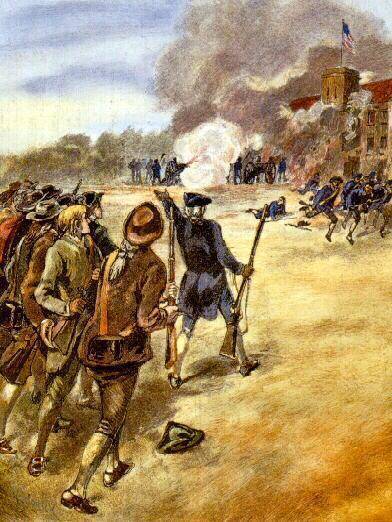
- 34Daniel Shay's RebellionA group of armed farmers who protested the higher taxes imposed on them in Massachusetts 1786. The farmers couldn't afford the taxes, and led by Daniel Shay, armed themselves with the objective of attacking and shutting down the courthouses.
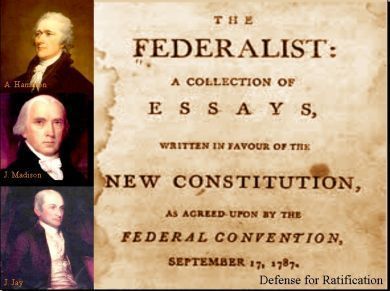
- 35FederalistsThe supporters of the ratification of the US Constitution. They felt that a Bill of Rights was not needed and wanted to strengthen the national government.
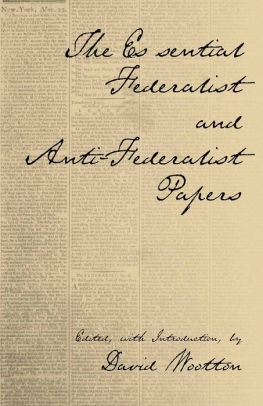
- 36Anti-FederalistsPeople who opposed the ratification of the US Constitution. They wanted to maintain the current government (where state had more power of federal). They also did not want the federal government to tax them.
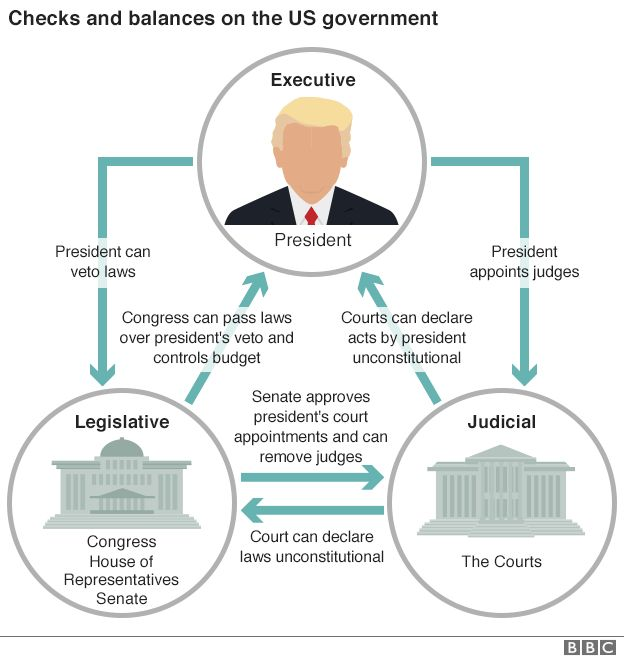
- 37Checks & BalancesAlthough each branch of government has certain rights over others, checks & balances is a system to ensure that one branch does not overpower the other. The President can veto Congress' bill. Congress can impeach the president. The judicial system can declare Congressional laws unconstitutional or the President's executive orders.
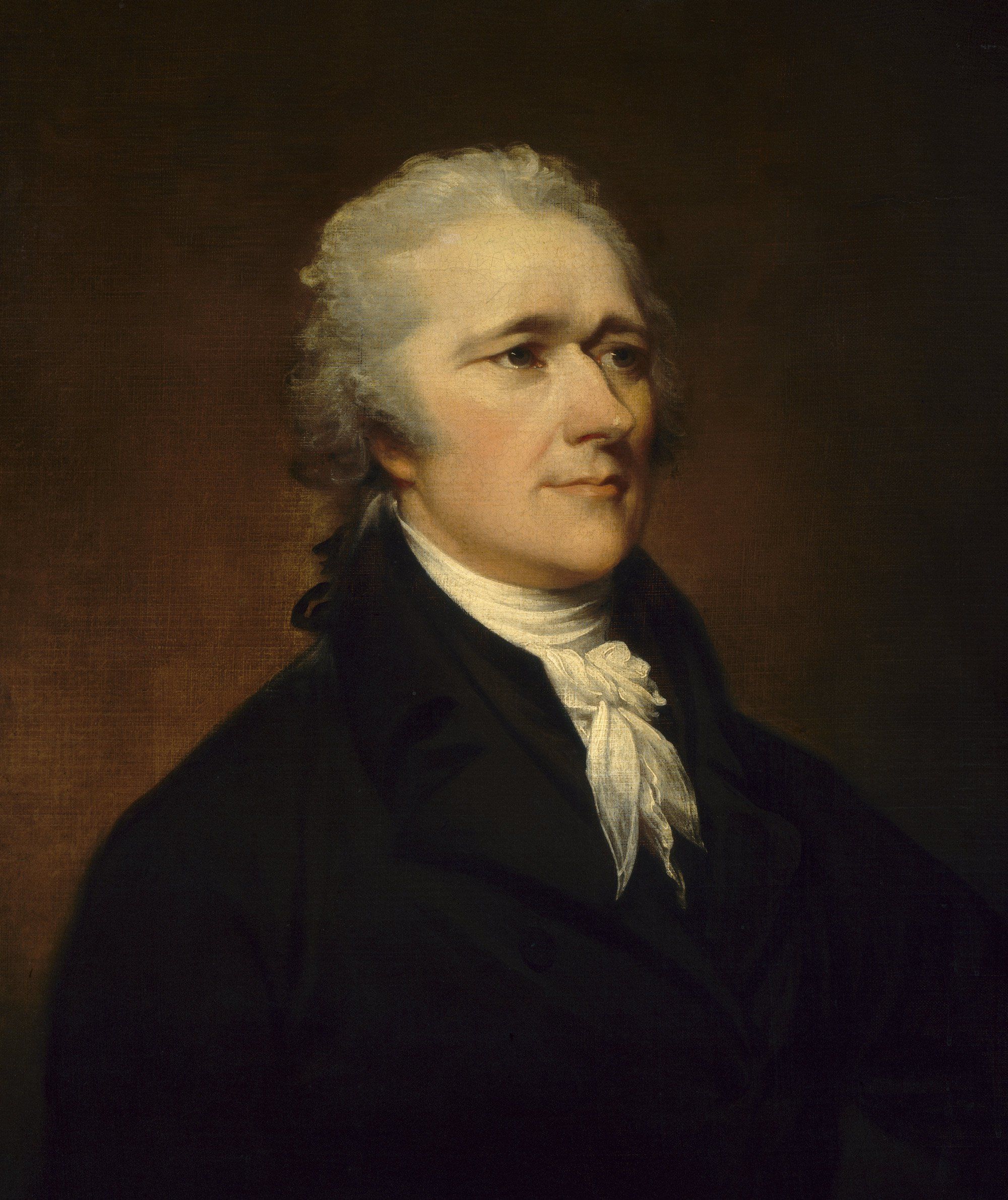
- 38Alexander HamiltonHe fought alongside George Washington in the American Revolutionary War as Lieutenant Colonel. He was also a leader of the Federalist Party, a strong supporter of the Constitution.
- 39James MadisonJames Madison worked on the United States Constitution and a strong supporter of the Constitution. He was the primary author of the Federalist Papers, a series of essays that tried to convince the United States to accept a new Constitution.
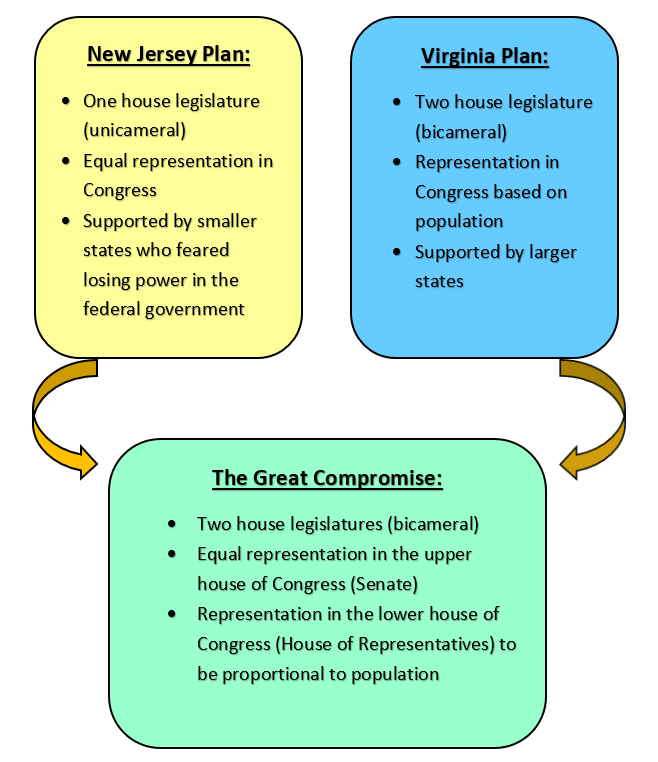
- 40The Great CompromiseA combination of the Virginia Plan and New Jersey Plan, proposed by Roger Sherman and John Dickinson. The Great Compromise had an executive, legislative, and judiciary branch. Every state had equal representation in the House of Representatives and Senate.
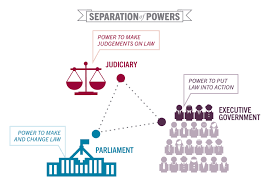
- 41Separation of PowersDividing the governmental power between the three branches of government: executive, legislative, and judicial. Each gets their own job, and the Checks and Balances prevents them from overpowering each other in court.
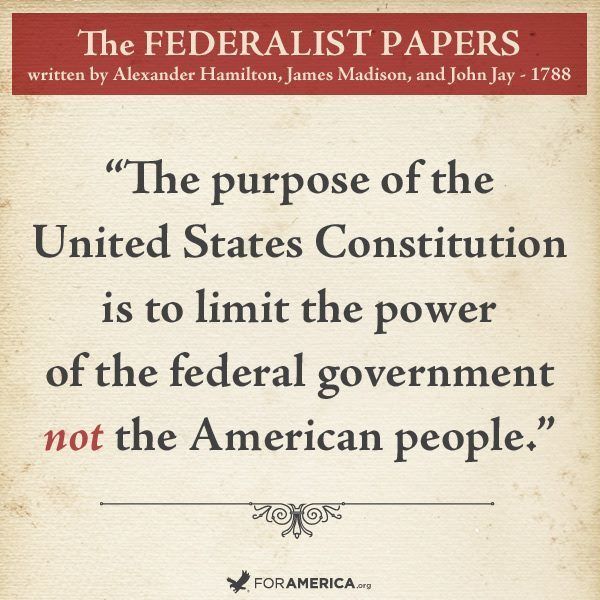
- 42Limited GovernmentThe government's powers are limited to what the Constitution allows it to do. The Constitution has rules of what they can/cannot do, and some are seen in the Bill of Rights.
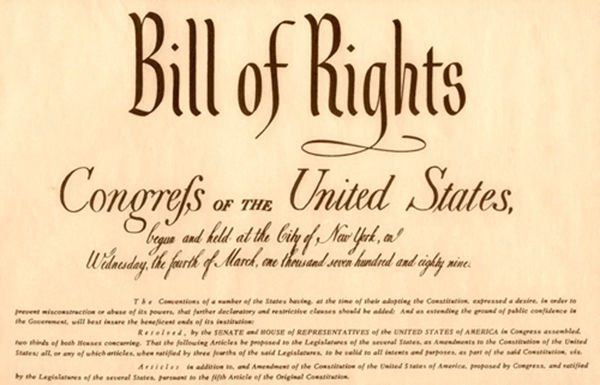
- 43Bill of RightsListed in the beginning of the Constitution, it lists American freedoms and governmental restrictions (ex. freedom of speech, government cannot try someone for the same crime twice). There were originally twelve, but only 10 made it into the final document in 1791.
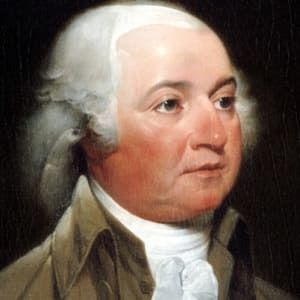
- 44John AdamsHe was a Federalist who worked on the Declaration of Independence, Treaty of Paris, and later went on to become the second president of the United States in 1797.
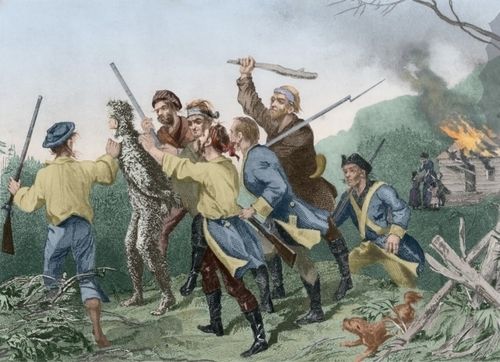
- 45Whiskey RebellionFollowing the rise of whiskey taxes, in 1794 Pennsylvania farmers and distillers attacked in protest. The American Revolution caused the states to loose lots of money and it was proposed that the government start to tax people in order to repay their debts. Under President George Washington's supervision, Congress passed the bill and people were taxed over whiskey. This led to a big upset for people unable to pay and the refusal to pay. The Whiskey Tax was revoked in 1802 after it became hard to accumulate any money from the American citizens.
Informationen
- Beschreibung
- 11th grade US History Karteikarten am Domain 1- Visual Flashcards, erstellt von Jaleah S. am 21/01/2019.
- Erstellt von
- Jaleah S. · Jan 2019
- Aktualisiert
- 21 Jan 2019
- Aufrufe
- 16
- Tags
- Bewertung